
What is Paris Fashion Week?

What is Paris Fashion Week?
Photo nestor.com

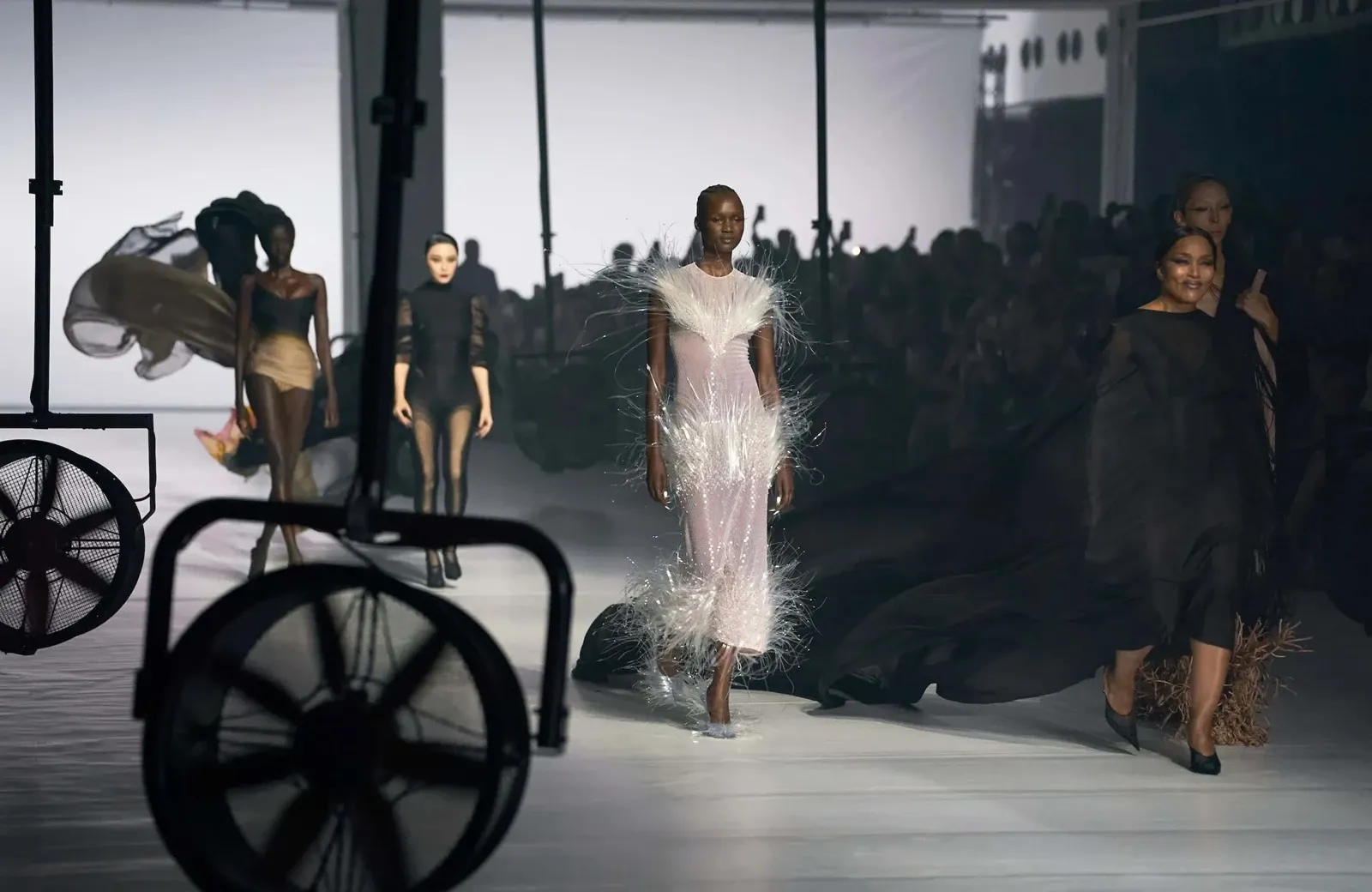
There are moments in the year when fashion ceases to be just clothing and becomes a language spoken by the whole world. Paris Fashion Week is the culmination of this phenomenon, an event that goes far beyond the confines of the industry calendar and transforms into a global celebration of aesthetics, ambition, and vision. It is a space where fabrics tell stories, and the runway becomes a stage for ideas, emotions, and creative courage.

A story that smells of haute couture
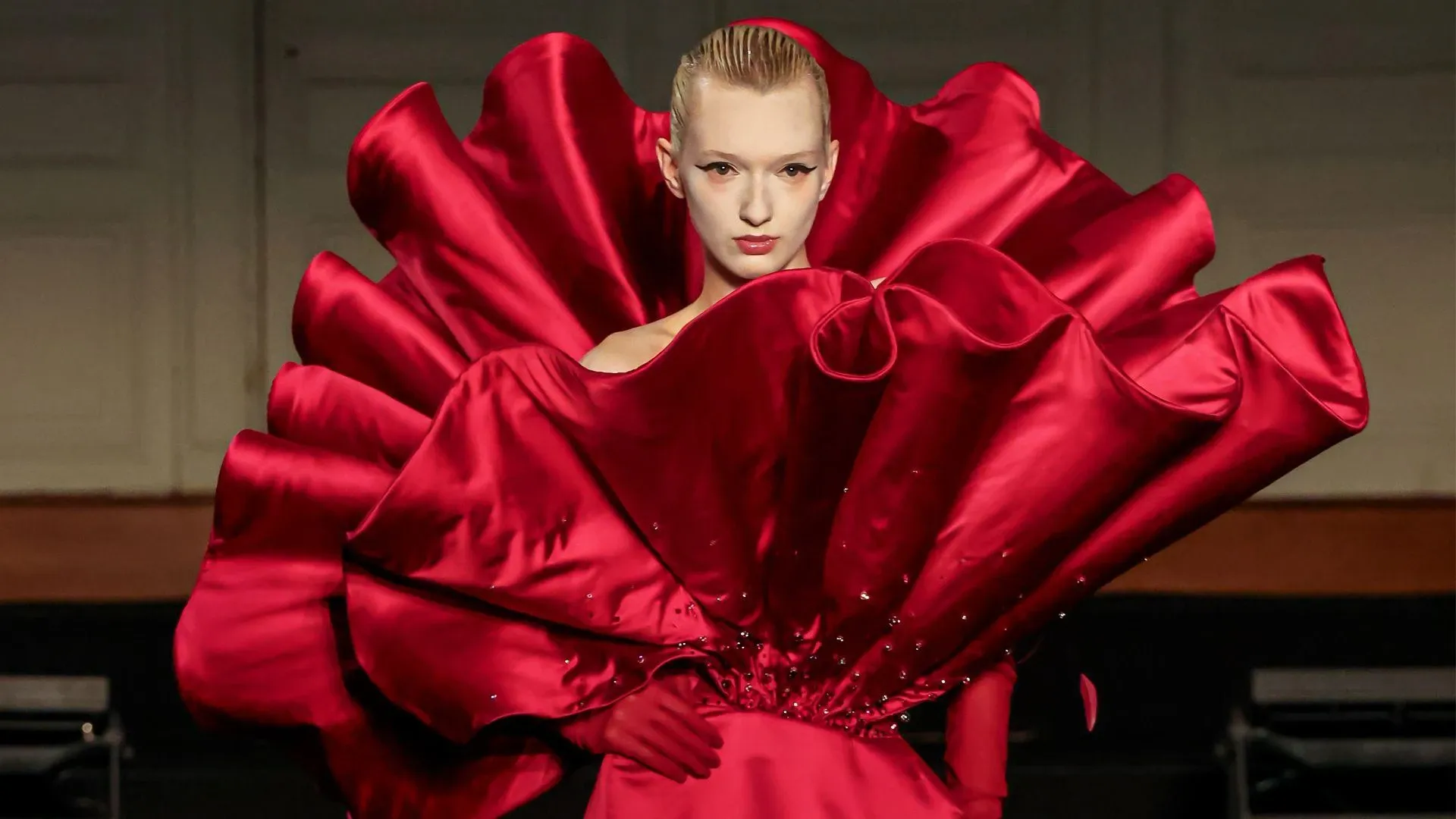
Photo: bbc.co.uk

To truly understand the scale and significance of Paris Fashion Week itself, one must look deeper than the front row at the show. The roots of this event date back to the 19th century, when Paris began establishing its position as the capital of elegance. It was here that Charles Frederick Worth operated, regarded as the father of haute couture, who was one of the first to showcase his designs on live models and sign them with his own name. This was when the idea of the designer as an artist was born, and a fashion show became an event in itself, not just a product presentation.

Over time, Paris developed a system that still serves as a model worldwide. The official schedule of shows is created by the Fédération de la Haute Couture et de la Mode — an institution that not only organizes the calendar but also ensures that the title of haute couture is not just an empty slogan. To use this title, a fashion house must meet strict criteria regarding the number of staff, production methods, and personalized customer service. Thus, in the 20th century, Paris Fashion Week became a stage for legends. It was here that visionaries presented their collections, changing perceptions of silhouette and femininity, such as Yves Saint Laurent, who introduced the tuxedo suit for women, or Cristóbal Balenciaga, a master of architectural forms. Each decade added a new chapter to this history, bringing aesthetic revolutions, scandals, technological breakthroughs, and redefining luxury.

Photo: ouispeakfashion.com

Paris Fashion Week and Its Chapters

Importantly, Paris Fashion Week is not a one-time burst of creativity but a precisely planned series of events that form four distinct chapters of the fashion year. Each has its own rhythm, audience, and dramaturgy. In January and July, Paris gives way to the aforementioned "haute couture" — the most elite form of fashion, where each creation is like a work of art made to order. Then comes the time for men's and women's prêt-à-porter collections, presented respectively in winter and autumn. In the meantime, there are also shows of resort and pre-fall collections, which increasingly gain the status of full-fledged spectacles.
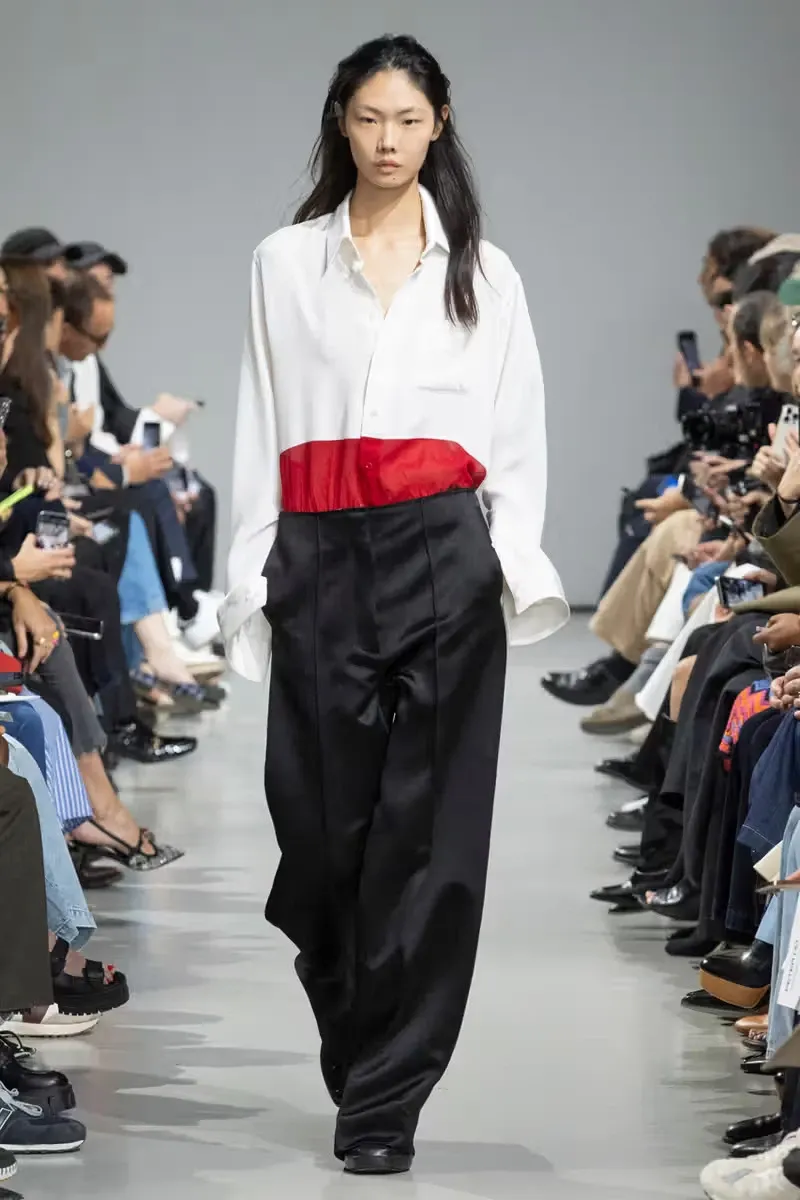
Photo: hypebeast.com

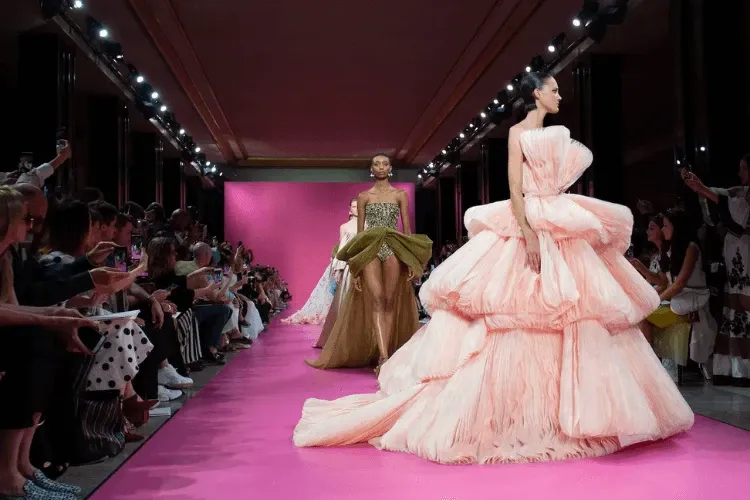
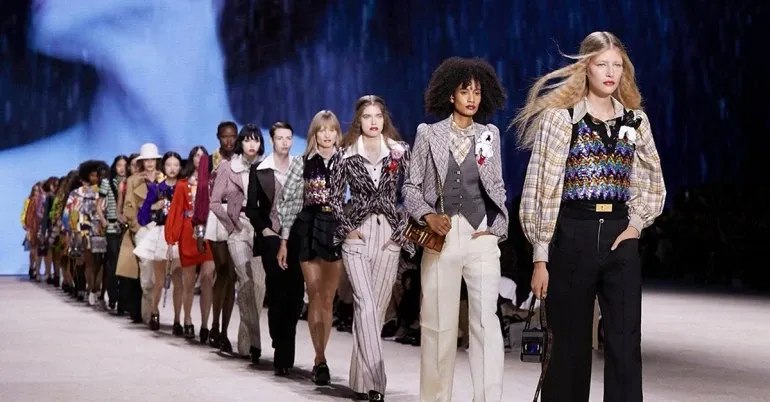
Haute couture is the heart of Paris Fashion Week — the most demanding segment for both designers and audiences. Premium brands, such as Chanel and Dior, showcase here handcrafted creations, often taking hundreds of hours, using techniques passed down through generations. This is fashion in its purest form, with shows resembling theatrical performances where set design, music, and the casting of models create a cohesive, almost cinematic narrative. Meanwhile, prêt-à-porter is the space where the designer's vision meets the real market. Here, fashion is meant to reach boutiques and wardrobes of clients worldwide, though in the Parisian edition it still retains an aura of luxury and experimentation. It is during shows by Louis Vuitton or Balmain that silhouettes are born, which several months later inspire designers of premium brands and popular chains.

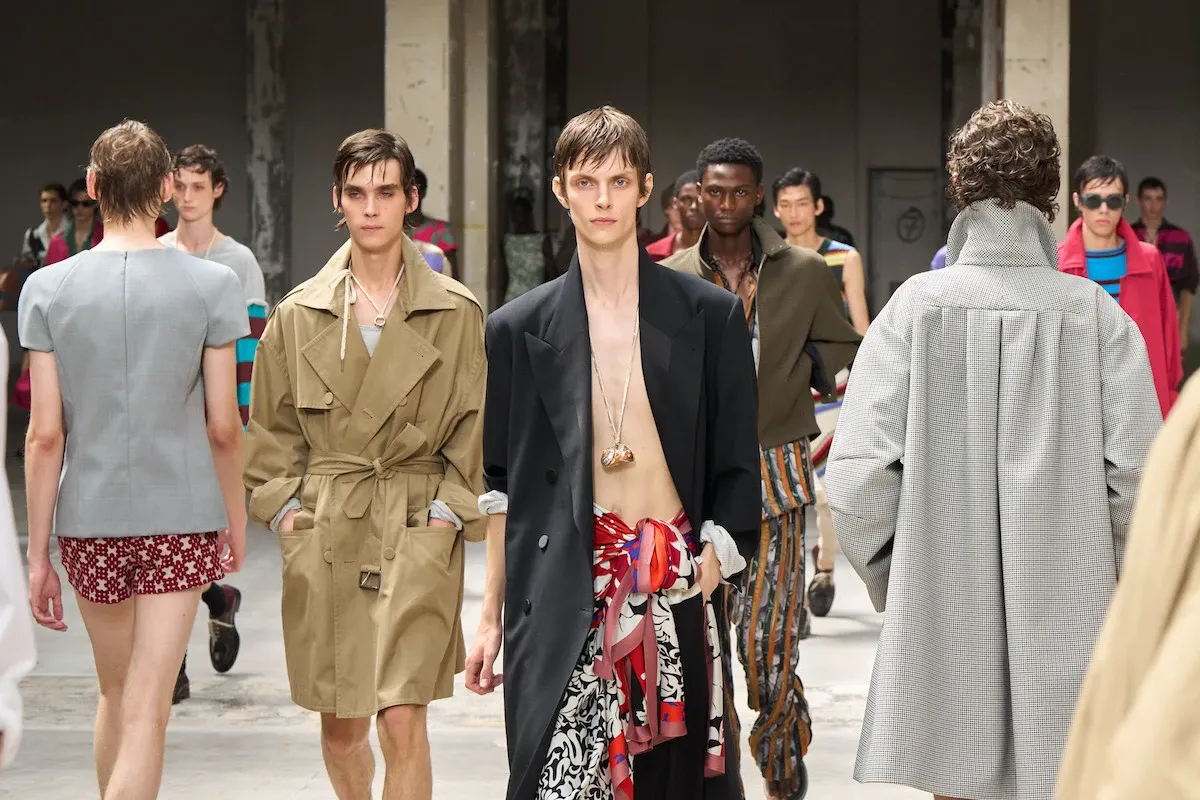
There are also men's shows, long treated somewhat neglectfully, which are now among the most dynamic elements of the entire calendar. Men's fashion in Paris experiments with form, redefines classic styles, and increasingly blurs the boundaries between what is traditionally considered feminine and masculine. Thus, Paris Fashion Week becomes a space for dialogue about identity and social change, not just a seasonal presentation of suits and coats.
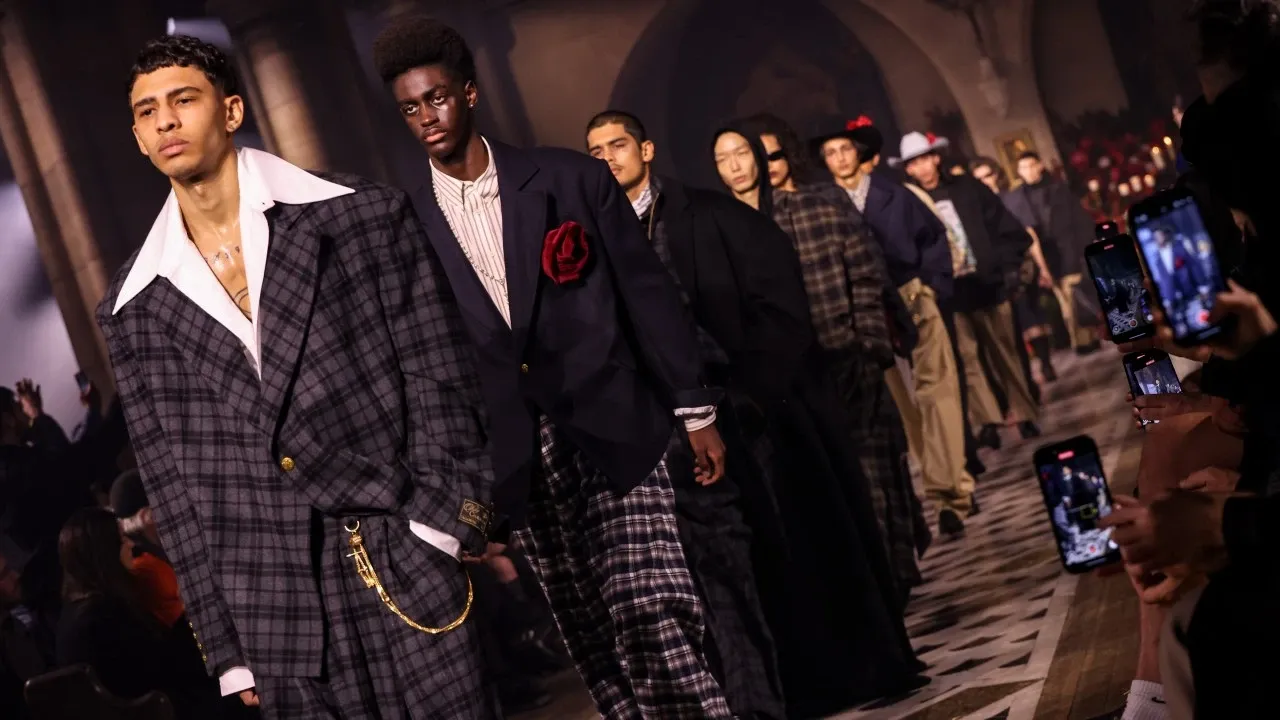
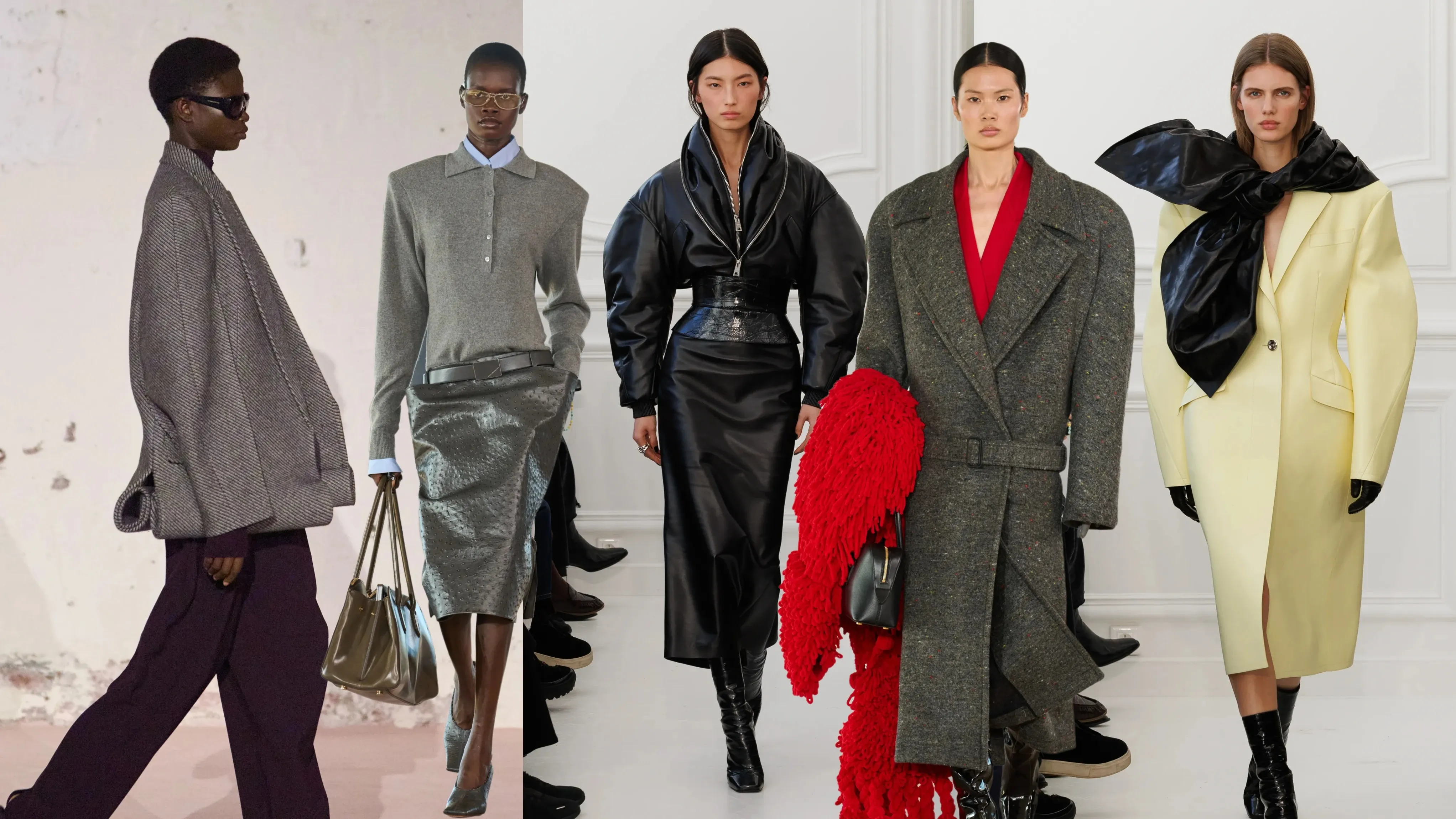
Photo: vanidad.es

Paris as the stage of a grand spectacle

It is impossible to separate Paris from trends emerging during Paris Fashion Week, because this city is not just a backdrop for fashion — it is its co-creator. During the shows, the French capital transforms into a monumental stage where every detail matters. Historic palaces, modern galleries, and raw industrial spaces become the setting for collections that will soon circulate worldwide. Fashion here engages in a dialogue with history and architecture, gaining a context that is difficult to replicate anywhere else.

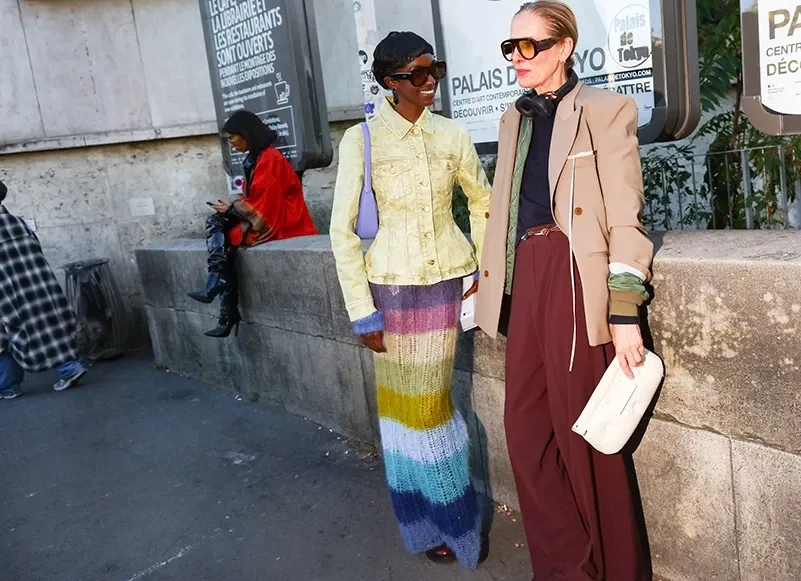
When a new silhouette or a bold reinterpretation of the classics appears on the runway, the industry immediately picks up the signal. Fashion houses such as Chanel, Dior, or Valentino not only showcase collections — they define the direction in which the global market will move. Parisian trends are more than seasonal inspirations. Designers increasingly use the runway as a space for social commentary. When Maria Grazia Chiuri emphasizes a feminist message in her collections, fashion becomes a manifesto, not just a product. Simultaneously, city streets absorb some of this energy, as street fashion during Fashion Week lives its own life, accelerating the emergence of new aesthetics.

Photo: marieclaire.com

Photo: blog.mariahedian.com

Why does Paris Fashion Week still fascinate?

In the era of online streaming and instant social media updates, it might seem that the magic of fashion shows would diminish. Yet Paris Fashion Week remains significant. On the contrary, it attracts a new audience that consumes fashion through smartphone screens, analyzes silhouettes in slow motion, and comments on collections in real time. Paris continues to be a reference point, a place where fashion is treated with reverence but also with fresh, youthful energy. This blend of tradition and digital dynamism ensures the event is not turned into a museum exhibit but remains a living organism responding to the pace of the modern world.

Although Paris Fashion Week has become a global spectacle accessible to almost everyone, physical presence in Paris still holds an irreplaceable aura. The phenomenon of this event lies in its combination of extremes. On one side, there is elitism, exclusive shows, and strict guest selection; on the other, democratized access via the internet. It is also significant that Paris continues to attract the biggest names in the industry. When houses like Chanel or Dior present their visions, and creative directors are strong, distinctive personalities, the audience knows they will see more than just what is fashionable. They will see a story. And stories, especially those told with grandeur and courage, will always fascinate.


Photo: thecoolhour.com

Read also

Men's elegance in a modern version - how to build a style that makes an impression?

Men's elegance in a modern version - how to build a style that makes an impression?

Contemporary men's fashion is more than just fleeting trends. It’s about consciously building an image that emphasizes character, confidence, and professionalism. A well-chosen outfit can change the way we are perceived — both in business and in private life. An increasing number of men are abandoning impulsive purchases in favor of a thoughtful wardrobe based on quality and timeless cuts. Style doesn’t have to be overly formal. The key lies in balancing classic and modern elements.

How to wear a men's spring coat? 5 ready-made styles for everyday and work

How to wear a men's spring coat? 5 ready-made styles for everyday and work

Spring can be surprising. Cool in the morning, sunny at noon, and windy again in the evening. How to dress stylishly without getting cold? The answer is simple: a men's spring coat. This wardrobe staple combines elegance with functionality and works both in the office and during weekend outings. Wondering how to wear it to look fashionable but not overly formal? Below, you'll find 5 ready-to-wear outfits that you can add to your wardrobe right away. Take a look and get inspired!