Choosing the right footwear is key to health, comfort, and safety, as well as a professional appearance. This article analyzes how sole properties, toe shape, and heel height affect our joints and spine. Find out which technical solutions provide cushioning and stability, and how to match shoes to office dress code by choosing between loafers, oxfords, or ankle boots.
What sole properties influence cushioning and safety?
A lightweight sole made from EVA foam effectively absorbs shocks, significantly reducing stress on joints during work on hard surfaces. In addition to comfort, safety is a priority, confirmed by rigorous certifications such as SRA, SRB, and SRC. The use of an innovative blend of thermoplastic rubber and nitrile rubber not only improves grip but also strengthens the shoe's construction, protecting it from mechanical damage. Professional work footwear offers a range of advanced technical solutions that elevate daily work standards and provide comprehensive protection:
• anti-puncture insole protecting against sharp objects on the ground,
• ESD anti-static systems essential in specialized work environments,
• thermal insulation maintaining optimal foot comfort,
• ergonomic and flexible design supporting natural movement,
• advanced tread guaranteeing stability and reducing fatigue,
• high protection class compliant with standards S1 and S3.
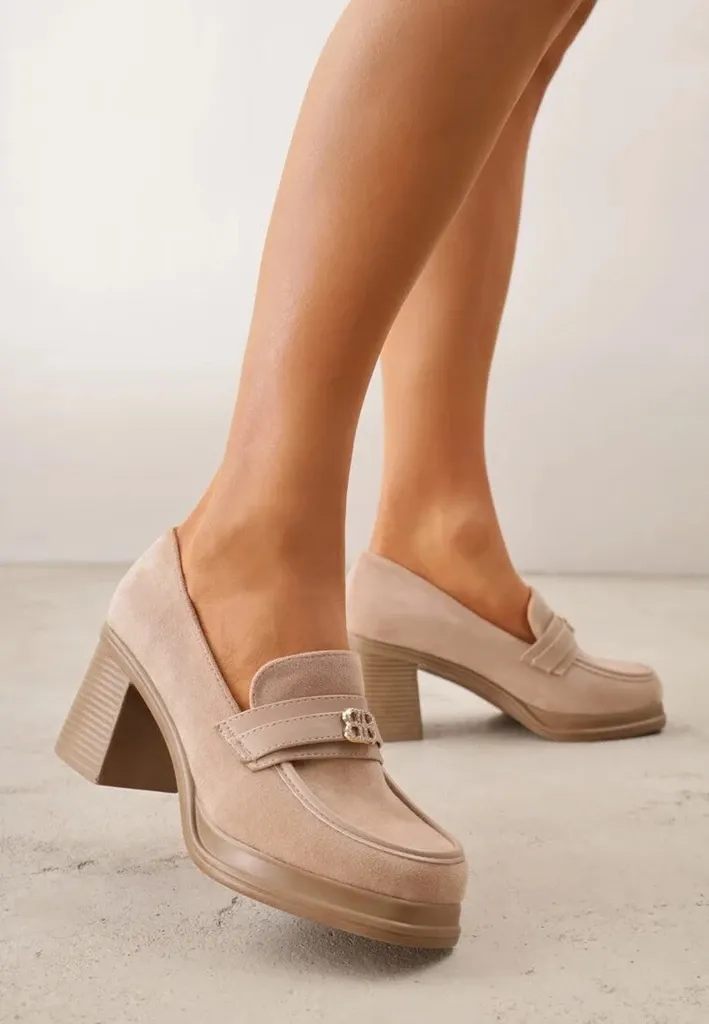 Photo: renee.pl
Why does the shape of the toe cap matter for foot health?
Choosing the right footwear is a decision that directly impacts overall health. We often focus solely on cushioning, forgetting that the toe box is just as important as the sole. Wide, round, or square toe caps provide toes with necessary space, effectively protecting against painful deformities. If you're looking for a balance between style and comfort, opt for an almond-shaped toe, which elongates the foot without causing pressure. Properly selected shoe profile offers several benefits for your feet:
• effective protection against painful bunions,
• elimination of uncomfortable nerve compression in the midfoot,
• prevention of hard corns,
• maintaining a natural and straight toe alignment,
• improved overall posture stability,
• free blood flow preventing numbness.
Ample internal space allows the foot to move naturally, which is crucial during long hours of activity or standing work. Choosing comfortable shoe profiles is an investment in prevention and daily comfort.
What heel height and type guarantee stability throughout the day?
Finding the perfect footwear balances sophisticated style with foot health. Experts suggest that the optimal heel height ranges from 3 to 5 cm, although office dress codes may permit models up to 6 cm. When selecting a pair, consider stable heels, block heels, or platform shoes, which provide much better support for the heel than classic stilettos. Vintage-style enthusiasts can also opt for low kitten heels, combining comfort with unique design. Investing in properly shaped shoes offers tangible benefits for the entire body:
• even distribution of body weight between the midfoot and heel,
• minimized excessive tension in the Achilles tendon,
• increased ankle stability, protecting against painful injuries,
• support for maintaining a natural and healthy spinal curve,
• noticeable reduction of leg fatigue even after many hours of activity.
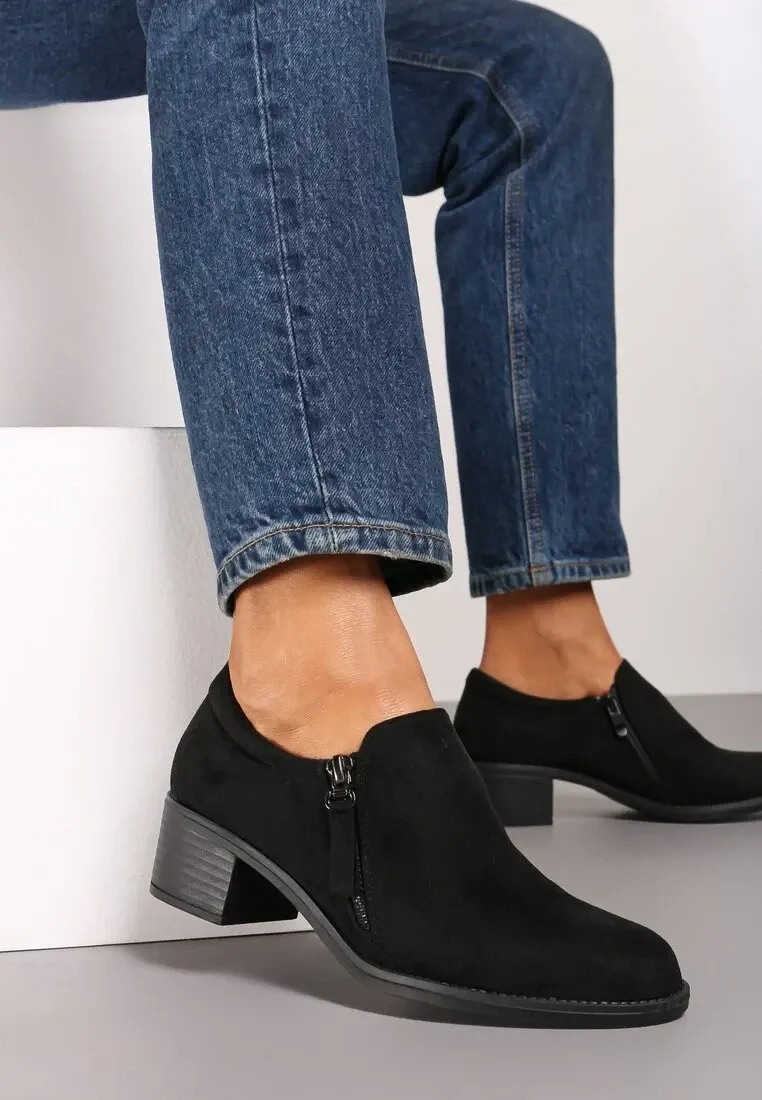 Photo: renee.pl
How to match women's loafers to office dress code?
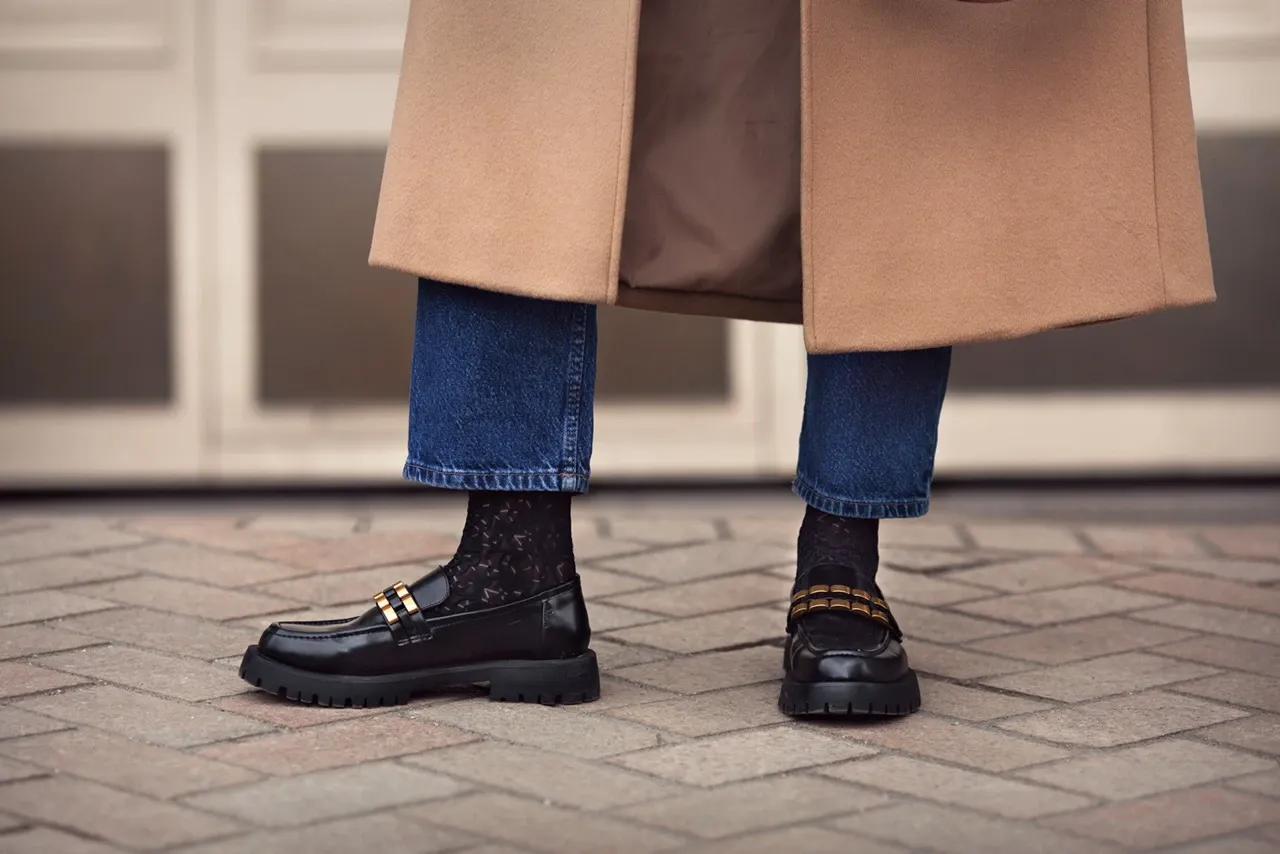
Proper footwear matching the office dress code is the foundation of a professional image. In a demanding Business Professional environment, classic models work best. Choosing elegant women's loafers in subdued colors such as black, navy, or beige ensures a cohesive style. If your work allows for a smart casual look, you can opt for oxfords or minimalist sneakers. The ideal office shoes should feature the following characteristics:- covered toes,
- subdued color palette,
- high-quality materials,
- impeccable cleanliness,
- fit to the cut of the trousers,
- comfort of wear.
A thoughtful choice of accessories builds authority and helps gain customer trust. Regardless of the style, attention to detail remains key – shoe cleanliness is fundamental; without it, no business outfit can be successful.
Moccasins, loafers, or ballet flats – which models work best?
The perfect work footwear is a balance between a professional appearance and your unique style. Properly selected shoes not only complement your outfit but also ensure your comfort for many hours. Depending on your needs, you can choose:
- classic ballet flats that instantly highlight elegance,
- leather moccasins combining chic with everyday comfort,
- elegant loafers as a great alternative to heels,
- subtle ballet flats suitable for light, feminine outfits,
- sturdy, laced loafers providing a secure step.
Each of these styles allows you to maintain impeccable appearance. The key to success is high-quality materials, such as genuine leather, which reduces foot fatigue. This way, you gain maximum comfort and convenience from the first to the last hour of an intense day at the office.
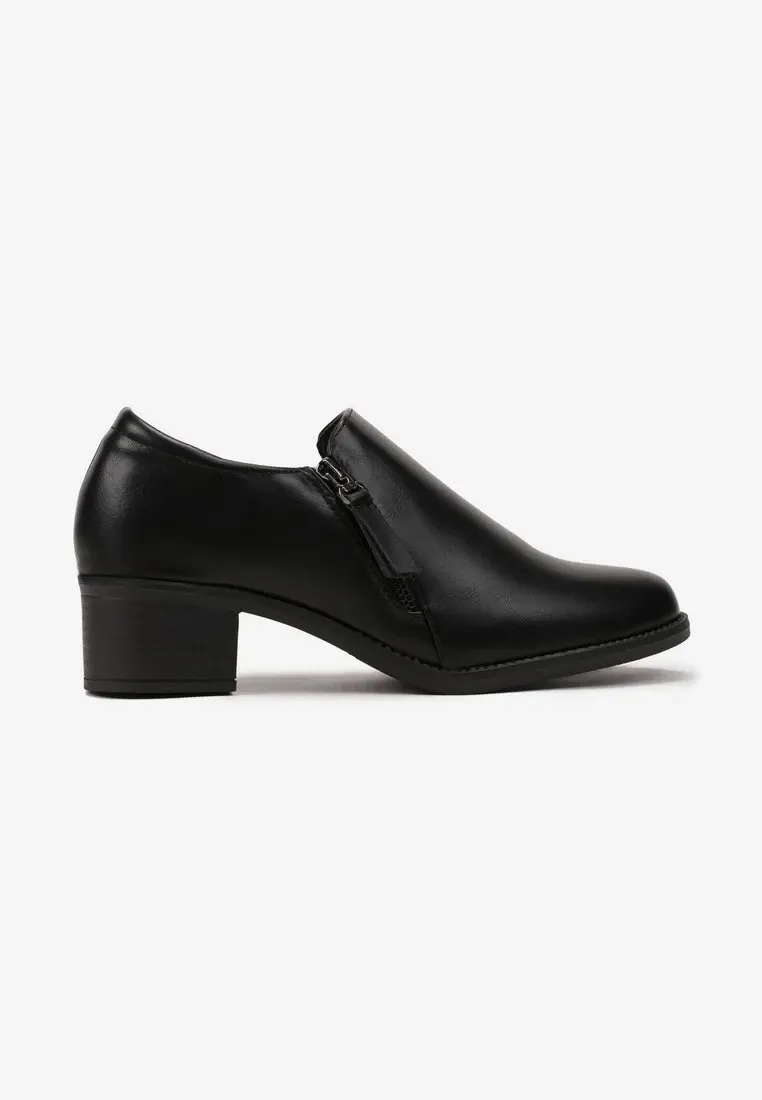 photo. renee.pl
How does poorly chosen footwear affect the spine and joints?
Wearing inappropriate shoes is much more than temporary discomfort – it’s a direct path to serious problems with the spine and joints. Lack of proper cushioning causes every impact on hard surfaces to strain your hips and knees. Particularly dangerous are fashionable, flat styles with thin soles, which can lead to painful plantar fasciitis. Choosing ergonomic models is an investment in your daily well-being and health. Modern prophylactic footwear offers key benefits:
- contoured insole supporting the natural arch of the foot,
- rigid heel counter stabilizing the heel,
- flexible sole absorbing shocks,
- reduction of back muscle tension,
- prevention of fatigue during walking.
Studies confirm that properly selected footwear makes even long hours of standing work manageable for the body. Take care of your joints now by choosing wisely what you wear every day.
Sponsored article