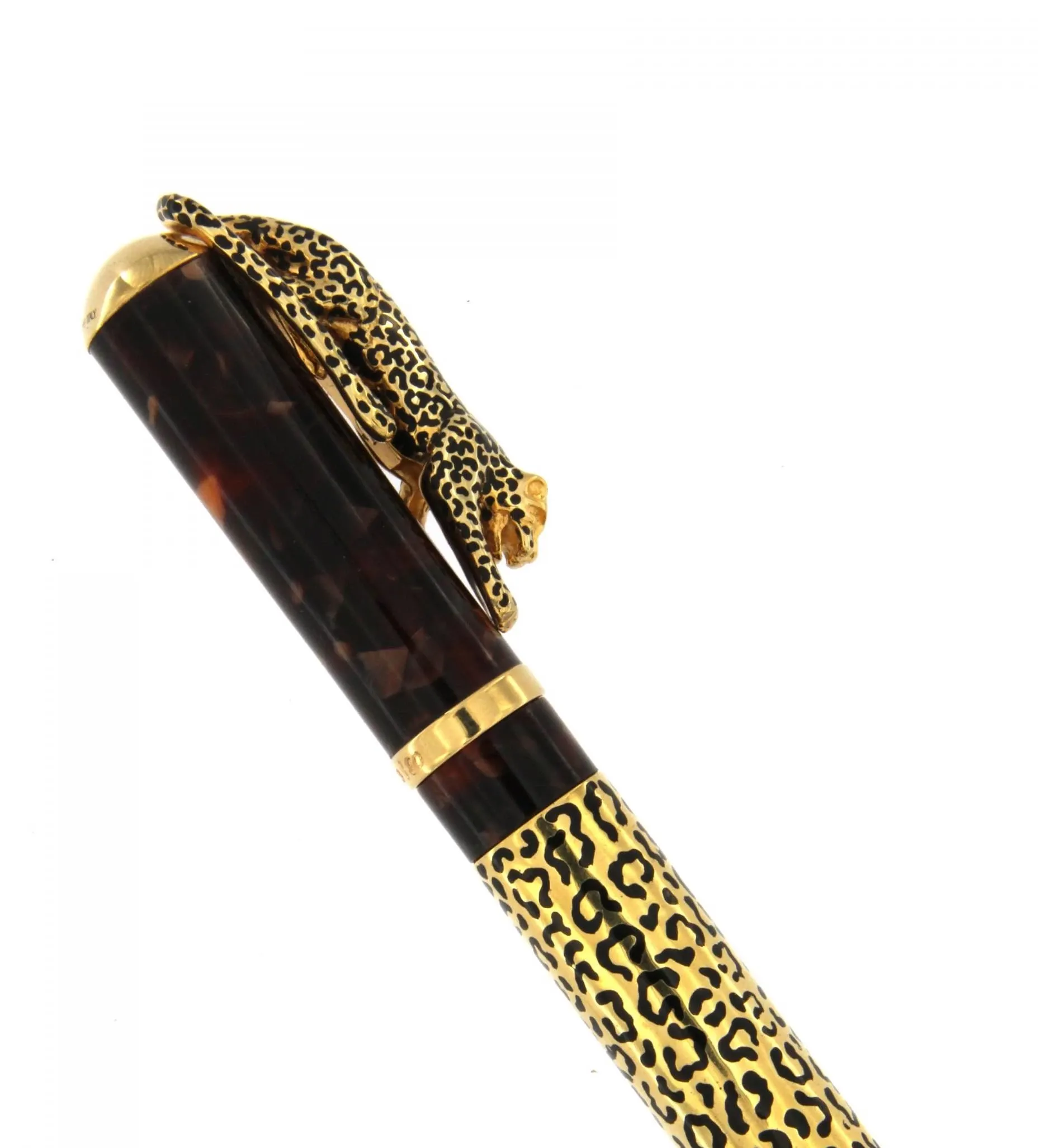
Nowadays, we have become so accustomed to using pens that last until the ink runs out and can be easily discarded and replaced with store-bought equivalents, that we forget how much time and patience our ancestors needed for writing.
Whether it was necessary to prepare a private letter or financial statements, an individual with impeccable handwriting style and access to the right tool was essential — namely, a fountain pen. In today’s article, we will take a closer look at this seemingly modest object and explore its history. Let’s get started!
The history of fountain pens - simple beginnings
According to historical legends and specialized articles related to the art of calligraphy, the development of a tool that can now be called the precursor to the ballpoint pen is attributed to Nicolas Bion.

Already in 1707, he created an invention that allowed writing for extended periods without the need to dip the pen into an inkwell, as was still common until recently. However, as one might easily guess, it was only a prototype, characterized by numerous flaws and imperfections.
For several decades, Bion’s project was continuously refined, which eventually led to the mass production of fountain pens, a process initiated by Samuel Harrison in 1822.
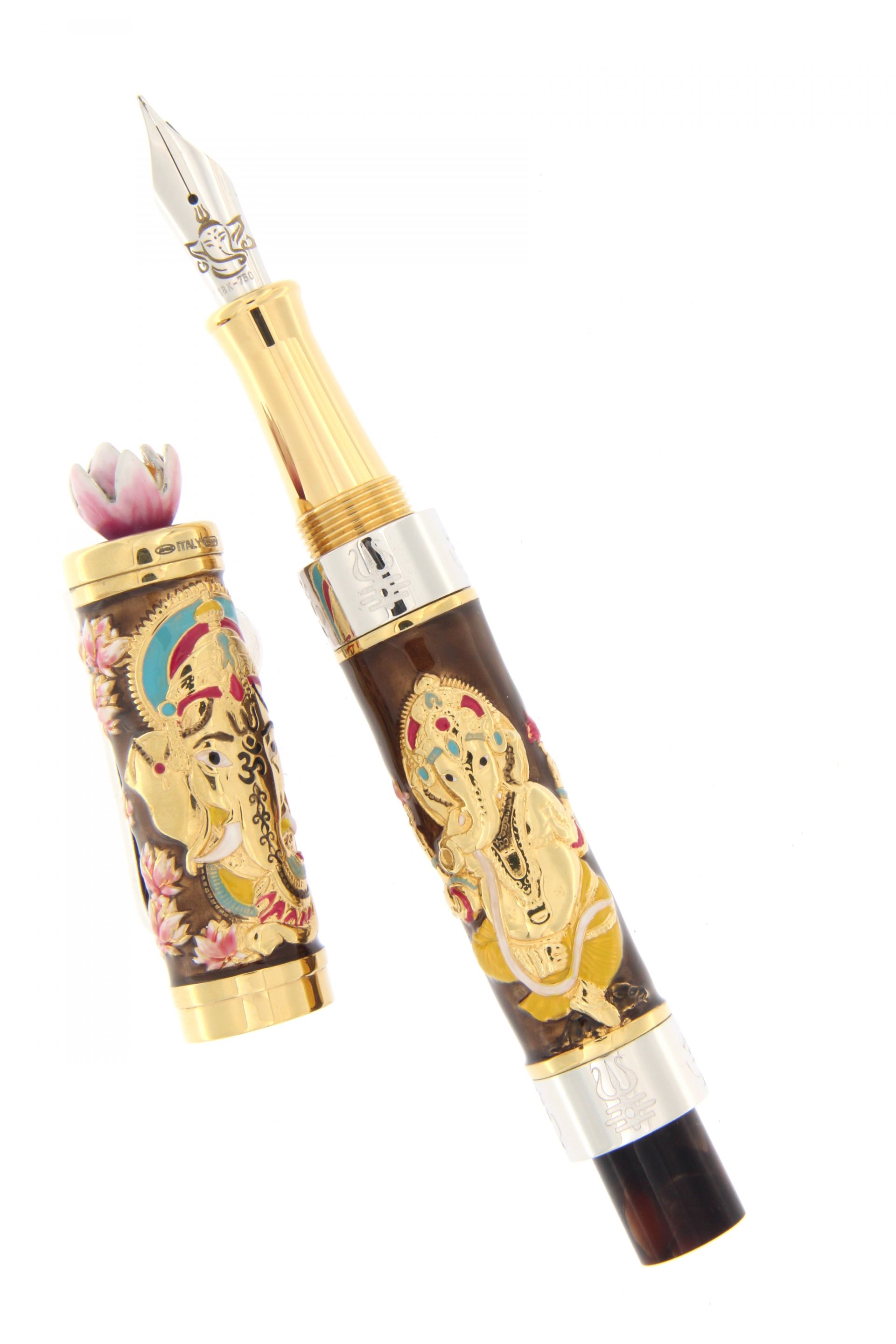
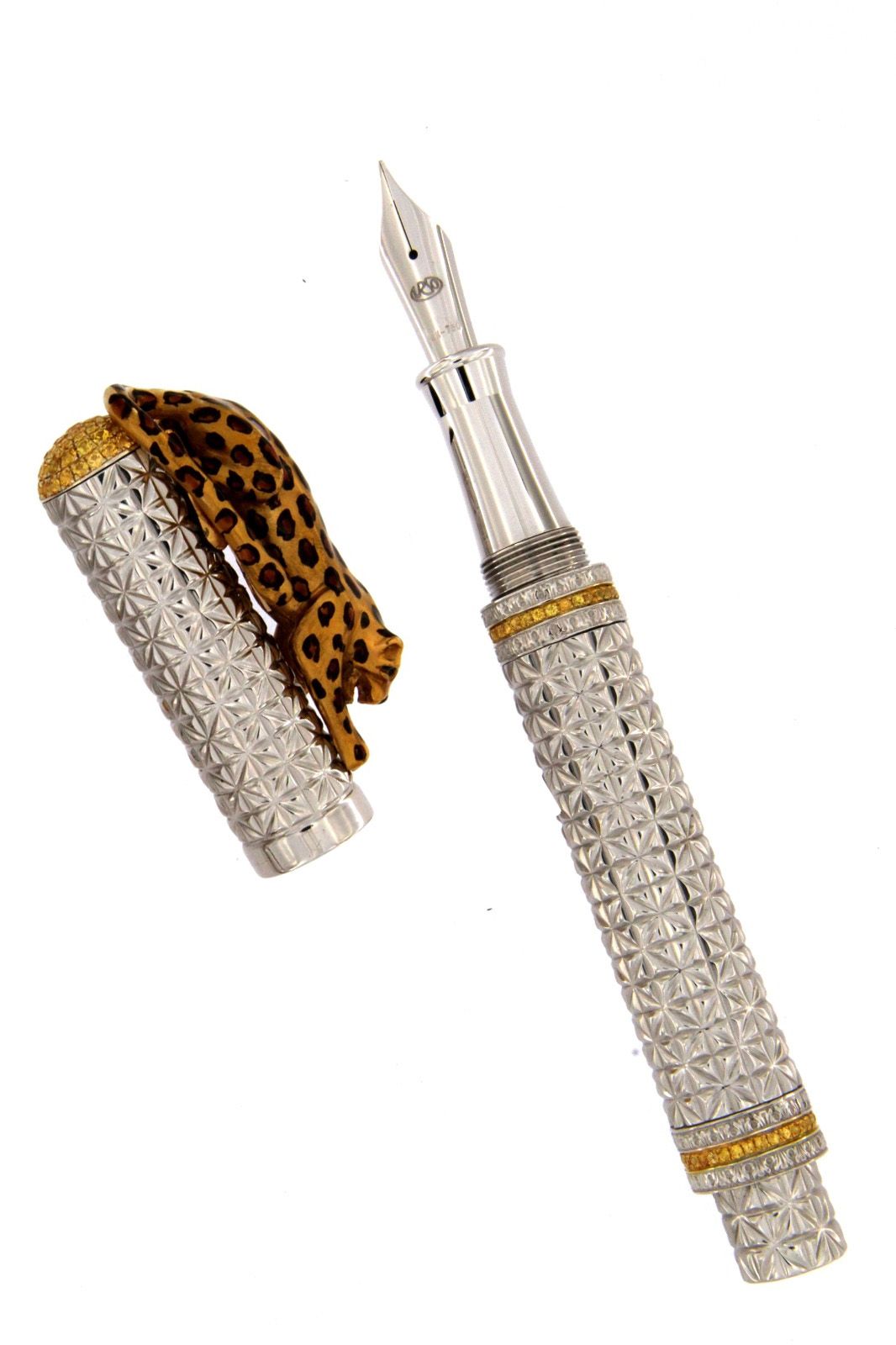
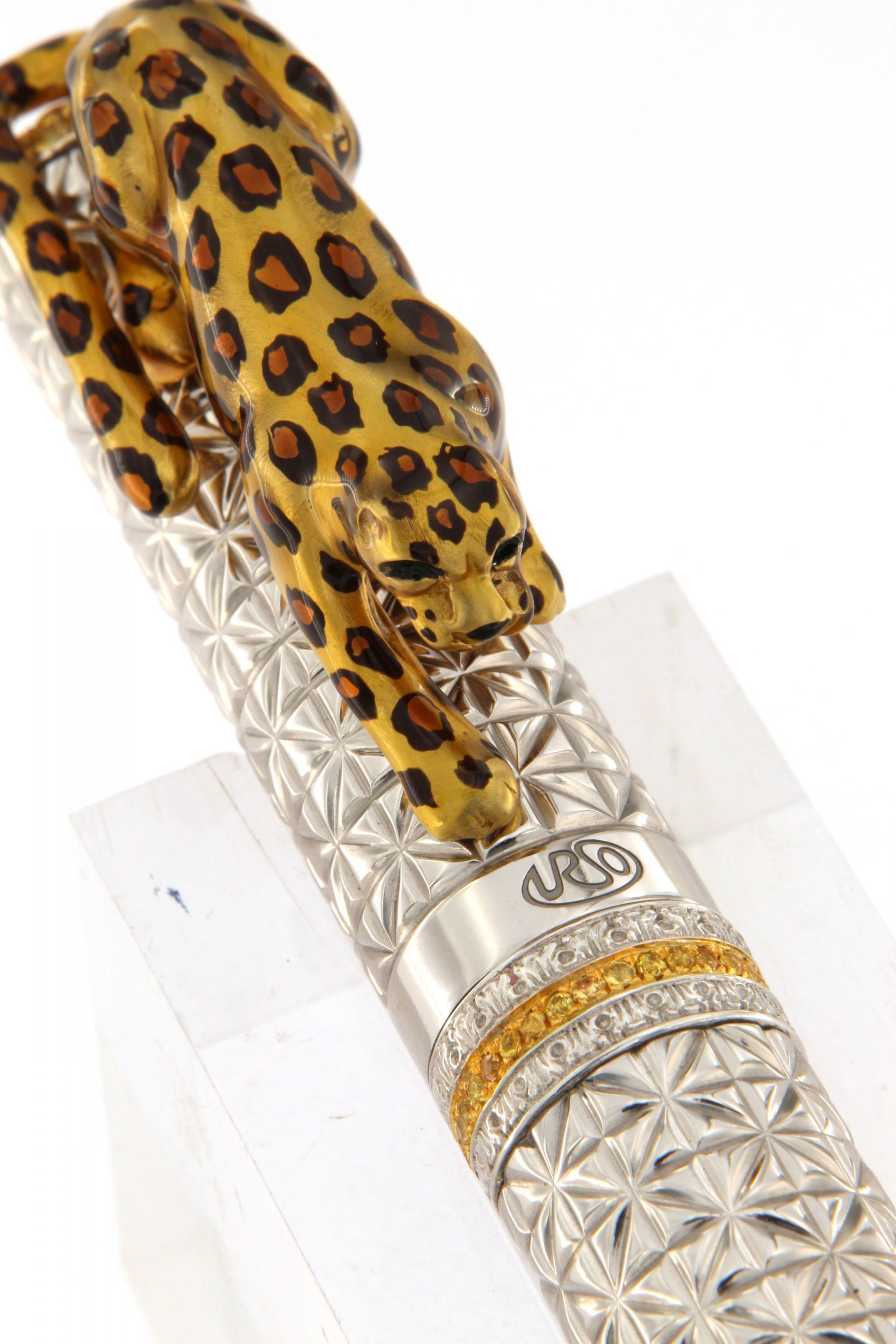
Although initially met with some skepticism — considered more of a gadget for the wealthy that would not be suitable for typical household use — over time, its possibilities were recognized. The reduction in ink costs, which had been a concern until recently, was appreciated, and increasingly exquisite and artistic designs prepared by manufactories for those able to afford such a significant and fully personalized product began to attract admiration.
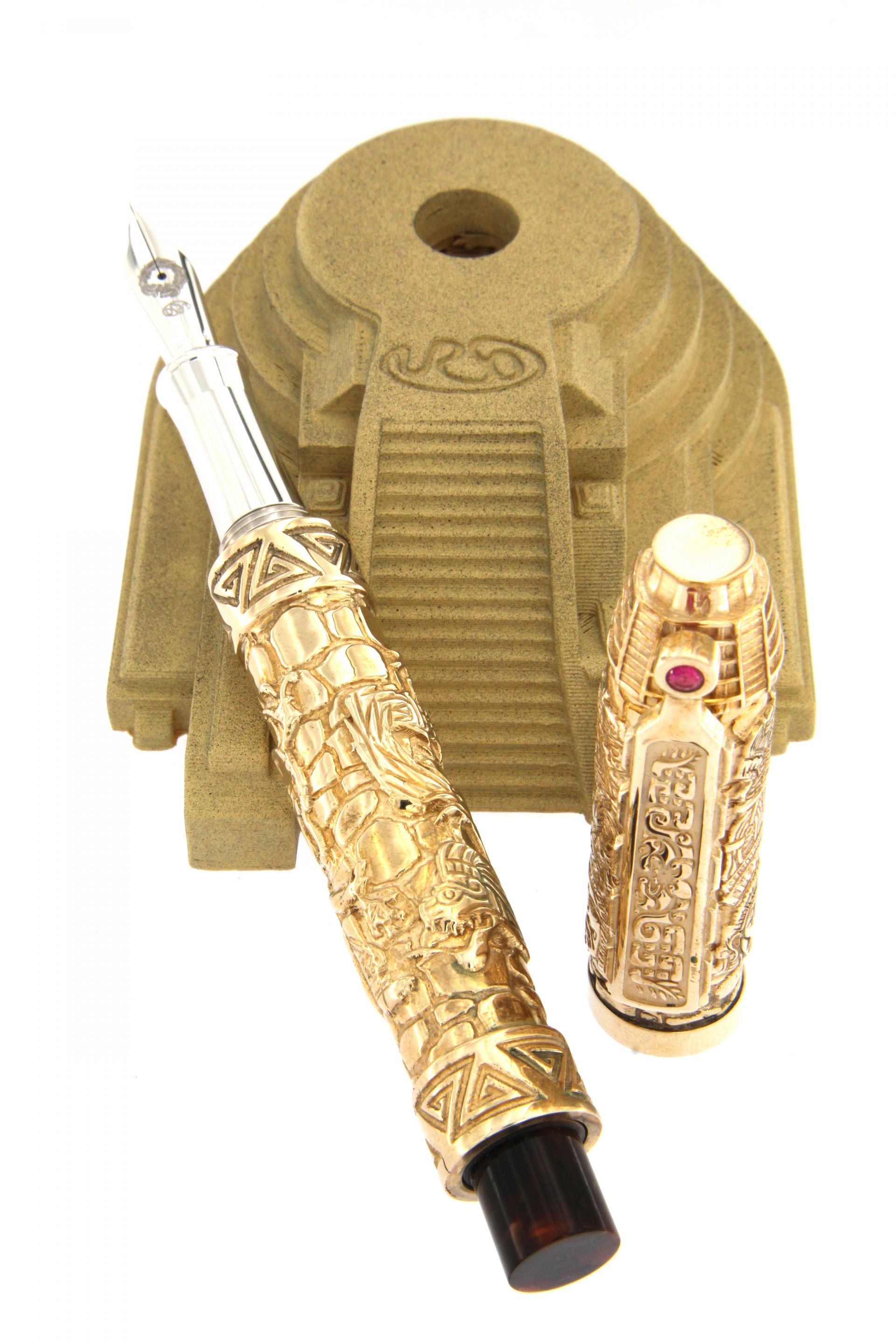
What is particularly interesting is that the rising demand encouraged experts in the writing industry to develop new technological solutions that would increase the durability of the pen while making it more resistant to mechanical damage and external factors. An important date from this perspective is undoubtedly 1884, when L. E.
Waterman developed a canal system for delivering ink to the nib, which prevented unsightly blotches and smudges on paper (which, in the case of high-value documents, required re-creation) and regulated the flow of ink, making a single refill of the precursor to the modern ballpoint pen last much longer.
The union of beauty and technology
Significant milestones also include the years 1839 and 1870, when modern, durable, and elegant materials serving as the basis for fountain pen bodies were developed. Ebonite was first introduced to consumers, and thirty-one years later — celluloid. The next steps, beyond increasing the efficiency of the basic product (thanks primarily to Parker), involved starting to produce fountain pens that would not only be functional items but also works of art that attract the attention of friends, colleagues, or family members.
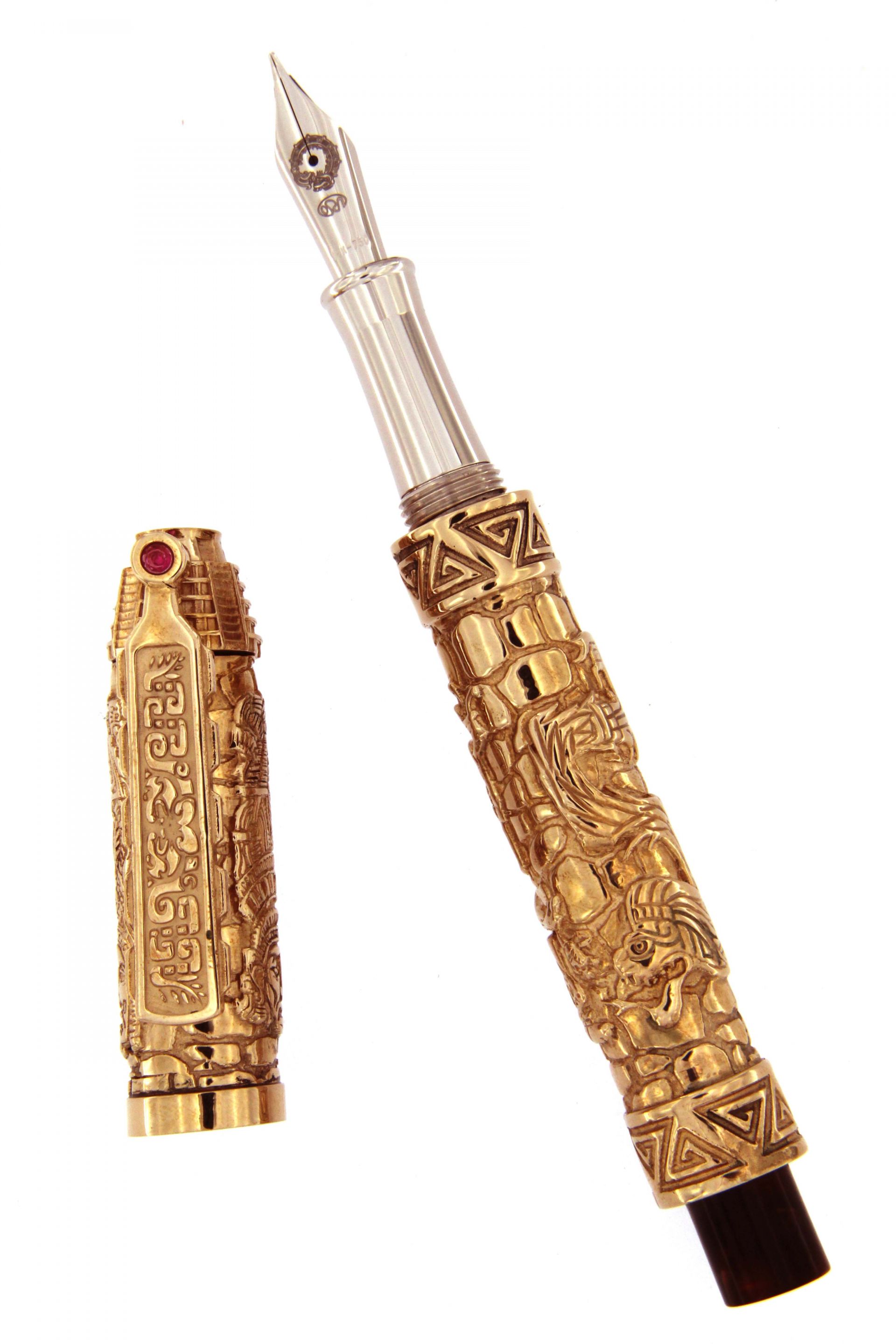
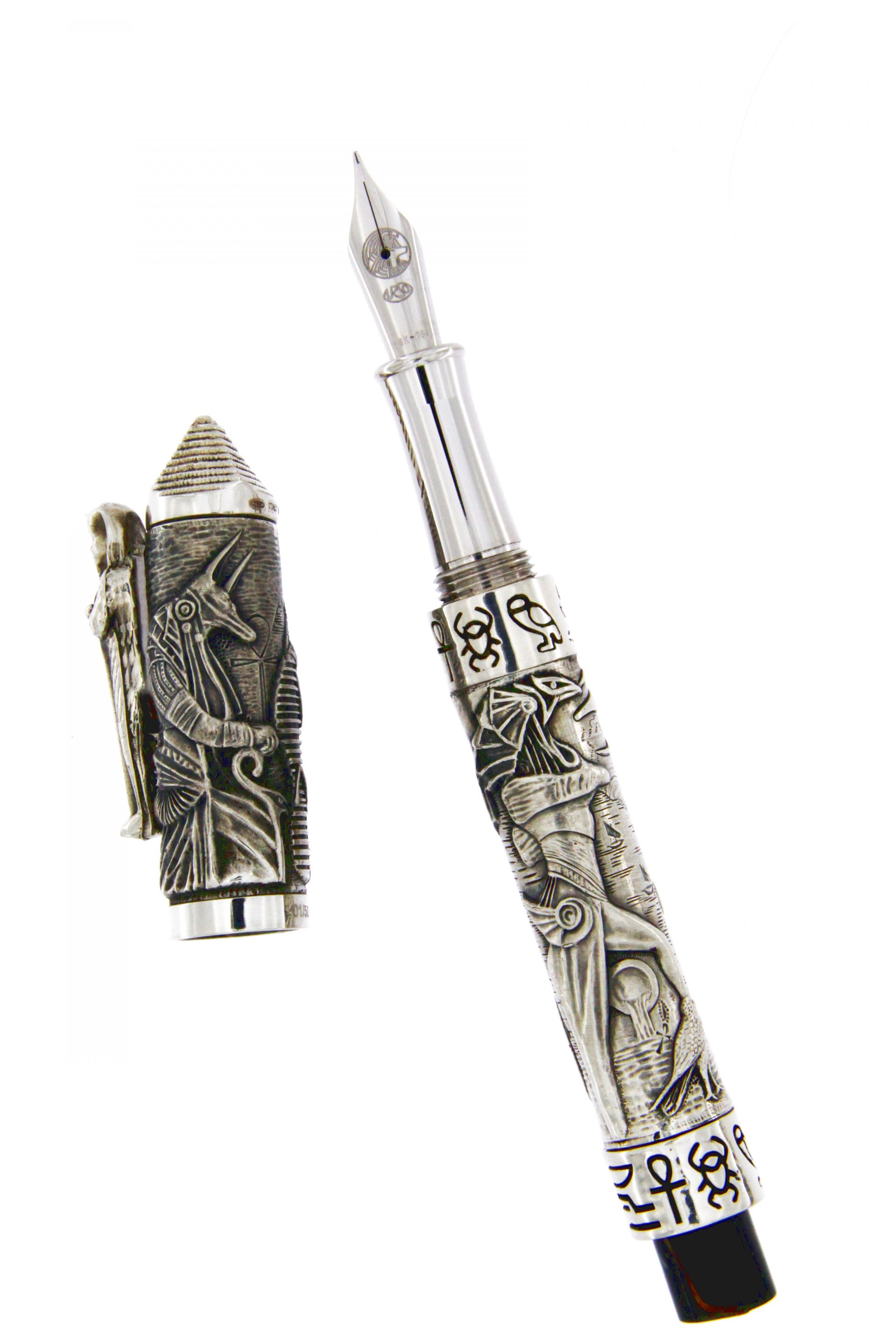
Today, pens are still created exclusively for collectors and the wealthiest consumers – for the price of some of them, one could buy a high-end car or a jewelry set. The subject of our today's post has come a long way from a simple tool replacing the traditionally used pen and ink bottle to a symbol of status that only the richest can afford. It must be admitted that although writing with a modern pen might be more comfortable, simpler, and more economical, using a top-tier fountain pen makes the process a unique experience that, although it takes a little time, provides great satisfaction!
Looking for an exclusive fountain pen? Contact us - biuro@luxuryproducts.pl