Do you know how to recognize good porcelain and how it differs from regular ceramics? Contrary to appearances, the differences are not always visible at first glance, so it's worth knowing the basic features that indicate quality. Proper identification helps avoid purchasing low-quality products and allows you to choose porcelain that will last for years. Key elements include the glaze, craftsmanship precision, and the manufacturer's signature on the bottom. Surprisingly, recognizing quality is not reserved only for experts. You just need to know what to look for to distinguish high-quality porcelain from lower-quality items.
How to Recognize Good Porcelain? - How to Verify Authenticity
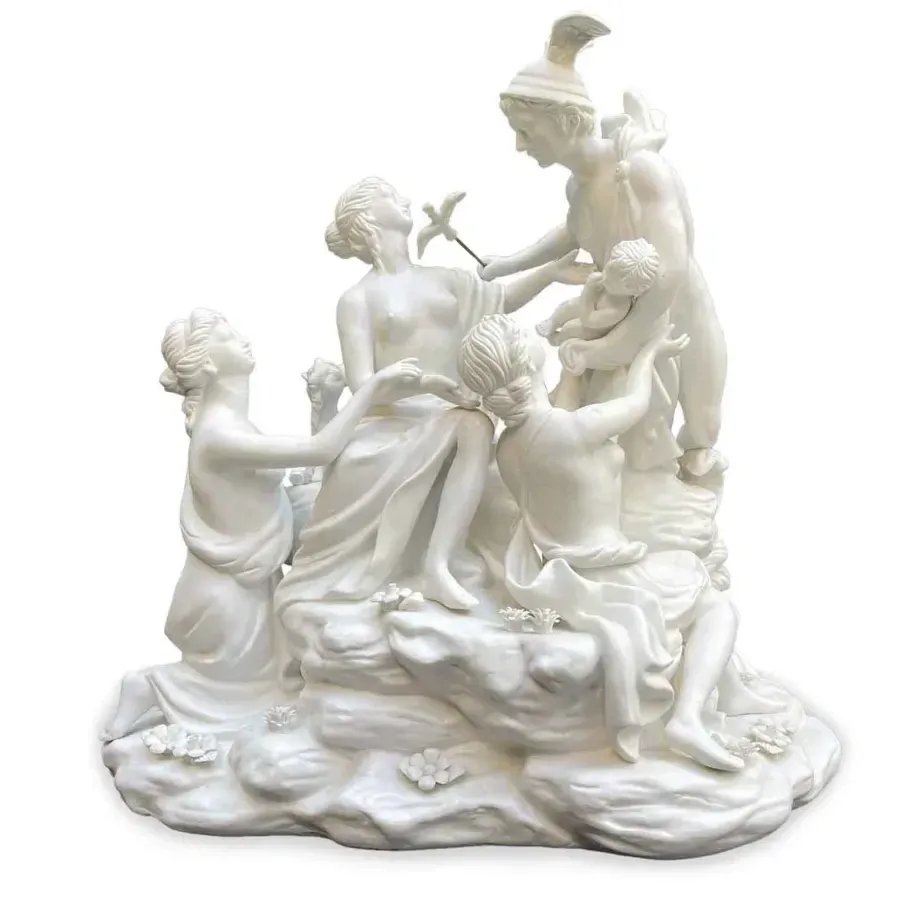
To identify quality porcelain, you should primarily examine its texture, finish, and details. The key raw material is kaolin clay, which gives porcelain its characteristic white color and exceptional durability. During production, the mass is fired at temperatures above 1200 degrees Celsius, making the material harder and more resistant than standard ceramics. High-quality craftsmanship is especially visible in smaller decorative forms, such as porcelain figurine.
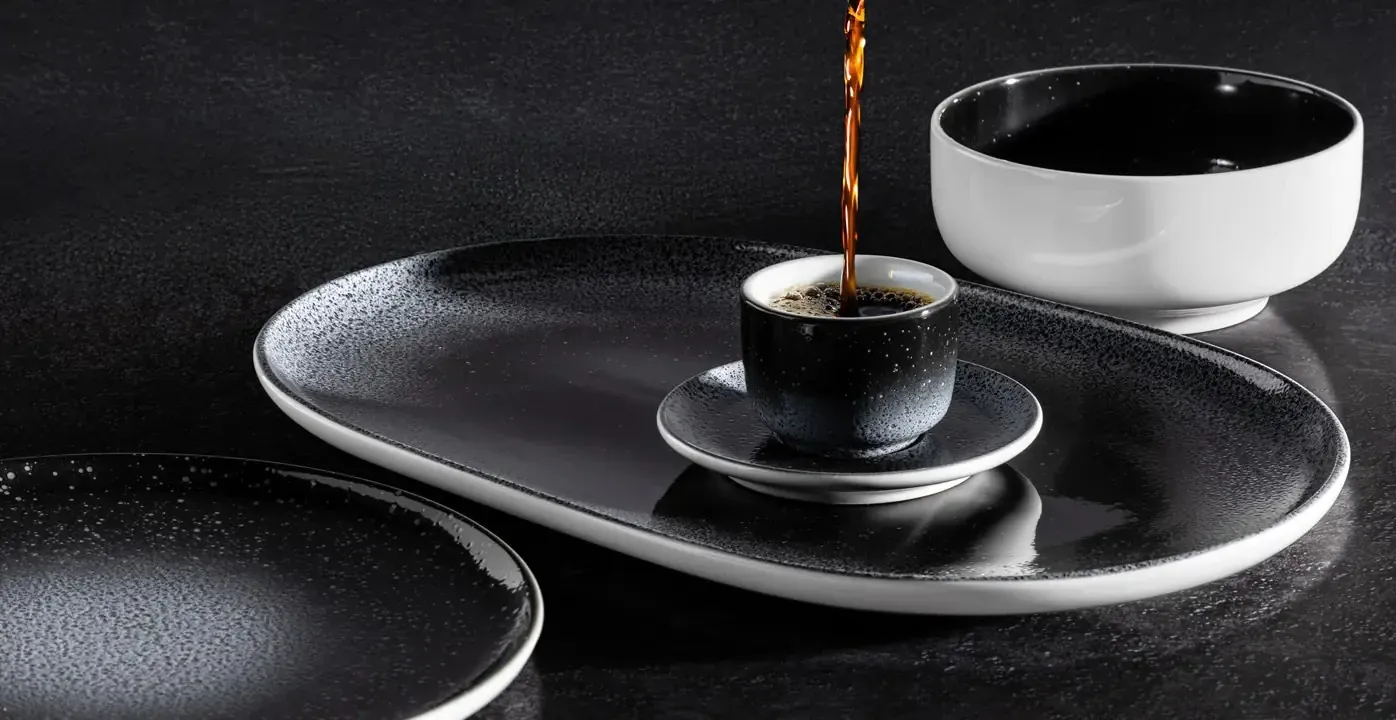
Light test: One of the simplest methods to assess quality is the light test. If a porcelain item – for example, a cup – gently transmits light, it indicates that it has a thin but durable structure. This is a sign that the porcelain is of high quality.
Glaze and surface: The next element is the glaze. It should be perfectly smooth, uniform, and free of any defects. Any scratches, discolorations, or unevenness may indicate a lower quality product. High-quality porcelain has a glaze that is resistant to scratches.
Manufacturer's signature: The bottom of the vessel is also very important. This is where the manufacturer's signature is located, allowing you to verify the authenticity of the item. On the bottom of a plate or object, you can find markings indicating the manufactory, country of origin, and sometimes even the date of production. Manufacturer signatures are a key element in distinguishing genuine porcelain from imitations.
Which porcelain is the most valuable?
The most valuable porcelain is that which stands out with its history and unique design. Collector’s porcelain, especially from renowned manufactories, can reach very high prices. For collectors, authenticity, condition, and rarity are crucial factors. It’s also worth remembering that porcelain is appreciated not only for its market value but also for sentimental reasons – especially when it serves as a special gift for loved ones or holds personal significance.
What affects the value of porcelain?
The value is also influenced by the quality of the porcelain and the precision of craftsmanship. Hand-decorated items, painted or gilded, are much more valued than mass-produced products. Such items have high aesthetic value and are often regarded as works of functional art.
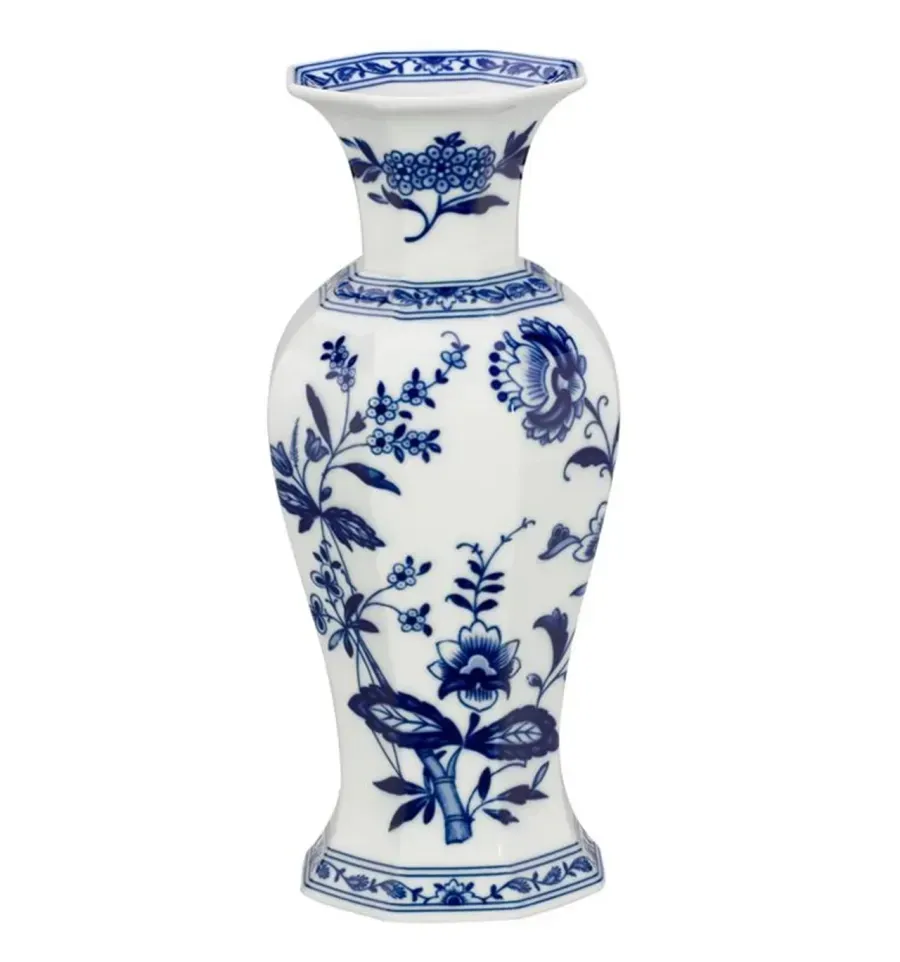
It’s worth mentioning Polish brands such as Ćmielów and Chodzież. Polish porcelain is highly regarded worldwide, and brands like Ćmielów exemplify a blend of tradition and modern design. Products from these companies are sought after both by connoisseurs and by those looking to purchase an elegant set for everyday use.
The most expensive porcelain is often an antique – items with a history that have been preserved in excellent condition. Such pieces can be found at auctions or antique shops, where their prices can be truly impressive. Increasingly popular are also porcelain figurines, which serve as interesting collectibles for enthusiasts.
Most renowned porcelain brands
Choosing the right brand is crucial if you want to purchase high-quality porcelain. Renowned manufacturers have been setting standards for years, ensuring durability, precision, and exceptional aesthetics of their products. Brand reputation often determines the value of porcelain – both functional and collectible. Among decorative elements that complement a classic table setting, it’s worth paying attention to such accessories as porcelain figurine or ceramic artwork.
Leander
Weiman
Seltmann Weiden
Vista Alegre
Leander
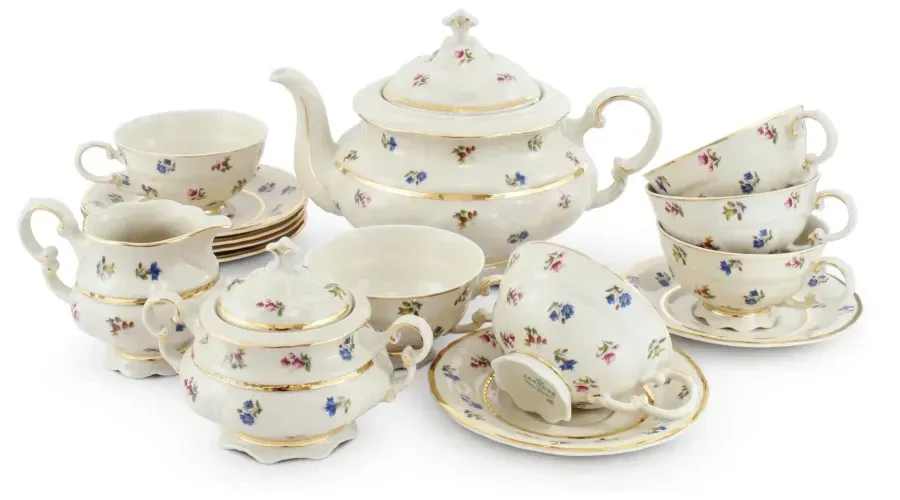
Leander is a Czech manufacturer known for producing luxurious porcelainware. Their tableware features rich decorations, often inspired by classical and baroque styles. The porcelain from this brand is frequently adorned with gilding and vibrant patterns, giving it a distinctive character. Leander products are fired at high temperatures, ensuring durability. This brand is for those who value elegance and decorative appeal.
Weimar
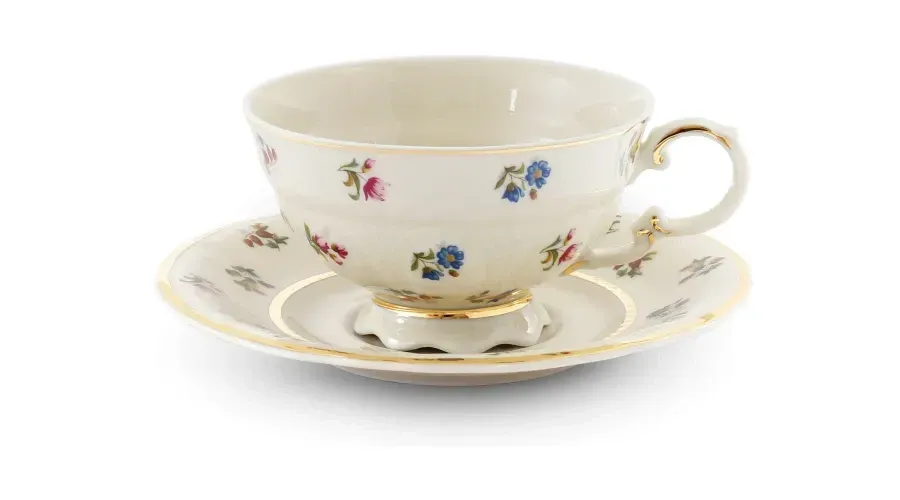
Weimar is a German brand that has long been associated with elegance. Their porcelain is characterized by delicate patterns and high craftsmanship. It’s an ideal choice for those seeking classic solutions for their tableware. The products are appreciated by collectors and often included in collections as collectible porcelain.
Seltmann Weiden
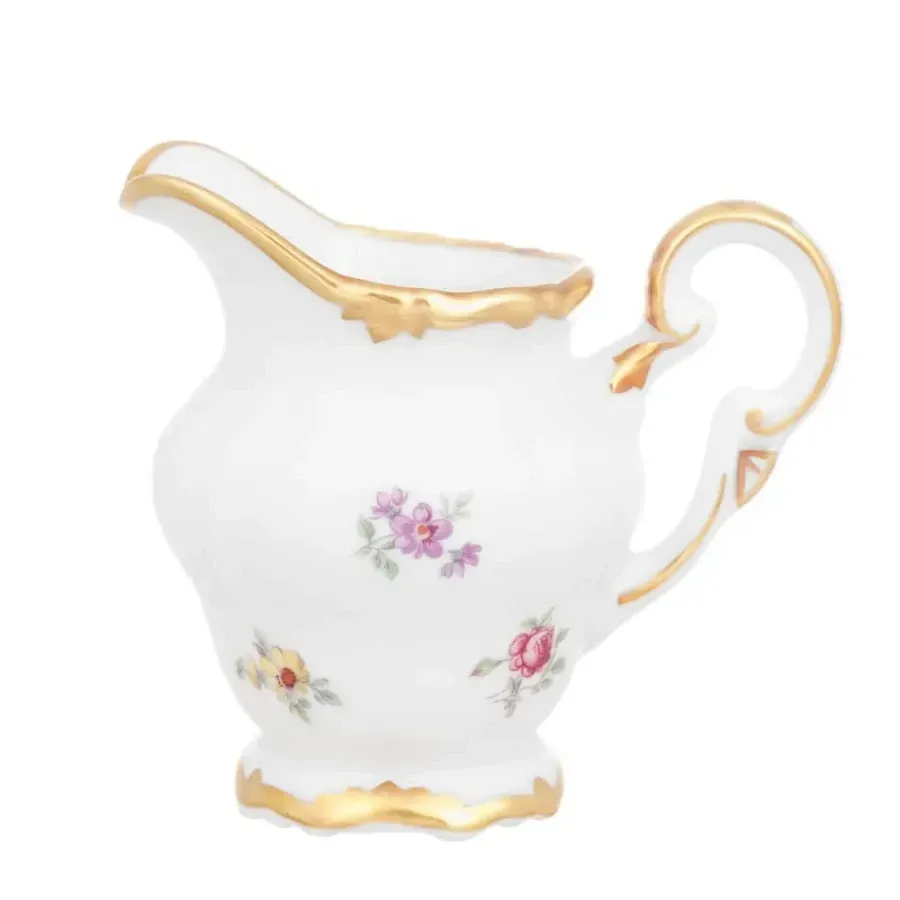
Seltmann Weiden is a renowned German company that produces top-quality porcelain. Their products combine modern design with durability and functionality. The porcelain is resistant to damage, and many items are dishwasher safe. It’s a good choice for those looking for a blend of aesthetics and practicality. Practical tableware elements, such as fruit bowls made of porcelain, which combine aesthetics with functionality, are particularly popular.
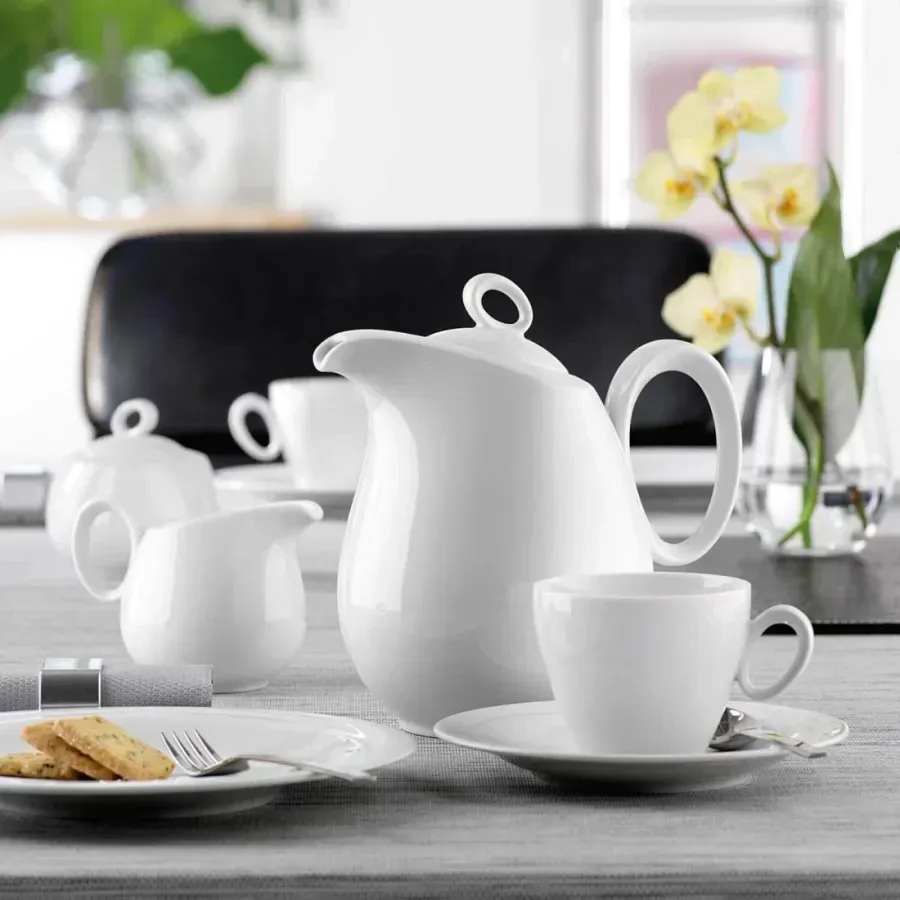
Vista Alegre
Vista Alegre is a Portuguese brand renowned for its exceptional design and high-quality craftsmanship. Their products often adorn tables worldwide – from private homes to luxury restaurants.
The company collaborates with artists and designers to create unique collections with high aesthetic value. This type of porcelain also works perfectly as an elegant gift for a head chef, especially if you want to combine design and practical use.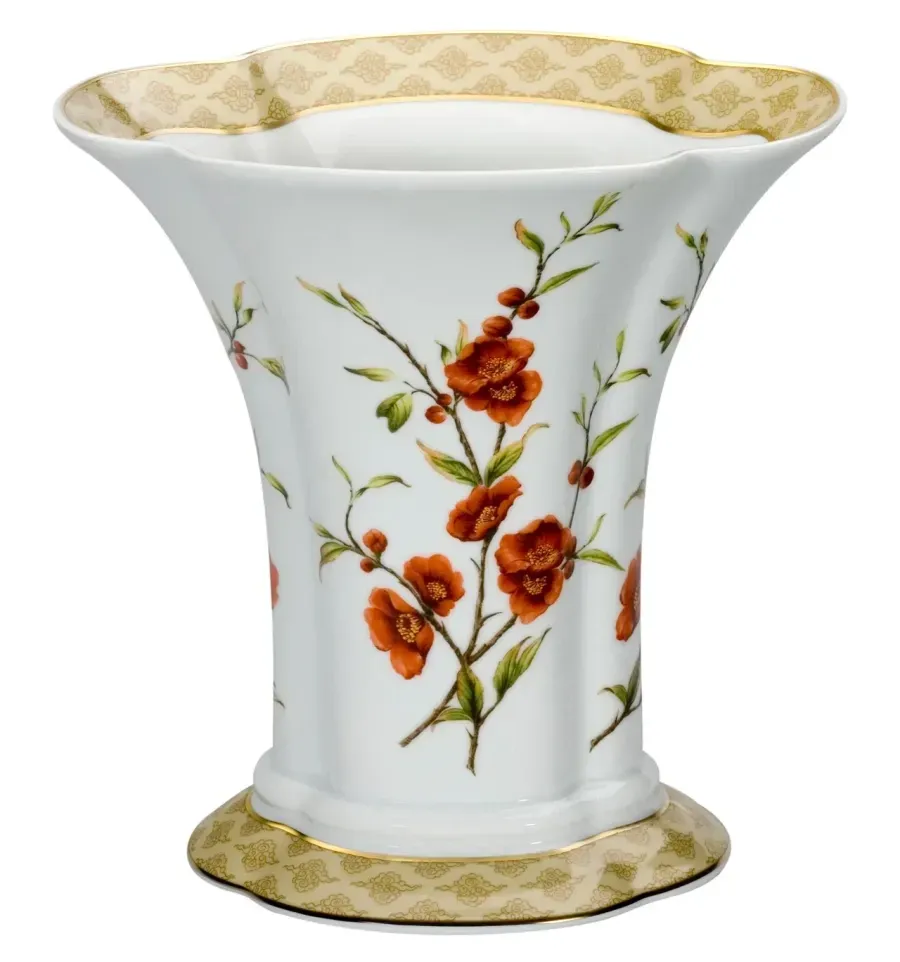
How to care for porcelain so it doesn’t lose its value?
Proper care of porcelain is essential if we want to preserve its beauty and value. First and foremost, avoid sudden temperature changes, which can cause microcracks. This applies not only to tableware but also to decorative items such as porcelain doll, which are particularly sensitive to damage.
Washing method: Pay attention to how you wash. Although some modern products are dishwasher safe, more valuable and decorated items are better cleaned by hand. Gentle detergents and a soft sponge will help keep the glaze in perfect condition and prevent dulling. It’s also advisable to avoid abrasive cleaning agents, which can cause tiny scratches.
Proper storage: Proper storage of porcelain is also important. Tableware pieces should be separated with soft padding or arranged in a way that they do not touch directly. This helps prevent mechanical damage that often occurs during everyday use.
Checking the condition of the items: Regularly inspecting the condition of the items, especially the underside, allows for quick detection of any damage or signs of wear. Attention to detail ensures that porcelain retains its value and can be passed down through generations.
Where to buy high-quality porcelain?
The best choice is trusted sellers and reputable manufacturers who have specialized in porcelain production for years. This guarantees that you are purchasing a product made with attention to every detail and meeting high quality standards.
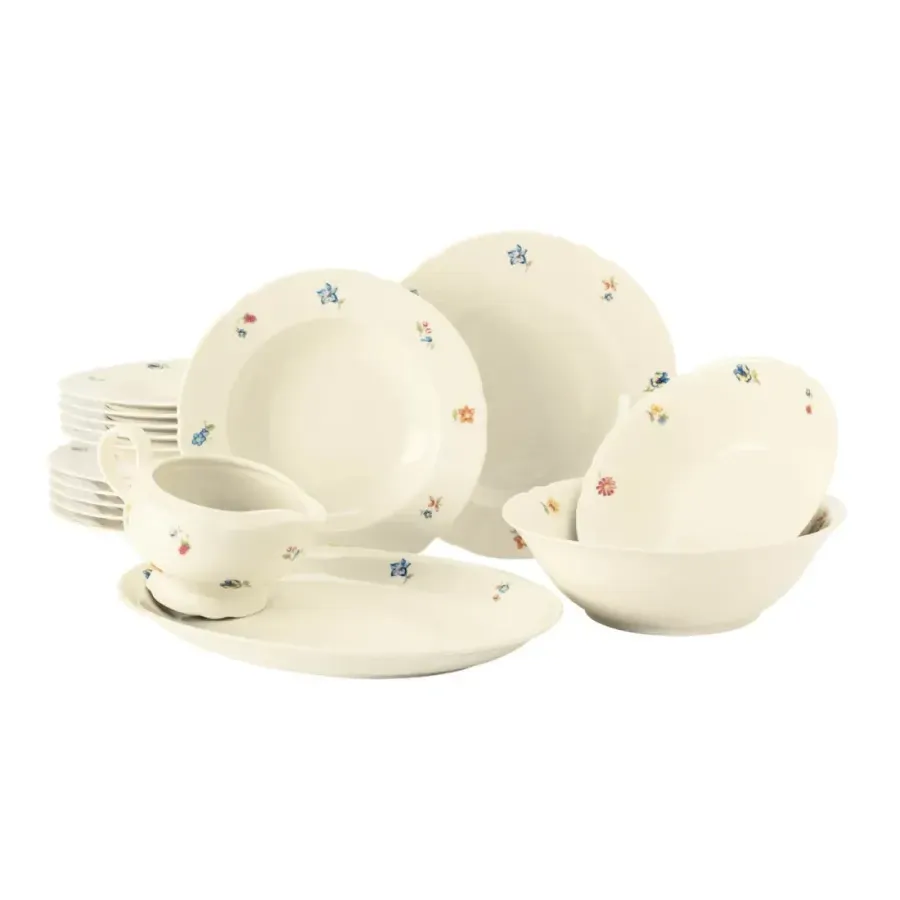
Pay attention to the manufacturer’s markings on the bottom, which confirm the origin and authenticity of the item. This is especially important for more expensive sets or individual pieces with a collector’s character. Purchasing from authorized stores or directly from the manufacturer minimizes the risk of buying counterfeit items. Unique pieces can also be found at auctions and antique shops. These are the places where you can find real gems—items with history that have both functional and collector’s value.
Porcelain is often chosen as a gift—if you’re wondering about what makes a good wedding gift, an elegant dinnerware set or porcelain decorative element will be a timeless choice.
Porcelain is a unique material – more delicate than many others, yet extremely durable. To recognize good porcelain, pay attention to its smooth surface, glaze, signature, and craftsmanship.
The best porcelain combines precision, elegance, and history. Whether you're a collector or simply want to enrich your tableware, it's worth investing in authentic products that will delight the eye for many years – also in the form of special accessories, such as decorative porcelain art, which can emphasize the character of the interior or serve as an original design element.