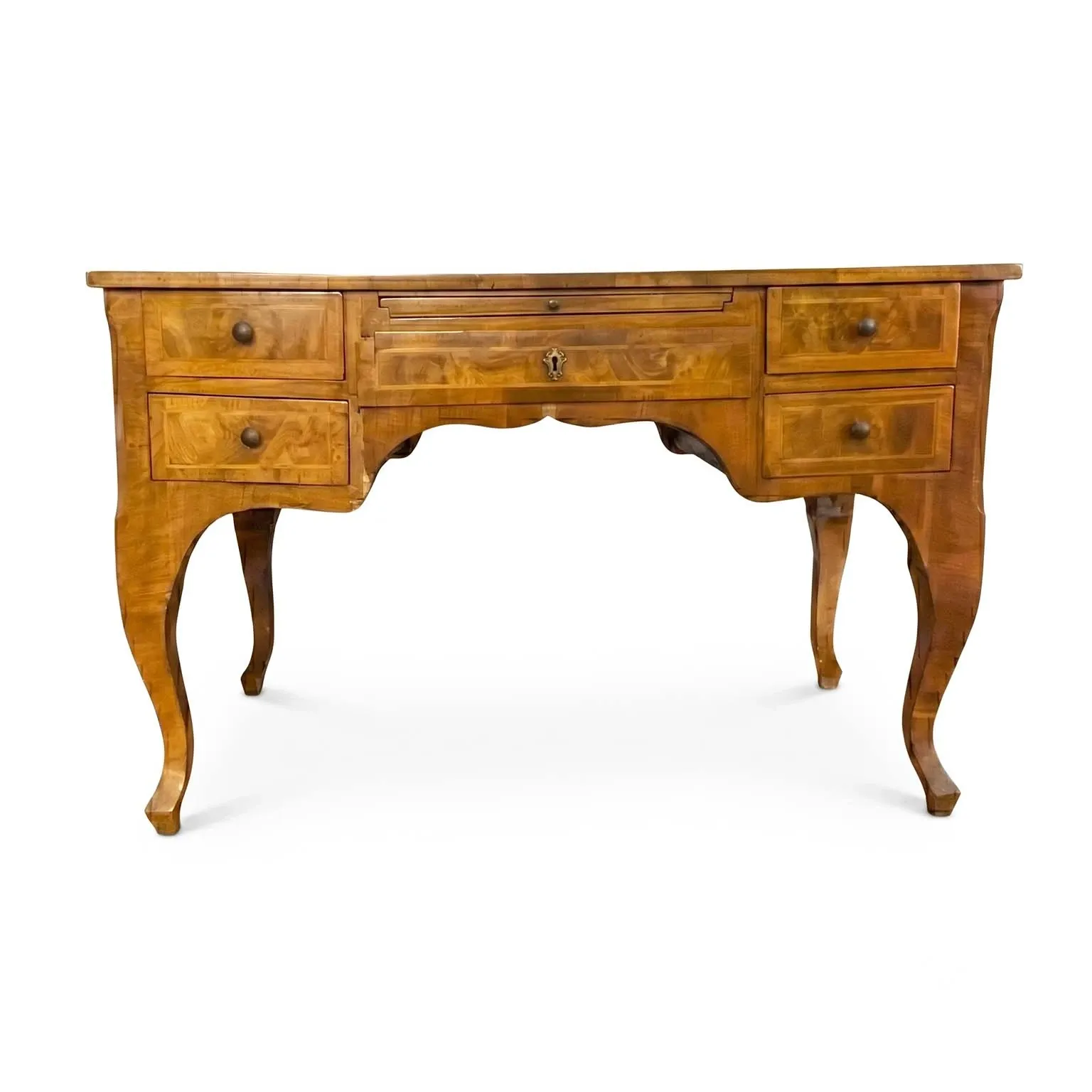

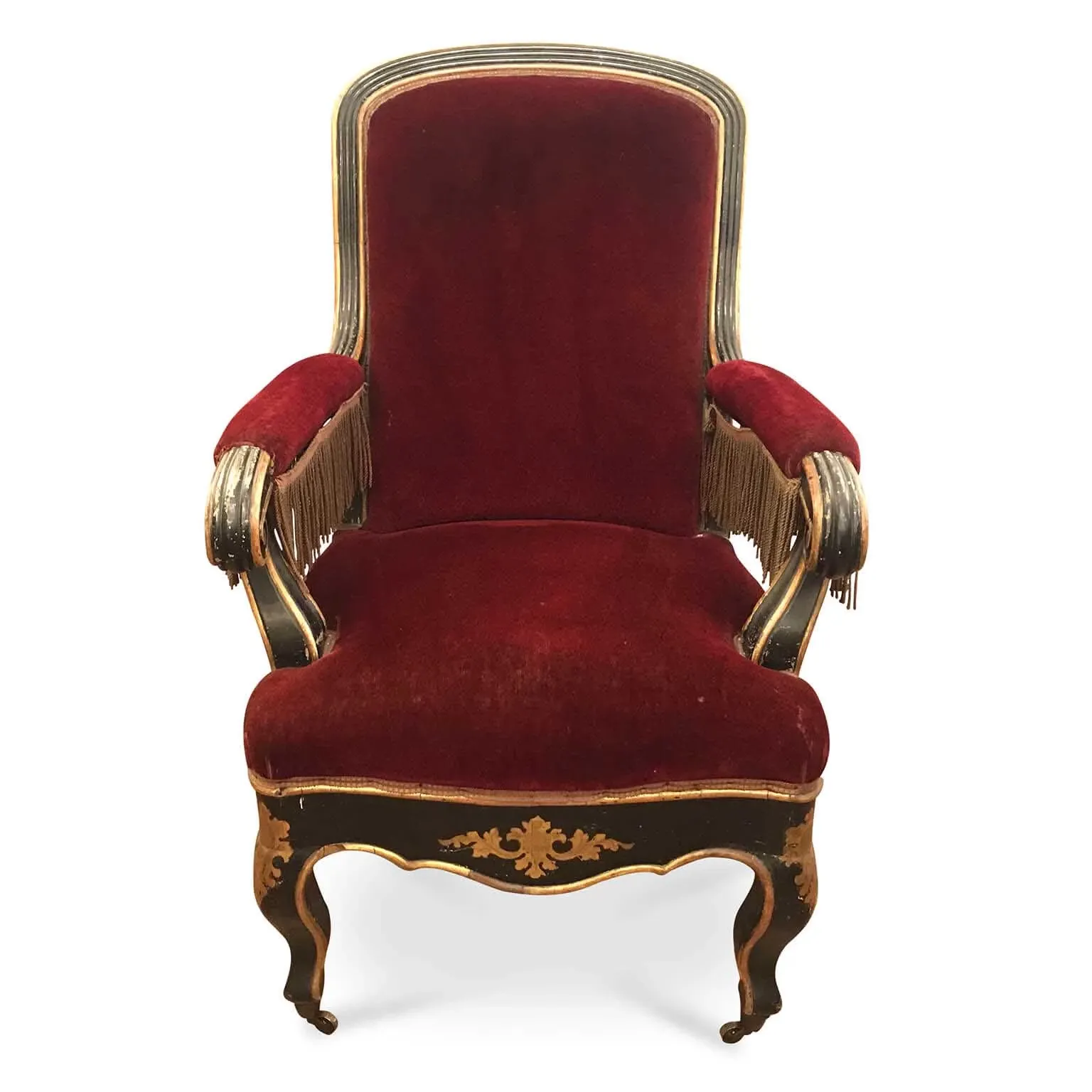
Antique furniture is not only unique memorabilia that remind us of bygone eras and the prevailing production and decorative trends of their time. They can also serve as intriguing accents in a living or office space styled in vintage fashion or become a way to achieve considerable profit.
Antique Furniture – Renovation
In order for them to delight the eye and attract the interest of potential buyers, they must be maintained in the best possible visual and functional condition. Unfortunately, achieving this can be extremely challenging.
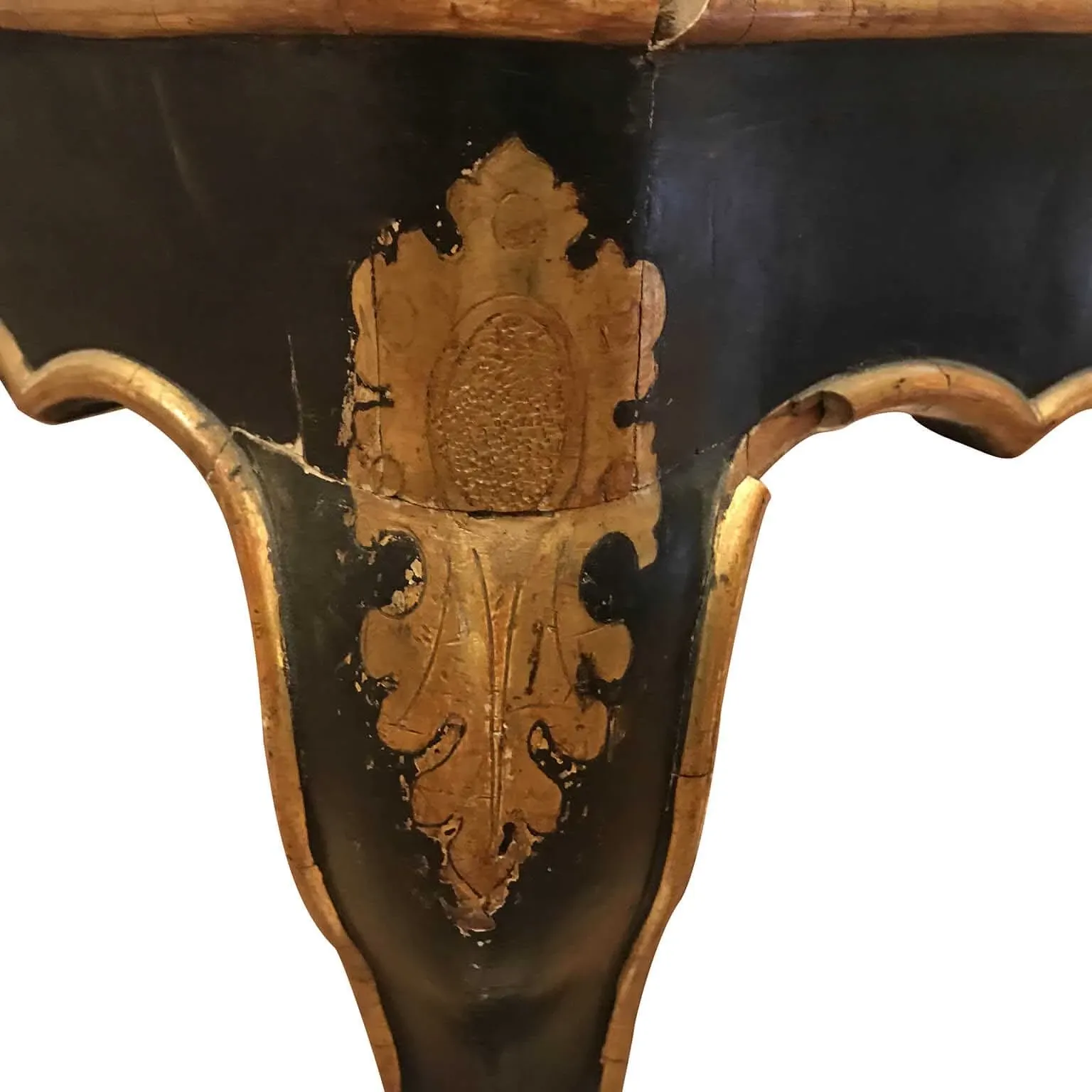
Why is this happening? It is no secret that such furniture over the course of months and years can suffer from minor or more noticeable mechanical damages, as well as lose their original shine and craftsmanship due to the influence of harmful external and atmospheric factors. With a bit of perseverance, it is possible to significantly improve their overall condition… all thanks to restoration and revitalization treatments, which will be the main topic of our today's article.
Where to start?
We must immediately mention that a piece of antique furniture, whether owned or recently acquired, even if it appears quite worn and damaged, is still worth hundreds, if not thousands of złoty. Its restoration should therefore be carried out carefully, following professional guidelines and using the best available materials and products on the market, as otherwise we risk completely destroying the item, which due to unskilled renovation will only be suitable for the trash.
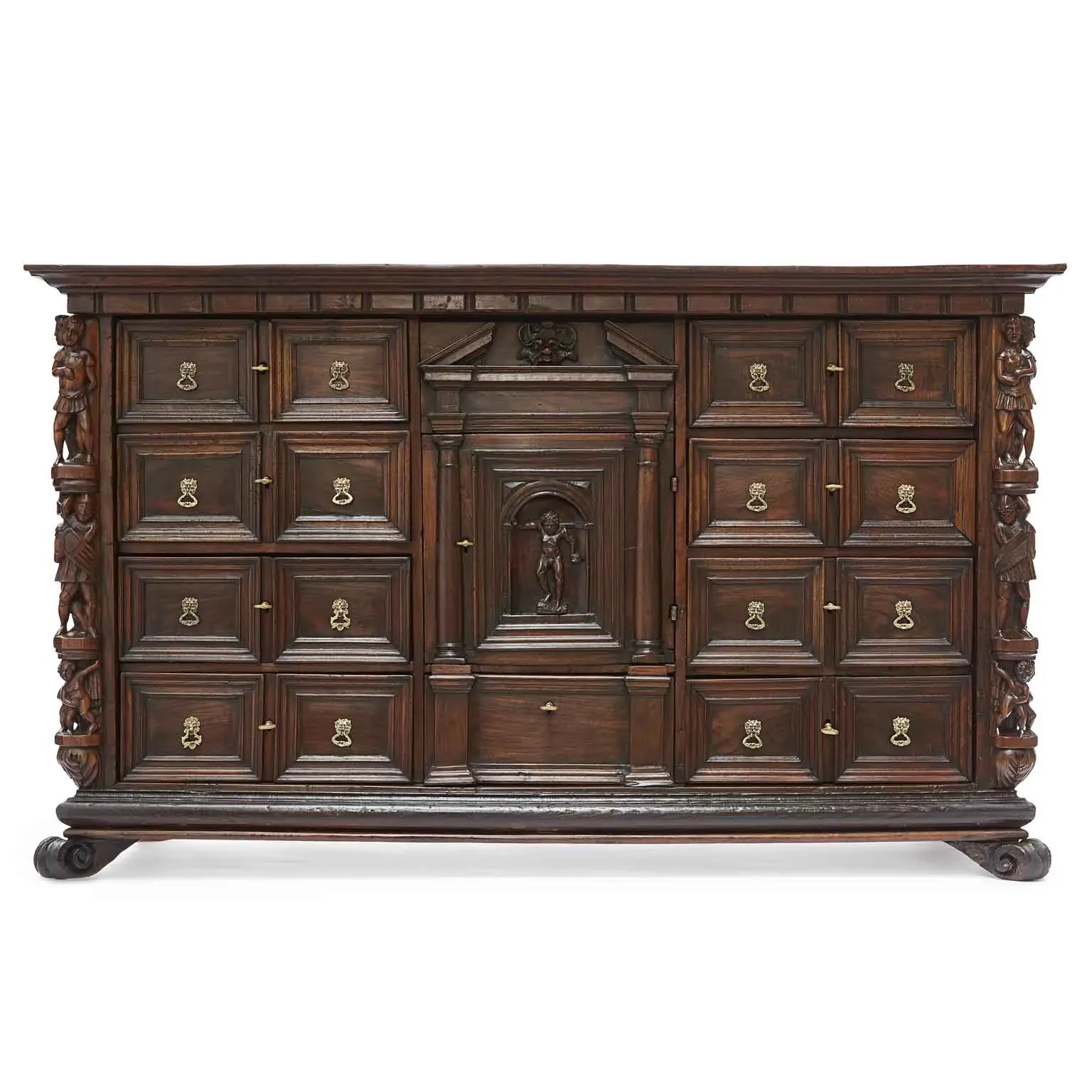
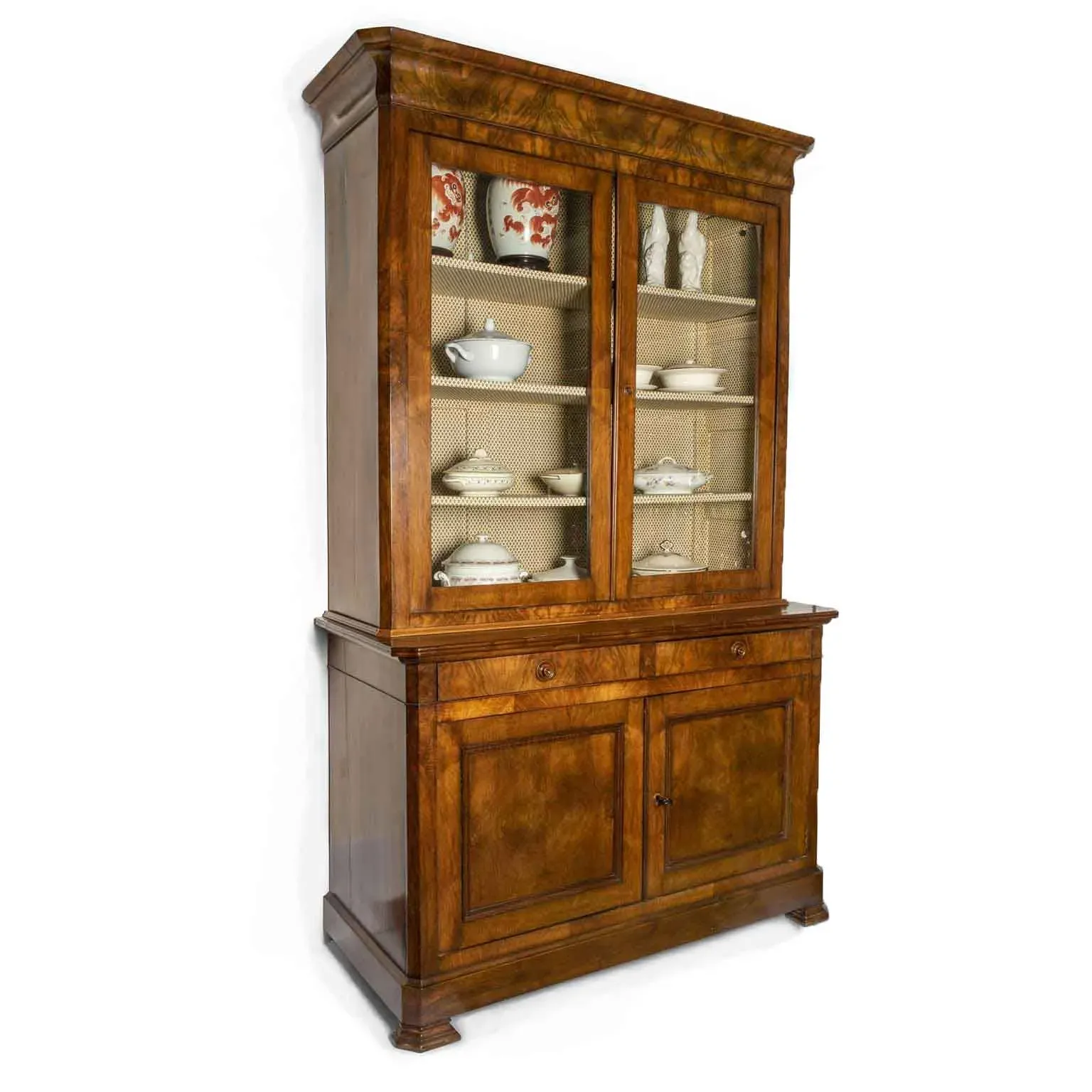
To avoid this, before proceeding with any work, we recommend thoroughly inspecting the piece of furniture with many years of history. This will allow us to clearly determine what material it is made of, how the key decorative elements are attached, and the extent of damages, scratches, and discolorations. This will enable the development of a long-term action plan, as well as consulting with industry experts who, equipped with the information we provide, will be able to give us useful advice and recommend the appropriate measures to restore the original, stunning appearance and impeccable condition of the cabinet, table, dresser, or wardrobe.
Preparations
To ensure that our work proceeds smoothly and does not disturb other household members or users of the space, we must ensure that the work is carried out in a properly prepared and secured area.
To prevent stains or scratches on floors and walls, protective films, frames, or even makeshift shelves can be used. On these, we can store all kinds of lacquers, paints, and other substances that will help improve the appearance of the renovated antique furniture. Gathering all tools and preparations in one place will also streamline the subsequent stages of the project, allowing us to focus primarily on performing the tasks in sequence, rather than searching for necessary utensils… which, in more advanced projects, can quickly become a source of frustration and distraction, and as everyone knows, are not the best friends of a Sunday renovator.
Let's get to work!
Once we have all the key tools, a full set of paints, and additional accessories around us, it's time to start revitalizing the piece of furniture that boasts a long history. However, experts warn that this task should never be approached hastily or impulsively, expecting quick results. Restoration is an art that requires immense patience and extraordinary precision. To restore a single element of a table, a sideboard, or a chair to the desired condition, we will need to dedicate from several to even a dozen or more days. It is not enough to simply clean old dirt, cover scratches with paint, and then polish the entire component.Many of these actions will need to be repeated multiple times, additionally using a sander or similar device to remove splinters or delaminations, so that the whole looks as appealing as possible. Then, it will be necessary to properly and carefully attach such a part to the antique furniture, preferably in a way that closely resembles how the original creators fixed it.
This will allow moving on to subsequent stages, often not limited solely to aesthetics but also to improving the functional qualities of the piece. For example, it may turn out that replacing hinges, handles, or hooks is necessary, enabling full utilization of the furniture's capabilities and giving it a chance for continued, many-year use.
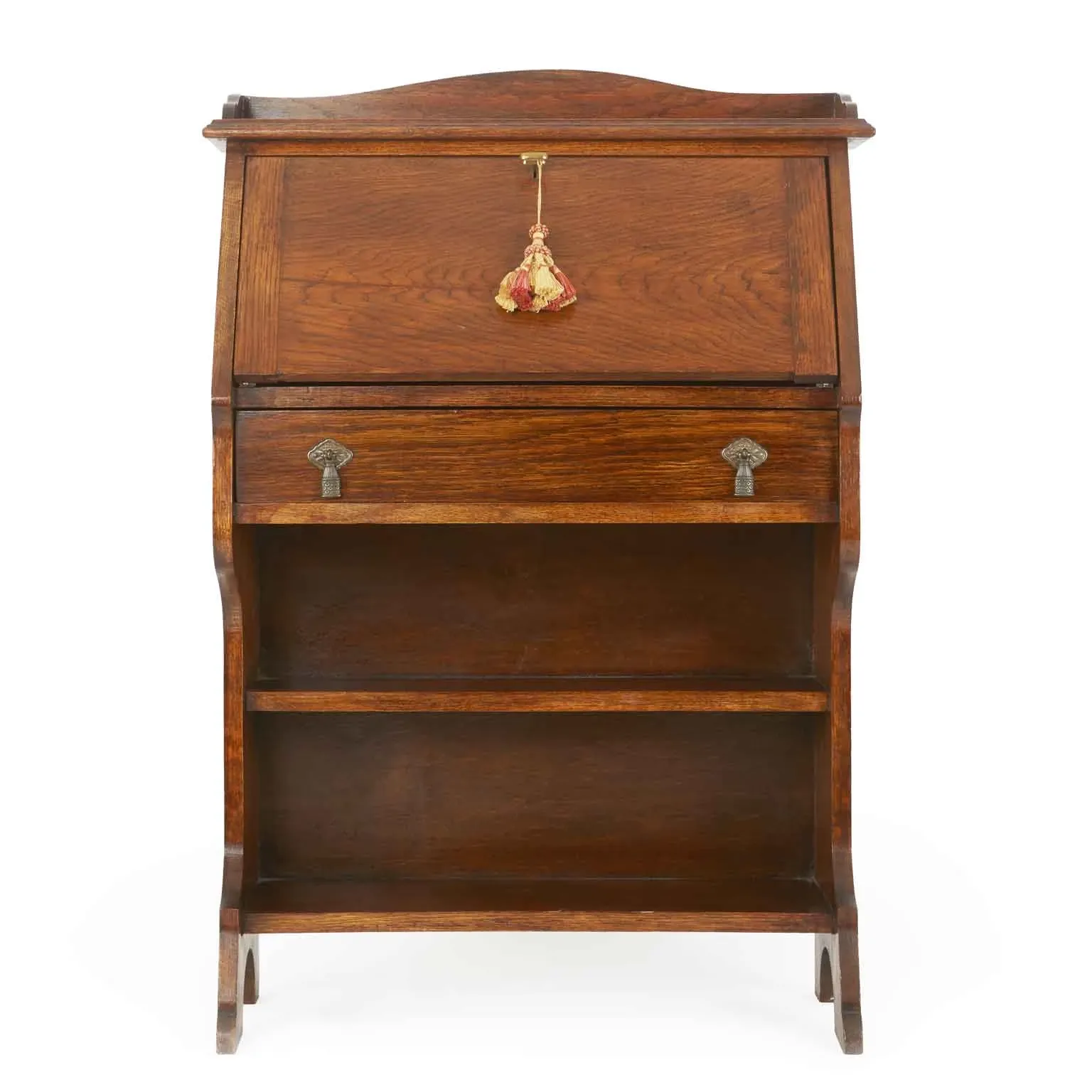
It can therefore be confidently said that restoring antique furniture is not an undertaking for everyone. Nevertheless, for a true enthusiast, it will be an opportunity not only to take a break from daily routines and dedicate time and effort to an extraordinary project… but also – to secure significant profits. A piece restored according to furniture-making standards can certainly be sold at several times the purchase price, which in turn allows for buying another piece of furniture and repeating the entire project!