
People planning to renovate or redecorate their residential, utility, or commercial space are surely well aware that when it comes to flooring, two types of building materials are most suitable: gres and terracotta. But what exactly differentiates them? Let's find out in today's article!
Terracotta tiles – beauty and durability in one
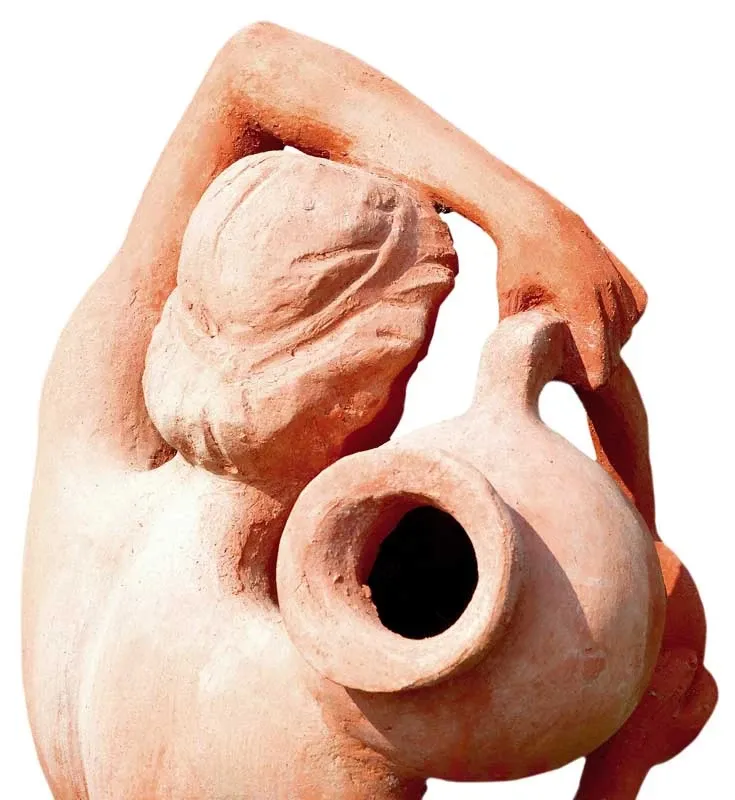
Available both in construction markets and online, terracotta tiles are made from chamotte. To protect them from excessive wear and loss of aesthetic properties, they are coated with a special glaze. Their key advantages include low porosity and very high resistance to mechanical damage, daily use, and external factors.
This means that if we apply them to a surface, we can be fully confident that the tiles will not deform or be damaged, will be resistant to moisture, and once purchased, will serve us for many subsequent months or even years without the need for replacement. This is especially important if we decide to cover large surfaces with terracotta, as it will directly translate into noticeable long-term savings.
Importantly, the properties of terracotta tiles make them suitable for use both indoors and outdoors, giving us the opportunity to create an impressive visual project, especially considering the current variety of patterns and styles in which terracotta is available. It is also worth noting that the smooth, relatively slick surface of the product makes it very easy to clean, and with appropriate cleaning agents, even the most stubborn dirt can be removed.
Or perhaps gres?
Now let’s move on to the second hero of today’s post, which is gres, a product made from materials such as quartz, kaolin, and clay. According to experts, due to its composition, this product is characterized by higher durability and resistance to adverse external and atmospheric factors compared to the previously mentioned terracotta. However, such properties often come at a slightly higher cost, especially if we opt for premium products.
Is it worth paying that much?
In our opinion, it is fully justified, because gres, made according to current construction standards and practices, boasts hardness comparable to granite, above-average resistance to abrasion, and low porosity, which means that even if used in a bathroom or toilet, there is no risk of excessive mold and mildew growth caused by moisture. Consumers often choose a more exclusive variant of gres, namely glazed gres. However, it’s important to remember that although it looks much more attractive and aesthetic than its standard counterpart, regular use can quickly wear down its outer coating, leading to a deterioration of its overall visual appeal.
When choosing gres, it’s also important to be aware that due to its rough and porous texture, it will require more effort to keep clean than terracotta. This can be a particular challenge if the floor made of this material is installed in a hotel, office, clinic, or other space that should impress with its pristine appearance. Of course, this is not an insurmountable problem; using professional cleaning agents and pressure washers can help maintain surface cleanliness effectively. Still, it’s worth considering this aspect when choosing between the mentioned product and terracotta tiles.
So different, yet so useful…
By thoroughly analyzing all the features of gres and terracotta presented in today's post, one can conclude that the former will be an ideal solution for outdoor applications on residential, office, or commercial buildings, while the latter will perform exceptionally well indoors. Both materials are sure to impress with their aesthetic, elegant appearance, and will also be resistant to adverse temperature changes, exposure to harsh weather conditions, or continuous use.
We can also be almost certain that the portfolio of stores offering these finishing products is so extensive nowadays that, regardless of which one we ultimately choose, the variety of available colors and patterns will be overwhelming. In such a situation, it may be beneficial to seek advice from a salesperson or a representative of the store, who will inform us about current customer trends and showcase the season's absolute bestsellers.