In Poland, urns are still not as popular as coffins. The famous saying "from dust you came and to dust you shall return" is most often heard by Poles on Ash Wednesday. When it comes to funerals, we are not in a hurry to complete the second part of this sentence.
Ultimately, of course, this is how it ends, but in our country, the most common choice is still traditional burial in the ground, rather than – as is very popular in Western countries – cremation, followed by the burial (or not) of the ashes. According to an article Money.pl from December 2020, only one in three Poles is cremated. In comparison, among our neighbors in the Czech Republic, cremation is even more popular than traditional burial in a coffin – with 79% of bodies being cremated there. The same applies in the United Kingdom.
However, it seems inevitable that over time, cremation will grow in popularity, and traditional funerals will become a thing of the past. Especially since, from the perspective of the dominant religion here, it is permissible. Very often, after cremation, the funeral looks similar, but instead of a large coffin in the ground, a small urn with the deceased’s ashes is buried. Cremation may also be cheaper than traditional burial and less harmful to the environment. If aesthetic considerations are important to someone, urns are comparable to metal or oak coffins in this regard. Especially since they are made from many different materials – often ones that coffins are unlikely to be made from. What materials can we choose from, and what are the most common materials used to make urns? You will find out in the rest of this article.
What are urns?
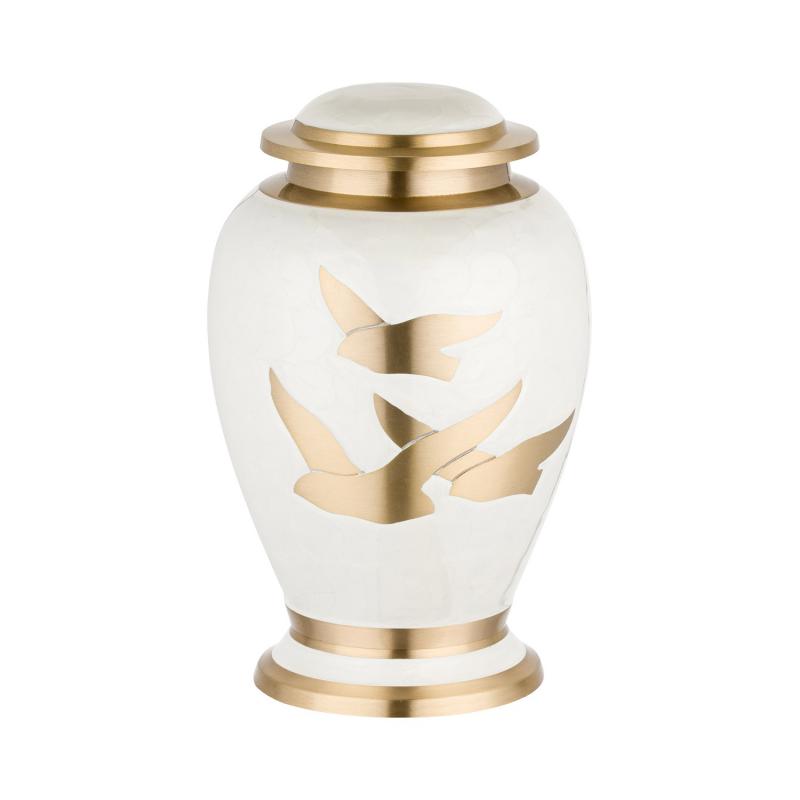
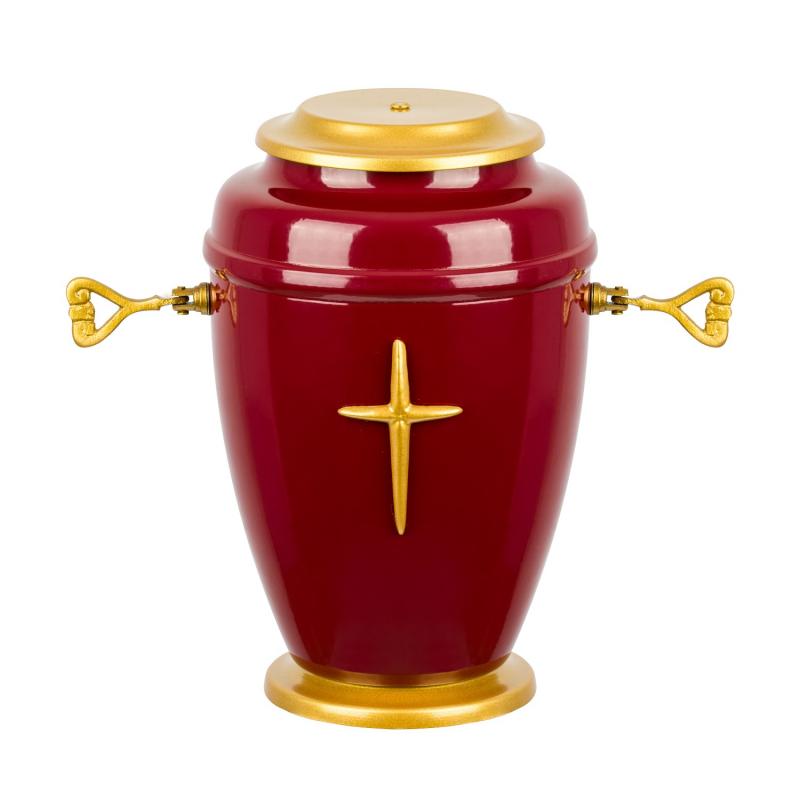
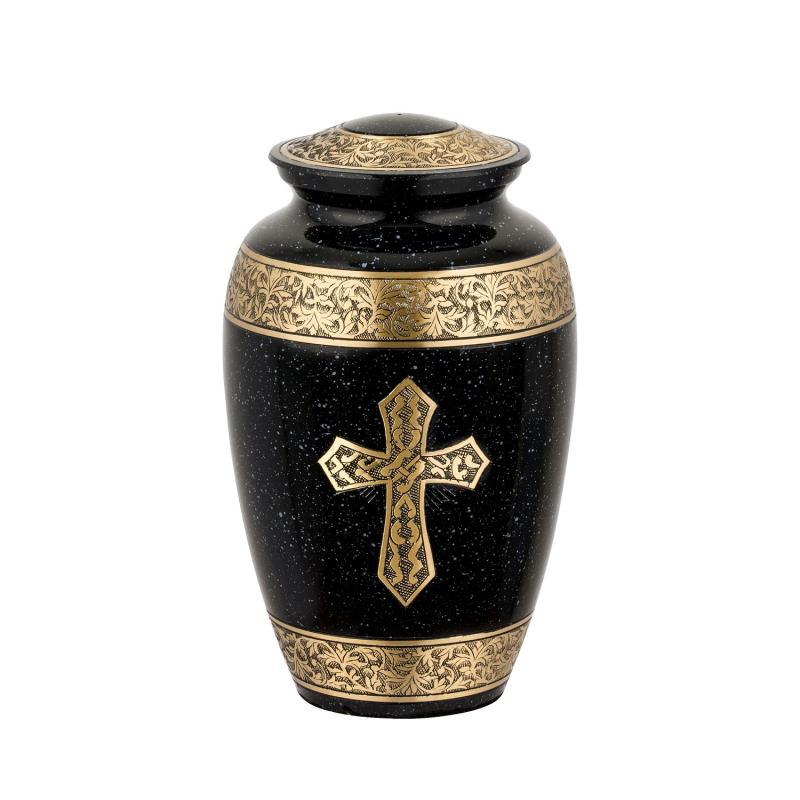
Although burial in an urn is not the most common practice here, everyone probably knows what an urn is. Let’s recall that an urn is a container used to store ashes after cremation of a deceased person. Urns can have various shapes and be made from different materials – not only wood and metal, as is often the case with traditional coffins. In countries like Poland, urns are quite often made of wood and resemble coffins – with the difference that they are much smaller.
Urns can also be stored in various ways. Options are not limited to burial in a grave (like a traditional funeral) or in a mausoleum. Perhaps not in Poland, but in other parts of the world, ashes are also kept at home. They can also be temporarily stored – a popular, though discouraged, ritual is scattering the ashes in water bodies, e.g., in the sea. Due to cultural differences in how urns are handled, they are made in various ways and using a range of different materials. If an urn with ashes is buried, it will probably be made more simply and from more readily available materials. In other cases, urns are often carefully decorated and made from high-quality semi-finished materials – often delicate.
What are urns made of?
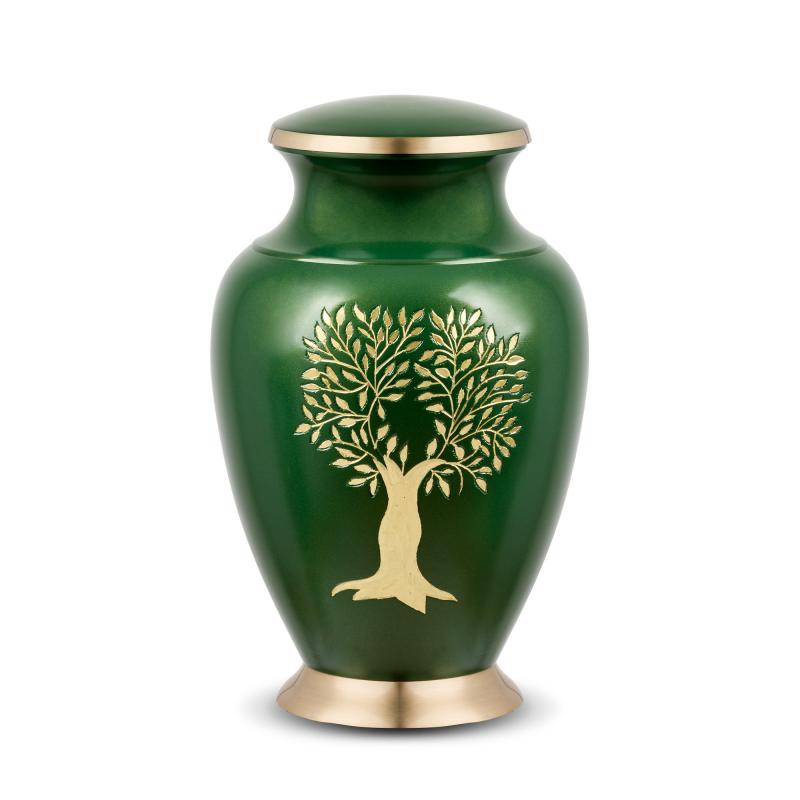
Families of the deceased who have chosen cremation and wish to store their loved one’s ashes in an urn have a wide range of options when selecting the appropriate container. The shape depends on personal preference – it can be a box or a vessel resembling a vase or a round pot. Let’s take a look at the variety of materials most commonly used to make urns.
1. Wood
As a substitute for a coffin, a wooden urn is a very popular option in Poland – especially if the family opts for storing the ashes in an urn. In such cases, the urn is usually made in the form of a box with angular shapes, often resembling a regular coffin. Wood, being a less flexible material that is difficult to shape into intricate forms, is not suitable for more elaborate urn designs.
2. Ceramics
Therefore, one of the most popular materials for making urns is ceramics. However, this is a broad category, as ceramic urns can be made from common clay or more noble materials – such as various types of porcelain or other derivatives.
3. Metal
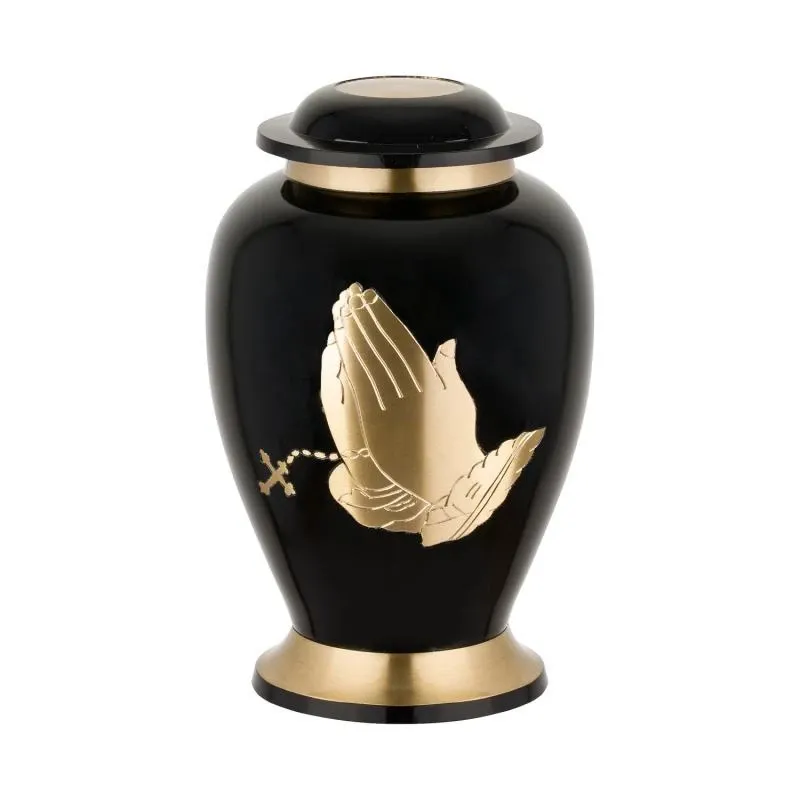
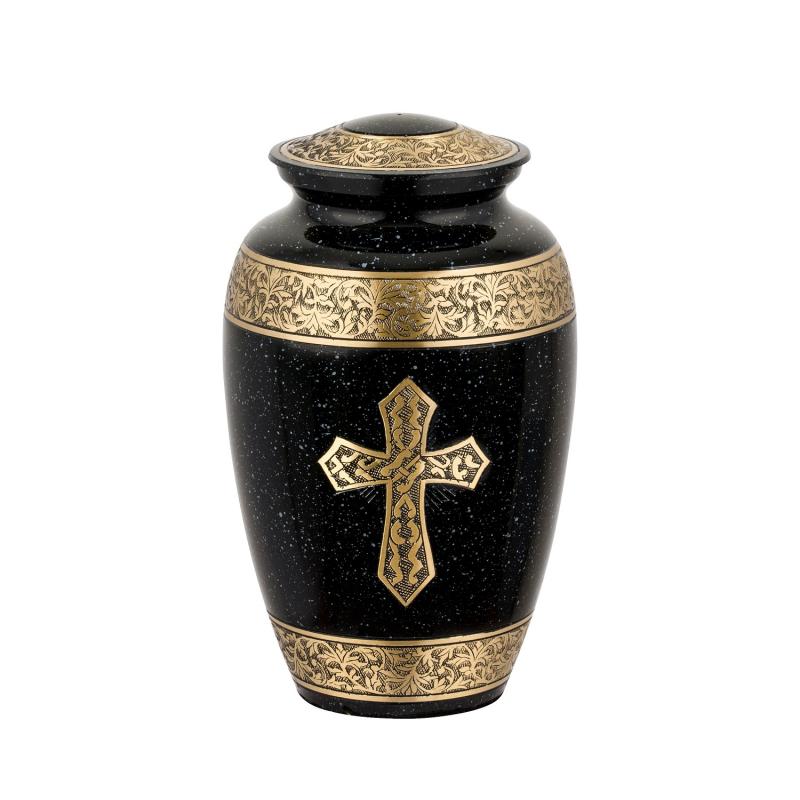
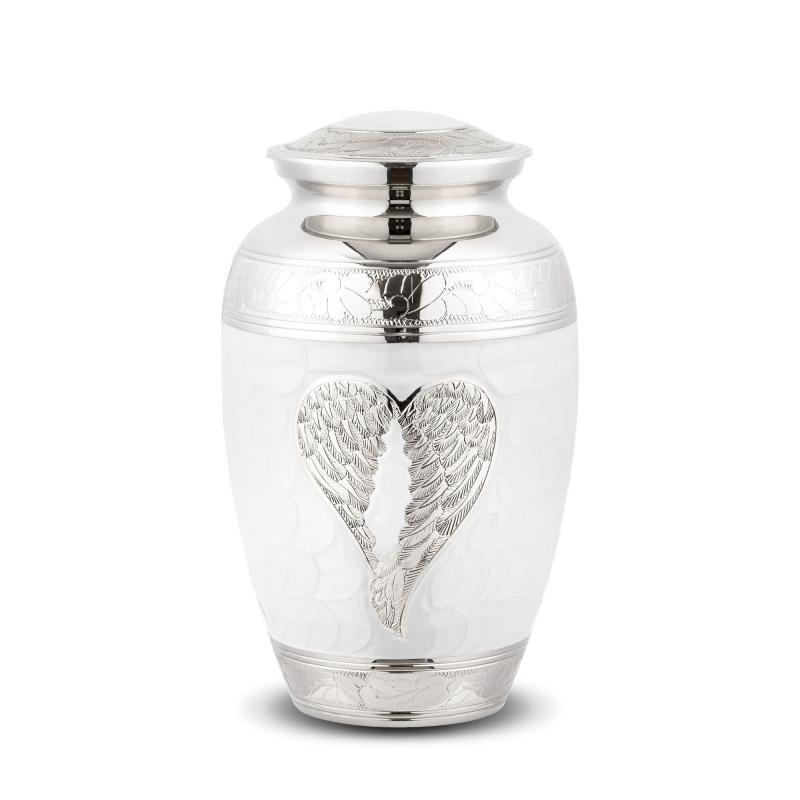
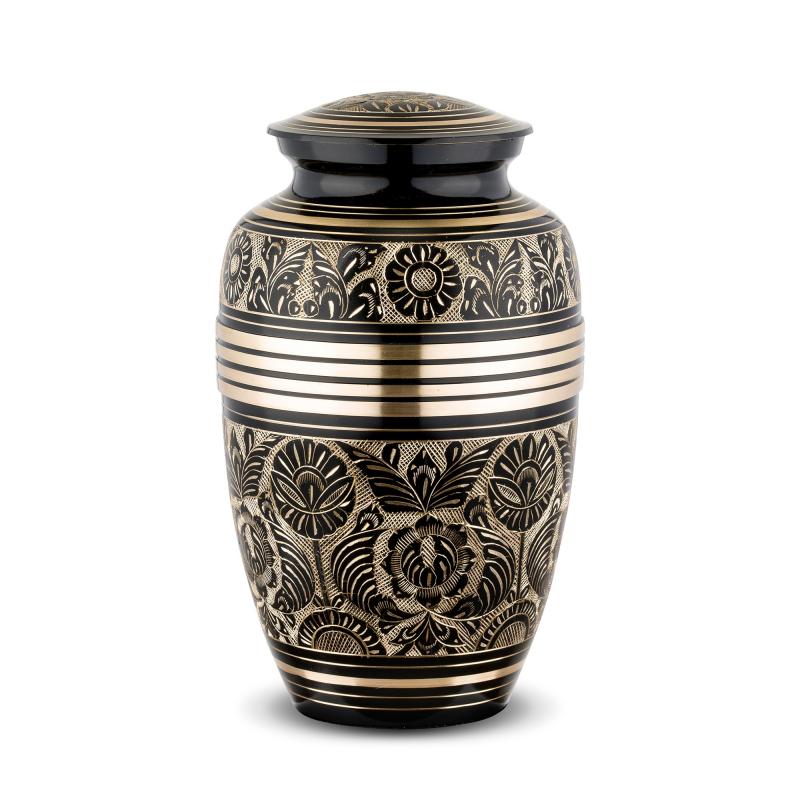
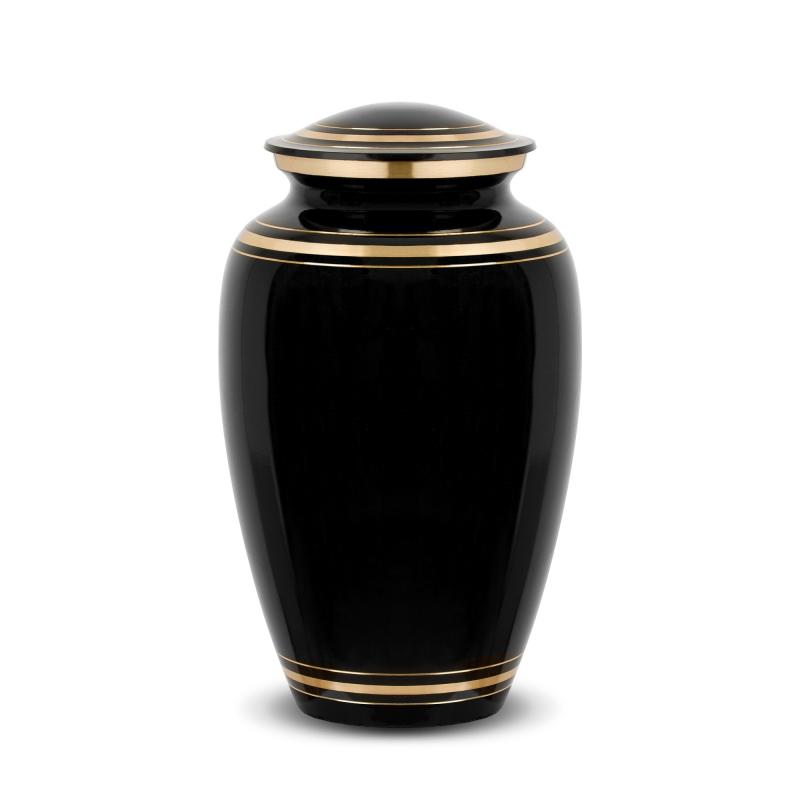
Just like with coffins, one of the most popular materials used for urns is metal. The most common raw material in this category is stainless steel, although options are limited only by our imagination and the availability of suitable metals. Besides stainless steel, it can also be brass or bronze, or precious metals such as silver, for example.4. Rocks/stones
Since an urn is a very small container, it can be made from much heavier and original materials than coffins. For this reason, urns are often made from various types of “stones,” or rocks. These include materials such as marble or granite. Other types of rocks, or even common stones combined with some binder, may also be used.
5. Glass
Answering the question of what urns for ashes are made of, we can certainly also point to glass. Glass is a popular material used in the production of many types of vessels – including urns for ashes. Under the influence of heat, glass easily takes on desired shapes, similar to ceramics. In a more unique version, an urn for ashes can also be made from crystal glass.
Unusual materials used for urns for ashes
Above, we listed the most popular and most frequently chosen materials for the production of urns for ashes. Due to their small size, urns can be made from many other materials. The choice of unusual materials depends, among other things, on budget, but also on values and beliefs – e.g., eco-friendly considerations.
In the case of the previously mentioned wood, a buried stylish urn made from this material will decompose slowly. However, this will not be the case for urns made from harder materials – especially metals and rocks. People concerned about the environment can choose an urn that is biodegradable and will break down in the soil within a relatively short time. For eco-conscious customers, manufacturers offer materials such as cellulose or resin.