
The market offers a wide variety — from in-ear to over-ear, from closed-back to open-back, with ANC or wireless. This guide will help you understand the key differences in headphone types, technical specifications, and features so you can perfectly match them to your needs and lifestyle.
What are the differences between in-ear, canal, on-ear, and over-ear headphones?
Choosing headphones should start with their construction. Classic in-ear headphones sit in the concha, allowing you to stay aware of your surroundings. If you’re looking for isolation, opt for canal models, such as Sony headphones. Thanks to silicone tips, they insert deeper into the ear canal, providing passive noise reduction and a secure fit.
On-ear headphones are a compromise between portability and sound quality. They are lighter, but their pressure on the ears can be felt. The highest comfort is offered by over-ear designs. Soft ear cushions surround the ear, distributing the weight and providing a natural soundstage appreciated by demanding audiophiles.
Before purchasing, consider these aspects:
• type of construction and driver size,
• level of noise isolation,
• quality of finishing materials,
• ergonomics and headband adjustment,
• intended use and sound profile.
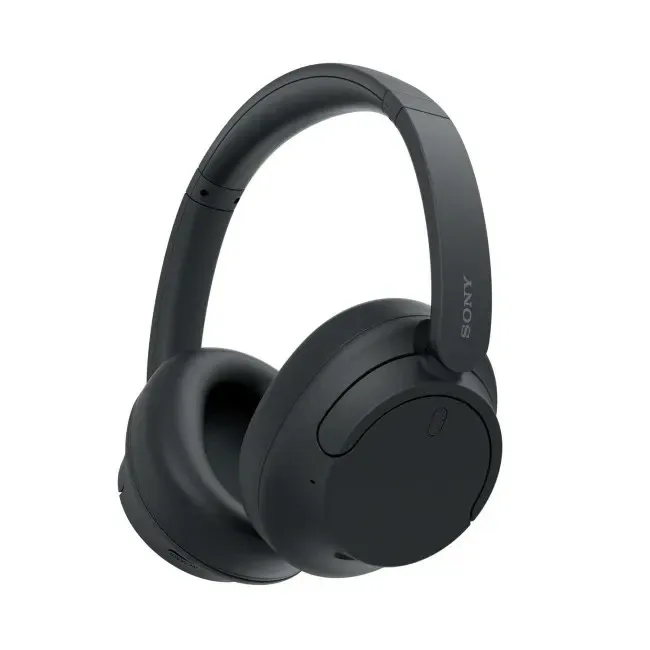 photo: komputronik.pl
How do open, closed, and semi-open designs affect sound?
The way your headphones are designed directly influences your listening experience and daily comfort. The final choice should depend on your lifestyle and the environment where you most often listen to music. Closed-back headphones, thanks to their sealed enclosure, effectively isolate from noise, allowing for deeper bass and greater dynamics. They are ideal for noisy offices and public transport.
If you value realism, choose open-back designs, which offer a wide soundstage and natural spatiality. They also provide constant airflow to the ears, which is crucial during long listening sessions. For those seeking a middle ground, semi-open headphones combine high audio quality with decent isolation.
On the store page https://www.komputronik.pl/, you will find headphones that will surely meet all your needs.
 photo: komputronik.pl
How do impedance, frequency response, and sensitivity affect sound quality?
How your headphones work with your equipment mainly depends on their technical specifications. A key parameter is impedance, which is the electrical resistance of the coils. Low-impedance models, such as 16 Ohm, work perfectly with smartphones, while high-impedance variants require an additional amplifier to fully realize their potential.
When purchasing, pay attention to details that influence sound quality:
• sensitivity – allows for powerful sound without overloading the player,
• extended frequency response beyond the standard 20 Hz-20 kHz,
• low THD coefficient, ensuring clean sound free of unwanted distortions,
• type of drivers used, including dynamic or precise planar models,
• high dynamics, enabling you to hear even the subtlest nuances in tracks,
• support for Hi-Res Audio standard, guaranteeing exceptional detail and clarity.
What should you check before buying wireless and True Wireless (TWS) headphones?
When choosing the perfect TWS headphones, the first thing to consider is battery performance. Modern cases with a USB-C port serve as portable power banks, and support for fast charging will save you in situations where you only have a few minutes before leaving the house. An additional advantage that makes everyday use easier is the wireless charging standard.Stable connection without annoying interruptions is guaranteed by Bluetooth version at least 5.0. If you work on multiple devices simultaneously, the Multipoint feature will be indispensable, allowing seamless switching between your laptop and smartphone without manual pairing. The final sound quality largely depends on implemented solutions such as audio codecs. While SBC is the absolute minimum, iPhone users should look for AAC support, and audiophiles seeking the highest quality should aim for aptX or LDAC technologies, which offer wide dynamics and clarity of sound.
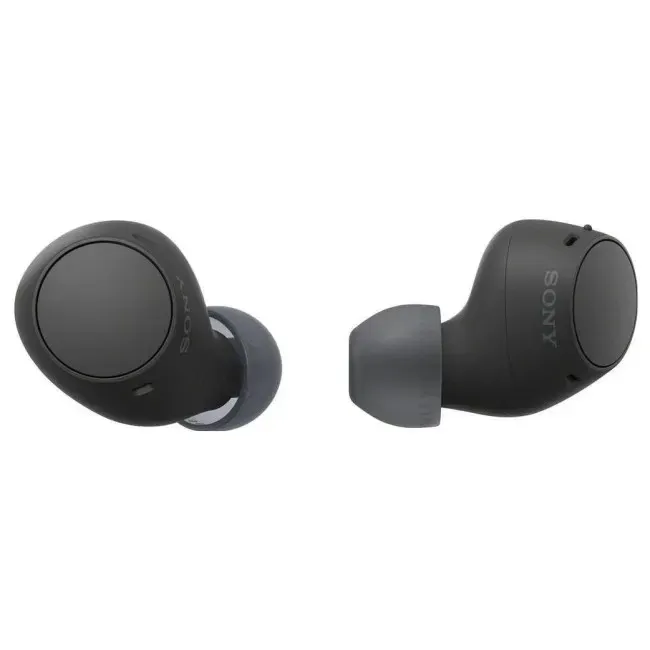 photo by komputronik.pl
How does active noise cancellation (ANC) work in headphones?
ANC technology (Active Noise Cancellation) uses built-in microphones to constantly monitor ambient sounds. When they detect unwanted noise, the processor generates an anti-phase wave that effectively neutralizes it. This system best reduces low, monotonous sounds such as engine noise or city hustle, although passive isolation resulting from the headphone design remains equally important.
Modern audio devices also offer a transparent mode, allowing interaction with the environment without interrupting music, which greatly enhances safety in traffic. It is important to distinguish ANC from ENC systems – the latter only ensures the clarity of your voice during calls by blocking out background noise so that the caller hears you clearly in any situation.
How do weight, ergonomics, and materials affect wearing comfort?
When choosing the ideal headphones, opt for a lightweight model – preferably under 250 grams – to avoid neck fatigue even during long sessions. The key is balancing stability and comfort. Properly distributed clamping force ensures the device stays on your head without slipping, yet doesn’t cause painful pressure on the ears.
Comfort is significantly enhanced by modern padding, such as memory foam, which intelligently adapts to the user’s anatomy. Instead of sweaty synthetic leather, look for finishes made of velvet or technical fabrics that allow for free airflow. Also, pay attention to ergonomics – intuitive buttons enable quick control of sound without unnecessary distraction.
How to match headphones to their main purpose?
Choosing audio equipment is a personal matter, depending on your lifestyle. For training, opt for over-ear or bone conduction designs. The latter do not isolate from the environment, increasing safety on the road. The IP54 or IP57 standard is also important – it indicates protection of components against sweat and unexpected rain.
Gaming enthusiasts mainly value ergonomics and precise spatial sound. Meanwhile, professionals should choose studio headphones. Their analytical sound allows you to hear every nuance during audio editing, which is essential for audio work.
You can find your perfect headphones at the Komputronik store. Why there? Because their offer is extremely wide, and importantly – all models are available at exceptional, attractive prices. When ordering online, expect shipment within 24 hours, and if you prefer, in-store pickup is available at locations across Poland. Don’t wait – place your order today!
Sponsor article