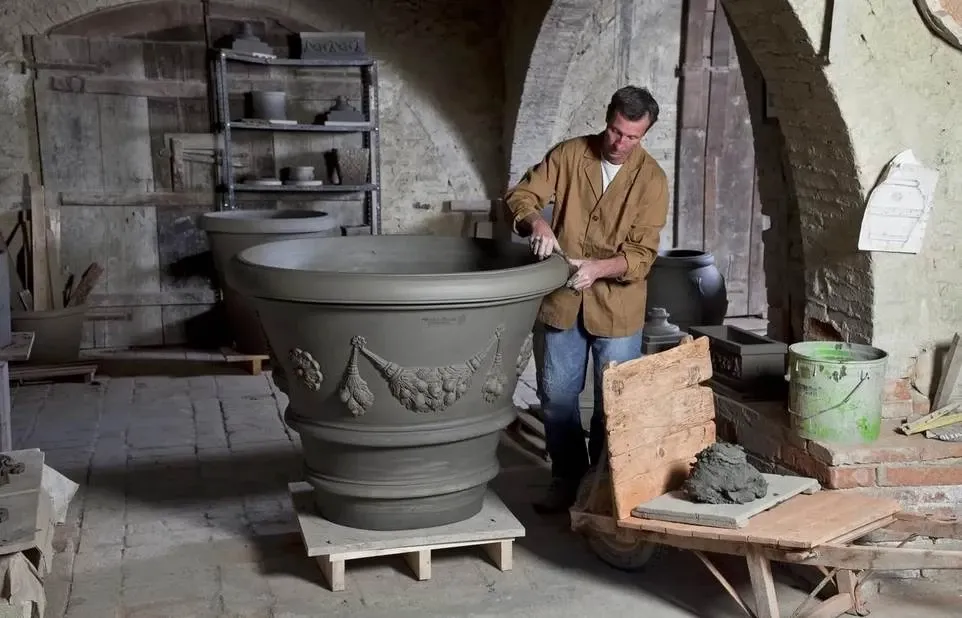
The art of making pots from shaped and fired clay has been known since ancient Greece, and the process has changed little despite technological advancements. Terracotta is a special type of clay that remains slightly porous after firing, allowing it to absorb water and create a favorable environment for plant roots.
Clay contains various concentrations of iron oxide, which give it its color. Unglazed, rough, matte, and porous are more permeable to air and moisture for plants. Glazed pots become more resistant but less filtering. Making terracotta pots primarily involves working with clay. Terracotta is a fine-grained textured or smooth clay (w. terra cotta – baked earth). Terracotta pots, made from red clay, a natural material, are noble, rich in shapes and colors, decorative elements.
They offer countless possibilities for interior and garden arrangements. Hobbyists in sculpture and gardening can be fascinated by this type of architectural art and interior decoration. Terracotta is a type of ceramic made from fired, unglazed clay, ready terracotta pots are produced after firing in a ceramic kiln at 950-1170°C. Clay can be painted after drying or firing. People without a special kiln can use such clay in ceramic studios or opt for self-hardening clay. A handcrafted garden element will surely serve as a beautiful natural and trendy decoration and bring great satisfaction in its creation.
Terracotta, or clay-based clay
Clay is a material that, due to its versatility, greatly stimulates artistic imagination. Terracotta can be modeled, sculpted, pressed, cast in plaster molds, and also thrown on a wheel. Terracotta is a reusable material; after drying, it only needs to be soaked in water, and after about 24 hours, it can be used again.
Terracotta ranges in color from orange to brick red. The specific shade of clay depends on many factors. The natural color of terracotta is between brown and orange, and additional pigments can be added to bring out deeper shades. Scientists have discovered that purple pigment was used on terracotta warrior statues in Xi'an. A wide range of colors is a significant advantage when choosing suitable pots for our plants. An additional benefit is the price and the possibility of making them yourself.
One characteristic of terracotta is its ability to bond and harden permanently into the shape given. The most commonly used clay for making pots is red clay containing iron oxide. To be suitable for ceramic work, clay must undergo a conditioning process. This involves thoroughly mixing it with talc, grog, or brick powder. These ingredients make the mass sufficiently dense and resistant to cracking. Ceramic mass is an excellent material for DIY projects.
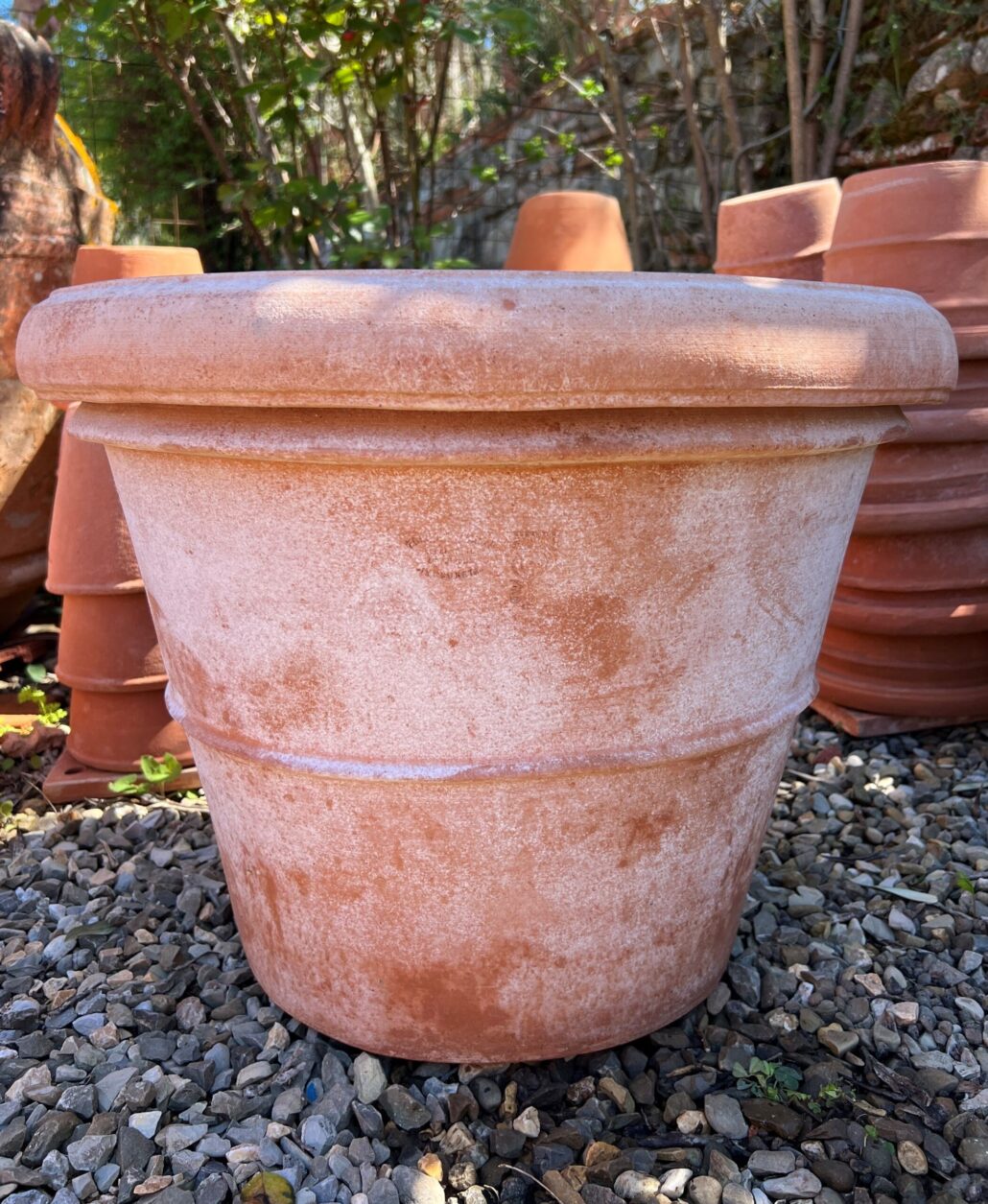
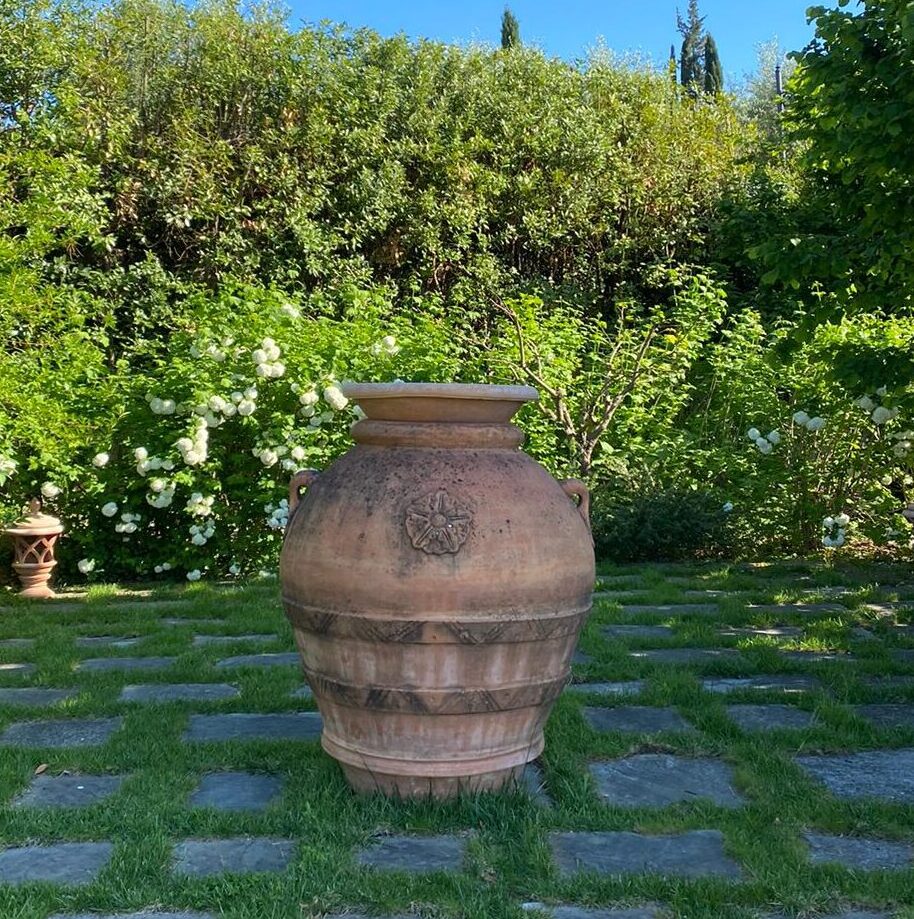
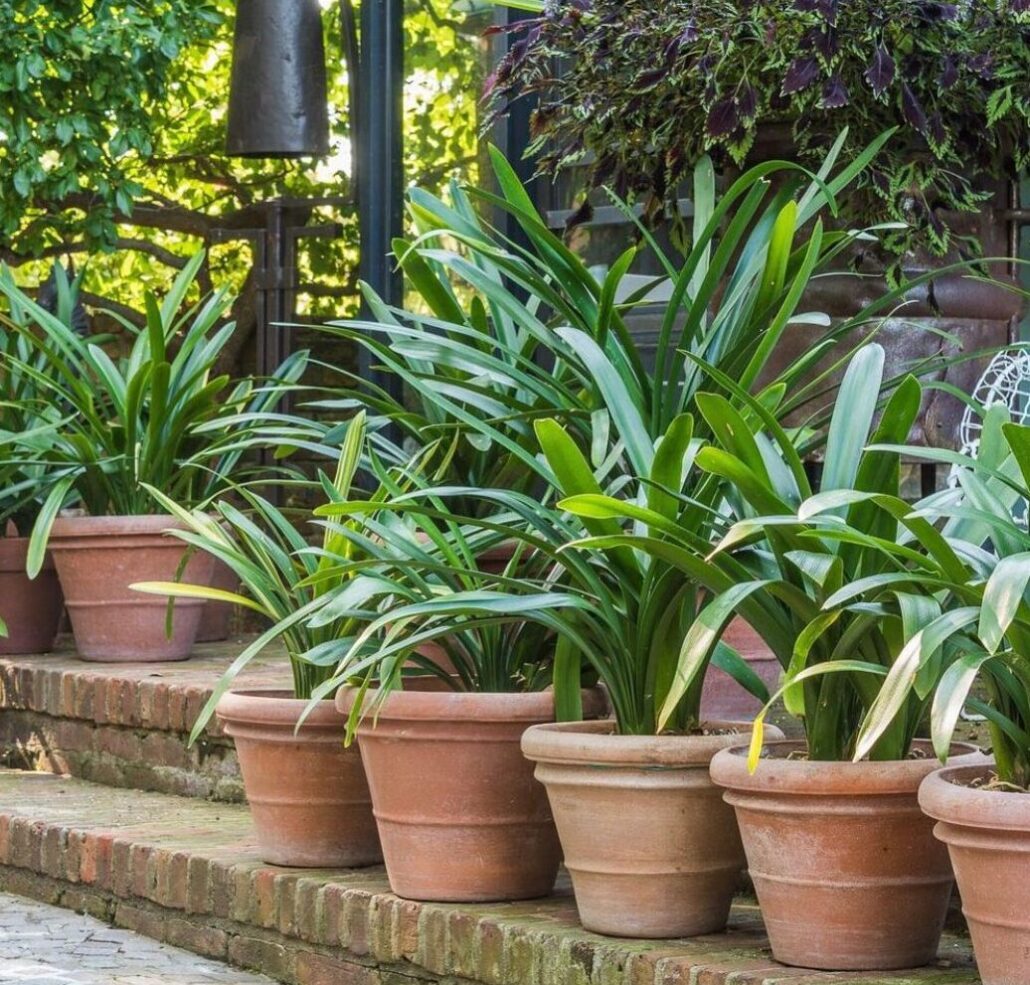
The aesthetic value of terracotta pots is high; it is a unique material that evokes a Mediterranean climate Italy and Spain. Ceramic pots allow plants to breathe during care and serve as stylish decorative elements on any balcony. Used in this way, pots develop a patina, sometimes called “seasoning.” During watering, minerals are leached from the soil, and together with water, they penetrate the walls of the vessel.
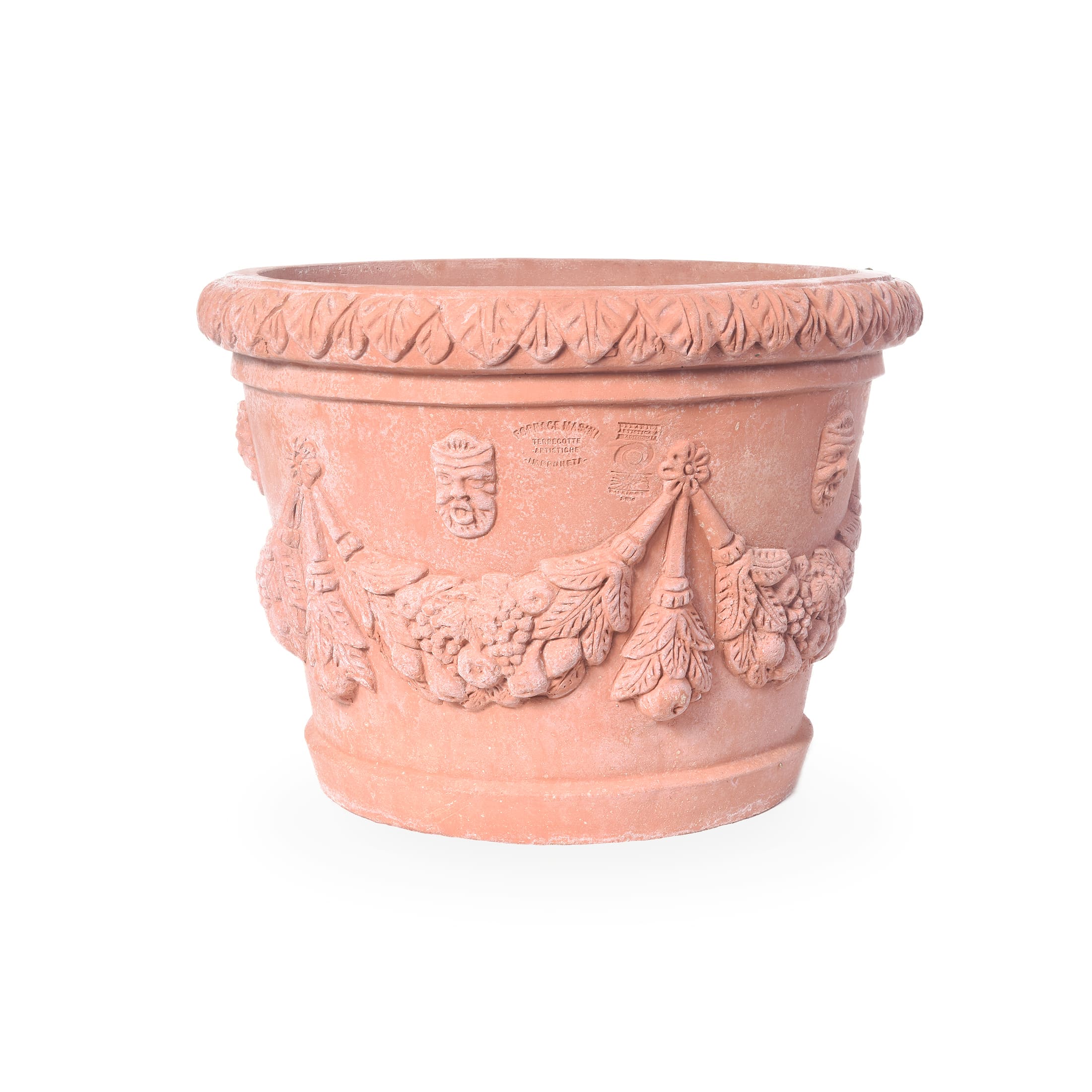
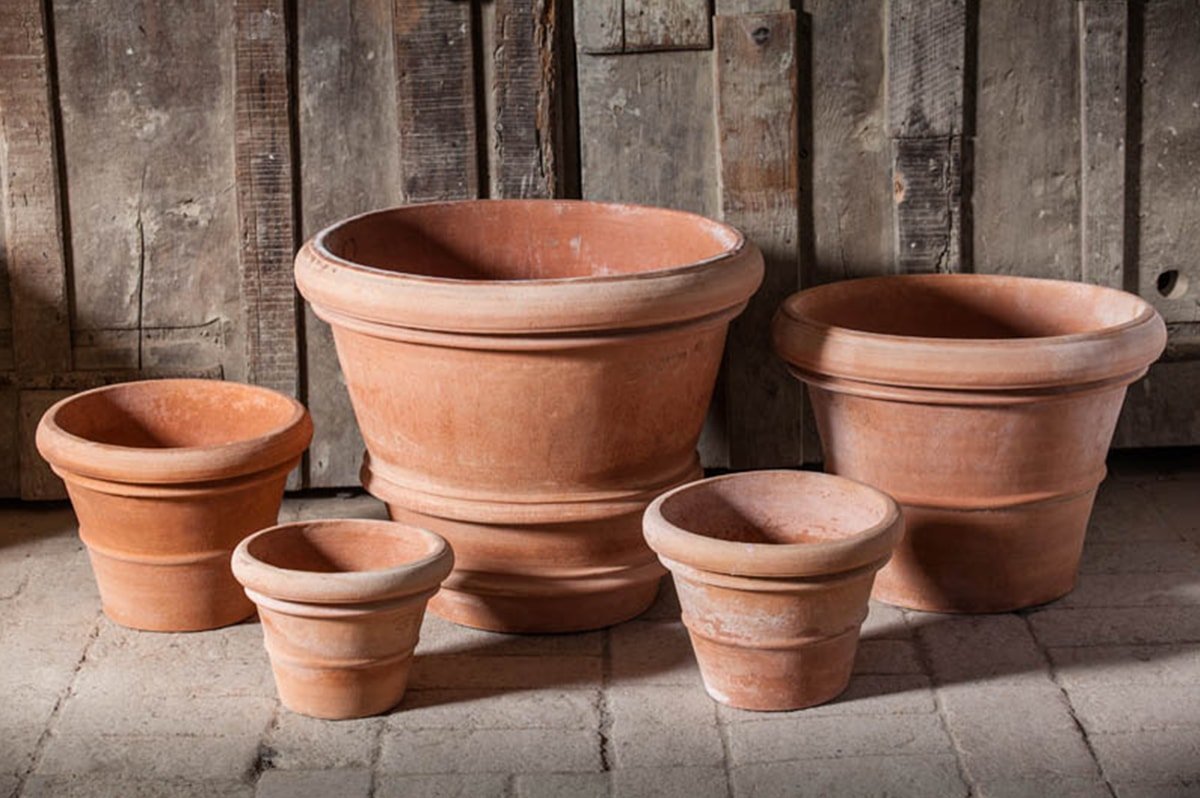
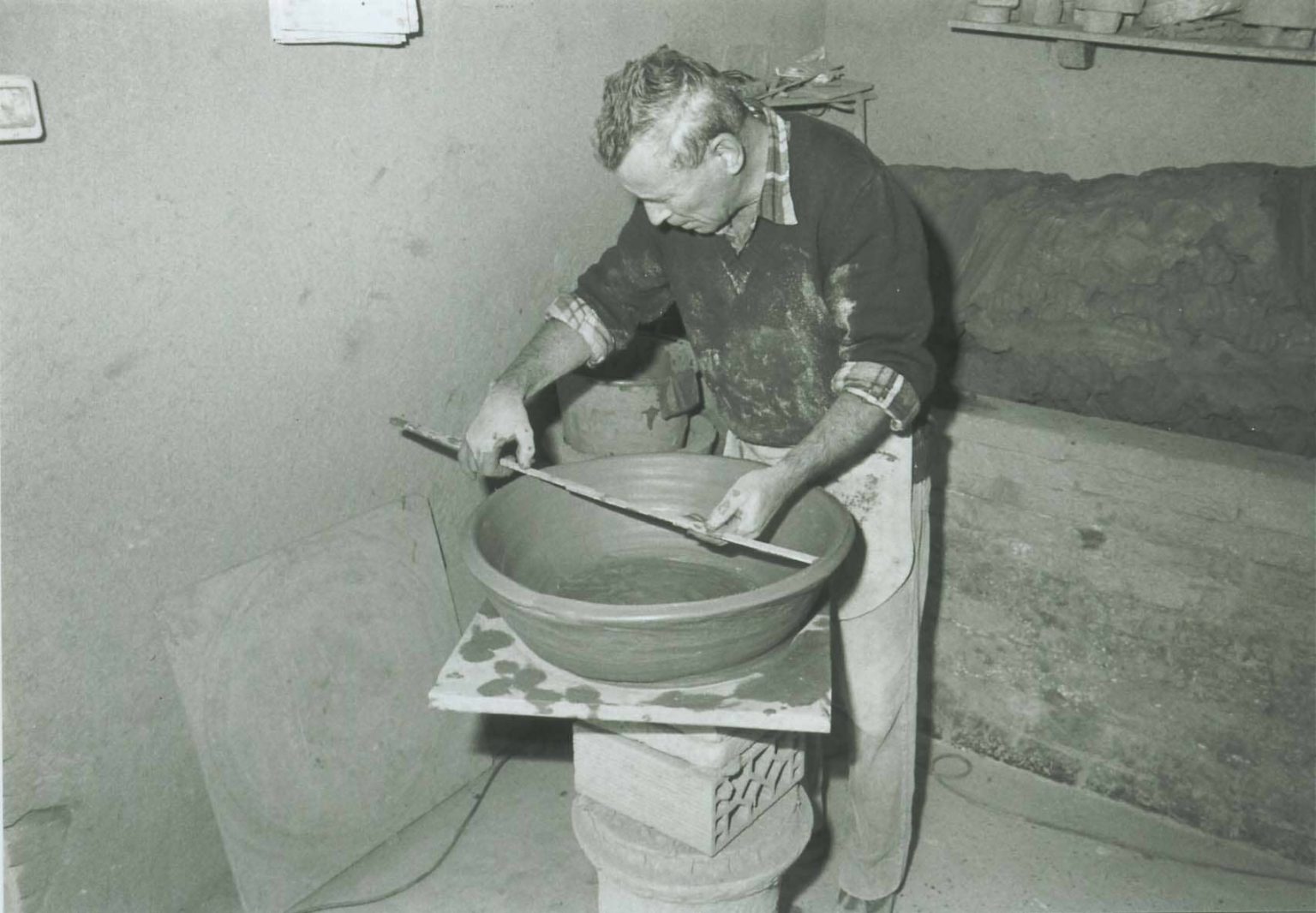
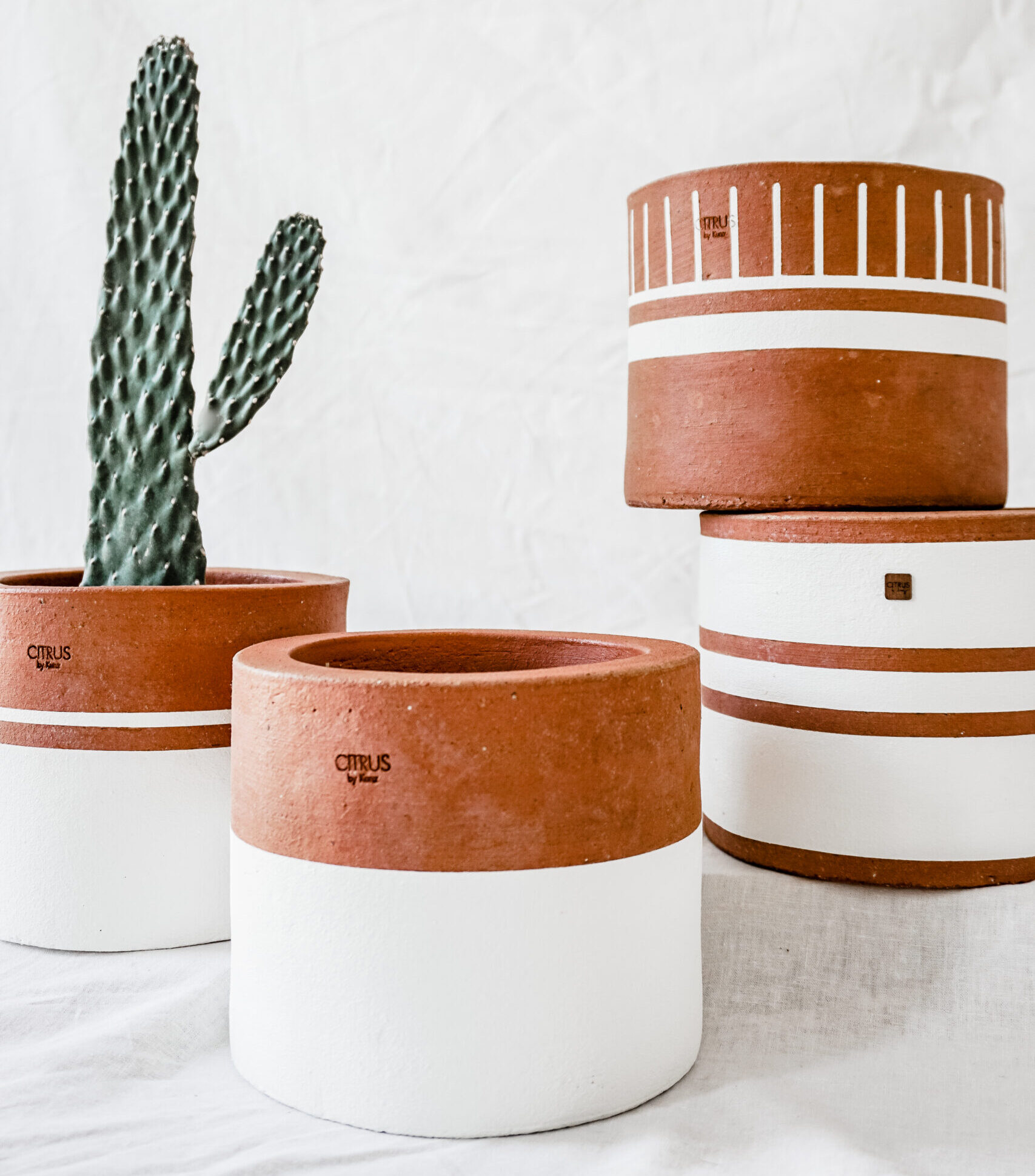
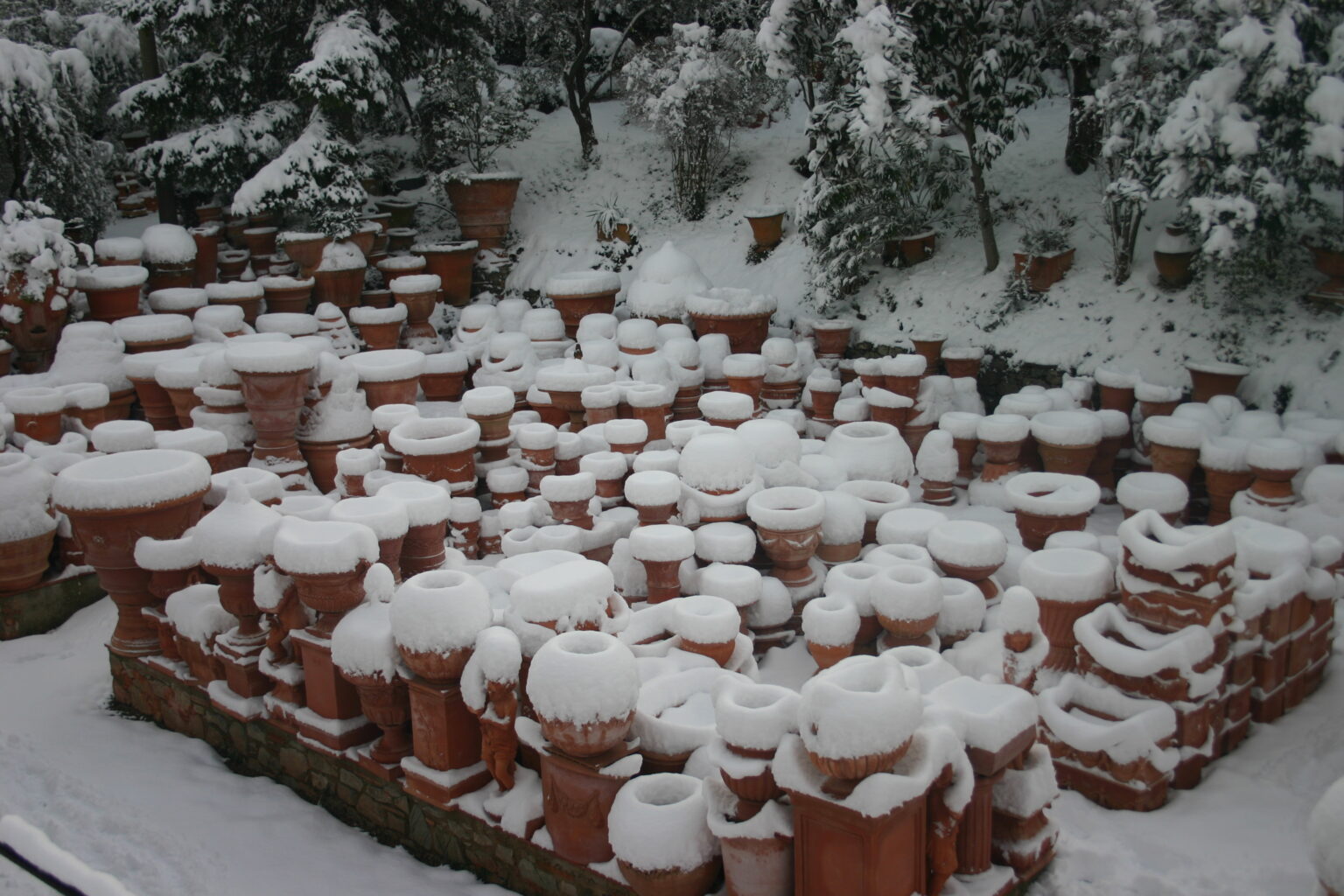
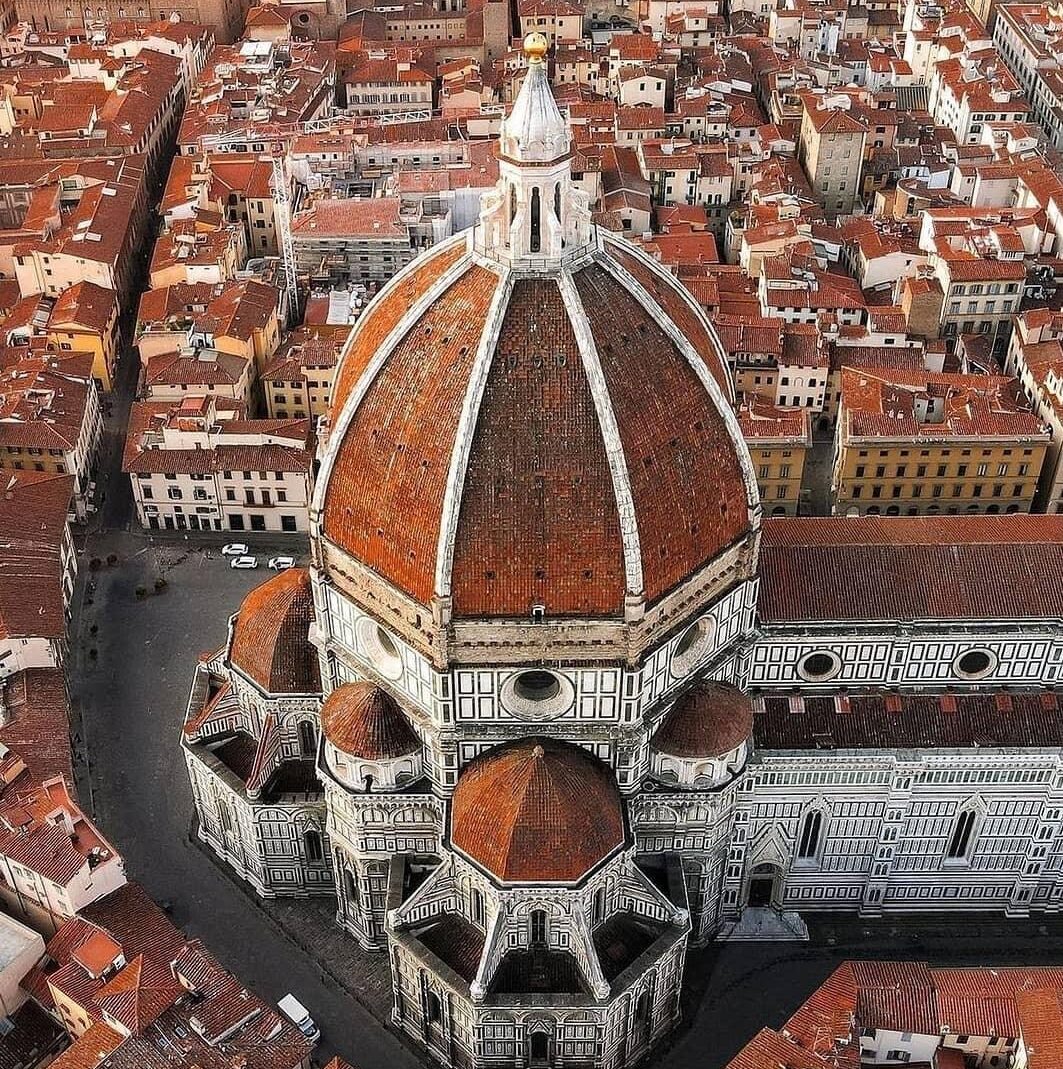
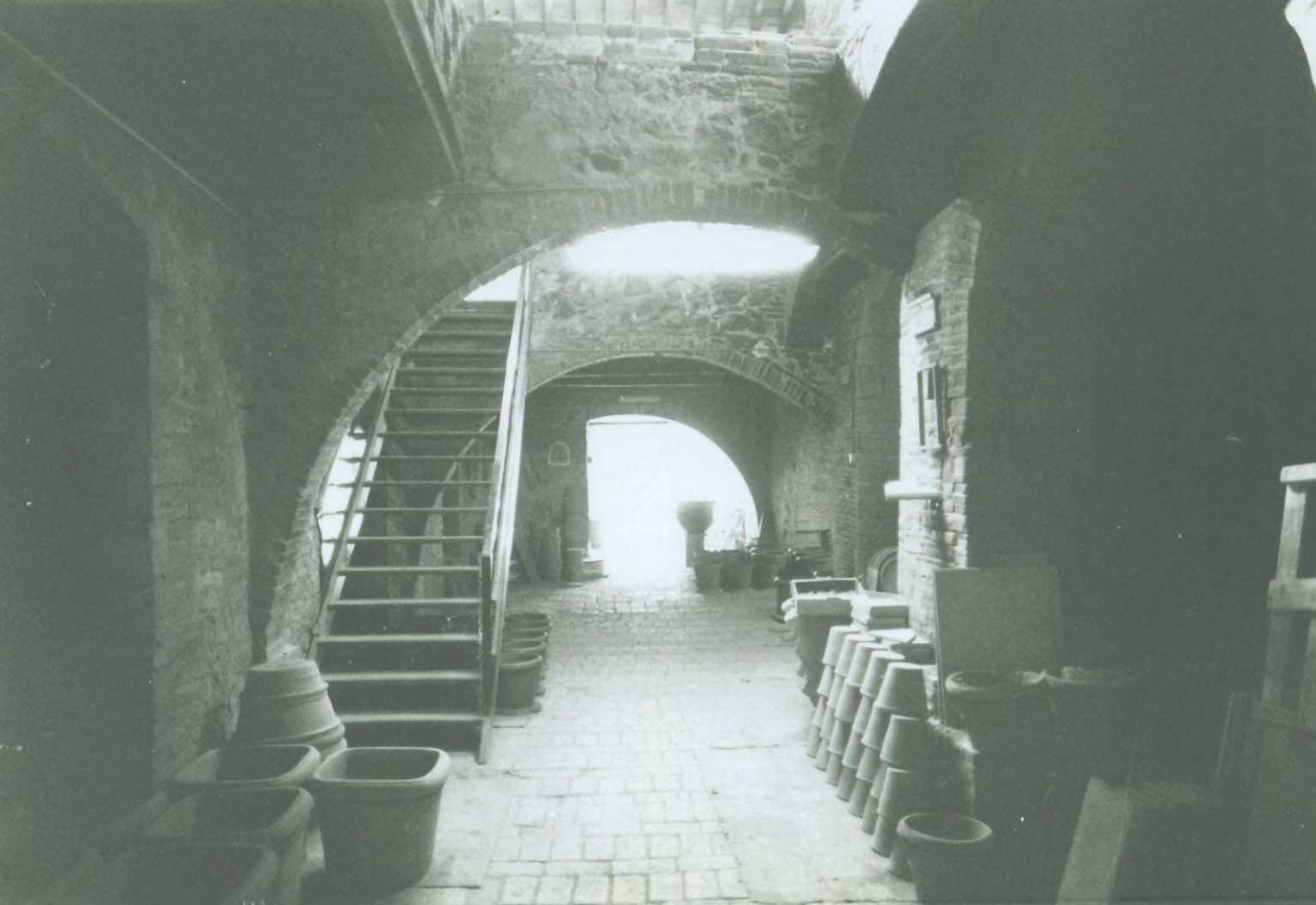
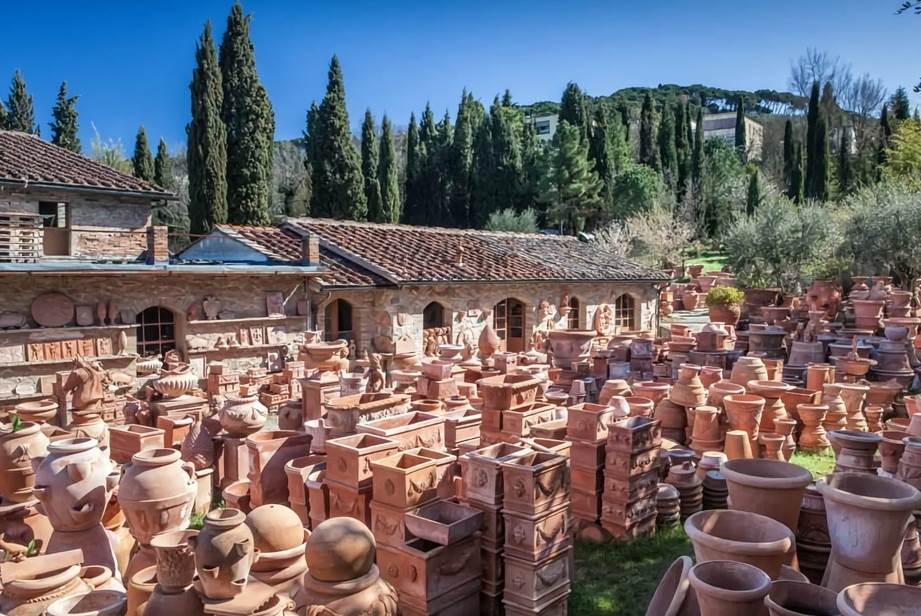
Ceramic Production
In mass production, pots take their final shape through a complex process carried out in specialized factories. It consists of several stages: mixing, drying, aging, glazing, firing, and quality control. Molds are used to shape clay vessels. The mold is a negative form, and the ceramic mass is poured into it for asymmetrical vessels or placed inside and machined with specialized equipment.
Throughout the year, only high-temperature-fired planters can be used outdoors, as they become hard and frost-resistant. An additional advantage is their relatively low price, which is a clear benefit for larger-sized planters. We classify ceramic products from the highest quality to the most basic, which differ in their resistance to shocks and temperatures as well as price:– thin-walled (low frost resistance)
– thick-walled (partial frost resistance)
– glazed (enhanced frost resistance)
If you enjoy handmade crafts, you might find shaping planters appealing. The process is neither complicated nor expensive and yields amazing results and satisfaction. You can experiment with shapes and create various decorations. Aesthetically inclined individuals can additionally make ornaments and paintings, beautifying their garden arrangements.
Techniques for creating terracotta planters
Depending on the technique used, the process of making terracotta planters can vary. However, it always involves important stages. The first is preparing the ceramic mass, followed by shaping, which involves giving the planter its desired form. The final stage is firing, after which decoration can be applied.
Forming clay into planters can be done in various ways:
- by hand on a traditional potter’s wheel
- using special plaster molds
- by assembling pieces of clay
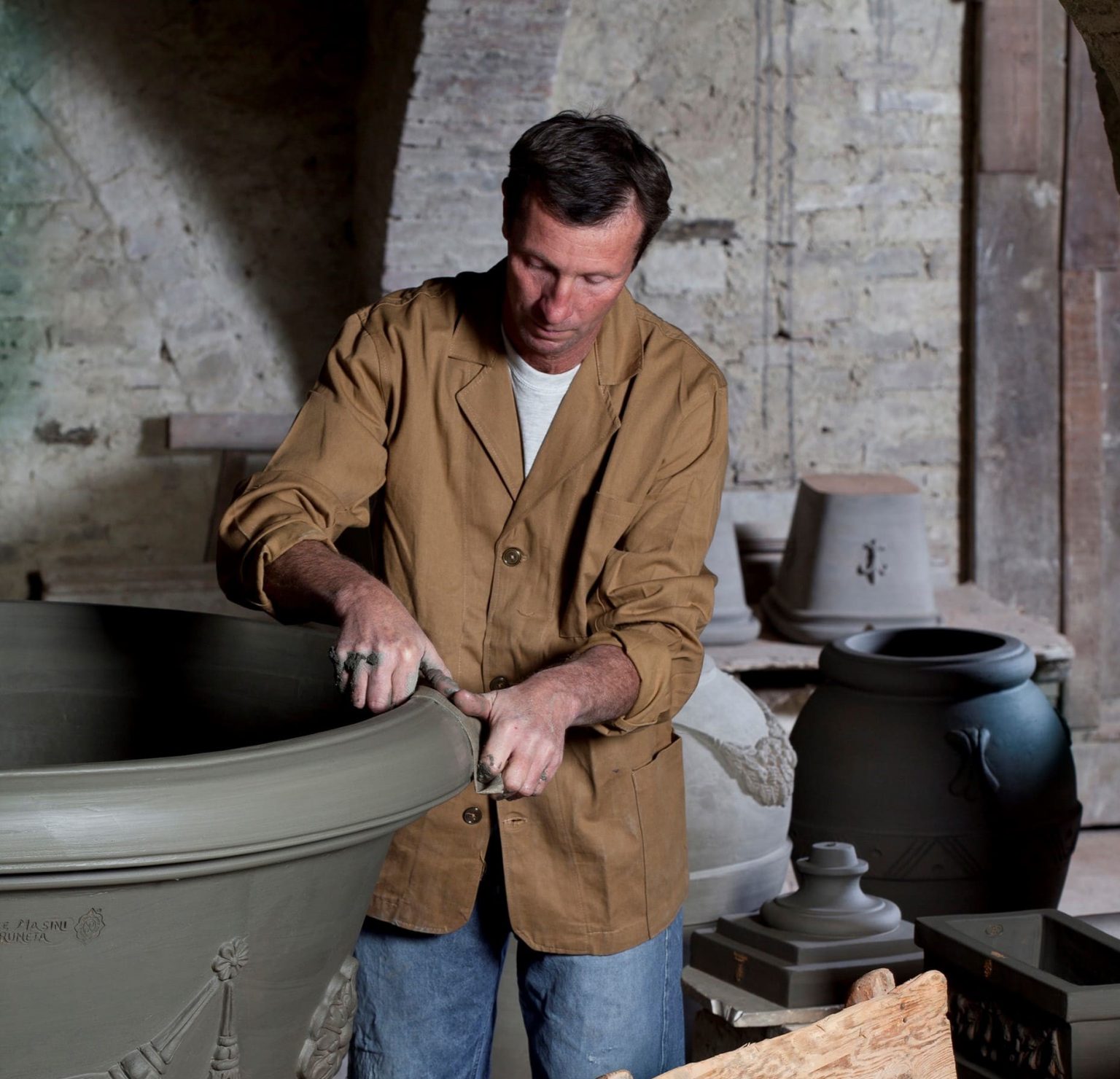
The most popular method of handcrafting terracotta planters is working on a potter’s wheel, used by ceramic artists to create perfectly round shapes that differ from factory-made ones. They require significantly more time and precision, but result in unique pieces. For wheel-throwing, we need a slow-drying, not-too-dense clay that can be freely modeled and have additional elements added, such as a mug handle. This technique is valued for its aesthetic qualities, and handcrafted items made this way gain a distinctive character and appeal. Mastering this technique can take a very long time.
Forming shapes with reusable clay molds allows for mass production of planters. The ceramic mass is poured into the mold, and a special wheel spreads it from the outer to the inner walls. When the mass reaches the appropriate hardness, the mold is removed, and the product is ready for further processing.
The oldest technique for making clay vessels involves minimal tools. It consists of attaching pieces of clay in the form of slabs or coils, or alternatively, kneading or hollowing out the clay. Planters made this way are very irregular, and creating two identical pieces is impossible.
Decorating planters
Additional visual appeal can be achieved through decorating the planters. An interesting method of decorating terracotta is the stamp technique. Creating patterns is very time-consuming, but the results are unmatched. For those who enjoy painting, good options include acrylic paints, special porcelain paints, permanent markers designed for writing on glass and metal, or regular nail polish.
To give a glossy and smooth surface, we glaze the planters, which must then be fired again. The process of making planters is complex because between each stage of processing, terracotta must spend several hours in the kiln, so producing a single item can take several days.