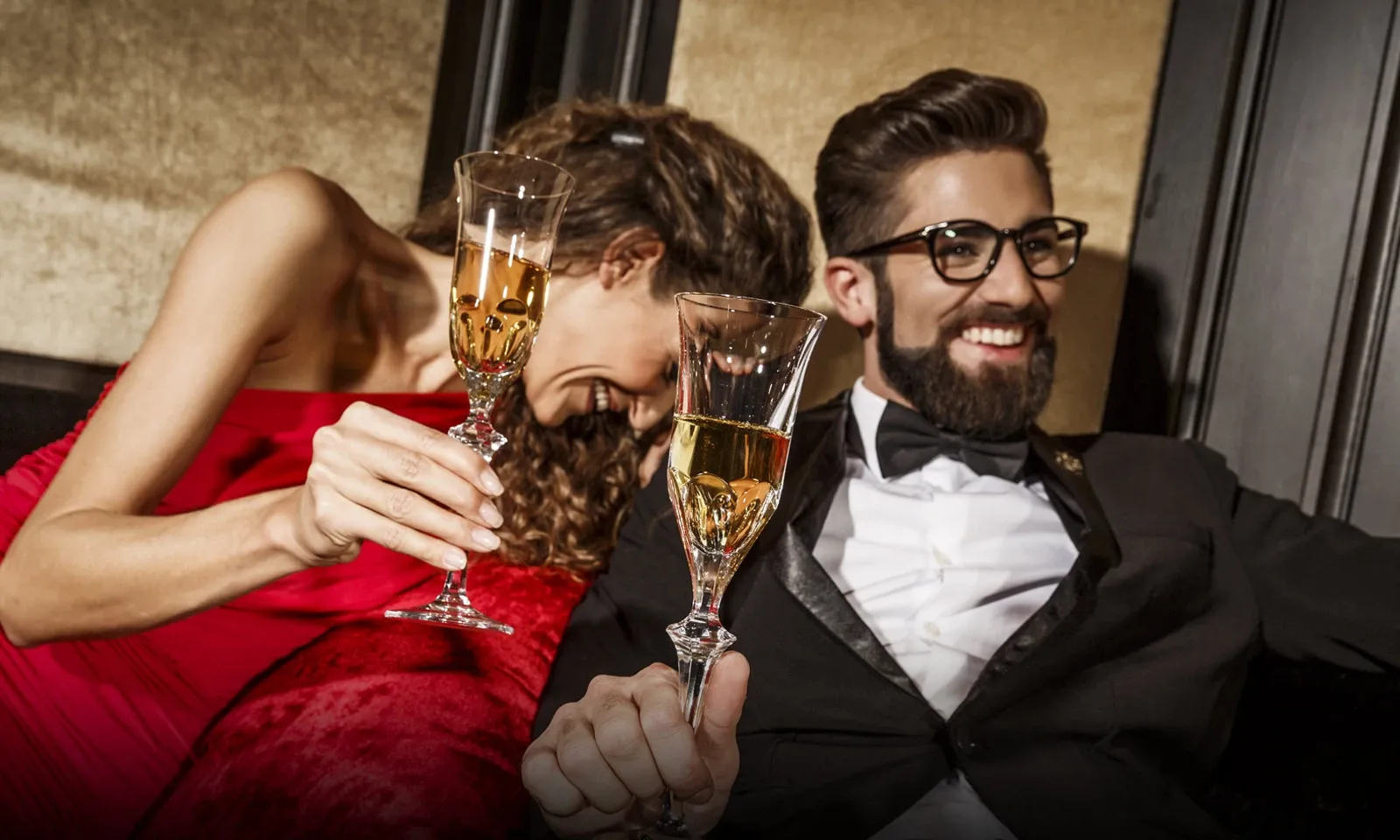
People who frequently attend various banquets, occasional parties, and balls are certainly aware that there is a specific etiquette clearly and transparently regulating how certain types of alcohol should be served. After all, we serve whisky differently, wine differently, and calvados in yet another way.
So what should you do when serving a fairly popular champagne in our country to your guests? In today’s article, we will examine the etiquette rules that apply to this low-alcohol beverage and suggest how to observe them. We warmly invite you to read!
How to serve champagne?
To serve champagne in accordance with proper savoir vivre etiquette, it is important to ensure that the drink is poured into specially designed glasses that facilitate enjoying its flavor and marveling at its unique aroma. Equally important is the ability to admire the rising bubbles on the surface, which further enhances the drinking experience. To achieve this, crystal glasses in the shape known as flute should be used, characterized by a tall stem, a slightly elongated, slender, and highly transparent bowl, as recommended by experts.
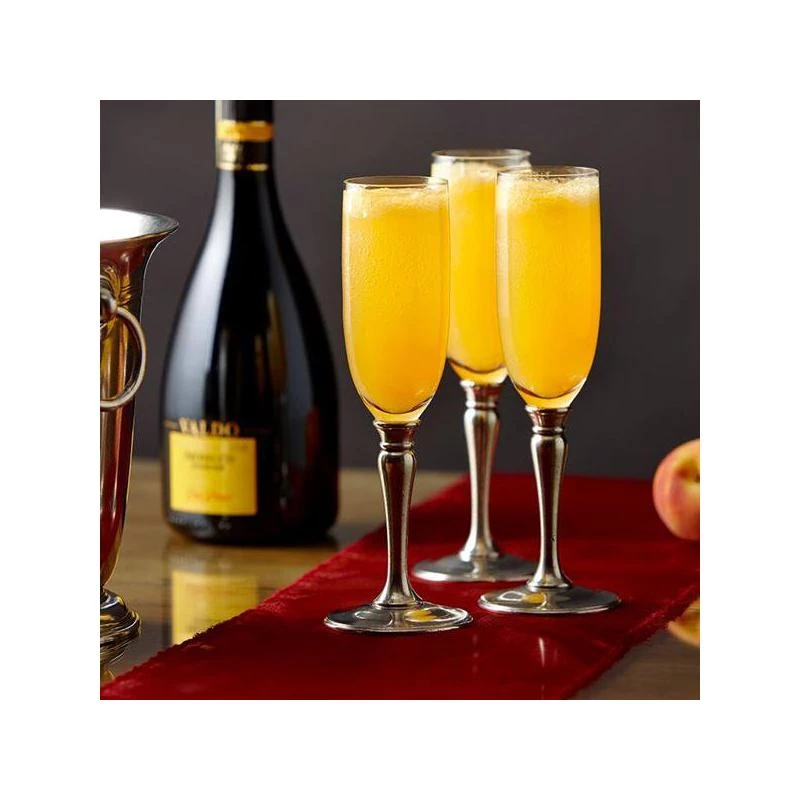
If guests are to enjoy maximum comfort while drinking champagne, the organizer should ensure that the glasses are brought to room temperature – if they are too cold, holding the glass for an extended period, for example during an engaging conversation, may prove quite challenging!
It is a bit different when it comes to the temperature of the beverage itself. To prevent the champagne from losing its unique organoleptic properties and to appeal to even the most discerning guests, before serving and pouring into flute glasses, it should be chilled in the refrigerator – experts recommend a temperature ranging from 5 to 9 degrees Celsius, as this allows for savoring the drink’s flavor while ensuring it is not too cold or unpleasantly warm.
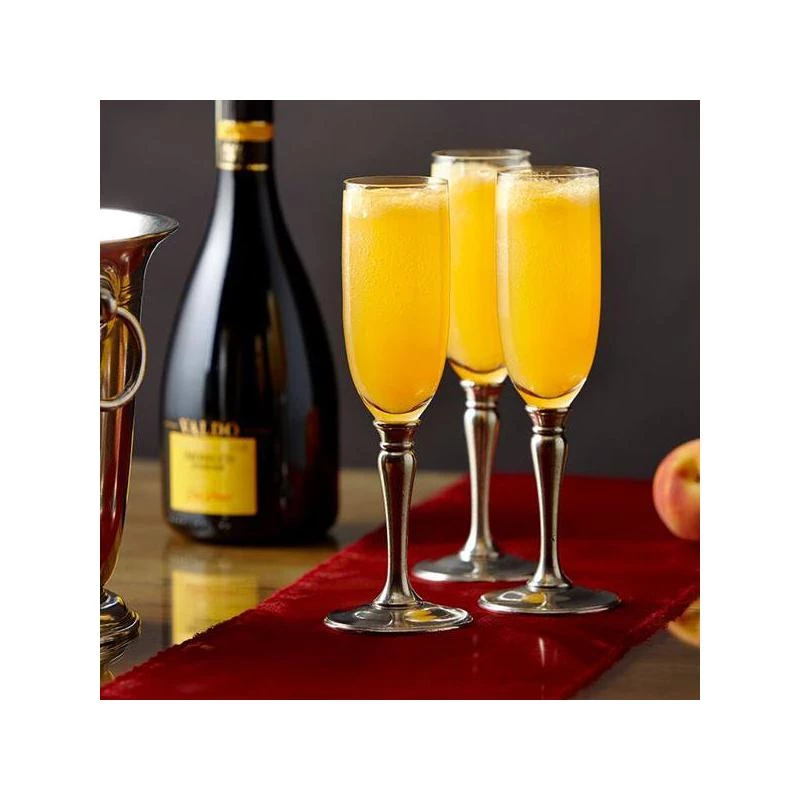
If the bottle is to remain available for guests or waiters, and the organizer wants to avoid continuously placing it in and taking it out of the fridge to maintain the perfect temperature, a great solution is to place it in a special metal bucket filled to the brim with ice. This is a common practice, especially in reputable restaurants, where the beverage is kept constantly on hand for guests, and even if it is consumed gradually, it remains properly chilled at all times.
Proper technique for pouring champagne
Regarding the art of serving champagne, it should be noted that it must be properly poured into glasses either in the kitchen or behind the scenes of the venue hosting the event. Bubbles are highly desirable, but high foam should be avoided, as it not only looks unattractive but can also cause spillage of the (often expensive) liquid.
This common issue can be easily prevented by pouring the champagne into the glasses at an angle, and initially filling about one-third of the glass before topping it up. This significantly reduces the risk of spillage and excess foam on the sides. Additionally, crystal is an ideal material for the glass.
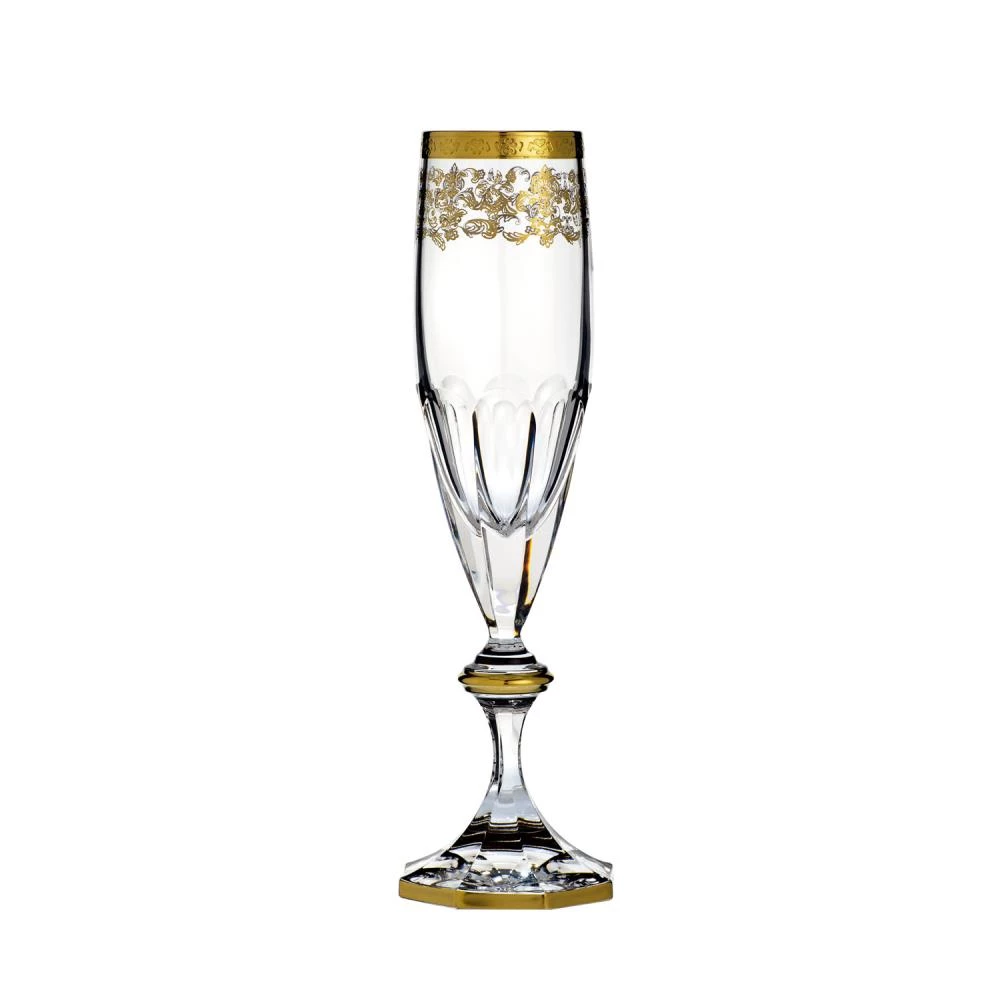
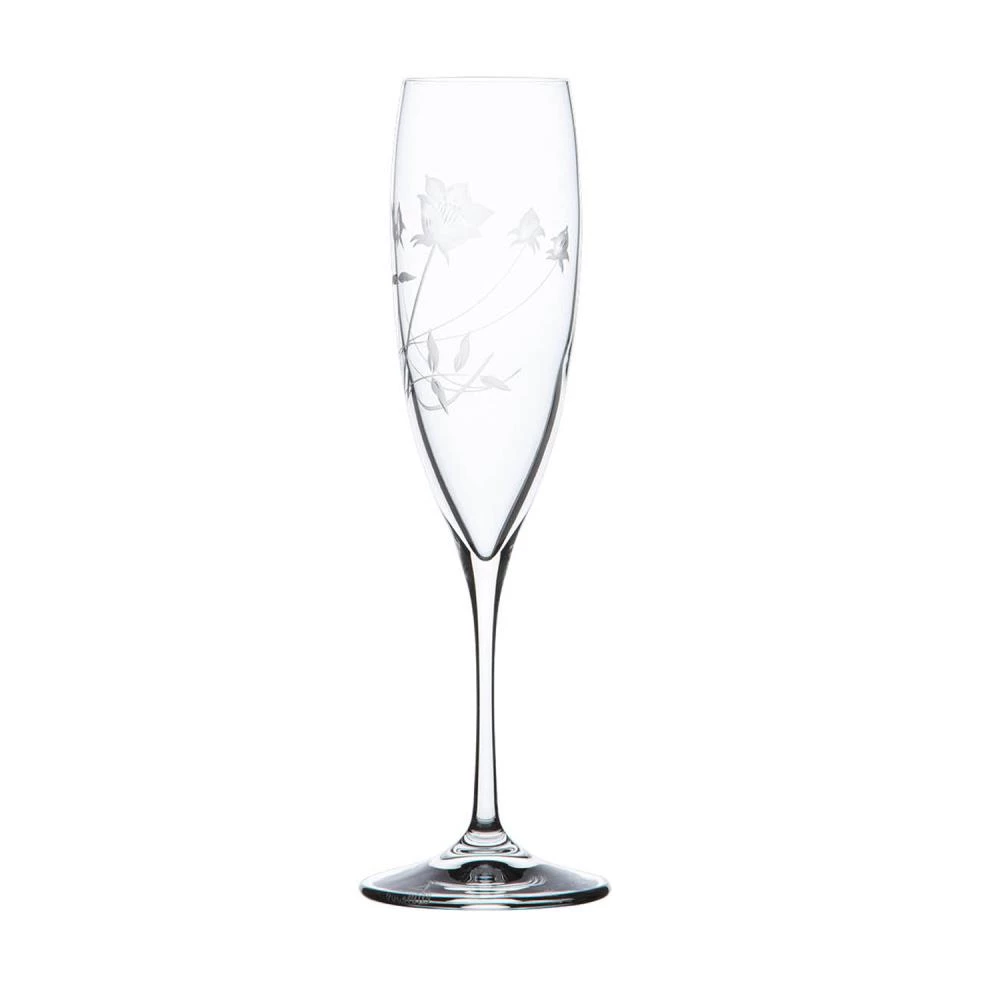
“How” we already know… but “with what”?
It is not recommended to serve even properly poured and chilled champagne without flavor additives that aim to bring out or emphasize its unique taste. To make this possible, this beverage should be served alongside delicacies such as natural cheeses, carefully selected seafood, sliced fruits, caviar… and if the event is organized at the highest national or international level – truffles may also be appropriate, which will surely appeal to the invited guests. Conversely, salty fish, all kinds of soups, or quite strongly seasoned meats and cold cuts with herbs and flavorings should be avoided.
In a word of conclusion…
In today’s post, we briefly introduced our readers to the main principles related to serving, storing, and presenting champagne. Will these rules only apply at high-profile parties and banquets? Absolutely not! We can practically apply the principles of alcohol etiquette when hosting family, friends, or colleagues in the comfort of our own home – knowing the current norms and customs will surely be appreciated and praised by the guests.
Who knows, perhaps this knowledge and the skills of properly serving both high- and low-alcohol beverages will prove useful on many social occasions? Even if not, they can be used as an interesting anecdote to start a conversation or to steer it towards other, more unusual topics!