There is a certain paradox in men's elegance. The most refined outfits often owe their character not to large, eye-catching elements, but to small, carefully selected details. Among them, a special place is held by a lapel pin – an unobtrusive accessory that can completely transform the overall impression of the silhouette. It is these few centimeters of metal, enamel, or fabric on the lapel of a blazer that make the difference between a man simply dressed and a man dressed with class.
History and Evolution of Lapel Pins
The origins of lapel pins in men's wardrobe go much deeper than one might think. Their history is intertwined with military traditions, aristocratic customs, and the evolution of men's fashion over the centuries.
Initially, lapel pins served both a strictly utilitarian and symbolic purpose. In European armies of the 18th and 19th centuries, metal badges on uniforms indicated rank, unit affiliation, and combat achievements. Each element had its meaning, and the ability to interpret these symbols was part of early culture. When soldiers returned to civilian life, they often maintained the custom of wearing medals—this time as a sign of pride in their past and belonging to a specific social group. The true democratization of lapel pins occurred in the 1920s and 1930s.
The golden age of elegance brought an explosion of men's accessories. Lapel pin ceased to be exclusive to military personnel and aristocrats—it became accessible to every man aspiring to higher standards of dress. Gentlemen's clubs, professional associations, and social organizations began creating their own emblems, which members proudly wore on the lapels of their suits. Owning the right lapel pin opened doors, built trust, and signaled belonging to a particular circle. The post-war years brought another transformation. The economic boom and the growing middle class made elegance more accessible than ever before. Men started experimenting with accessories, and the lapel pin gained new forms—from classic floral boutonnieres to modern, minimalist designs.
Popular culture played a significant role in cementing the lapel pin as a symbol of men's elegance. Style icons such as Cary Grant, Fred Astaire, and later James Bond portrayed by Sean Connery, regularly appeared with subtle accents on their jacket lapels. These images became ingrained in collective consciousness as a model of impeccable men's style. The 21st century has seen a renaissance of interest in classic elegance. After decades of casualization, there is a noticeable return to more formal, refined styles. The lapel pin has returned to the mainstream—not as a relic of the past, but as a conscious stylistic choice that combines tradition with modernity.
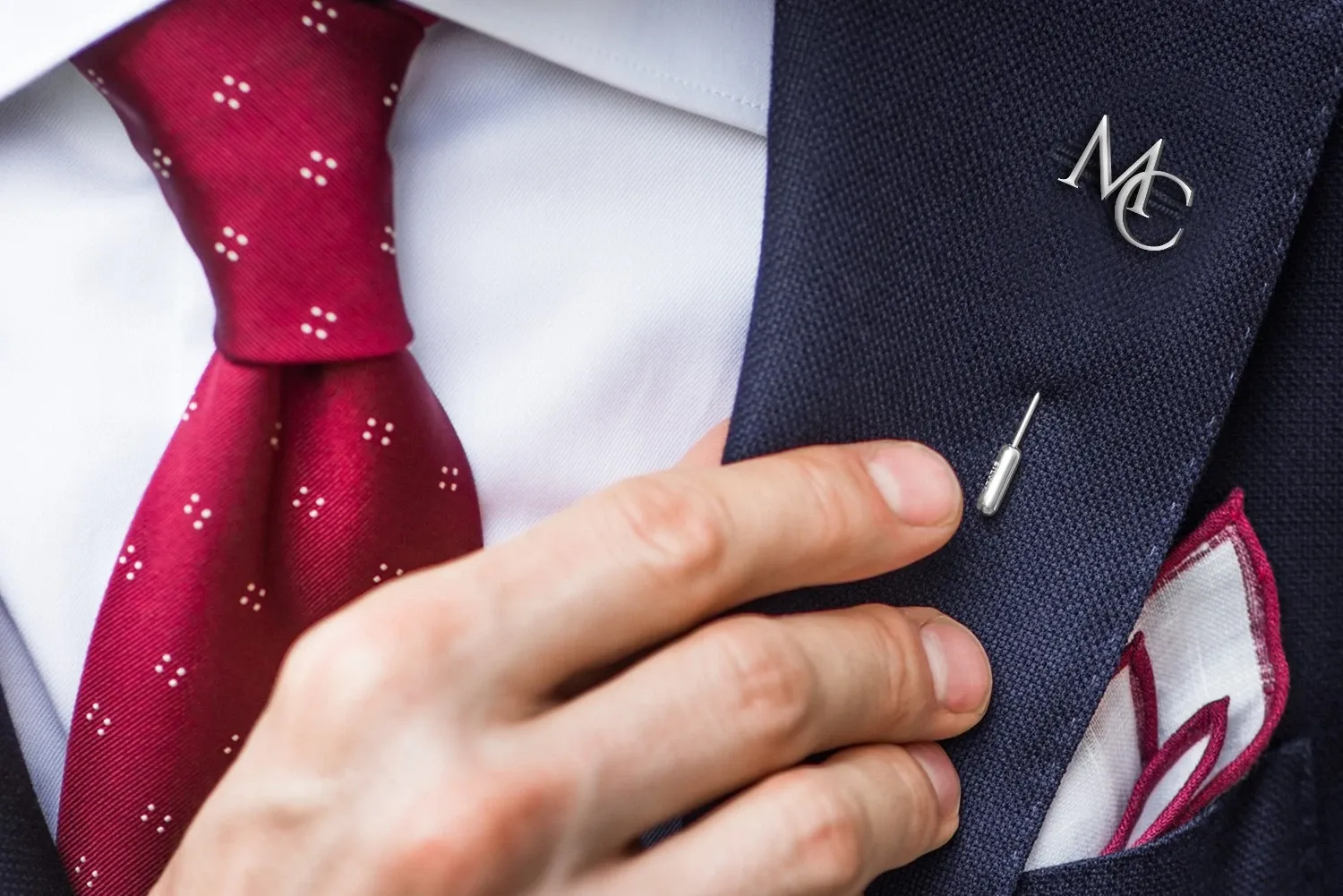 photo. feinfein.com
Types of Lapel Pins
The world of lapel pins offers a surprising variety of forms, materials, and meanings. The choice of the right type depends on the occasion, personal style, and the message that this small but expressive accessory is meant to convey.
Floral lapel pins (boutonniere)
They represent the most classic and formal category. Traditionally made from fresh flowers—most often roses, carnations, or orchids—today they are also available in artificial versions that maintain an elegant appearance for years. A boutonniere is invariably associated with wedding ceremonies, galas, and the most prestigious events. A fresh flower in a boutonniere expresses the highest respect for the occasion and the guests present.
Metal lapel pins
This category includes the broadest range of designs and applications:
- Organization and association badges – indicating membership in specific professional or social groups
- Heraldic emblems – referencing family or regional traditions
- Abstract symbols – geometric shapes for minimalism enthusiasts
- Historical replicas – for vintage lovers and collectors
Branded and logo lapel pins
They have gained particular importance in the business environment. A subtle company emblem on the lapel of a blazer builds brand consistency and strengthens organizational identification. However, the key remains the ability to maintain balance – a company pin should be elegant and discreet, never intrusive or tacky. Patriotic and flag pins carry a strong emotional charge. A miniature national flag or a state coat of arms on the blazer lapel is a sign of attachment to the homeland, especially appreciated during official state ceremonies or international meetings.Themed pins
They allow for expressing personal passions and interests:
- Symbols related to hobbies (music, sports, travel)
- Emblems of clubs and hobby organizations
- Signs of affiliation with social movements
- References to popular culture
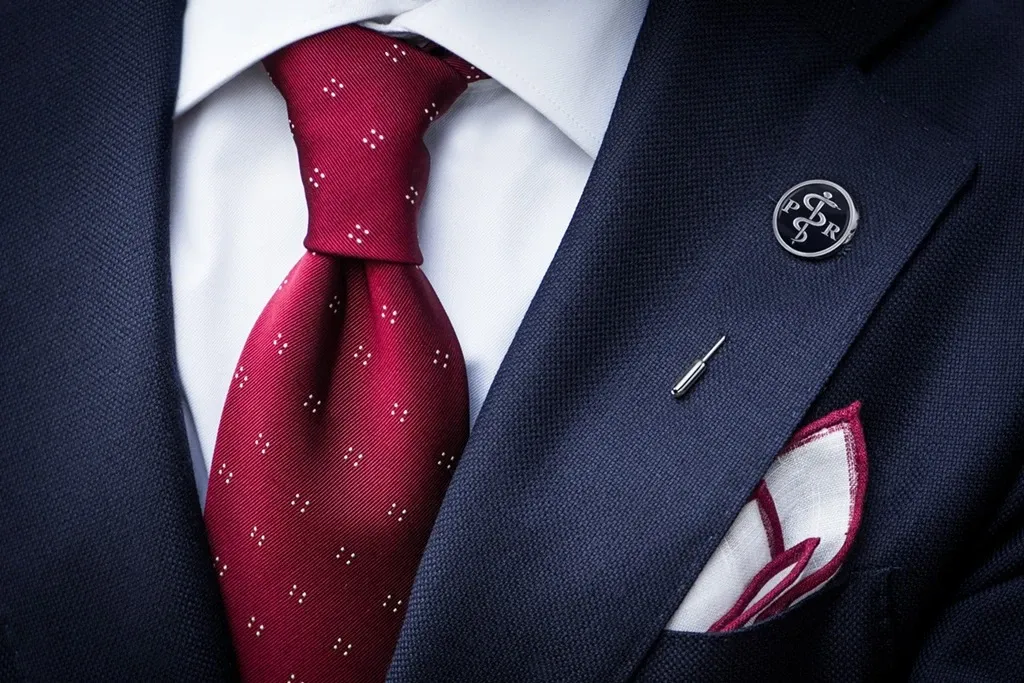 photo: feinfein.com
Vintage and collector’s pins
This market attracts more and more enthusiasts. Original pins from the 1920s, 1930s, or 1950s are not only elegant accessories but also pieces of history. Their value often exceeds the decorative aspect. Modern interpretations of pins combine classic forms with contemporary design. Minimalist projects, unusual materials, and innovative techniques attract a younger generation of men seeking ways to stand out without sacrificing elegance.
How to properly wear a lapel pin?
Knowing the rules of wearing a lapel pin distinguishes a true connoisseur of men's elegance from an amateur. An apparently simple accessory requires adherence to specific rules, the violation of which can ruin the entire styling effect.
The anatomy of a blazer determines the exact placement for the pin. Traditionally, it is placed on the left lapel, at the buttonhole – the so-called buttonhole. This small slit in the fabric was originally used for inserting a flower stem. Modern metal pins are attached directly through the fabric of the lapel, always in the same area – at chest level, which also carries additional symbolism. The height of the pin’s placement matters. It should be approximately at the level of the top of the breast pocket, never too high (near the collar) or too low (below the lapel). The optimal position is about 2-3 centimeters below where the lapel begins to fold away from the blazer.
The principle "less is more" is the foundation of elegance. One carefully selected lapel pin always looks better than a collection of several decorations crowded on the lapel. An exception is situations where wearing multiple badges results from protocol – for example, during official state ceremonies or meetings of organizations to which the person belongs. In everyday situations, however, a single pin remains the gold standard. Matching the pin to the occasion requires intuition and understanding of the context:
- Formal ceremonies (weddings, galas, banquets) – boutonnière with a fresh or artificial flower, or an elegant metal pin in subdued colors
- Business meetings – discreet company pin or a classic, minimalist design
- Industry events – greater freedom in choice, opportunity to express personality
- Casual occasions – themed pins referencing hobbies or interests
Color coordination with the rest of the outfit requires attention, but not obsessive precision. A lapel pin doesn't have to perfectly match the tie or pocket square — it can provide a subtle contrast or complement the color palette of the entire ensemble. The key is that it does not compete with other elements of the outfit but harmoniously enhances them.
Errors to avoid:
- Wearing a lapel pin on the right lapel (tradition recommends the left side)
- Too large, flashy lapel pins disproportionate to the size of the lapel
- Poor-quality, tacky lapel pins that spoil the overall impression of the outfit
- Wearing multiple lapel pins without a formal reason
- Inappropriate lapel pins for the occasion (e.g., humorous ones at formal meetings)
- Neglected, scratched, or damaged lapel pins
Cultural differences in wearing lapel pins can be significant. In Anglo-Saxon countries, the tradition of boutonnières remains alive and valued. In Japan, company lapel pins are almost a mandatory element of business attire. In some cultures, certain symbols on lapel pins may carry meanings that are not obvious to foreigners — it’s worth exercising caution during international travel.
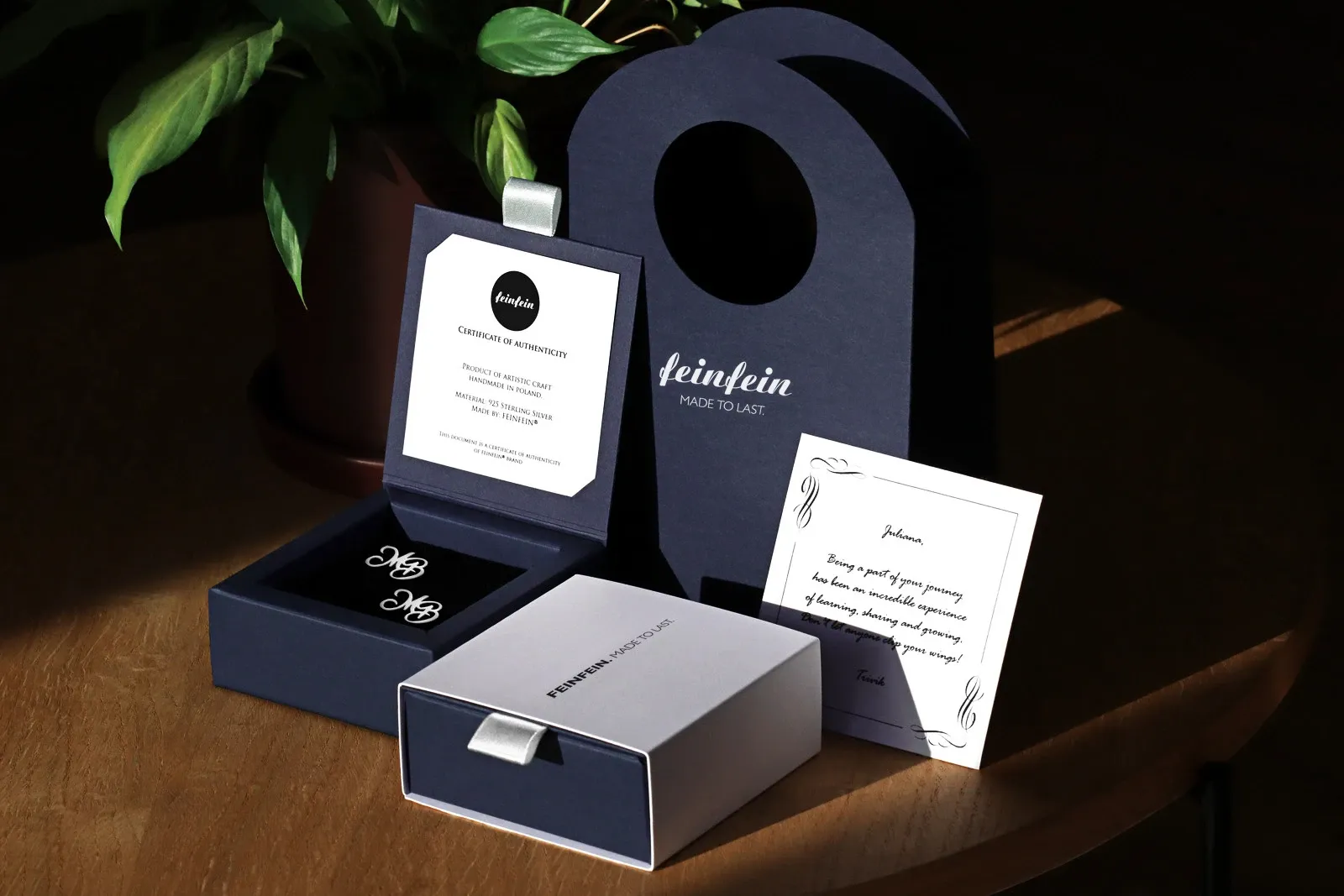 photo: feinfein.com
Lapel Pin as a Personal Branding Element
In the era of conscious image building, every element of presentation takes on strategic importance. A lapel pin on a blazer becomes a tool for personal branding — a subtle yet effective way to communicate your professional and personal identity.
Building a personal brand through consistent accessory choices relies on repetition and recognizability. A man who regularly appears with a distinctive lapel pin is associated with it in others’ memories. It can be a discreet emblem referencing the industry, a symbol of personal values, or simply an elegant, minimalist design that becomes a signature mark.
A lapel pin as a conversation starter in networking opens unexpected opportunities. During industry events, conferences, or business meetings, a well-chosen lapel pin can serve as a pretext for initiating a conversation. An unusual design, a symbol related to a specific field, or a reference to shared interests — all create natural points of contact for dialogue. In a world where networking is key to professional success, any facilitation in making connections is valuable.
Expressing personality through the choice of a lapel pin allows for subtle communication of who you are without verbal declaration. An art lover might wear a miniature replica of a favorite artwork. A sailing enthusiast — a discreet maritime symbol. An advocate of certain values — an emblem of an organization they support. Each of these choices says something about the owner before they even speak a word.
However, signaling values and beliefs through a lapel pin requires tact. In a professional environment, overly explicit ideological declarations can be risky. A lapel pin should open doors, not close them. Therefore, in business contexts, universal, positive, and non-controversial symbols are most appropriate.
When are lapel pins suitable in a corporate environment:
- Client meetings — discreet company lapel pins build a professional image
- Industry conferences — greater freedom to express personality
- Everyday office life — depends on organizational culture
- Presentations and public speaking — a lapel pin can reinforce the message
- Negotiations — neutral elegance without distracting elements
Building recognition through a consistent choice of accessories requires patience and regularity. The effect does not appear immediately – it is a process in which a small detail gradually becomes part of your personal image. Over time, however, a lapel pin can become such a distinctive element of your presence that its absence will be noticed.
Inspirations and Styling Examples
Theory comes to life only in practice. Specific styling examples using a lapel pin show how this small element can transform the entire look.
Classic combination: suit + tie + lapel pin
Navy suit, white shirt, burgundy tie, and a silver lapel pin in the form of a discreet knot – this pairing works well for formal business meetings and elegant events. The lapel pin completes the look without competing with the tie for attention. Result: professionalism with a touch of individuality.
A modern, tieless outfit is gaining popularity. A gray blazer, black shirt with an open collar, and a geometric lapel pin in anthracite create a contemporary and refined look. The absence of a tie makes the lapel pin the main accent on the lapel – it can be slightly bolder than in formal combinations.
Contrast play – for the bold
A conservative, dark suit paired with an unexpected lapel pin – it could be a miniature piece of art, a colorful emblem, or a designer project. The contrast between the restraint of the outfit and the expressiveness of the accessory creates tension that draws attention and leaves an impression. This strategy is for those who want to stand out while maintaining a professional foundation. Minimalism as a style philosophy is expressed through a single, carefully selected lapel pin as the only accent of the entire outfit. Black suit, white shirt, no tie, and one perfectly crafted lapel pin – nothing more. This reduction to essentials requires confidence and quality elements, but the effect can be stunning.
Layering accessories – an advanced technique
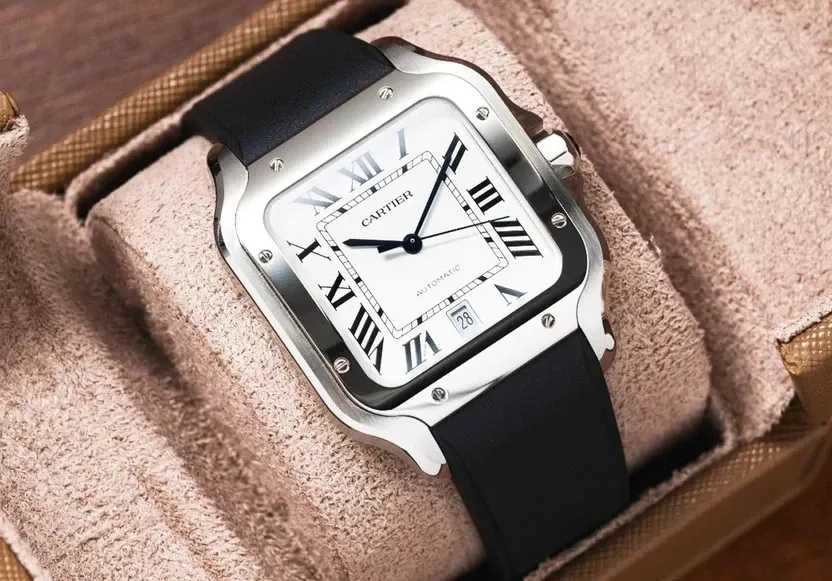
A lapel pin can harmonize with other accessories, creating a cohesive stylistic narrative. A watch with a dial in the same shade as the lapel pin. Cufflinks matching the emblem pattern on the lapel. A pocket square in a complementary color completes the ensemble. This level of attention to detail does not go unnoticed.
Celebrities and influencers provide inspiration, though not always for direct imitation. David Beckham regularly appears with subtle lapel pins matching the occasion. Ryan Gosling often chooses classic boutonnières on red carpets. The British Royal Family maintains the tradition of wearing medals and emblems. Each of these examples shows how a lapel pin can enhance personal style.
"Before and after" transformation
The same suit, the same shirt, the same tie – yet a completely different impression. Adding a thoughtfully chosen lapel pin to the blazer can elevate a simple outfit to a higher level. It’s like the dot over the "i" in an elegant sentence – seemingly a small detail, yet its absence would be noticeable.
Why is it worth wearing lapel pins?
The lapel pin remains one of the most underestimated elements of men's wardrobe. In a world that increasingly values authenticity and attention to detail, this small accessory gains significance. It’s not about following trends or copying others – it’s about consciously building your own image, where every element has its place and meaning. The history of lapel pins dates back centuries, and their future seems equally promising. As men rediscover the value of classic elegance, the lapel pin takes its rightful place among fundamental accessories. It’s a small financial investment but potentially impactful for your image.
Ultimately, a blazer pin is more than just an accessory. It’s a statement — a subtle declaration that its owner understands the importance of details, values tradition, and isn’t afraid to express their personality. In a world where everyone looks similar, such a signal holds invaluable significance.FAQ - Blazer Pin
1. Where exactly should a blazer pin be attached?
It should be worn on the left lapel of the blazer, at the buttonhole. This is the traditional and most elegant placement, highlighting the symmetry of the outfit. The pin should be positioned about 7-10 cm below the shoulder, at chest level.
2. How many pins can be worn on a blazer at the same time?
The rule of "less is more" applies here — it’s best to wear one, at most two pins. Too many pins can seem excessive and distract from the overall style. One well-chosen pin is an elegant accent, while an excess can look chaotic.
3. Is a blazer pin appropriate in a business environment?
Yes, a pin can be a perfect addition in a corporate setting, provided it is subtle and understated. Metal pins with company logos, discreet emblems, or classic floral pins for special occasions work best. Avoid overly flashy or controversial designs in formal business environments.
4. What materials are most durable for blazer pins?
The most durable are enamel-coated metal pins, which maintain their appearance over the years. Metals (brass, silver, stainless steel) are resistant to damage, and enamel protects against scratches. Floral pins are beautiful but less durable — the best are made from silk or high-quality fabrics.
5. How does a pin influence perceptions of professionalism?
A pin signals attention to detail and a refined style, which translates into a perception of professionalism. Studies show that people wearing well-thought-out accessories are perceived as more competent and confident. It’s a small detail that can significantly impact the first impression in business contacts.
6. Are floral pins only suitable for weddings?
No, although floral pins (boutonnières) are traditionally associated with weddings, they can also be worn at other formal events. They’re appropriate for galas, premieres, elegant dinners, or important business meetings. The key is matching the type of flower and color to the occasion and the rest of the outfit.
Sponsored article