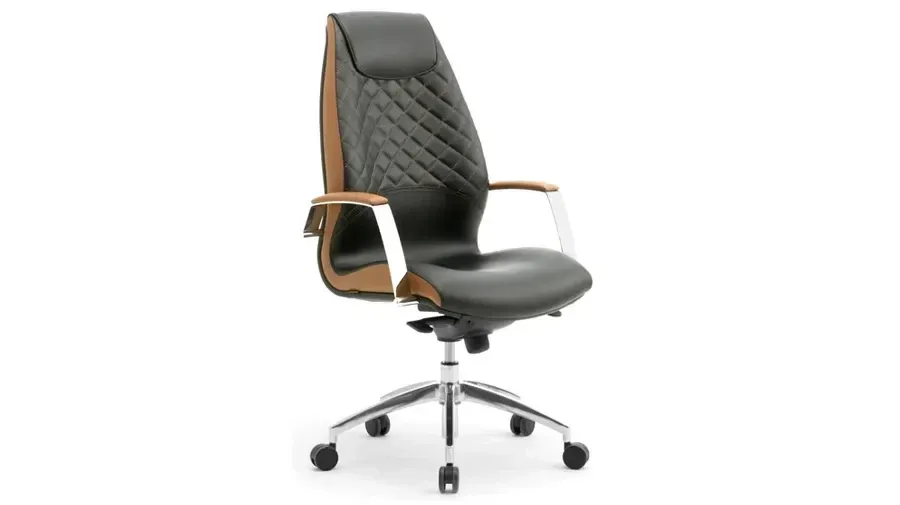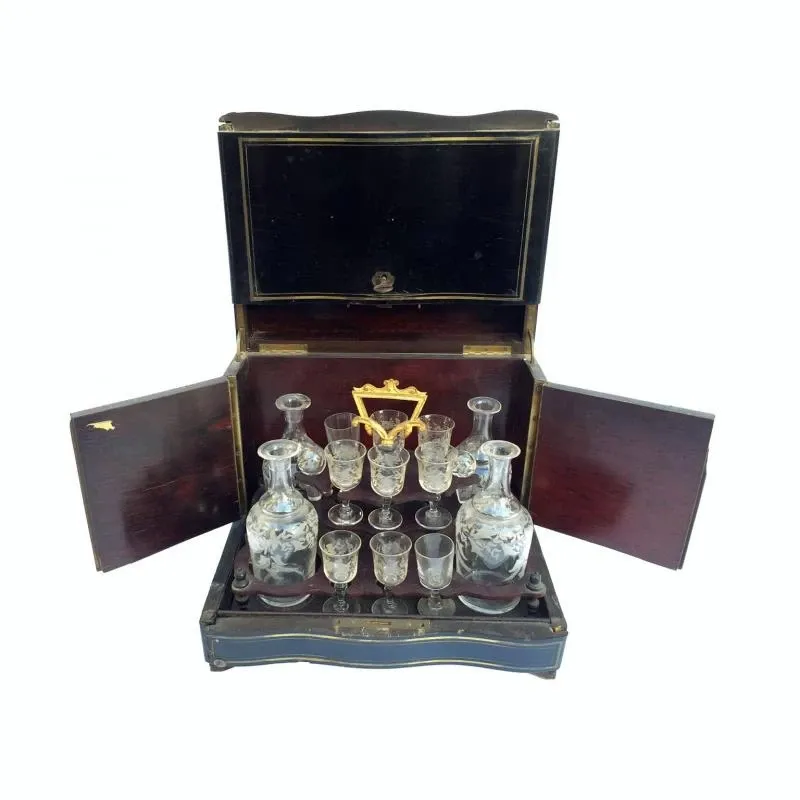
Many of us are well aware of this problem – we own beautiful antique furniture, decorative elements, or lighting fixtures with a unique character, but day after day we notice how they lose their shine and become merely a faint shadow of their original form.
How to change this fact? How to preserve antiques and how to care for them so that they serve us for as long as possible while delighting the eye with their unique appearance? We will take a closer look at this issue in today’s article!
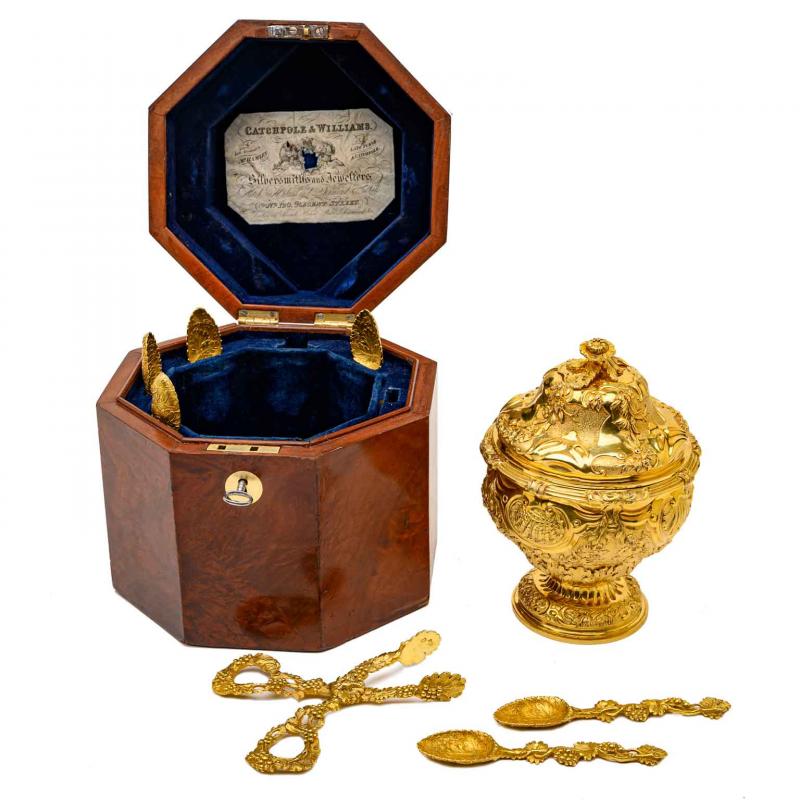
How to care for antiques? - take care of the surroundings
First and foremost, it is important to remember that interior decor elements that are already several decades, or even hundreds of years old, should not be exposed to excessively high temperatures. This means placing them as far as possible from any heat sources such as fireplaces, radiators, or stoves.
Continuous exposure of surfaces to temperatures significantly exceeding room temperature can lead to deformation of antiques, and often also to their permanent damage, which we would certainly prefer to avoid if possible. Similarly, excessive humidity can adversely affect aged items, so antiques should be kept in relatively dry rooms, protected from mold, dampness, or excessive moisture in walls and floors.
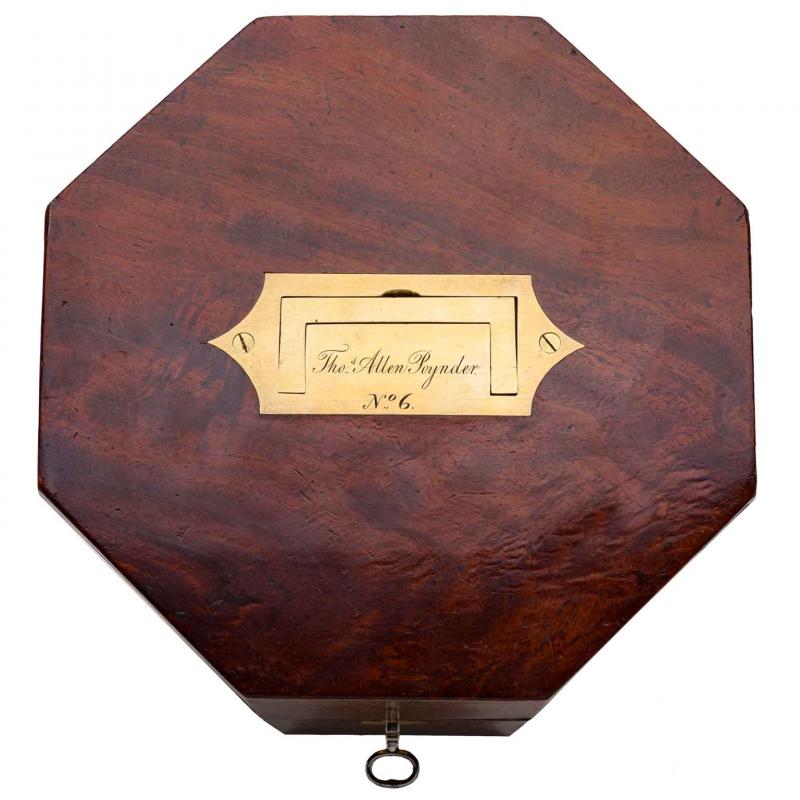
It is also important that antique items are placed in a space with appropriate shading. Such items are not suitable for direct sunlight exposure, as prolonged exposure can cause discoloration, faded areas, and cracks (especially dangerous for aged wood). However, this issue can be easily avoided by covering windows in the room where antiques are displayed with curtains or blinds.
Proper care and maintenance
Some of our readers may not be aware of this, but for the care, conservation, and DIY revitalization of antique products, it is essential to use specialized, dedicated products and to remove dust, dirt, and all kinds of contaminants in the proper way.
Primarily, try to clean the external surface of such items dry, using a gentle cloth that is not soaked with water or cleaning agents available in stores and supermarkets. The ingredients in these products can damage the delicate, elegant polish, which could lead to the need for long-term and costly restoration by an expert. You can also avoid this problem by not using a vacuum cleaner during cleaning — its nozzle might scratch furniture or decorative elements, significantly worsening their condition, especially if you tend to make quick, vigorous movements.
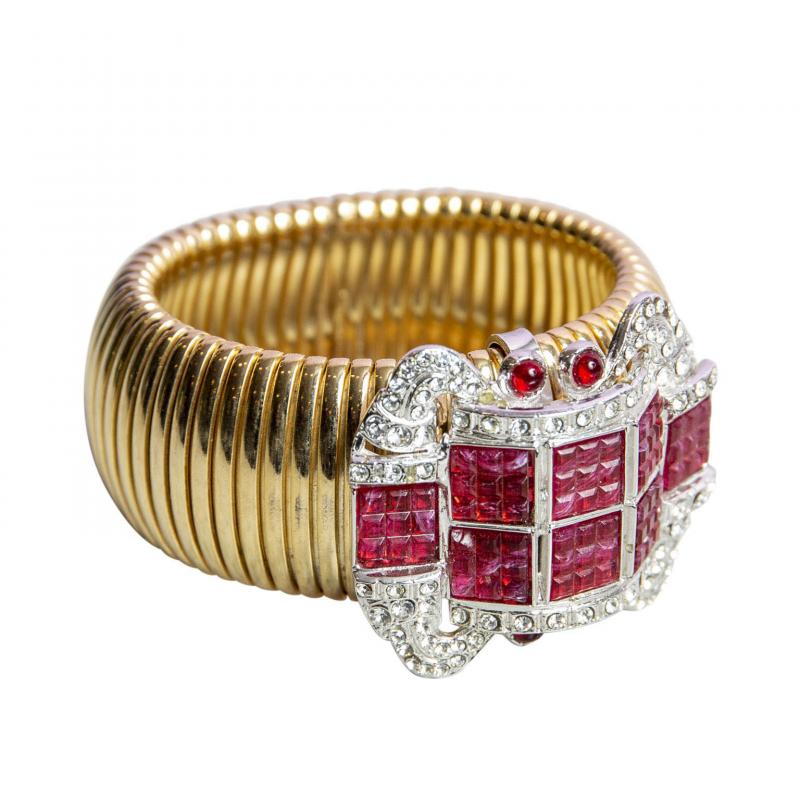
If you want to properly and professionally care for your items, keep in mind that regularity is very important. It is highly recommended to spend a few to several minutes every few months to thoroughly polish antiques. This should be done only using products recommended by experts or natural beeswax. Ignoring these recommendations and using standard polishes can lead to similar issues as with the cleaning agents mentioned above.
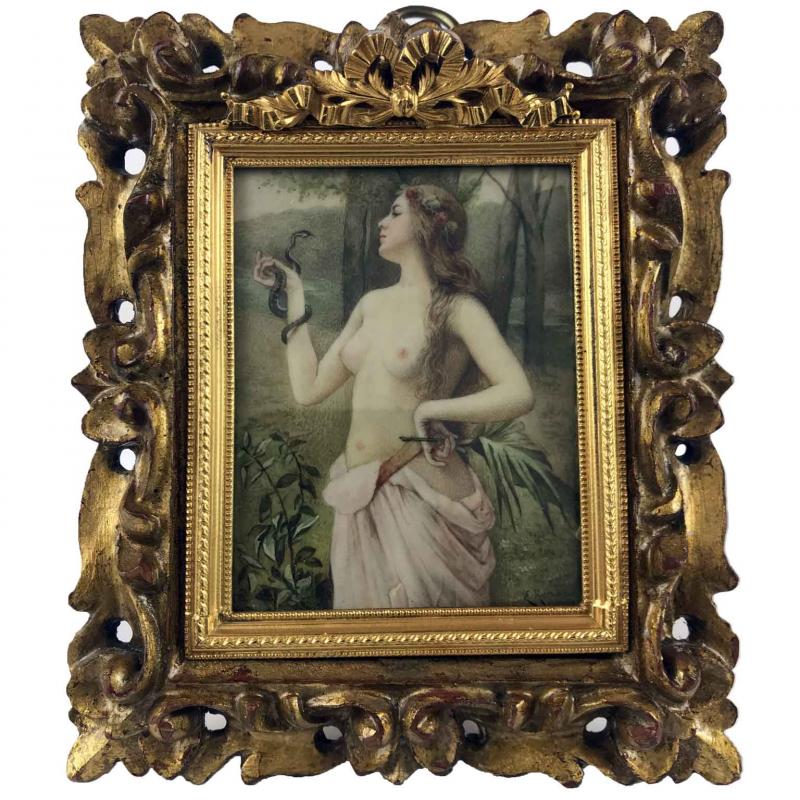
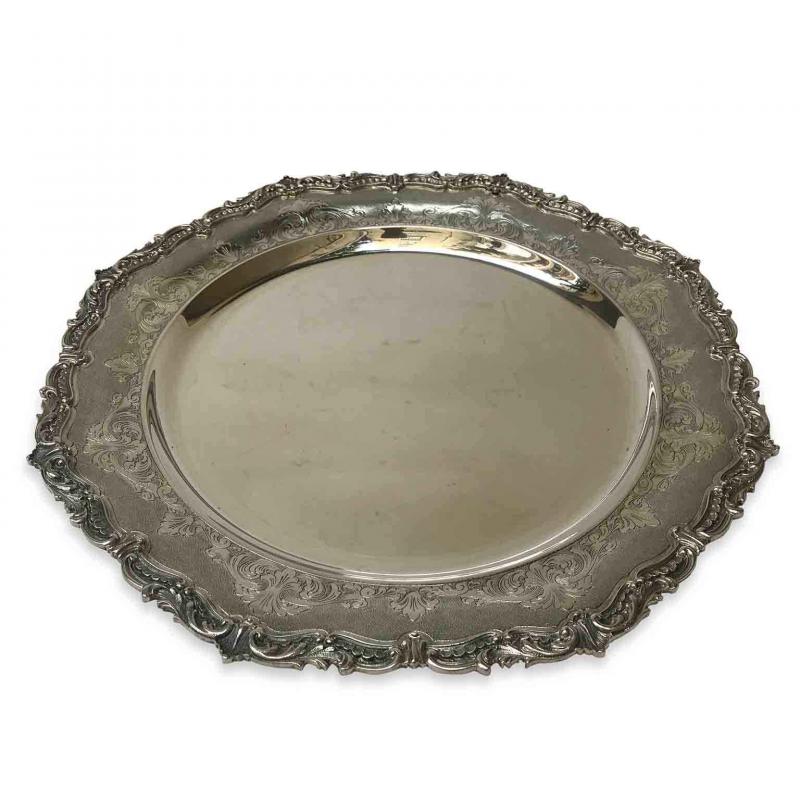
In conclusion…
The tips presented in today’s article can be successfully used both by antique owners and by professionals involved in their restoration and sale.
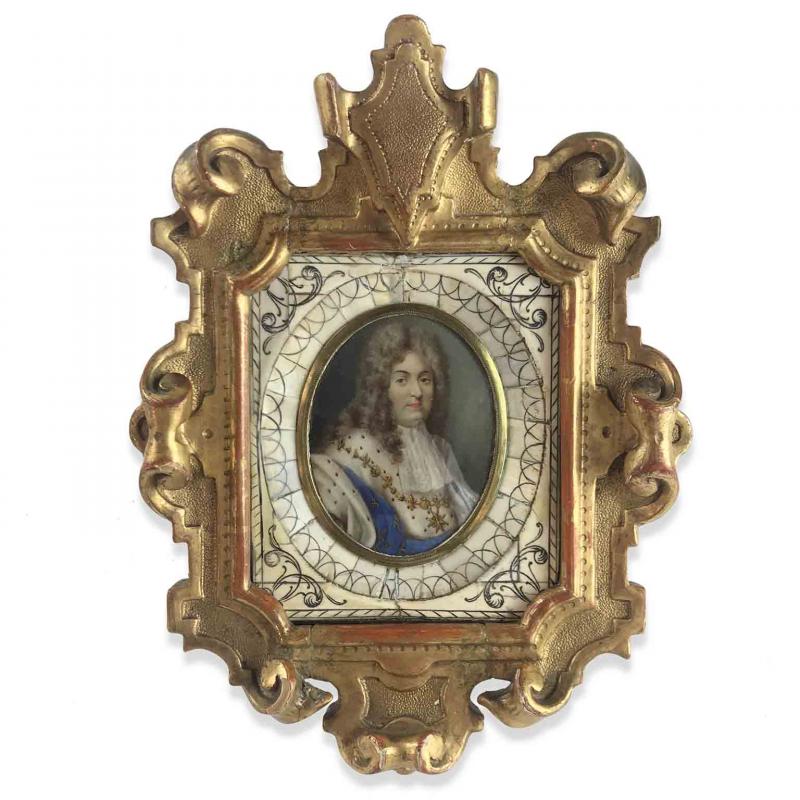
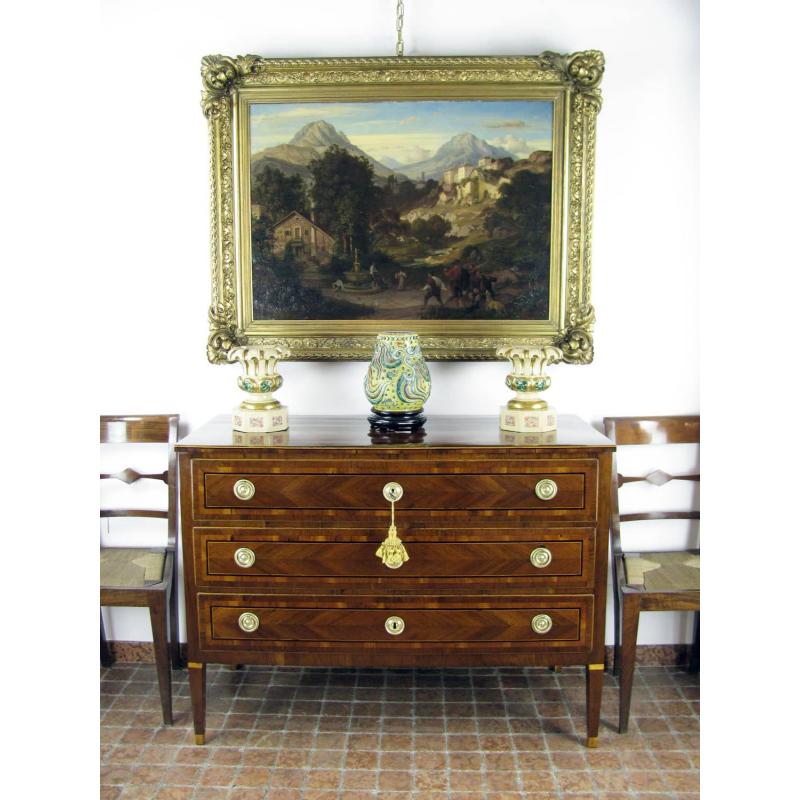
Whether they are meant to beautify a living or utility space or to attract customers with their impeccable appearance, just knowing a few simple techniques is enough to achieve and maintain a flawless look and condition of decorative elements that boast a long history!