

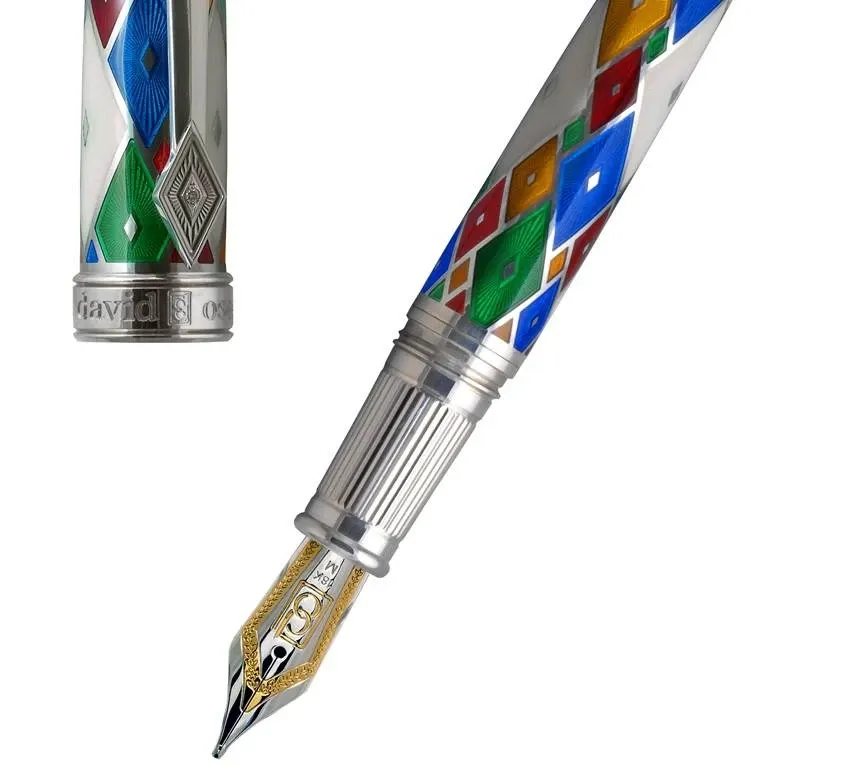
Fountain pen… for some of us, it's just a relic of the past, for others, still a noteworthy writing instrument used for writing letters or notes, and for yet others — a keepsake from close or distant family members.
Regardless of how we perceive such a product, one thing is certain – because it is often made from the highest quality materials and handcrafted, it holds immense value, both historically-sentimentally and materially. To ensure that the latter does not diminish over time, but rather increases with each passing year, we need to know how to properly care for our fountain pen. For this purpose, we have prepared this article for all interested readers, which we warmly invite you to read!
How to care for a fountain pen? - what can harm it?
The value of the item at the center of our post can be negatively affected primarily by unfavorable weather conditions, external factors, as well as mechanical damage and scratches. To minimize their impact on our fountain pen as much as possible, ensure it is stored in a specially designed case, especially when not in use. According to all kinds of experts and collectors, the worst idea you could have is storing a writing instrument made from precious metals and richly decorated with other pens, markers, or drawing tools together – this is a straightforward way to deteriorate its condition, and with a bit of carelessness… even cause irreversible damage, which we definitely want to avoid!
Sometimes, there may also be situations where, due to regular use, the surface of our fountain pen becomes dirty or shows traces of dried ink on its surface.
What should be done in such a situation?
The most effective solution is comprehensive cleaning of the product. The nib and other contaminated parts should be placed in a container (such as a bowl or glass) filled with clean, room-temperature water. Leave the pen in the container for a few hours, which will cause the ink to gradually dissolve…along with other impurities we want to remove. Avoid adding any cleaning agents to the water, as they may react chemically with the components of your pen, leading to a significant deterioration of its overall condition. When you notice that the dirt no longer negatively affects the appearance of your writing instrument, it’s time to remove it from the container, then gently wipe each part with a soft cloth to remove moisture and any remaining, more stubborn dirt. If you don’t do this, residues could continue to linger on or inside the pen, greatly hindering writing or making the task simply impossible.
There may also be situations where, despite thorough cleaning and drying, the product still refuses to write properly or its visual condition leaves something to be desired. In such cases, instead of taking further hasty steps on your own, it’s advisable to seek advice from experts who regularly offer writing instruments to clients and are well-versed in the specifics and secrets of maintaining all kinds of fountain pens. They will advise you on what to do to make your pen look and perform like new again, as well as recommend additional care products to improve its condition.
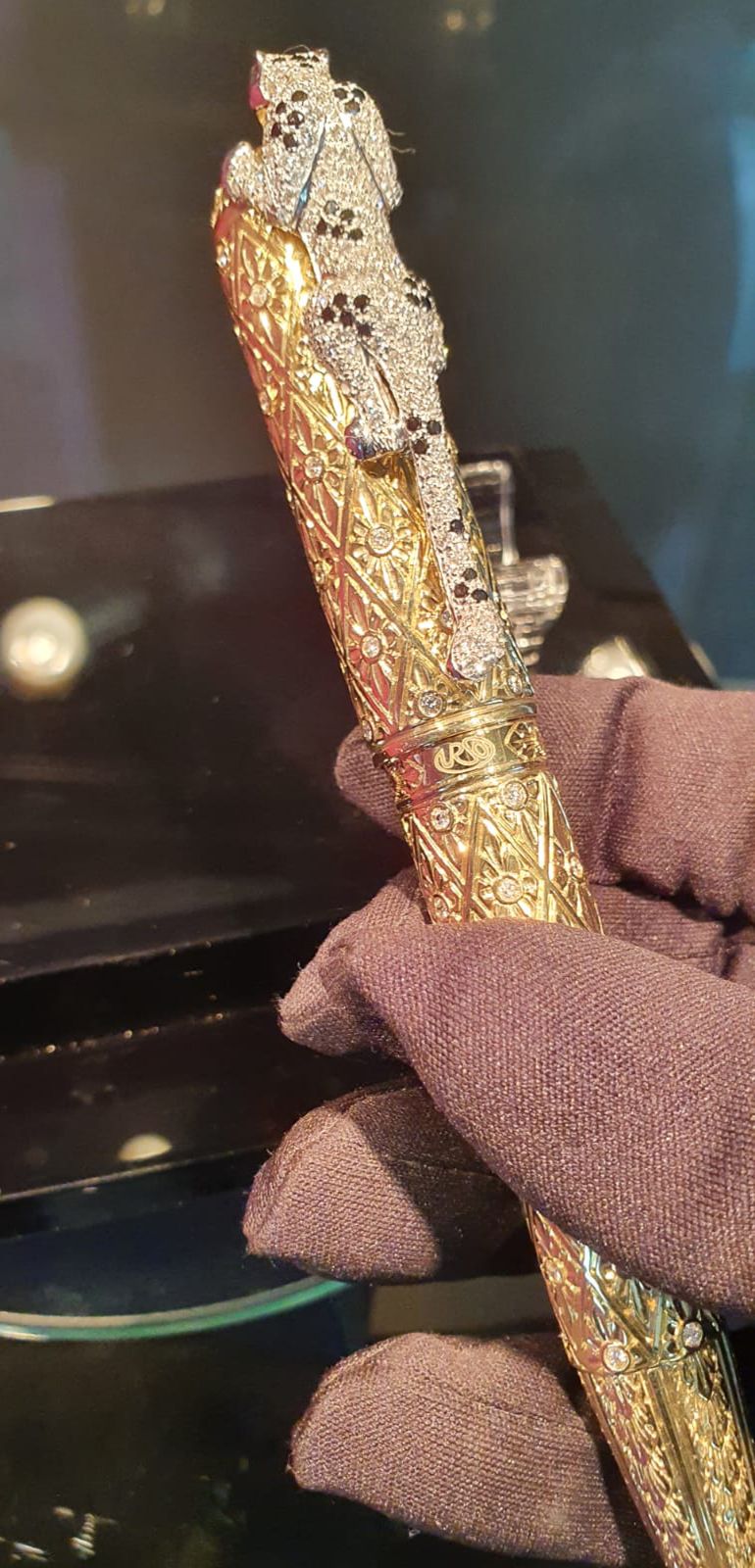
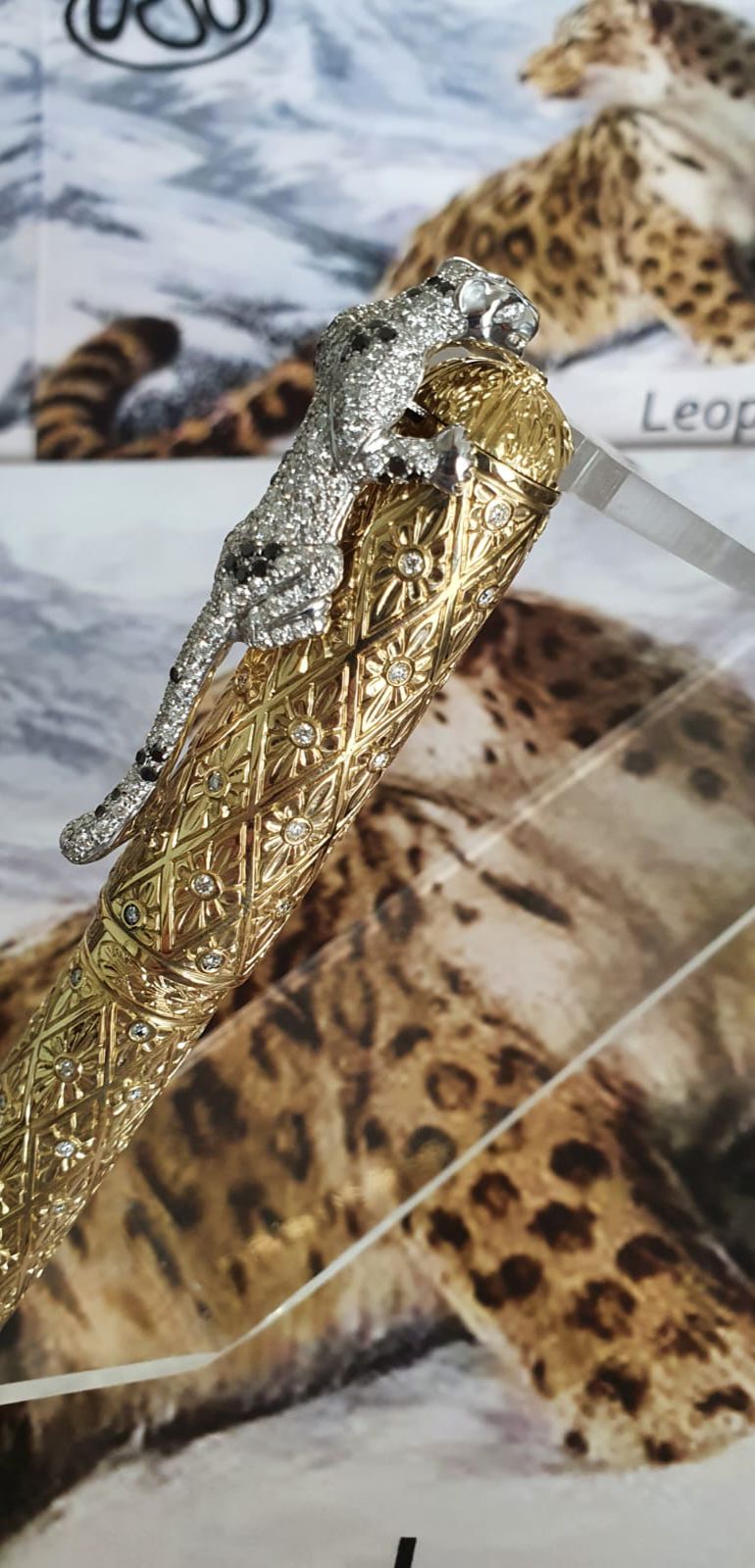
Although, in some cases, this may involve an expense ranging from several dozen to even a few hundred złoty, if you are the proud owner of a top-tier product, for example, one with a surface covered in gold or silver, and additionally adorned with sparkling gemstones… such an expense will be entirely justified. It will allow you to significantly improve the appearance and functional features of your pen with minimal effort, ensuring it serves you well without any issues for many more months or even years.
As you can see — caring for a fountain pen doesn’t require specialized products or highly complex conservation procedures. All that’s needed is a sensible approach, minimizing the risk of exposing the product to adverse external or environmental factors, and in extreme cases — consulting with experts who have extensive experience with fountain pens!