In today's era full of new technologies and humanitarian values, is there still a place for natural furs? And are they still embraced as warmly as they once were by women from higher social classes?
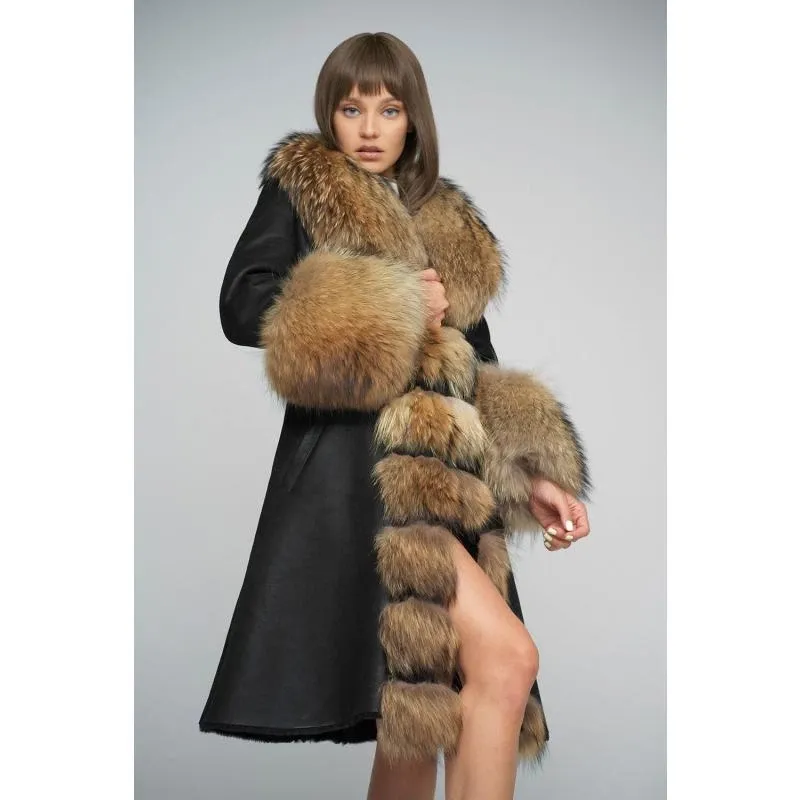
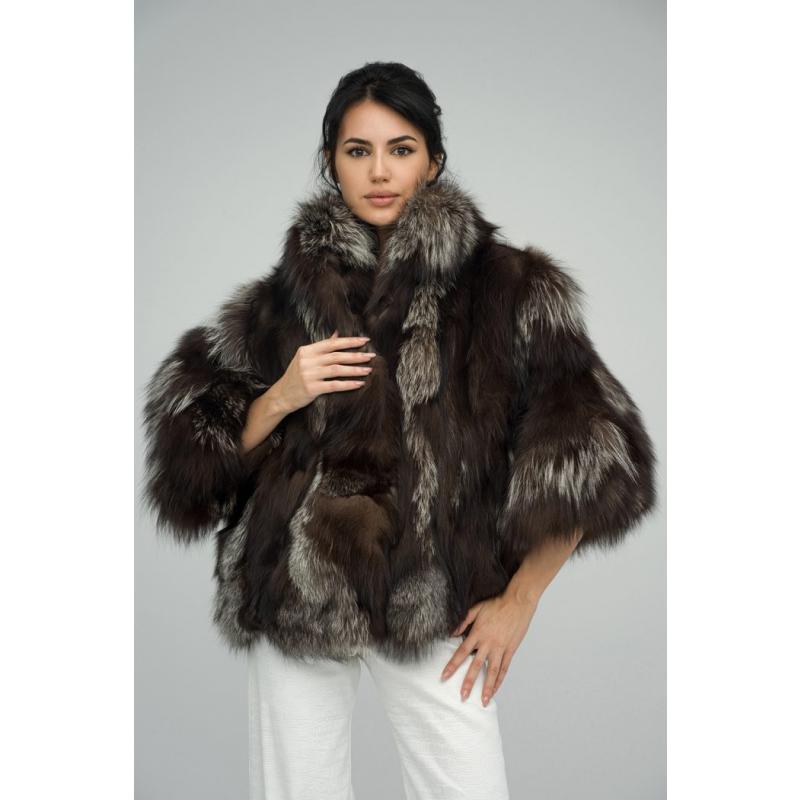
Just a few decades ago, animal fur for women was a synonym of luxury and wealth. Only women of aristocratic birth or exceptionally wealthy could afford such a purchase. This was because this type of outerwear was characterized by truly high quality, and it still is today, which is why advocates of natural furs continue to see this as a key argument in the ongoing debate. It’s undeniable that, expertly crafted by the best artisans, natural furs performed excellently in their role, providing warmth during the harshest winters. Additionally, animal furs looked incredibly elegant and were associated with sophisticated balls, thus forming a clear social boundary between the wealthy and the poor.
The Future of Furs
It has long been known that trends are linked to the times we live in. Clothing often reflects the events happening in a specific period. With the changes in societal thinking and the ongoing emancipation of women in the mid-20th century, the perception of natural furs also changed. It was argued that the fur a woman wears announces to the world “what kind of woman she is and what kind of life she leads.” However, this was also the Golden Age of Hollywood, where actresses did not shy away from appearing on red carpets in incredibly exclusive furs and were not criticized for it.
It’s worth noting, however, that furs gained popularity mainly for aesthetic reasons, at a time when synthetic alternatives were not yet known. Since the 1960s, the market has gradually seen the emergence of furs made from animal-friendly materials, and although initially not warmly received, today they are sold in much greater numbers than natural furs. The ethical aspect is likely the dominant factor here, important to many conscious consumers, although nowadays synthetic substitutes are so advanced that they rival animal furs in terms of warmth.




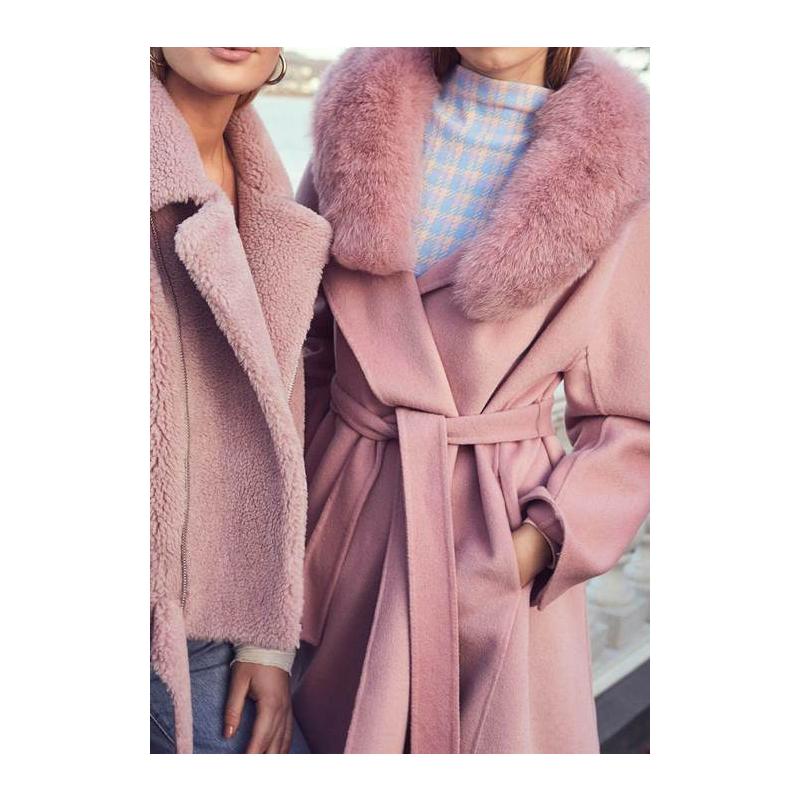
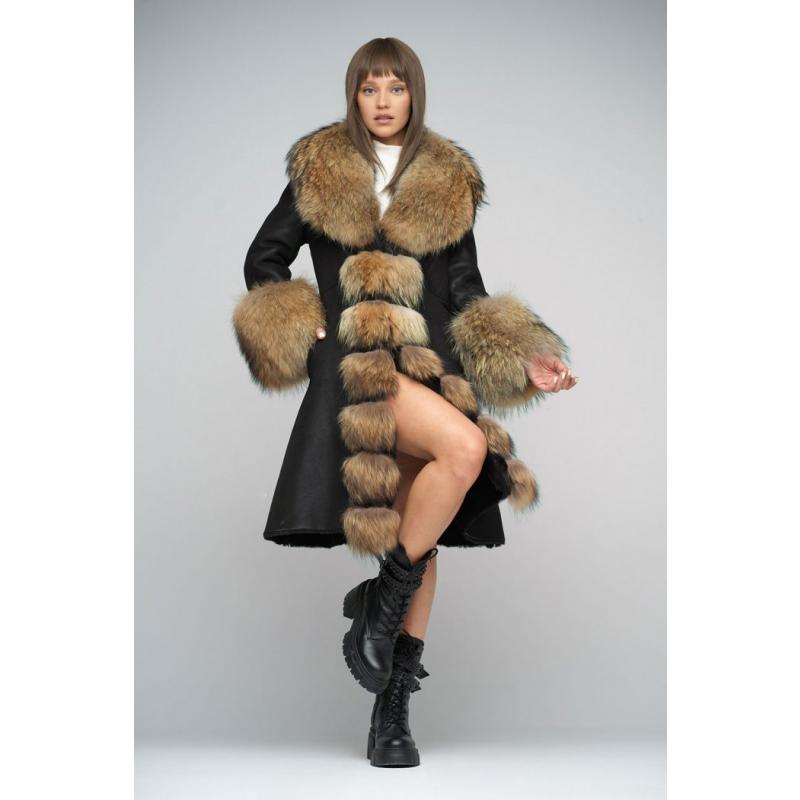
What is the true state of the fur market?
Currently, the largest global producer of fur skins and the most important fur market outlet are China. However, in recent years, this market has been experiencing a significant crisis. This is caused by overproduction. Supply far exceeds demand, so the number of products far surpasses the number of new customers. An example is Germany, where stricter animal welfare standards have led to the bankruptcy of many farms. Foxes, on the other hand, remain one of the most farmed fur-bearing species, but even in their case, production has noticeably declined.
The fashion industry is also increasingly moving away from fur, reflecting social trends. The Fur Free Retailer program, which includes only retailers committed to completely phasing out fur and fur accessories, is increasingly joined by major fashion houses and luxury brands. The clothing industry is adapting to customer demands, as more and more consumers are reluctant to support methods of obtaining animal fur.
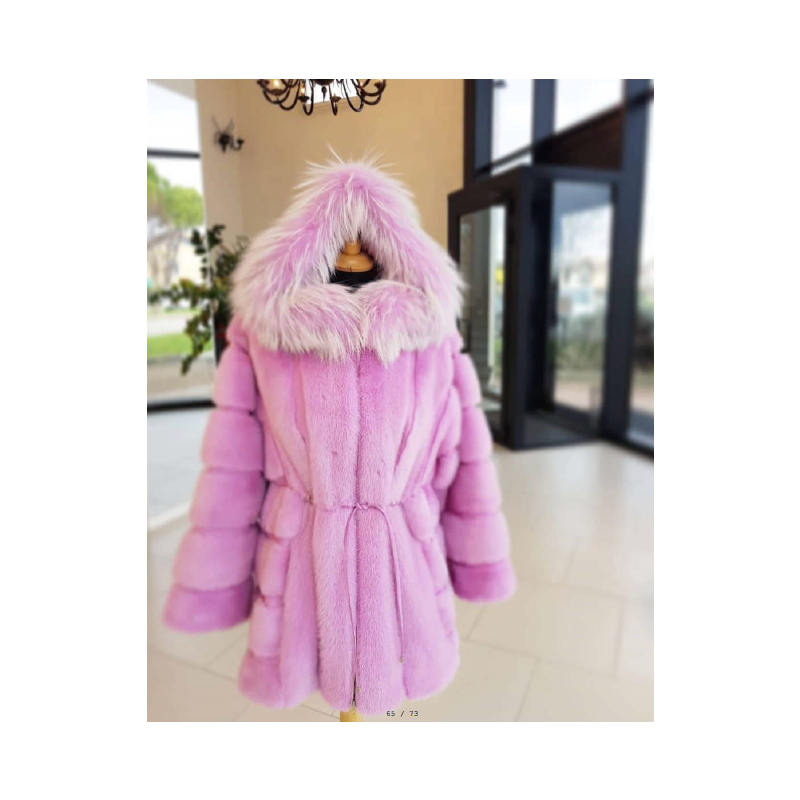
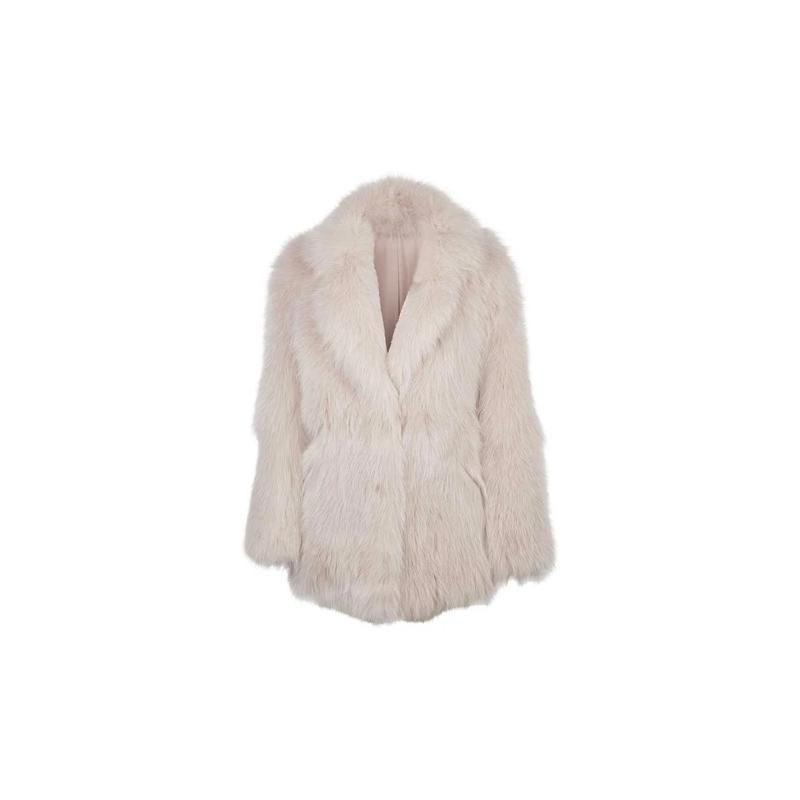
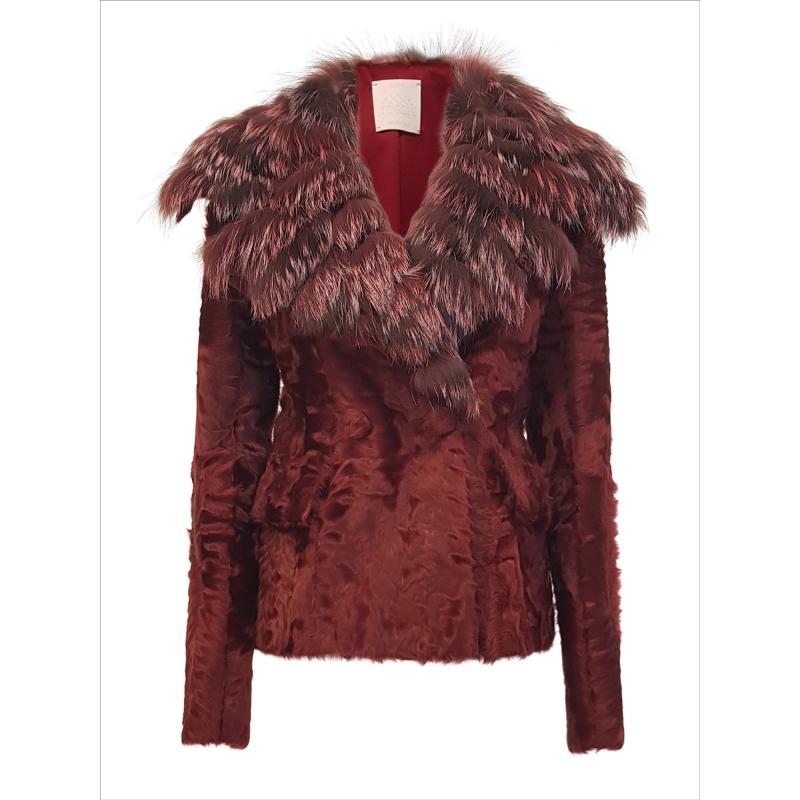
Nevertheless, there are still advocates of natural fur who, in the debate over fur issues, highlight its advantages over synthetic alternatives. They primarily emphasize the durability and practicality that natural fur offers. Some also claim that the visual effect is unmatched and that animal furs look much more impressive and elegant. Often, among these are women who remember the times when fox fur was a true object of admiration. So, although mentalities are changing, there are still those who see old ideals in fur. When consciously choosing natural fur, it is worth turning to trusted producers whose fur acquisition processes are transparent and who adopt modern solutions to reduce animal suffering.Fashionable or unfashionable?
The ethical issue thus intersects with personal taste and old habits. Society’s thinking evolves with the development of alternative technologies. While in the past, hunters believed that fur from a certain animal would provide spiritual guidance, and the act of killing was a very spiritual experience, today the same is viewed as cruelty.
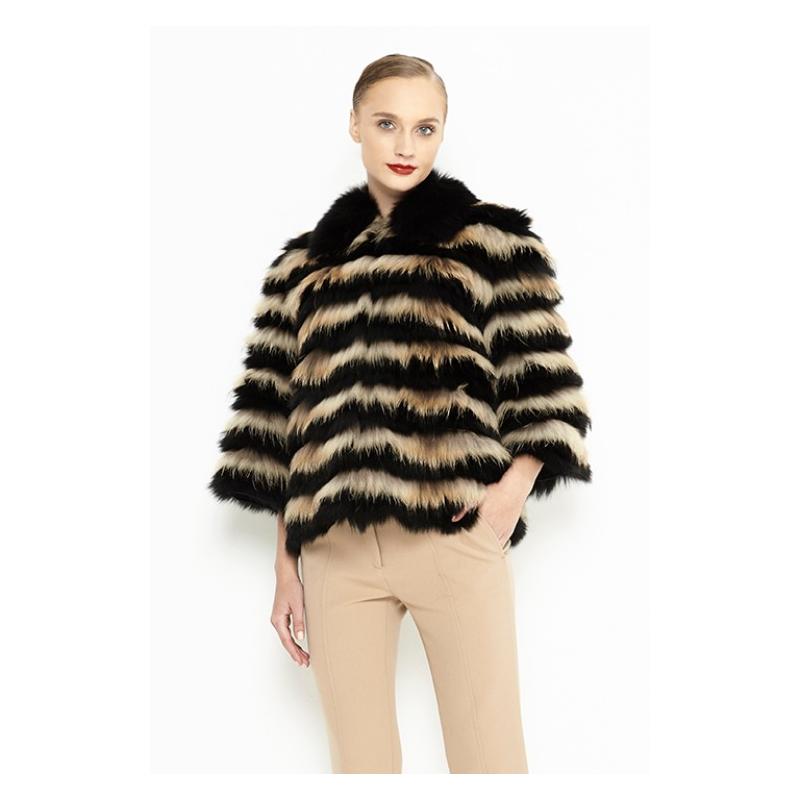
The topic of fox fur fashion, however, is particularly complex. Consumers are aware that fur has been, is, and will continue to be a trend surrounded by considerable controversy. For this reason, some love it, while others hate it. When considering whether the trend for natural fur will persist or soon fade into the background, one must consider cold facts as well as the prominent social factor. After all, as we mentioned before, it is people who set current fashion. The demand for fox fur has certainly shown a downward trend in recent years, and although some women will still be tempted to purchase this still somewhat exclusive product, looking at current realities, natural furs, while still appearing elegant, do not have a bright future in society’s overall assessment.