Are you wondering whether it's worth investing in a genuine leather handbag when eco-leather is a cheaper alternative? Many of us face this dilemma when shopping. Natural leather is associated with luxury and durability, while eco-leather offers a variety of patterns and affordability. However, what sets these two materials apart is not only the price. In this article, we will present seven convincing reasons why choosing eco-leather handbags is a good idea. Properly cared for, natural leather not only retains its original appearance for many years but also serves as an environmentally friendly alternative to synthetic bags.
That's why it's worth knowing the difference between eco-friendly and natural leather before making a purchase decision. Choosing one handbag that will last for many years reduces the demand for production and the purchase of short-lived bags made from synthetic materials. It's no coincidence that many of us consider buying a leather handbag an investment that pays off.
1. Durability that lasts for years
Natural leather handbags are not only a fashionable accessory — they are a true investment that stays with us for years. Leather accessories are distinguished by unparalleled durability, which significantly exceeds the resilience of bags made from synthetic materials. Why should you pay extra and choose natural material instead of an artificial one? Let’s take a closer look at the properties that make natural leather such a unique material.
This article features products from the brand https://www.verostilo.com/ — a shop specializing in women’s leather handbags, characterized by Italian design and high-quality craftsmanship.
Why doesn’t natural leather crack?
Natural structure is the foundation of durability. Unlike eco-friendly leather, which is simply a synthetic material, natural leather has a unique collagen fiber structure. These fibers intertwine in various directions, forming something like a twisted cord of microscopic diameter but great length. It is this natural structure that gives leather its exceptional resistance to mechanical damage.
Vegetable-tanned or fat-tanned leather retains collagen proteins, which prevents it from cracking over time. This is a fundamental difference between natural leather and eco-leather. While synthetic materials (such as polyamide or polyester) are created from molten granulate injected into molds, leather is a natural, organic material with entirely different properties. Under sunlight, synthetic materials tend to crack and pill, whereas natural leather only changes color, developing a noble patina.
Moreover, natural leather is much more water-resistant than its synthetic counterparts. When a PU material bag comes into contact with water, it quickly absorbs it and may lose its original color and shape. Natural leather, although it also requires protection from moisture, has a much higher resistance and can maintain its structure even after accidental contact with water.
Flexibility and strength go hand in hand. Natural leather is both elastic and durable, meaning it does not crack under tension during everyday use. Bags made from this material are resistant to stretching, abrasion, and other forms of wear and tear encountered with regular use.
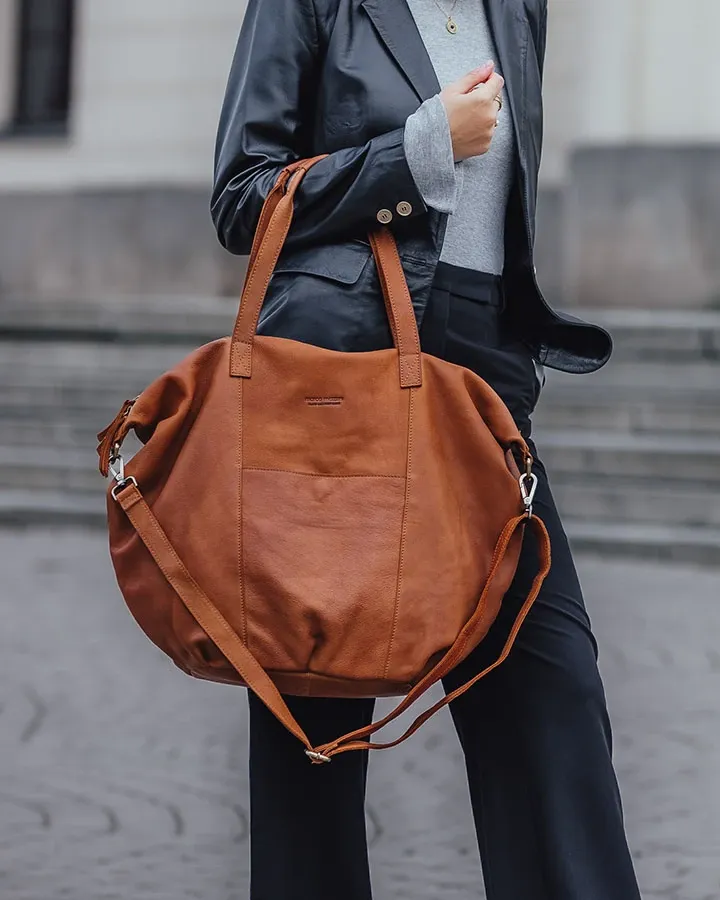 Photo: verostilo.com
How long can a leather handbag last?
While a PU (polyurethane) bag usually shows signs of wear after just a few months of regular use, a natural leather bag can remain in excellent condition for many years, even decades. With proper care, leather handbags can serve us for several decades, gaining character and charm over time.
Care is the key to longevity
Natural leather requires regular maintenance to preserve its beautiful appearance and elasticity for many years. The basics include regular cleaning to remove dust and dirt that can affect the material’s structure. It is also important to apply impregnation, which creates an invisible protective barrier against moisture — the biggest enemy of leather accessories.
Just like human skin, natural leather needs moisturization. It is worth applying special balms and creams every few months to prevent drying and cracking of the material. Products containing glycerin gently nourish the skin and restore its elasticity, while those with linseed oil nourish and give it a natural shine.Storing a leather handbag
Another important aspect of caring for leather handbags is proper storage. To avoid deformation, it is best to keep them in an upright position, preferably in a cotton protective pouch that ensures air circulation and protection from dust.
A long-term investment that truly pays off
Although the initial price of a genuine leather handbag is higher than its synthetic counterpart, in the long run it is a better investment. Instead of replacing a cheap bag every season, we can enjoy one high-quality product for many years.
Leather renovation matters
What is particularly worth emphasizing is that, unlike synthetic materials, a leather handbag can be renovated. Even if signs of wear appear after years of use, high-quality leather can be refreshed and restored by a specialist, further extending its lifespan.
Natural leather is a material that ages with class. What might be perceived as a flaw in synthetic materials—such as minor scratches or color changes—adds character to natural leather and makes each product unique and personal.
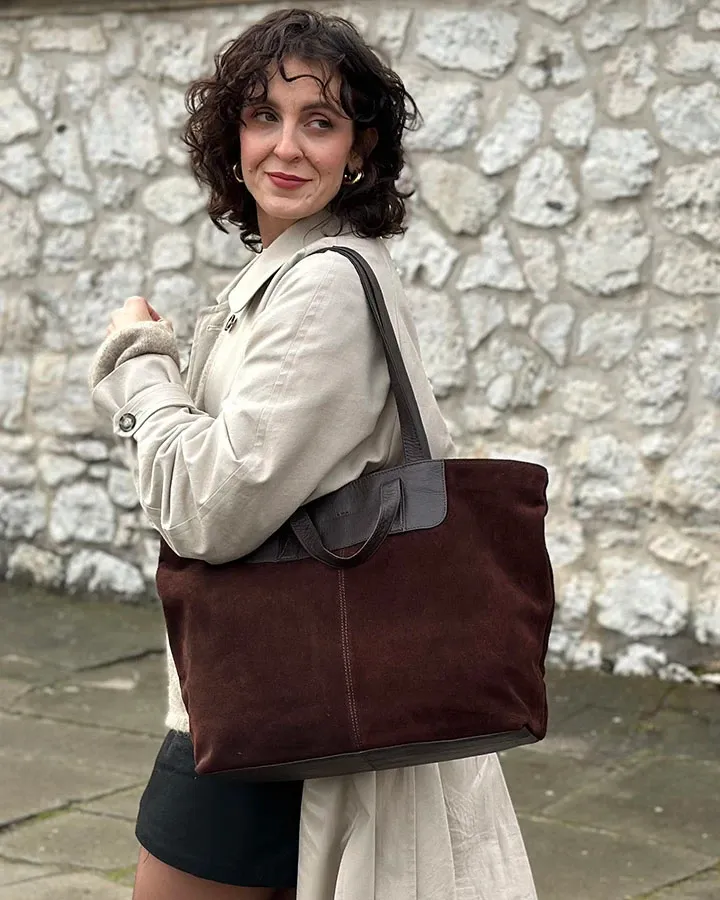 Photo: verostilo.com
2. Appearance that improves with time
The true magic of genuine leather handbags reveals itself over time. Unlike synthetic materials, which lose their original look year after year, natural leather matures, gaining a unique character. This is one of the main differences between eco-leather and natural leather, making the latter not only a practical but also an aesthetic investment.
What is patina and how does it affect aesthetics?
Patina is a fascinating phenomenon that occurs only with natural materials. It is a subtle change in color and texture that appears on natural leather as it is used. This delicate coating, darkening, and change in texture result from natural processes and contact with oils, sunlight, or moisture.
The process of forming a patina is a true work of time. Although the first signs can appear after just a few months of regular use of the handbag, the full development of this noble layer can take even decades. That is why leather bags are often passed down from generation to generation—they gain character with each passing year, telling their unique story.
It is worth noting that patina on leather can take various forms—from deepened coloration to a subtle sheen on the surface. Each bag develops its own unique pattern of patina, which means that after some time of use, no two are exactly alike, even if they come from the same collection.
Interestingly, patina is a phenomenon appreciated not only in leather goods. The same process occurs on the surface of copper artworks, giving them a characteristic greenish color—the best example being the Statue of Liberty in New York. In the fashion world, patina has become a symbol of luxury and authenticity.
Why does natural leather age gracefully?
The fundamental difference between natural leather and ecological (synthetic) leather reveals itself precisely in the aging process. While ecological leather, which is made from synthetic materials, over time loses its original appearance, fades, cracks, and peels, natural leather undergoes a completely different process.
The noble aging of natural leather results from its organic structure and living properties. The longer we use a natural leather bag, the more character and a unique appearance it gains. This is the exact opposite of what happens with ecological leather bags, which simply wear out.
Why is this process so desirable? Primarily, patina not only emphasizes the authenticity of the leather but also indicates its high quality. As the bag is used, it acquires individual features that reflect the owner’s lifestyle — where it was carried, how often it was used, and under what conditions. This makes it not just an accessory but also a personal diary inscribed in the leather.
It can be argued that high-quality leather is like fine wine — the older, the better. Natural leather bags, which gain character after years of use, are in a completely different aesthetic dimension compared to their synthetic counterparts. Instead of ending up in the trash, they move into the vintage category and often increase in value.
Moreover, embossed leather bags are particularly interesting in terms of the aging process. Made from high-quality natural leather, they feature patterns created with special stamps or matrices. Unlike synthetic embossed bags, which quickly lose the clarity of their patterns, natural embossed leather retains its character, and the patina further emphasizes its uniqueness.
It is also worth mentioning that natural leather is much more resistant to external factors such as rain or wind. Thanks to this, natural leather bags can serve for many years, even in harsh weather conditions, while maintaining their noble appearance.
Thus, while ecological leather bags often need to be replaced after a few seasons due to loss of their original look, their natural counterparts are just beginning to develop their true character. With each year of use, a natural leather bag tells a richer story, becoming not only a functional item but also an expression of personal style and experiences.
If you are wondering whether ecological and natural leather are equally good materials in terms of long-term aesthetics, the answer is clear — only natural leather offers this unique noble aging process, which makes the bag become even more beautiful over time.
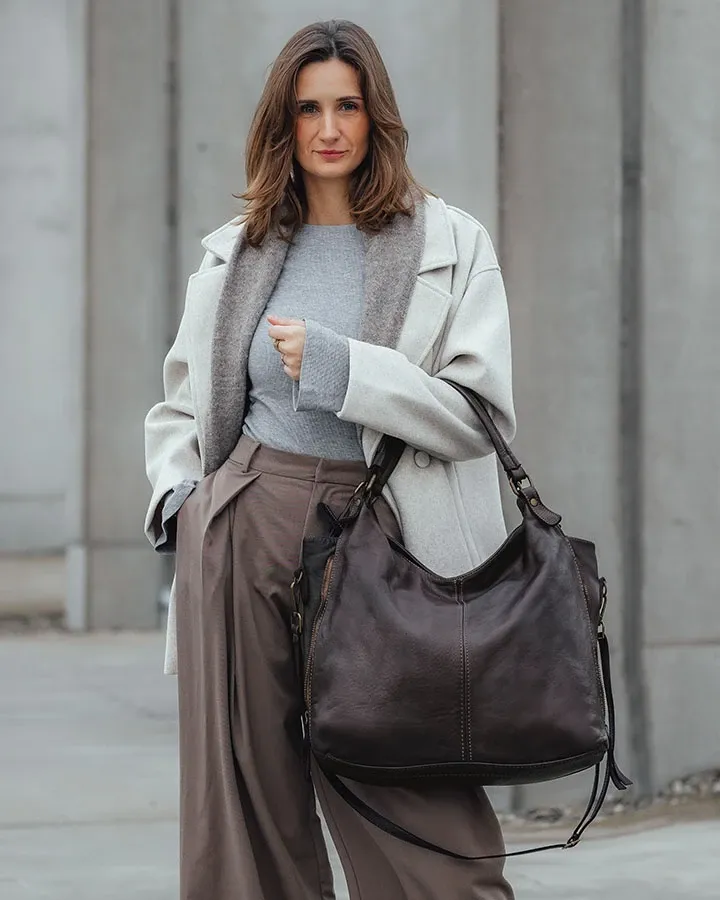 Photo: verostilo.com
3. Comfort of daily wear
Comfort is one of the key aspects when choosing a daily bag. Many people wonder which material will provide the best experience during long hours of wear. Although ecological leather is a cheaper alternative, natural leather has unique properties that directly translate into ease of use.
Breathability of natural leather
One of the most important advantages of natural leather is its breathability, meaning its ability to allow air to pass through. This feature is crucial not only for us but also for the items stored inside the bag. Natural leather allows air to circulate in a way that cannot be replicated in synthetic materials, creating a healthier environment for the contents of our bag.
First and foremost, the breathability of natural leather affects the protection of stored items. Documents, electronic devices, or cosmetics can be damaged when moisture accumulates in a closed space. Unlike eco-leather bags, products made from natural leather allow for free air circulation, minimizing the risk of condensation.Moreover, natural leather can absorb moisture. This ability is especially important during changing weather conditions or when placing slightly damp items into the bag. Synthetic materials do not possess this property, which means the contents of the bag may be exposed to harmful effects of moisture.
The characteristic structure of natural leather cannot be perfectly replicated in synthetic materials. Visible pores and natural irregularities are not defects – they actually ensure better air circulation. This uniqueness means that, despite manufacturing efforts, natural leather still surpasses eco-leather in breathability and vapor permeability.
The impact of material on comfort of use
Natural leather has an exceptional ability to adapt to body temperature, which significantly influences wearing comfort. While synthetic materials often remain cool to the touch regardless of external conditions, natural leather responds to ambient temperature and the user’s body heat.
Summer days are a real test for the bag material. The strap of a natural leather bag does not cause discomfort on the skin, even during hot weather. This is an important difference compared to synthetic materials, which can cause unpleasant sensations when in contact with the skin, especially when sweating.
What does eco-leather mean for our comfort? Unfortunately, not always the best experience. Synthetic material is less breathable, which can lead to increased sweating when in contact with the skin. In practice, this means discomfort when carrying the bag for extended periods, particularly on hot days.
Additionally, natural leather offers excellent temperature regulation, which is crucial for daily use. In summer, it allows heat dissipation, and in winter, it provides better insulation. This thermoregulation makes a natural leather bag comfortable to use all year round, regardless of weather conditions.
The warm and pleasant texture of natural leather to the touch is another advantage that sets it apart from synthetic materials. Although it is never perfectly smooth, this natural texture adds character and makes every interaction with the bag a pleasant sensory experience.
The adaptive ability of natural leather means that a bag made from this material becomes even more tailored to the user’s habits over time. Just as leather shoes mold to the foot, a natural leather bag "learns" our routines. As a result, with each day of use, comfort only increases.
It is worth noting that natural leather impresses not only with its durability and noble appearance, but also with its functionality in everyday use. Bags made from this material allow excellent air permeability, making them ideal even on warmer days. Additionally, for people with sensitive skin or allergies, natural leather is generally a better choice than its synthetic counterparts.
Conscious material choice is an investment in daily comfort, felt with every contact with the bag. Although high-quality eco-leather is becoming an increasingly good alternative, it still cannot match natural leather in terms of breathability and adaptability.
When choosing a daily bag, it's important to remember that it will accompany us for many hours. Therefore, comfort in carrying is just as important as aesthetics or durability. Breathability and temperature regulation capabilities make natural leather a material that provides the highest level of comfort in everyday use.4. Ecological Advantages of Natural Leather
Contrary to popular opinion, the terms "eco-friendly" and "green" when referring to materials for bags can be misleading. We often label certain products as eco-friendly without knowing their true impact on the environment. Let’s examine how the ecological aspect of natural leather bags compares to their synthetic counterparts.
Is natural leather more eco-friendly than synthetic?
The answer to this question is surprisingly complex. First of all, it’s important to understand that natural leather is a byproduct of the meat industry. This means it utilizes raw materials that would otherwise be discarded, making the production of leather products part of a recycling cycle.
Biodegradability matters. Natural leather, especially vegetable-tanned leather, is biodegradable, meaning it naturally decomposes after its lifecycle without polluting the environment. Its decomposition takes from 10 to 50 years, whereas synthetic materials can remain in the environment for hundreds of years, creating difficult-to-process waste.
Interestingly, although bags made from natural leather are more expensive than synthetic ones, their longevity means they require less frequent replacement. As a result, purchasing one well-made leather item saves resources needed to produce multiple synthetic products.
However, the production of natural leather is not without drawbacks. Tanning factories often use chemicals during processing, which can pollute the environment if not properly managed. Nevertheless, more and more manufacturers are adopting eco-friendly tanning methods that minimize environmental impact.
Additionally, natural leather is hypoallergenic — it does not absorb odors, liquids, or dust. It is an excellent alternative to synthetic fabrics, which are often mass-produced and less durable.
What does eco-friendly leather mean and how does it impact the environment?
The term "eco-friendly leather" is often misleading. What is eco-friendly leather? It is a synthetic material that has nothing to do with true ecology. It is a polyester fabric coated with polyvinyl chloride (PVC), produced from plastics derived from petroleum.
Environmental impact - what does eco-friendly leather mean for our planet? Unfortunately, the production of this material involves the use of chemicals and plastics. Popular materials like polyurethane (PU) or PVC are produced from petroleum, which results in high greenhouse gas emissions. PVC is considered one of the most toxic plastics in the world, containing substances such as cadmium, mercury, chlorine, and lead.
Unlike natural leather, eco-leather decomposes over hundreds of years in the environment, so without proper waste management, it can become a significant problem. Moreover, these materials do not fully biodegrade, contributing to the global plastic pollution issue.
On the other hand, producing eco-leather does not require animal-derived materials, which is an important ethical argument for many consumers. When discussing which is better — eco-leather or natural leather — it’s worth remembering that its production is more environmentally friendly only to a certain extent.
Future ecological alternatives. New materials labeled as "eco-leather" are emerging on the market, which include leather-like materials produced with respect for the environment and with minimal impact on nature. They utilize plant-based raw materials, fungi, or other natural substances that do not require animal exploitation and have a smaller carbon footprint.The benefits of truly ecological alternatives to leather include:
• Reducing the consumption of natural resources, as production does not require intensive use of water or land
• No animal use, making them animal-friendly
• Lower environmental impact, as eco-friendly production methods do not involve toxic chemicals
In summary, when choosing between natural and ecological leather, it is worth considering the full product lifecycle. A well-maintained genuine leather bag can last for many years and then decompose naturally. Meanwhile, a cheaper eco-leather bag, although it does not involve killing animals, is more likely to end up in a landfill where it will remain for centuries.
By choosing bags made from environmentally tanned genuine leather, we support sustainable manufacturing practices while investing in a product that will truly serve for years without excessively burdening the environment.
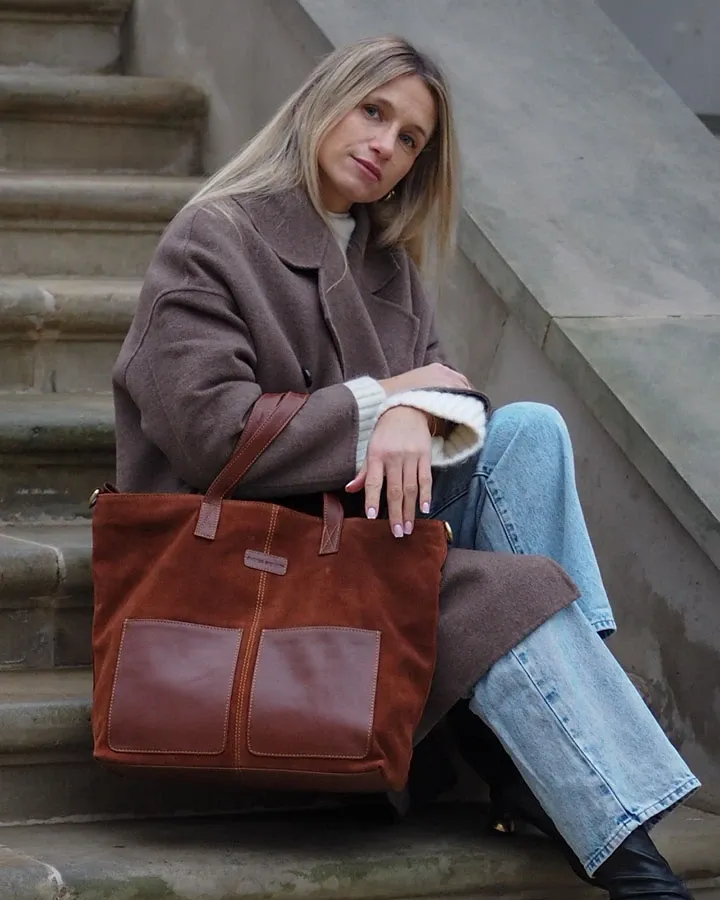 Photo: verostilo.com
5. Less is more - an investment for years
In the world of fashion and accessories, we increasingly talk about conscious shopping and smart investment in wardrobe essentials. When it comes to bags, the concept of "investment" takes on a very concrete meaning—especially when we compare products made from natural leather to those from synthetic materials.
Why buy one good bag?
Genuine leather bags are often described as "long-lasting." This term is well justified, especially when we talk about products crafted with traditional leatherworking techniques from high-quality materials. They are not only durable but also timeless—buying a good leather bag is a decision that pays off for many years.
Interestingly, while eco-leather products are often short-lived, a genuine leather bag can last even several decades with proper care. However, it’s important to remember that durability is not only about the material. Classic leather bag styles never go out of fashion, ensuring they remain "trendy" for many years regardless of seasonal trends.
It’s worth considering the philosophy of "less is more." Instead of buying new, short-lived accessories every season, investing in one high-quality item that will serve for years is a smarter choice. This way:
• We reduce waste
• We limit overconsumption
• We build a more thoughtful wardrobe based on quality
Genuine leather bags are much more resistant to daily use, including carrying heavy items, scratches, or minor mechanical damages. The collagen fiber structure ensures that the leather retains its elasticity and does not crack under stress, keeping the bag in excellent condition for many years.
Moreover, leather bags, especially those from reputable brands, often have collector’s value. Some models can increase in value by up to 30% over a few years. This makes purchasing a leather bag not only a practical choice but also a potentially good financial investment.
6. Uniqueness and prestige
Owning a genuine leather bag is not just a practical matter – it’s a statement of individuality and status. When comparing eco-leather and genuine leather, one aspect clearly sets the latter apart – its unique character, which cannot be replicated with synthetic materials. Let’s take a closer look at what makes leather handbags so exceptional and prestigious.Every genuine leather bag is different
Unique "fingerprint" – this term perfectly captures the nature of real leather. Each leather product has its own, one-of-a-kind pattern that cannot be duplicated. Unlike eco-leather bags, which come off the production line identical to each other, genuine leather items always differ from one another.
Natural marks, such as small scars or variations in texture, are not flaws – they give genuine leather bags their distinctive character. These subtle imperfections attest to the authenticity of the material and make each piece truly unique.
It’s worth noting, what does eco-leather mean in terms of uniqueness? Unfortunately, it lacks individuality. Mass-produced, it always looks the same, deprived of the unique personality that genuine leather products possess.
Handcrafted craftsmanship enhances uniqueness. Choosing a handmade leather bag means investing not only in an aesthetically pleasing product but also in guaranteed quality. Polish brands are renowned for their attention to detail and techniques that ensure durability and functionality. Moreover, by making such a purchase, we support local artisans and contribute to the development of Polish companies.
Handmade craftsmanship also allows for personalization. Many workshops offer custom-made bags, enabling you to choose the type of leather, color, and even individual embellishments. This way, you can be sure that your bag will be truly one of a kind.
7. Less chemicals, more nature
When choosing a bag, we rarely think about its chemical composition and impact on health. Yet, the differences between genuine leather and synthetic materials can be crucial not only for the environment but also for our well-being.
Genuine leather and allergies
Genuine leather has a lower allergenic potential than its synthetic counterparts. This is an important advantage, especially for people prone to allergic reactions. Natural products cause fewer allergies, making them a safer choice for long-term skin contact.
Natural material has a characteristic smell that many enthusiasts appreciate. Many of us recognize it instantly when entering a shoe store or leather goods shop. This aroma is a sign of authenticity that cannot be faithfully reproduced in synthetics.
Additionally, genuine leather does not absorb odors, liquids, or dust. It is hypoallergenic, which is a significant advantage over artificial materials. Synthetic materials often contain potentially irritating substances such as parabens and UV filters, which can cause skin irritation and allergic reactions.
Comparison with synthetic materials
Synthetic materials used in handbag production contain significantly more chemicals than genuine leather. The popular "eco-leather" – what is it really? It’s polyester fabric coated with polyvinyl chloride, produced from petroleum-based raw materials.
The production process of eco-leather requires the use of numerous substances, including:
• Detergents and preservatives
• Synthetic dyes
• Glues and hardeners
• Fragrance agents
Although there is a common belief that everything natural is safer, it is worth remembering that the safety of substances depends not on their origin but on their chemical structure. Nevertheless, studies conducted by the Natural Marketing Institute have confirmed that over 75% of consumers believe that natural raw materials used in products do not cause side effects or have significantly milder and gentler side effects than synthetic compounds.
When in direct contact with the skin, natural materials often have a gentler effect and may be less burdensome for sensitive skin types. The excellent breathability of natural leather allows for free air circulation, which helps maintain an optimal microclimate. This is especially important when carrying a bag in contact with the body for extended periods, particularly on warm days.
Ultimately, the choice between natural and eco-friendly leather should consider not only aesthetic and ecological aspects but also health. For people with sensitive skin, natural leather can be a solution that combines elegance with minimal health impact.
FAQ - why choose a leather bag?
1. Why invest in a genuine leather handbag?
A genuine leather handbag is a long-term investment. It is exceptionally durable, resistant to damage, and develops character over time. With proper care, it can last for decades, maintaining its original appearance and functionality.
2. How to distinguish natural leather from synthetic?
Natural leather has a characteristic, pleasant smell and unique texture. Unlike synthetic materials, each piece of natural leather has an unrepeatable pattern. Additionally, natural leather is breathable and adapts to body temperature.
3. Are genuine leather handbags eco-friendly?
Although the production of natural leather raises some controversy, a well-made leather bag can serve for many years, reducing consumption and waste. Natural leather is also biodegradable, unlike most synthetic materials.
4. What are the benefits of wearing a genuine leather handbag daily?
Leather bags are comfortable for everyday use thanks to their breathability and ability to adapt to body temperature. They are also hypoallergenic and do not absorb odors. Moreover, their classic look suits various styles.
5. Is a genuine leather handbag a good investment?
Yes, a genuine leather handbag is a great investment. Despite a higher initial price, its durability and timeless style mean it can last for many years. Some models may even appreciate in value over time, becoming collector’s items.
Sponsored article