
Specialty coffee shops have been booming in Poland over the past decade like mushrooms after rain. Almost every larger city can boast a café serving the highest quality coffee. What is the secret of specialty coffee, and why will its popularity only continue to grow?
What exactly is speciality coffee?
The development phases of coffee culture can be divided into three waves. The first wave of coffee is its discovery and initial brewing attempts. The second wave marks the era of espresso, Italian espresso machines, and milk-based coffees. The third wave is when the focus shifts to the quality of the beans as the main star of brewing. Greater emphasis is placed on cultivation, harvesting, processing, and roasting, which becomes lighter to bring out fruity and floral aromas from the beans. This is when speciality coffee is born — the highest quality beans cultivated with the best taste and aroma in mind.
Exceptional beans — exceptional flavor
After all, coffee is a seed of the coffee plant fruit! It shouldn’t taste like burnt tires and tobacco, but like citrus, stone fruits, nuts, and chocolate. All of this can be brought out in coffee with the right approach. All speciality beans are treated with proper respect from the plant to the cup. We can talk about speciality coffee when a bean scores 80 out of 100 points on the quality scale, assessed by specialized quality testers known as Q-Graders. Find a wide selection of speciality quality coffees at Coffeedesk.pl!
Brewing ritual
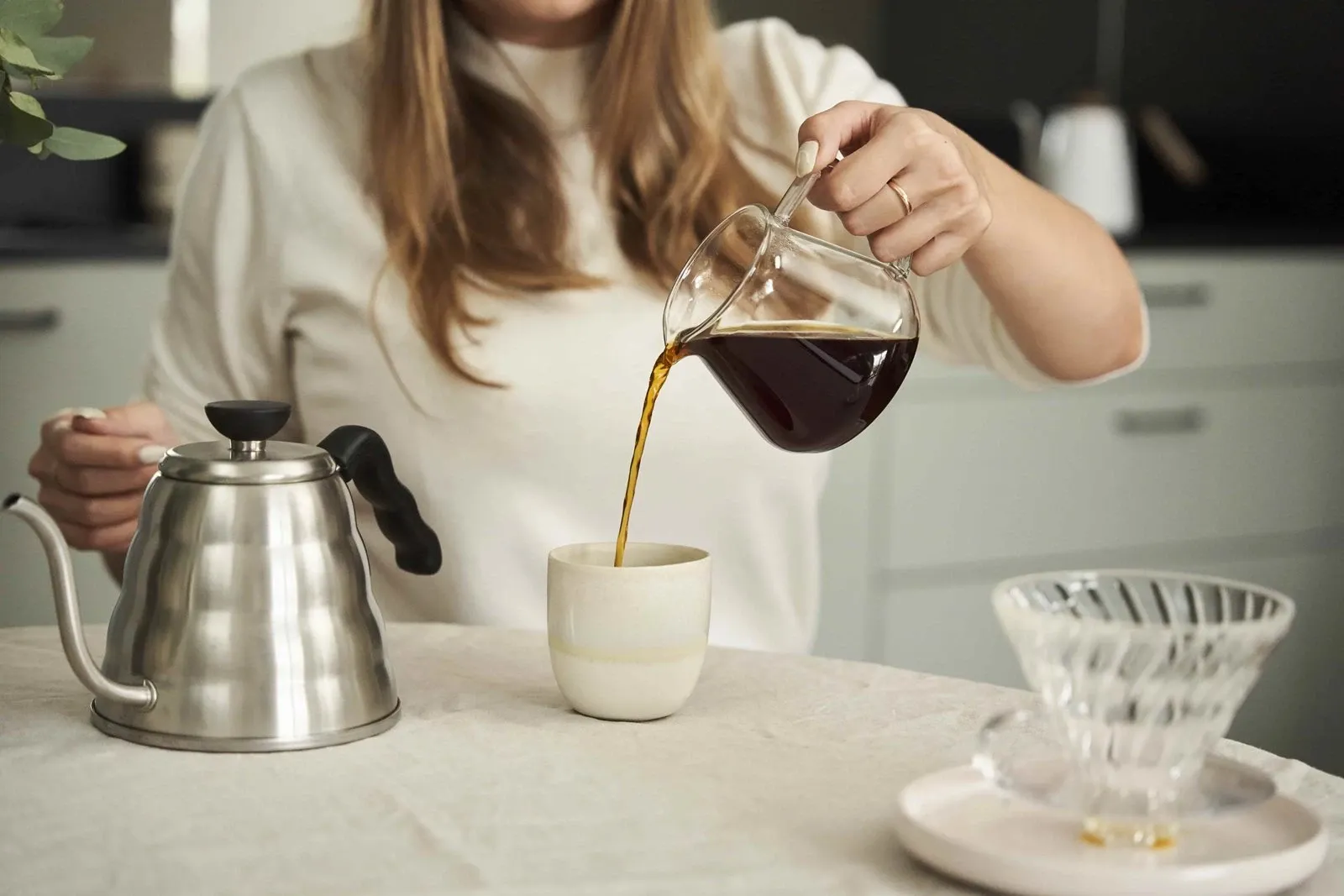
Speciality quality coffee primarily refers to pour-over coffees, brewed using a filter, which results in a very clean taste and high caffeine content. Pour-over black coffee is delicate but allows you to discover flavors and aromas that are not always perceptible in a small espresso.
The ritual of brewing coffee with a drip, Chemex, or AeroPress is a magical process that reveals the true, vibrant character of the coffee. Grinding the beans, pouring water through the filter, timing the brew, and carefully using a scale allow you to escape everyday routine for a few moments and enjoy your favorite beans.
The power of caffeine
Although pour-over coffees are milder in flavor, their caffeine content surpasses that of espresso. A small cup of coffee contains only 30-60 mg of caffeine, while a cup of black pour-over coffee can have up to 200 mg of stimulating substances! If you need a boost to start your day, choose pour-over coffee — ideas will start flowing on their own!
Our favorite starter coffees with speciality beans!
Speciality coffees can surprise those used to dark roasts, so we’ve prepared a small ranking of beans for beginners starting their journey with speciality coffee.
Audun Coffee Brazil Fazenda Rainha Miaki is a delicate, chocolate-nutty coffee from Brazil roasted by Audun, a Norwegian coffee roasting master who runs his roastery in Bydgoszcz, delivering delicious coffee across Poland.
Hi! Coffeedesk Holy Cup is a floral-tea, coffee blend for bold coffee lovers seeking new flavor experiences and ready to dive deep.
Hard Beans Guatemala San Martin speciality coffee is not only for pour-over but also high-quality espresso. From the Warsaw roastery Hard Beans, this Guatemala offers a tasty espresso full of apple, pistachio, and maple syrup flavors that pairs well with milk.
Why choose speciality coffee? Summary
Speciality coffee is primarily about caring for quality at every stage of preparation, from the plantation to the cup. It also involves partnership between roasteries and plantations to ensure fair compensation for those without whom we wouldn’t have the luxury of drinking coffee — the growers. So if you care about the best taste and fair trade, speciality coffee is what you’re looking for.
SPONSORED ARTICLE