
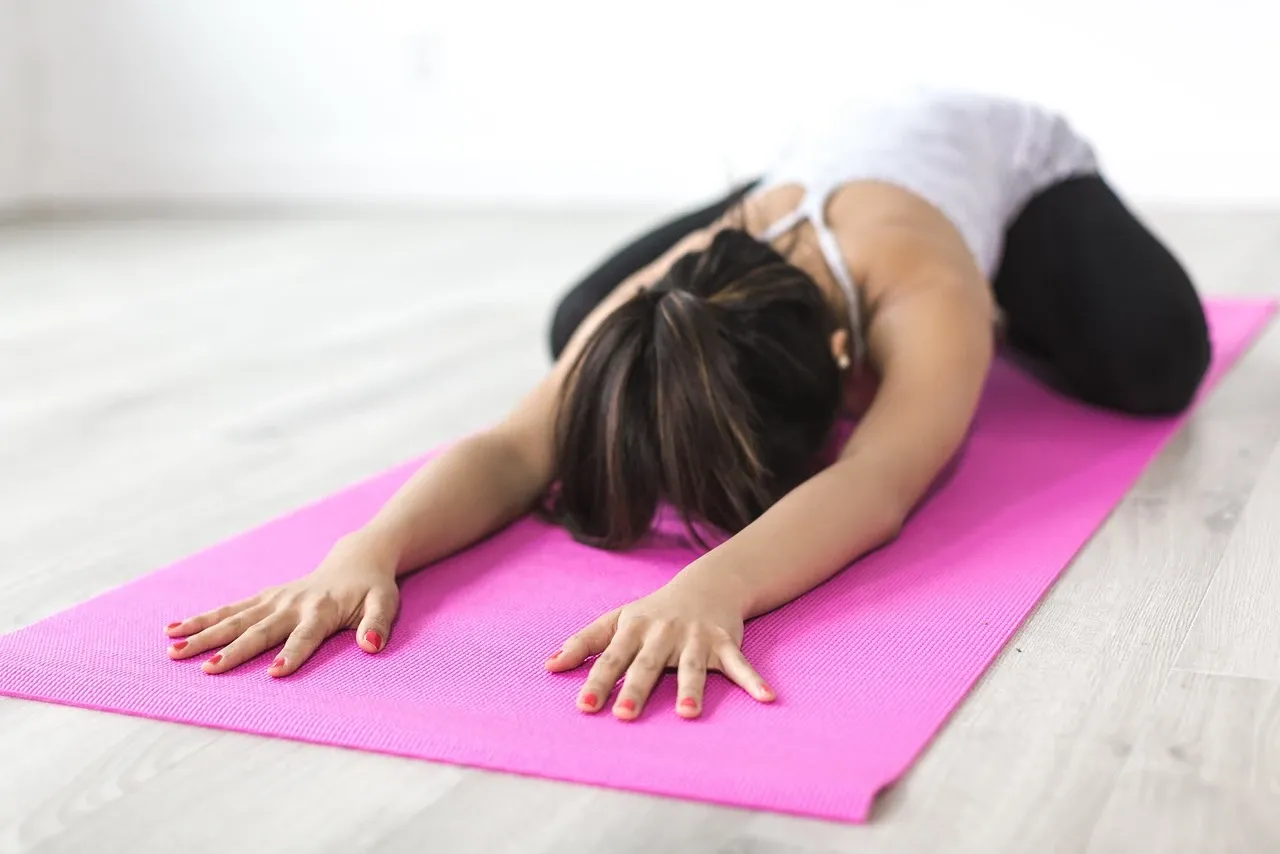
Initially, many people choose an inexpensive mat and only later realize that during exercise they start to lack stability or comfort. The mat slips on the floor, hands slide during supports, and knees increasingly feel the contact with the hard surface.
Then the question arises: when is it worth investing in a premium yoga mat, and does a higher price truly make a difference during practice? In many cases, yes, especially with regular practice and more demanding styles of yoga. However, this does not mean that every person needs a mat costing 500 or 600 PLN, as much depends on the frequency of exercises and the type of classes.
When does a cheap mat stop being enough?
A cheap mat usually works well at the beginning. If yoga is occasional, a basic model often suffices for a longer period. Problems start with more frequent classes and intense workouts. In dynamic yoga styles, grip becomes important. Cheaper yoga mats often struggle with moisture, so with sweaty hands, the body begins to slide. This makes it harder to hold stable standing poses and reduces comfort during exercises.
The thickness of the mat also matters. A thin mat provides minimal cushioning, which can quickly cause discomfort for people with sensitive knees. Conversely, a well-chosen thick mat improves comfort during supports and gentle practice. Many people notice the difference only after several months of regular classes or during practice at a yoga school. At that point, it’s easy to compare your mat with models used by more advanced participants.
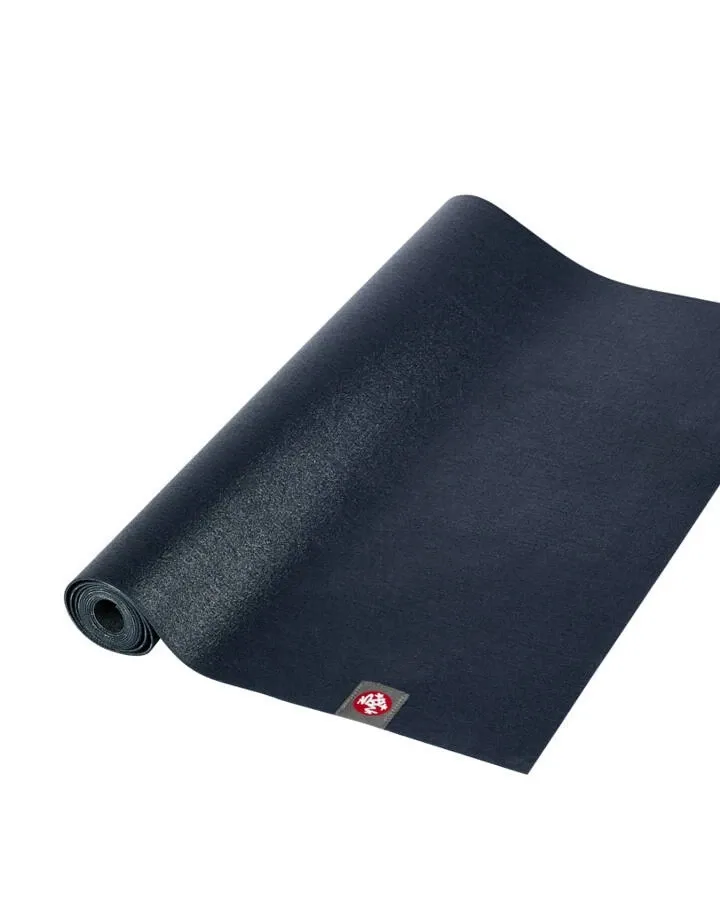 photo: yogabazar.pl
What does a premium yoga mat offer?
The biggest difference is felt during regular practice. A better yoga mat:
• provides better grip,
• prevents slipping,
• offers good cushioning,
• wears out more slowly,
• improves stability in supports,
• handles moisture better.
The type of material is also very important. Rubber mats made from natural rubber or models with a polyurethane layer have noticeably better grip than basic TPE mats. They are excellent for dynamic transitions and daily practice. For more demanding exercises, good grip significantly improves comfort and helps maintain stable positions.
Many people also choose natural materials, such as natural cork or natural rubber. These models often do not contain harmful substances and are more pleasant to the touch. For some, durability is also important, as a premium mat can last several years of intensive practice without losing its properties.
Mat for 500 PLN vs. mat for 150 PLN
The differences are best seen after a few months of use. A cheap mat wears out faster, loses grip, and begins to roll up. With regular classes, it can even wear out after a year. More expensive models are more resistant to intensive practice and perform better in yoga schools. They provide greater comfort in supports and stability during exercises.
In the Yoga Bazar store, you can find both basic models for beginners and premium mats from brands like Manduka, Sayoga, or Jade Yoga. The store specializes in yoga accessories and offers a wide selection of models made from rubber, cork, and thermoplastic foam. You can find mats suitable for gentle practice, dynamic yoga styles, and models preferred by yoga schools and instructors. Many people also appreciate that it’s easier to choose a mat tailored to a specific style of practice rather than buying a random model.
A large selection of mats of various lengths and thicknesses can be found at https://yogabazar.pl/mata-do-jogi-Manduka.
Does a premium yoga mat improve your practice?
The mat itself won't teach technique, but it can significantly improve comfort during practice. When your hands don’t slip during supports, it’s easier to focus on breathing and movement. Good grip is especially important during dynamic transitions. Better cushioning also helps those who practice regularly or have issues with knees and wrists.
An appropriate size is also important. Wider models and longer mats improve comfort for taller people and during more dynamic exercises. Some individuals only notice how much their previous model limited their exercise comfort after switching to a new mat. This is especially true for daily practice and longer yoga sessions.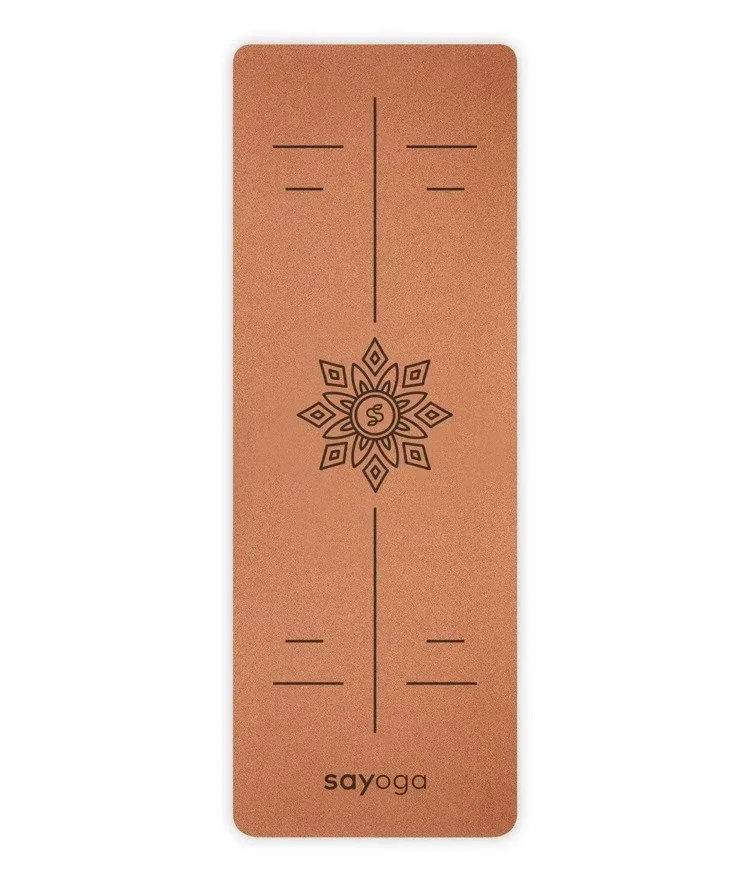 photo by yogabazar.pl
Which mat to choose?
The choice of mat should depend on your style of practice and the type of yoga. For gentle practice and yin yoga, lightweight TPE mats are often sufficient. For more intensive classes, rubber mats or models made of polyurethane work better. People who frequently attend classes usually choose a lightweight mat that is easy to carry. Meanwhile, for home practice, many opt for a thicker mat for greater comfort.
At Yoga Bazar, there are also straps, bolsters, blocks, and meditation cushions available, making it easier to select accessories suited to your practice style. The store operates online and offers products for both beginners and regular yoga practitioners. An additional advantage is the wide range of models at various price points, making it easier to find a mat that fits your needs and budget.
Sponsor article