
Did you know that the average price of a Philipp Plein jacket has increased by 340% over the past ten years? It's shocking, but the data from Bain & Company’s ultra-luxury market report confirms it. I remember thinking it was just another brand for the wealthy — now I see it's something more.
Why is Philipp Plein so expensive?
Philipp Plein has become a symbol of extravagance not by chance. The brand has consistently built the image of the most controversial fashion house in the world. Skulls, crystals, gold — all in one design. Sounds tacky? Maybe, but people pay a fortune for it.
Brand sales in 2023 reached 250 million euros, which represents an 85% increase compared to 2019. Prices? A T-shirt for 800 euros is standard, shoes often cost over 1500 euros. Some call it madness, but data shows otherwise.
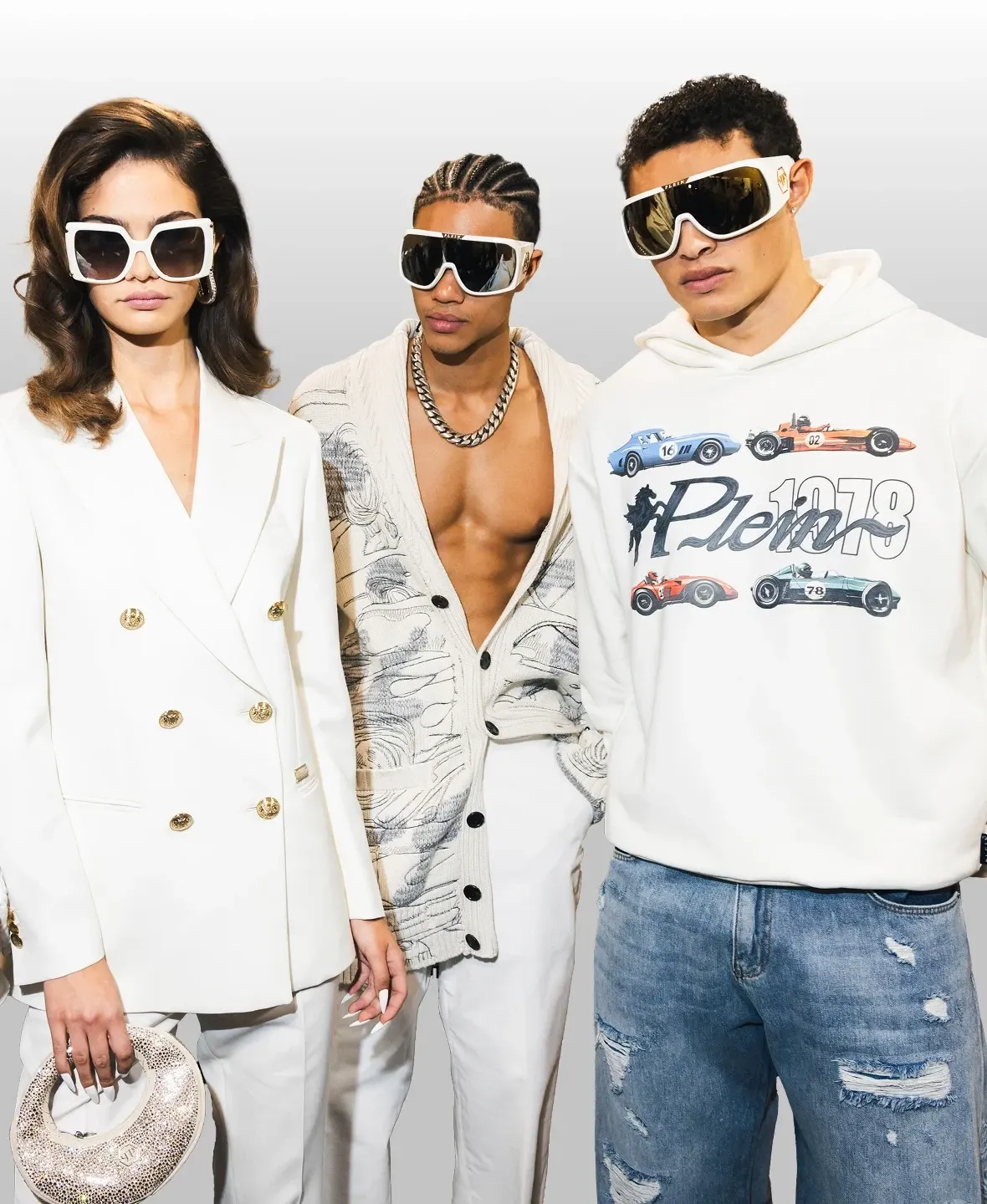
Plein’s strategy relies on provocation and exclusivity — every show is a spectacle worth millions of dollars.
The materials are indeed of high quality — Italian leather, Swiss crystals, German embellishments. But does this justify such prices? The brand’s marketing focuses on celebrities and social media. Every Instagram post generates millions of views.
The future of prices in the ultra-luxury segment seems clear — they will rise. Inflation, limited resources, increasing customer expectations. Philipp Plein probably has no intention of stopping this spiral. Why would they, when people continue to buy?
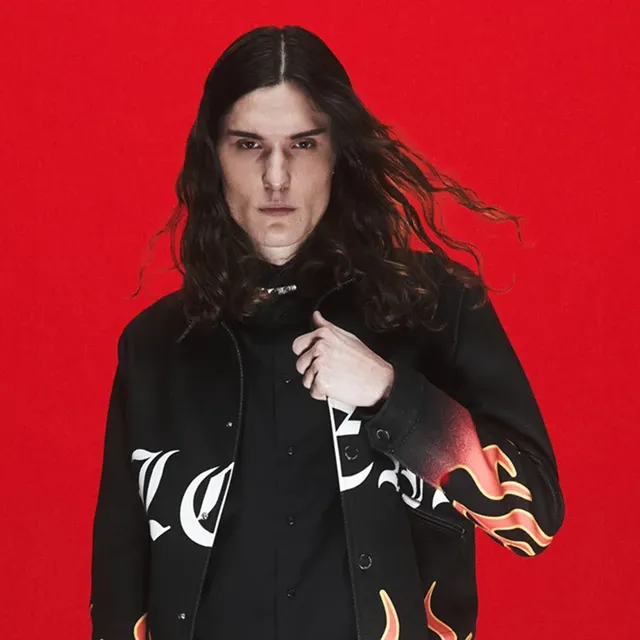 Photo: plein.com
Brand strategy and premium positioning
Once I wondered why people pay several thousand for a skull T-shirt. Philipp Plein is a perfect example of how luxury brand psychology works.
The strategy is simple — limited collections, selective retail points, and huge margins. Interestingly, it’s this “no discount” philosophy that does the most work. When a customer knows the price will never drop, the product suddenly becomes more desirable.
Distribution also matters. You won’t find Philipp Plein in every shopping mall. The brand carefully chooses where to sell its items. This builds an aura of exclusivity.
Compared to other fashion houses, Philipp Plein is more aggressive in its approach. Gucci or Louis Vuitton rely on heritage and tradition. Plein focuses on show and shock. Their runway shows are real spectacles with celebrities and special effects.
The latest statements from Philipp Plein AG’s management show they have no intention of changing this tactic. On the contrary — they emphasize that high prices are part of the brand’s DNA. Branding experts say it’s risky but effective.
It’s fascinating how this entire machine works. People buy not just clothing, but status. And status costs. No discounts, no compromises. Either you can afford the full price, or you’re not part of this world.
Sometimes I think it’s all one big social experiment. But it works.
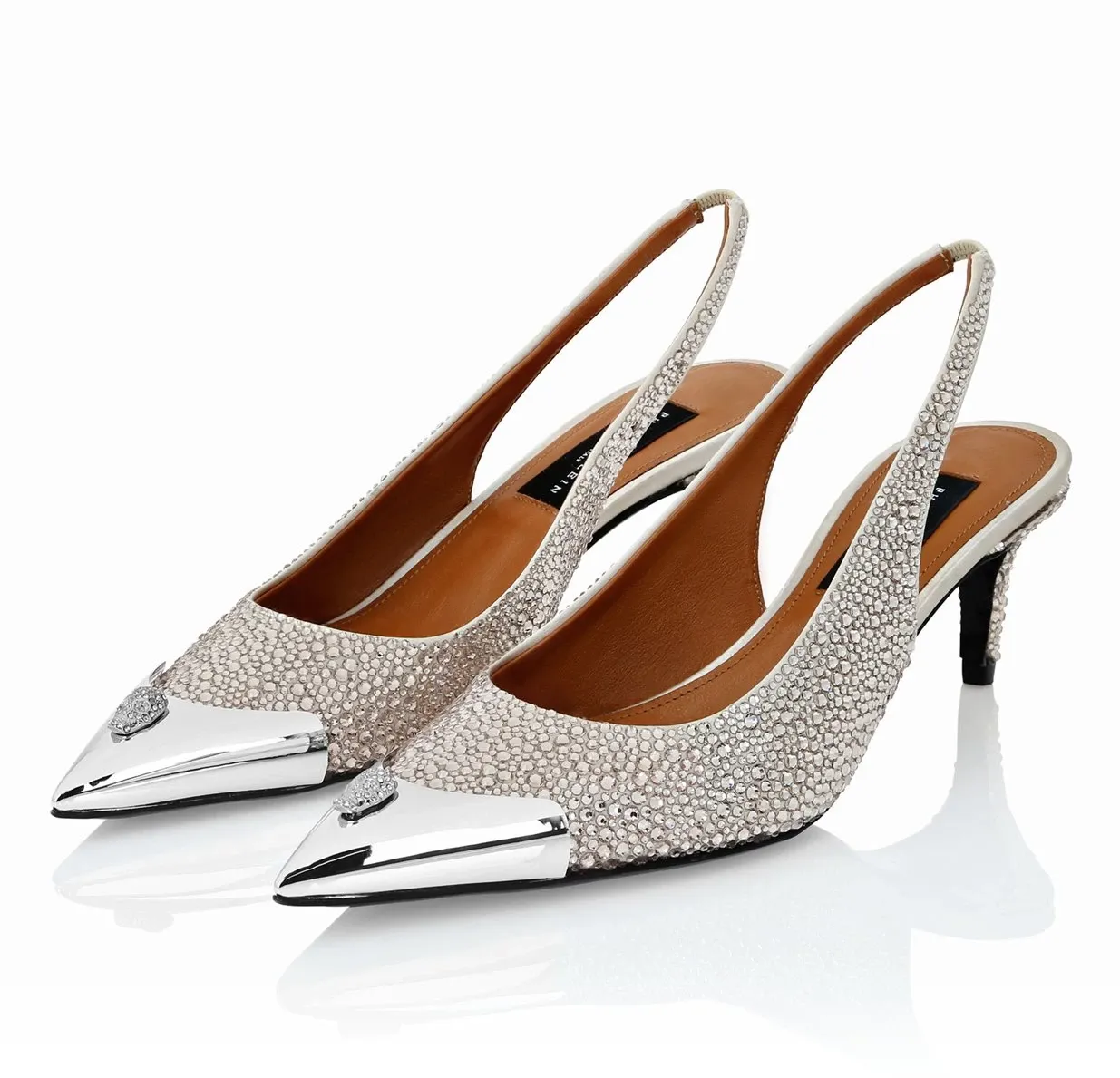 Photo: plein.com
Materials, craftsmanship, and production costs
Who would have thought that ordinary leather could cost more than someone’s salary? Philipp Plein mainly uses premium leathers — nappa, calfskin, sometimes exotic like python or alligator. Prices? A square meter of good nappa leather costs about 80-150 euros in Europe. Python leather can cost even 400-600 euros per meter.
Swarovski crystals are another story. The company buys them wholesale, but still, one large crystal costs 5-15 euros. A jacket can have hundreds of them. 3D applications, metal elements, studs — all produced in small workshops in northern Italy. They are still handmade, which explains the high costs.
The production process is true craftsmanship. Tailors in Bologna or Milan charge 25-40 euros per hour. One jacket often takes 15-20 hours of work. Add designing, pattern making, quality control.
The truth is, the physical production costs may account for only 25-35% of the final retail price. The rest? Brand, marketing, distribution, store margins. Raw materials for a jacket costing €2000 might only be €300-€500. The rest is exactly that "brand value" everyone talks about.Competitors do the same. Versace, Dsquared2 – everyone has similar production costs. The price differences are mainly about brand positioning in the market.
Celebrity marketing and the culture of excess
Philipp Plein is probably the most striking example of how far luxury marketing can go. I don’t know if it’s genius or madness, but their shows... are something else.
I remember the 2019 show in Milan – robots on the runway, lasers, almost like a techno concert. It probably cost a fortune, but everyone was talking about it. Social media exploded. Instagram Stories from that event had millions of views in the first 24 hours.
Celebrity involvement is a whole other story. Plein pays stars like Paris Hilton or Teyana Taylor for attending shows. Not just for wearing the clothes – for being there, taking photos, showing off. It’s an investment in reach, which then translates into sales.
Traditional luxury brands stick to elegant boutiques, discreet magazine campaigns. ROI? Hard to measure. Plein does it differently – everything loud, bold, on display. A yacht in Cannes as a showroom, parties with rappers, collaborations with influencers.
The numbers don’t lie. Philipp Plein’s engagement rate on Instagram is around 3-4%, while an average luxury brand achieves 1-2%. Their posts generate an average of 50-80 thousand reactions. It costs, but it works.
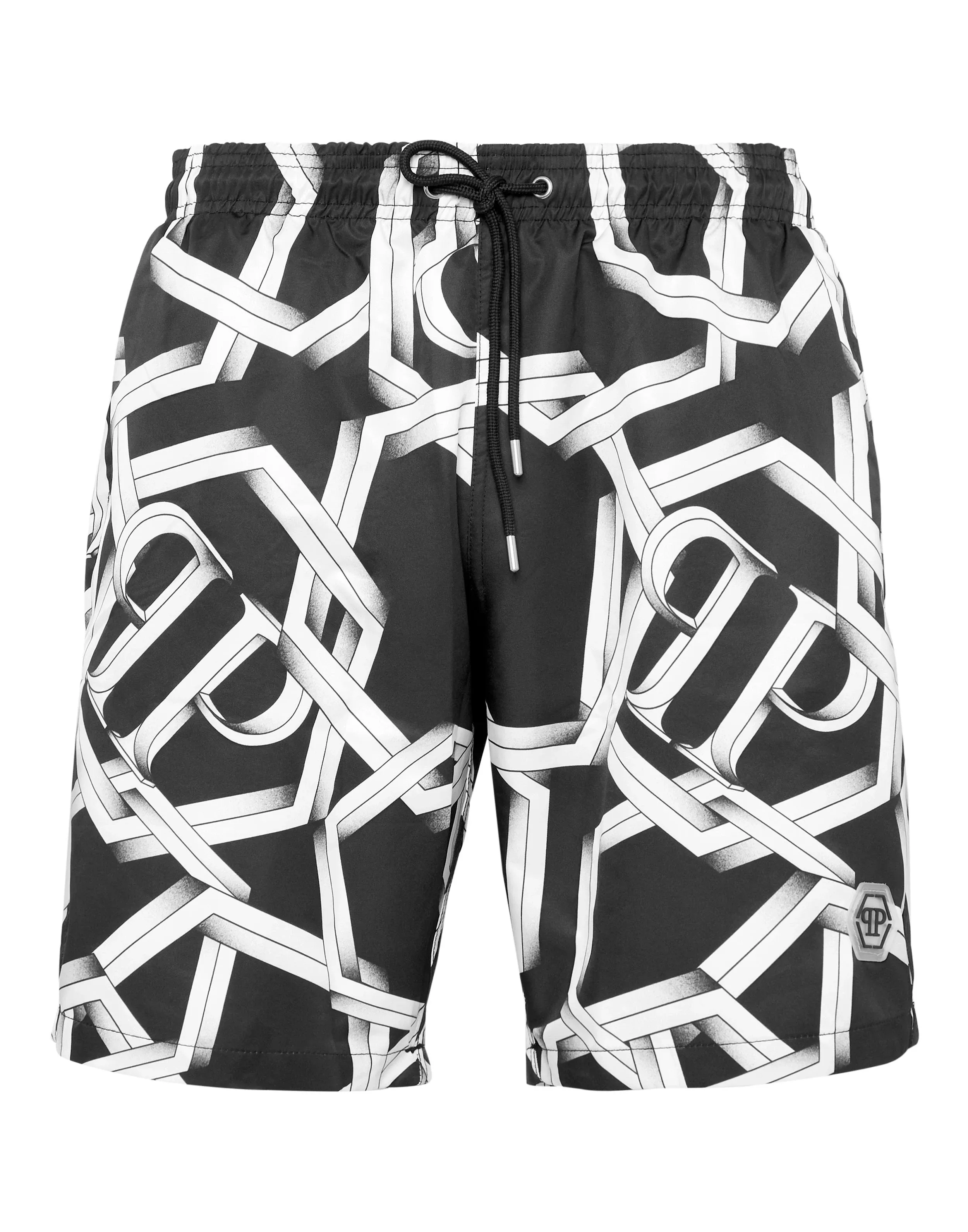 Photo: plein.com
The question is whether this excess strategy makes sense in the long run. People get used to shocks; you have to keep pushing the boundaries. Maybe in a few years, we’ll need a show in space to surprise anyone.
What sustains the glow of extravagance
The article indeed analyzed several key elements – premium strategy, material costs, celebrity marketing, and the entire cultural aura of luxury. It’s clear that all these components form a rather complex mechanism.
The conclusions are quite straightforward – exclusivity in distribution plays a huge role. Brands deliberately limit the availability of their products. The high share of intangible value in the price is another point – sometimes we pay mainly for the logo and prestige, not the materials. And storytelling... well, people buy stories, not just things.
Why do consumers still pay a premium? It’s probably a matter of social status. Someone carries a €10,000 bag to showcase their position. Or simply feels better with that product. Consumer psychology is fascinating.
When evaluating luxury brand prices in the future, it’s worth paying attention to several trends. Sustainability is becoming increasingly important – brands will need to justify high prices also through environmental responsibility. Digitalization is changing sales methods – exclusive online sales, limited collections available only via apps.
Artificial intelligence could also influence the personalization of luxury products. Imaginate – a handbag designed specifically for you by AI. Blockchain will enable authenticity verification, which could impact the secondary market. And NFTs? Who knows, maybe in a few years, we’ll pay a premium for digital versions of luxury goods.