
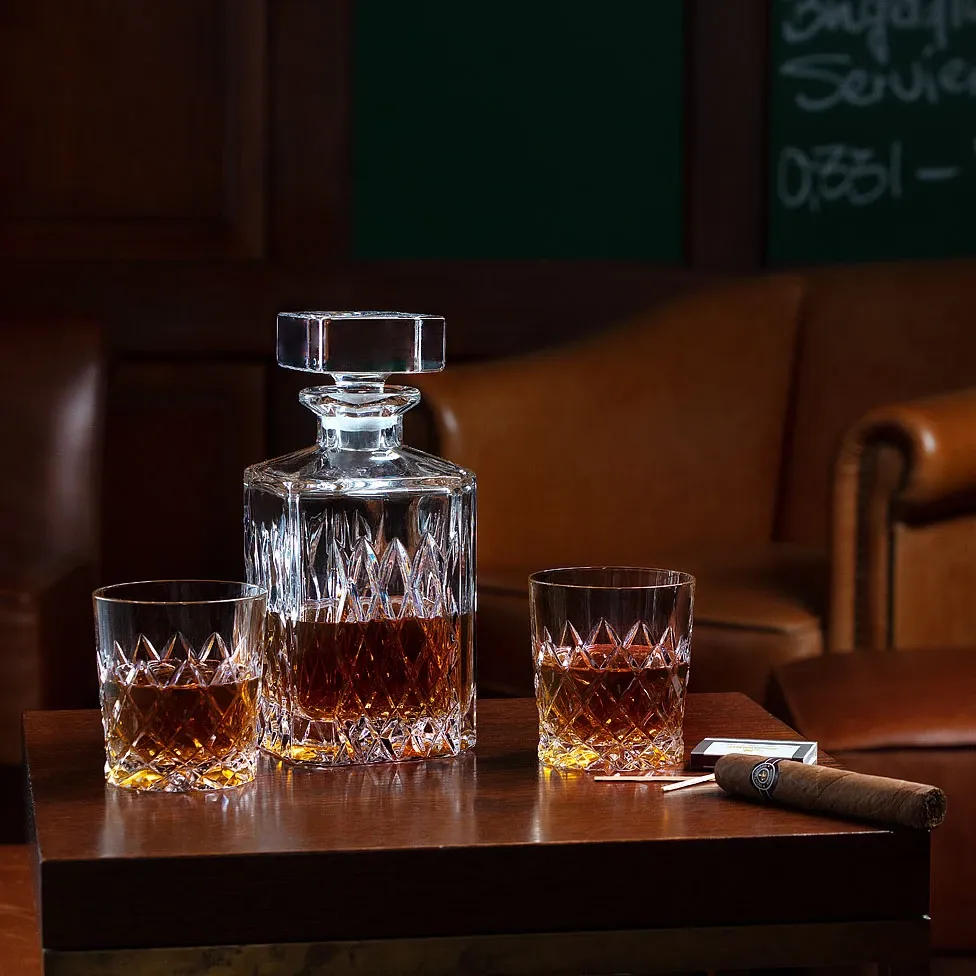
Today, there are many true connoisseurs of good whiskey worldwide, but it is also important to understand its intricate history to know what whiskey tasting entails. Over the years, whiskey has truly gone through a lot – prohibition, followed by World War I and II. When purchasing it today, we pay not only for the alcohol but also for its history and manufacturing tradition. In this article, we will explain what is currently known about the history of whiskey, how it is tasted, and what sizes of whiskey glasses are available on the market.
Whisky Tasting History
There is no certainty about when exactly whisky was created. The first official record regarding mass production of this alcohol appeared in 1494 in Scottish accounting books. According to it, King James IV ordered over 800 kg of malted barley from monks at Lindores Abbey. From the malt, they produced a beverage called “water of life”. Judging by this amount, production must have been ongoing for many years.
Historians estimate that as early as the 7th century, monks were distilling so-called aqua vitae. This drink was used solely for medicinal purposes – it alleviated many ailments and diseases. It was also believed that consuming whisky prolongs life. Since this entry appeared in Scottish accounting books, it was assumed that whisky originated in Scotland. However, monks initially arrived in Ireland and later moved to Scotland.
What does whisky tasting look like?
There are various methods of tasting, and many connoisseurs believe that only one way is correct – the one they personally use.
Some theories suggest that whisky can be enjoyed purely for pleasure or for tasting purposes. In the first case, you can use any additives, as the goal is simply to enjoy the flavor. However, if we aim for a proper tasting, it should be approached in the right way. The second method is often called “the art of tasting”, because it requires certain knowledge that helps to distinguish individual flavor elements of this spirit, as well as to give an overall assessment of the whisky.
During tasting, it is important not to disturb the harmony of flavors. Therefore, no additives are recommended, except for still water. Of course, there is a reason for this. In the case of blended whisky, the aroma of alcohol is noticeable – due to the short aging period. For single malt whisky, a little water can also be added to dilute it – our taste buds will thank us for it.
The next important aspect is the vessel used for tasting. Contrary to appearances, it should not be low glasses like those seen in movies – Old Fashioned glasses are only suitable for drinking.
For tasting, it’s best to use tulip-shaped glasses that narrow at the top. These allow you to see and evaluate the flavor of your whisky. This is mainly thanks to the bowl at the top of the vessel – it enables gathering the entire bouquet of the whisky.
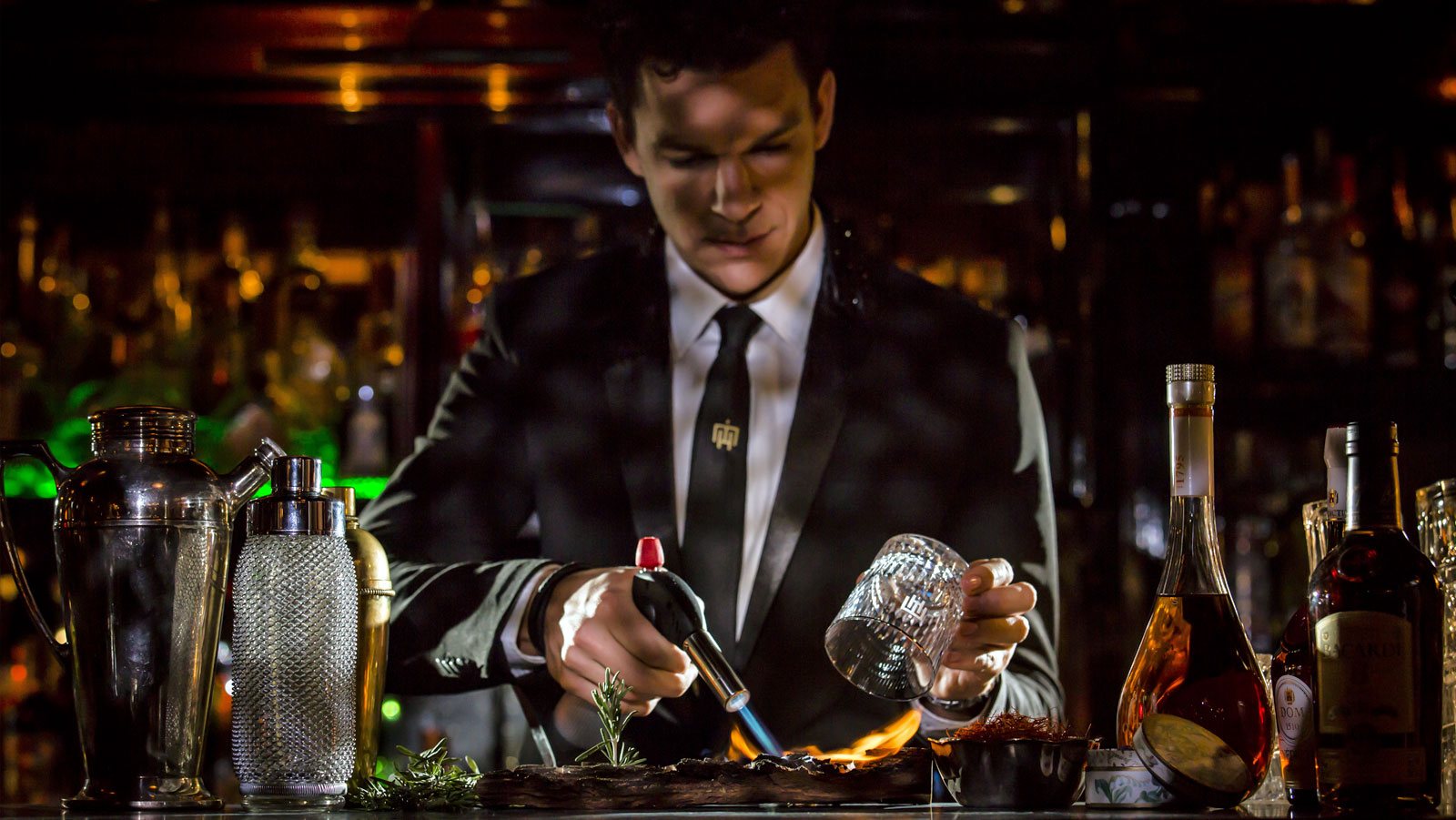
If you want to know how whisky tasting is done step by step, follow these instructions
Step one – choosing the glass
As mentioned earlier, the appropriate choice for tasting is a tulip-shaped glass. This distinctive vessel features a bowl that narrows at the top. Thanks to this, when you bring your nose close to the drink in the glass, you can assess its aroma. All the scents present in the whisky concentrate at the top of the glass. In a regular glass, aromas spread in all directions. The glass also encourages slow sipping, which is essential for proper tasting.
Step two – pouring
Next, pour your whisky. Remember not to pour too much. The amount should be within 20-30 ml. Such quantities are also standard at professional tastings.
If you're unsure how far to go, a good rule of thumb is to fill the glass up to its widest point. This is the maximum height to which the whisky should reach. The goal is to leave enough space in the glass – where all the aromas can gather.
At this point, it’s advisable to take a short break, allowing the whisky to oxidize (similar to wine). Waiting also helps gather the spirit’s aroma, which will positively influence your sensory experience during tasting.
Step three – tasting and evaluation
To evaluate whisky, you need to consider two main elements: aroma and taste. It is said that both the nose and the tongue need to be accustomed to whisky. A good practice is to approach cautiously – we shouldn't immediately put our nose directly into the glass. Start by smelling from a distance, preferably using gentle, almost half-inhalations. After some time (preferably longer), when you start to sense more than just alcohol, you can proceed to deeper inhalations.Next, we move on to tasting. The first contact of our tongue with whisky is not very pleasant. With subsequent attempts, it gets much better. Why is the first encounter with this spirit so difficult? The pain we feel during the initial approach to whisky is caused by one of the nerves located in the tongue.
The first sip involves rinsing the inside of the mouth in such a way that it allows the whisky to reach all the taste buds. If we repeat this, the previously mentioned nerve will stop reacting so violently. And we will be able to start enjoying the flavor of whisky.
Actually, the magic of whisky appears only after swallowing a certain amount of alcohol and then drawing air through the mouth. “The magic of whisky” refers to the finish, which is the aftertaste experienced in the mouth. The finish can be shorter or longer – depending on the drink. According to experts, we should follow the rule “the longer, the better.” A long finish usually indicates high quality whisky.
What capacities do whisky glasses have?
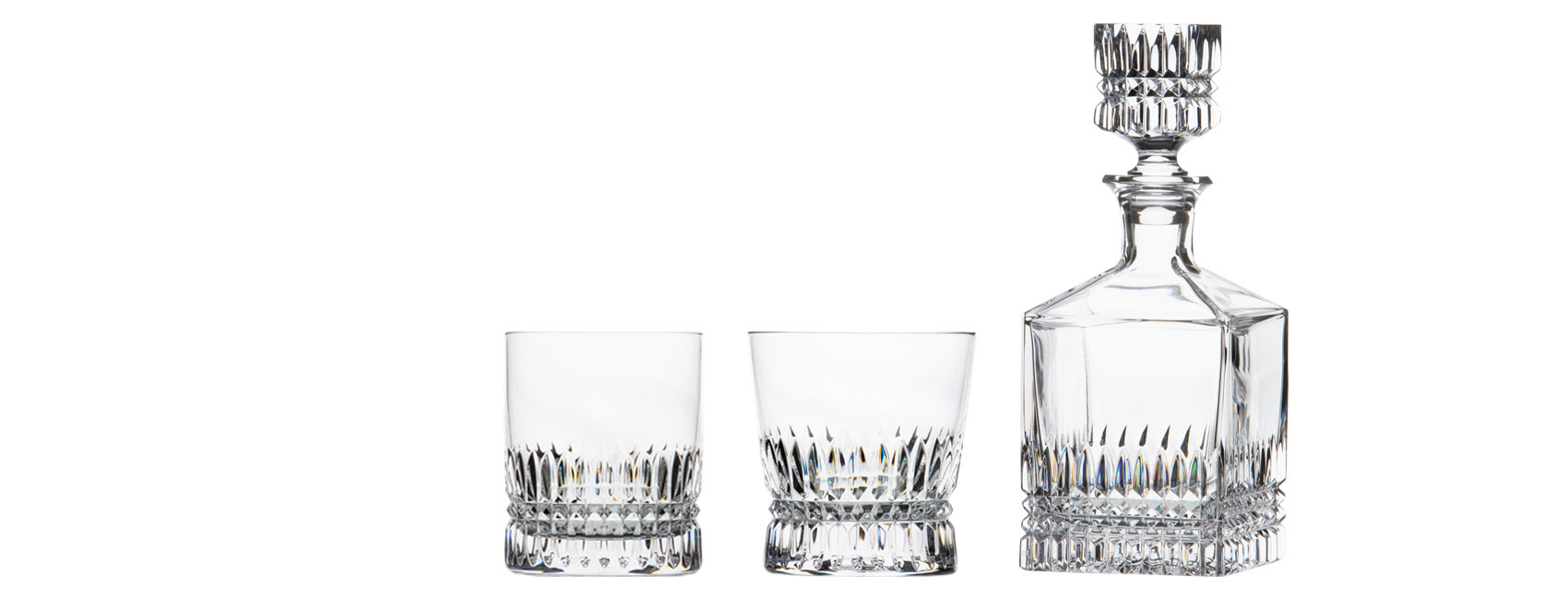
Experts say that whisky tastes better when served in the right glass. Additionally, the way whisky disperses varies depending on the type of vessel. There are many different types of glasses and tumblers designed specifically for whisky on the market. Which one should you choose?
For those just starting their journey with this spirit, glasses with large capacities are most often recommended. Such vessels not only allow you to explore the flavor of whisky but also to test it with various additives. Comfort of use is also very important, so before purchasing, it’s worth checking how the glass fits in your hand.
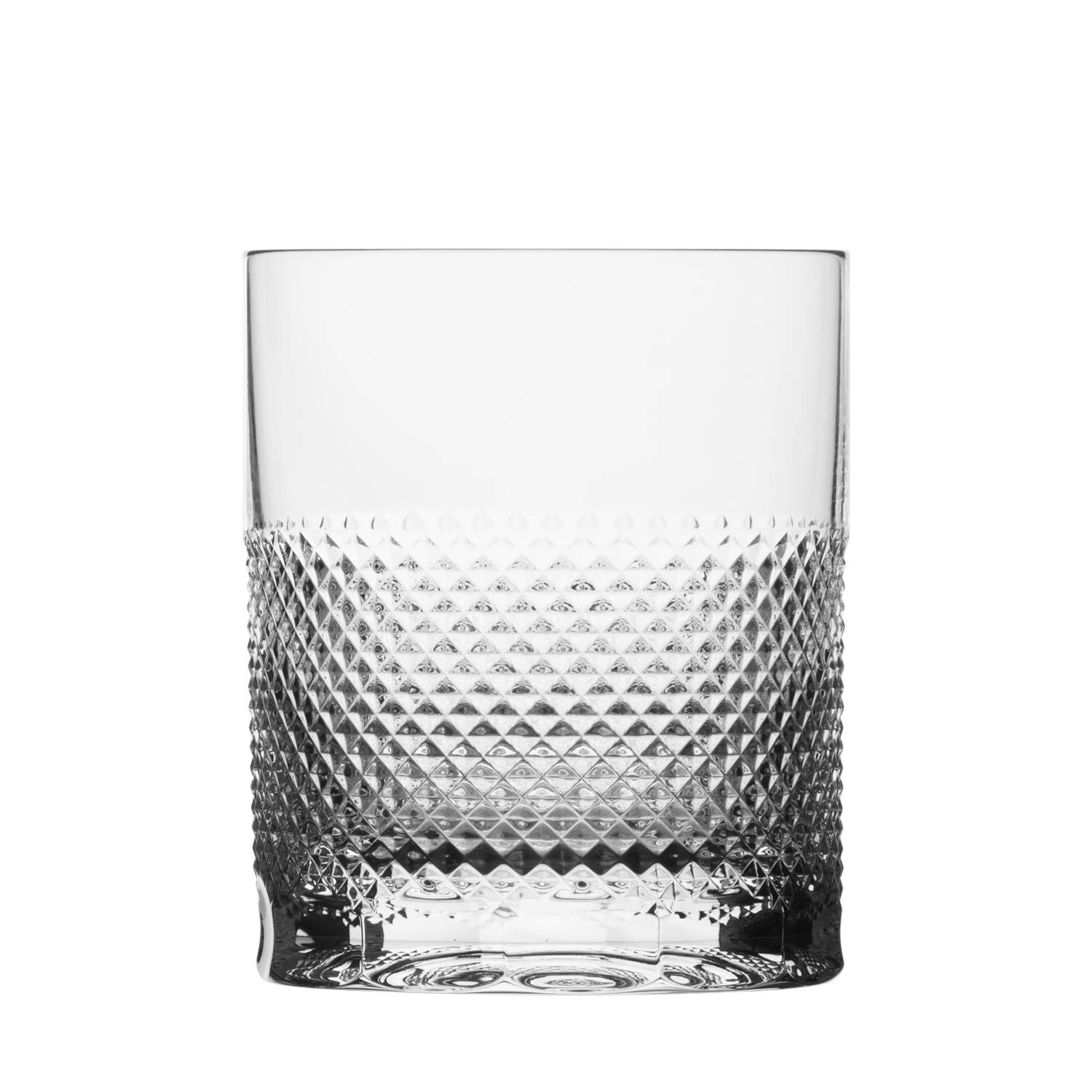
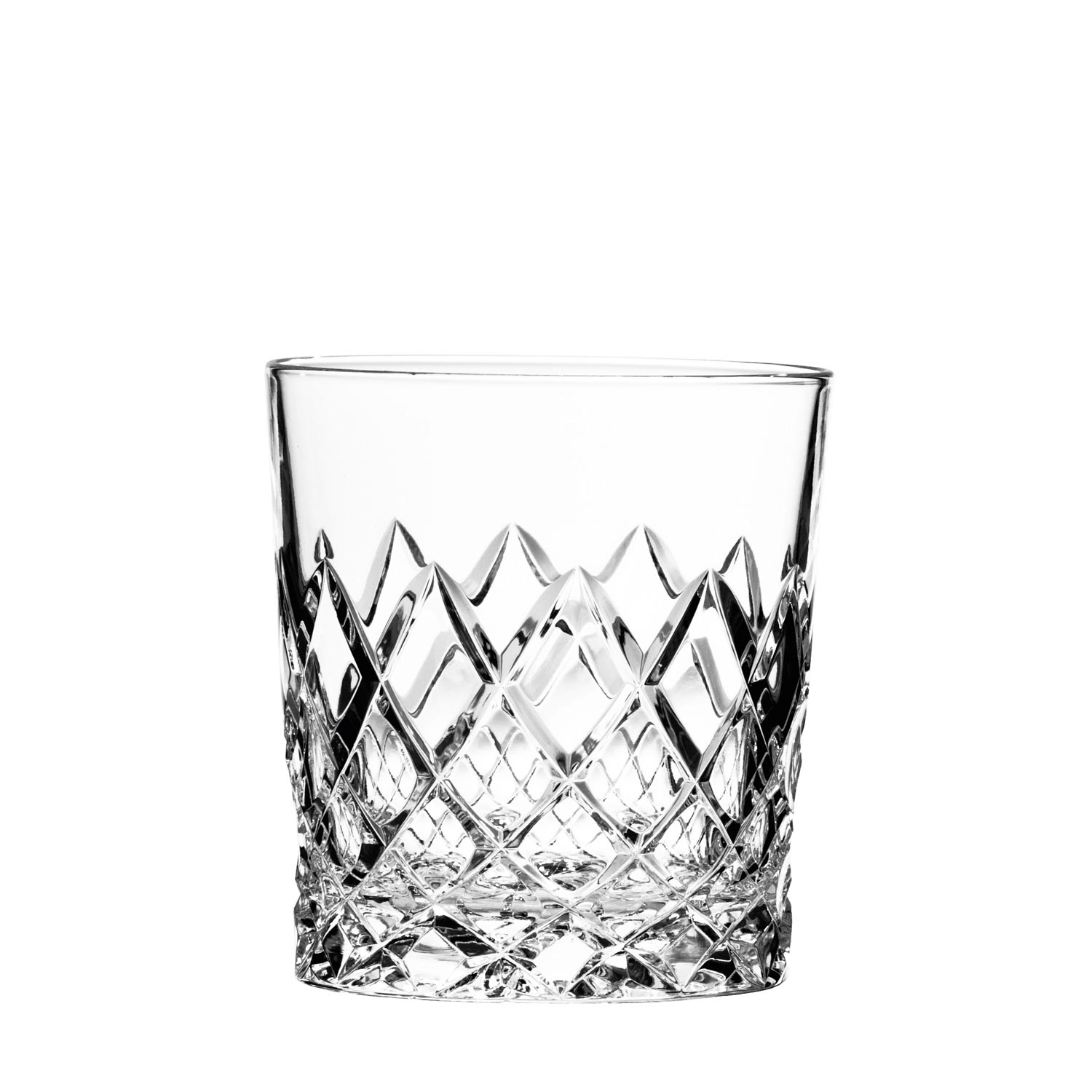
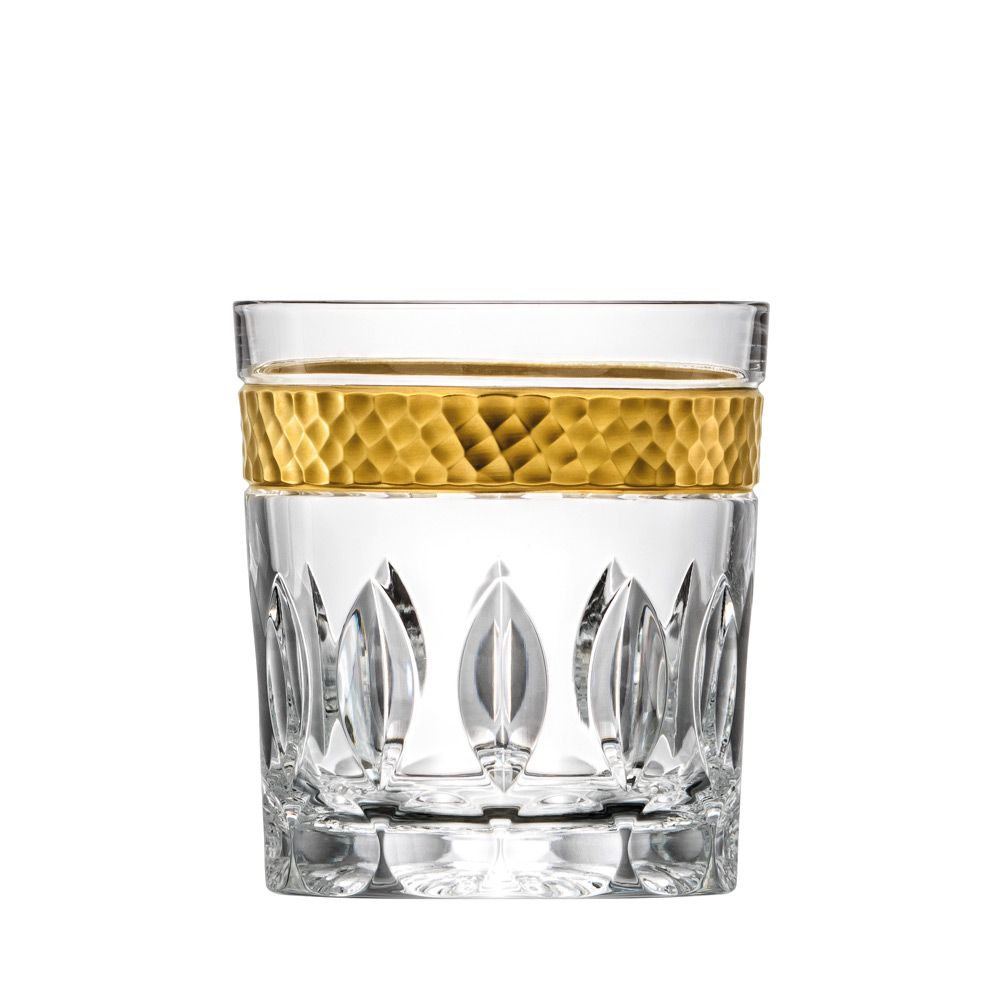
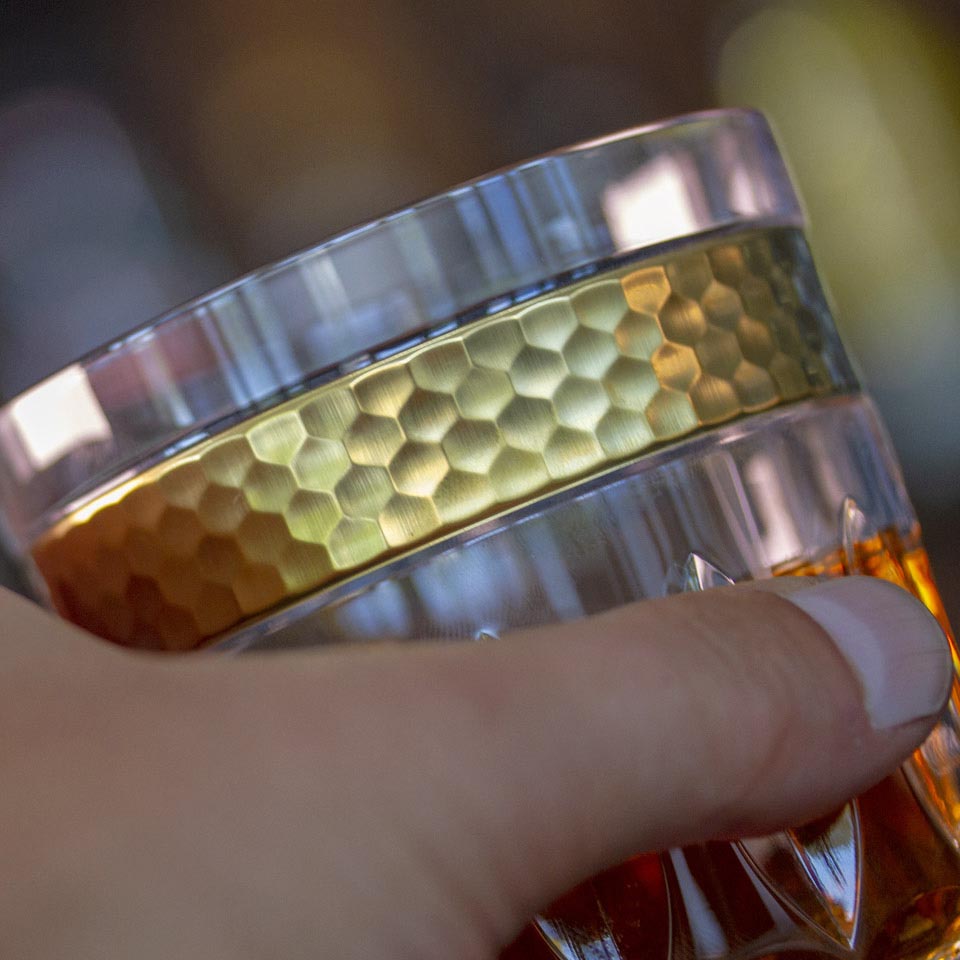
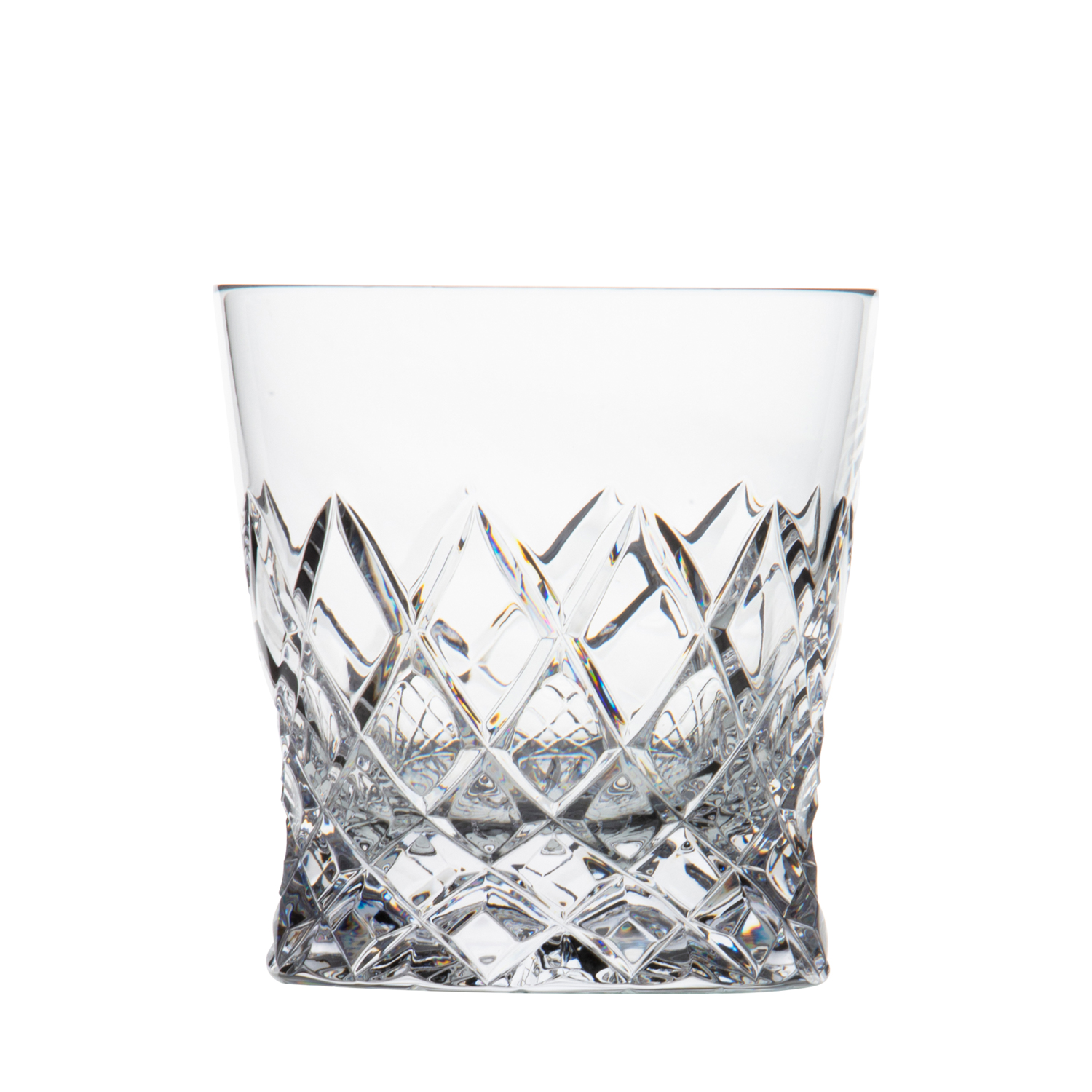
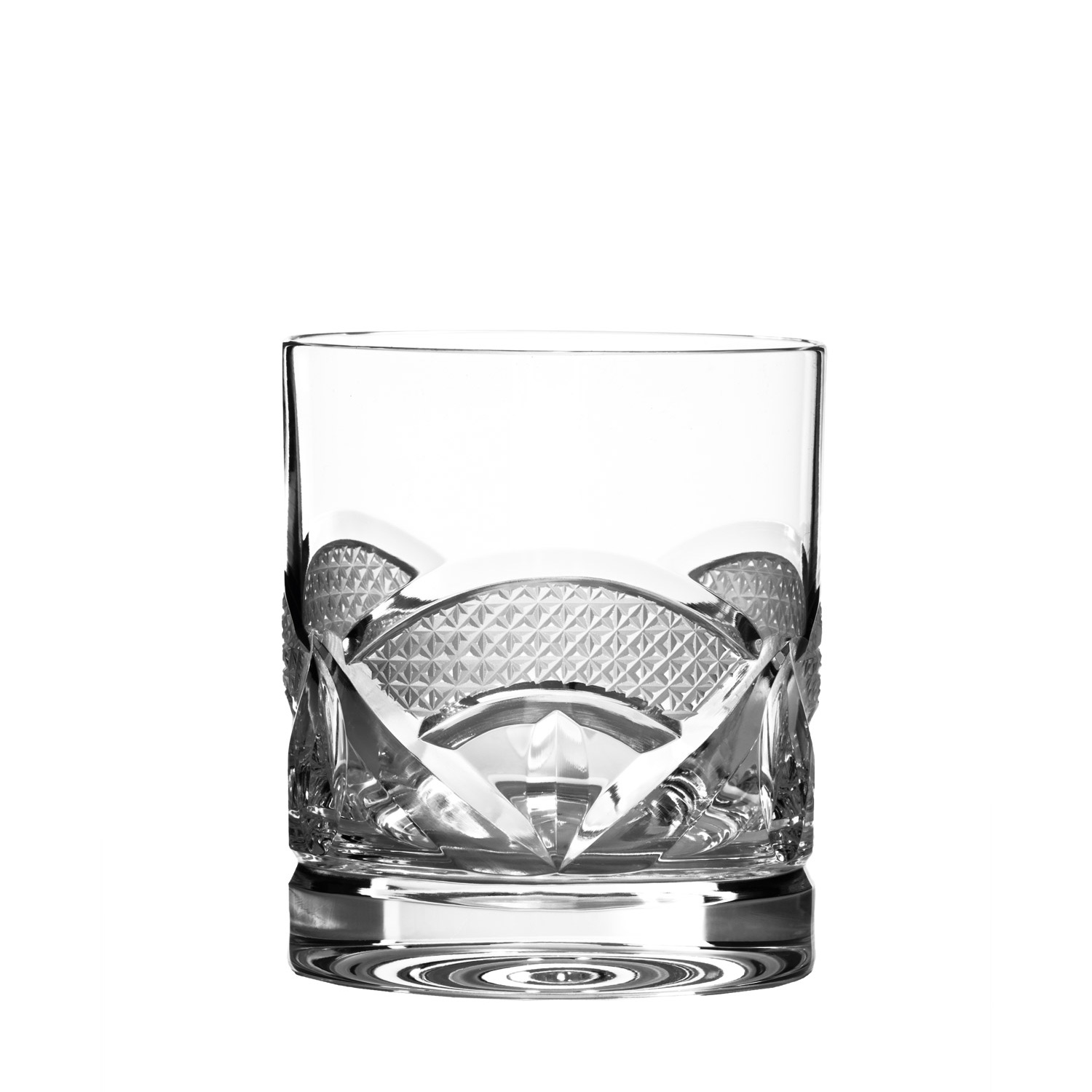
On the market, you can find whisky glasses of various capacities, ranging from less professional to highly specialized. This depends, among other things, on the manufacturer and the material used.
The most common capacities include:
• 20-60 ml for shot glasses,
• 10-150 ml for Glencairn glasses,
• 150-500 ml for snifter glasses,
• 160-300 ml for tumbler glasses,
• 174-250 ml for neat glasses,
• 200-300 ml for highball glasses.
Now that we know what whisky tasting looks like, as mentioned, your first encounter with it might not be the best experience of your life. However, with each subsequent try, it should get better and better. You will be able to detect new aroma and flavor notes. There’s also another possibility – it might turn out that whisky isn’t for you. And that’s perfectly fine.
If you're looking for an original whisky set, check out the wide offer at Luxury Products. Here you will find exceptional glassware and crystal dedicated to fans of fine vintage whisky!