The kitchen is the heart of every home, and its functionality must go hand in hand with stunning design to create a space where you want to spend time. The right choice of ceramic tiles is absolutely fundamental to any successful arrangement, as they provide a durable backdrop for furniture and appliances, determining the style of the entire room.
It is precisely the carefully selected floor and wall tiles that are the finishing element providing aesthetics and hygiene for many years, standing the test of time and intensive use. Planning the perfect tile composition requires considering many factors, from durability to texture.
What to consider when choosing tiles for the floor?
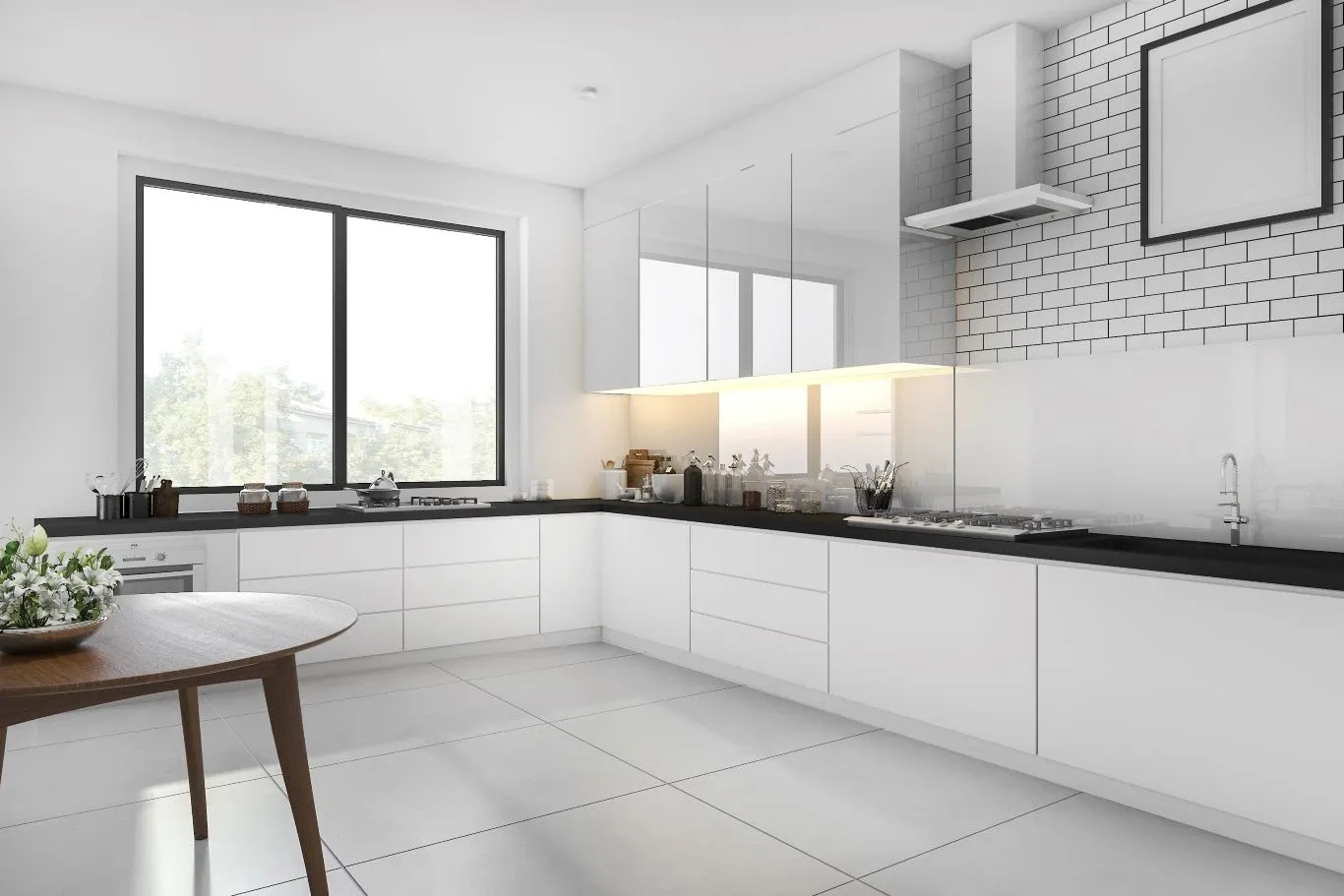
The kitchen floor is the most exposed to mechanical damage, spills, and high temperatures, so durability and resistance of the material should be the main criteria for selection. The ideal kitchen floor tiles - choose at Klink.pl are those characterized by a high wear resistance class (PEI IV or V) and low water absorption, which guarantees their long-term reliability and easy maintenance. Besides practical considerations, attention should be paid to the anti-slip coefficient (at least R10) to ensure safety for household members while cooking. Gres tiles imitating wood or concrete are very popular, bringing warmth and a raw, industrial charm to the interior. Large-format floor tiles make the kitchen appear bigger.
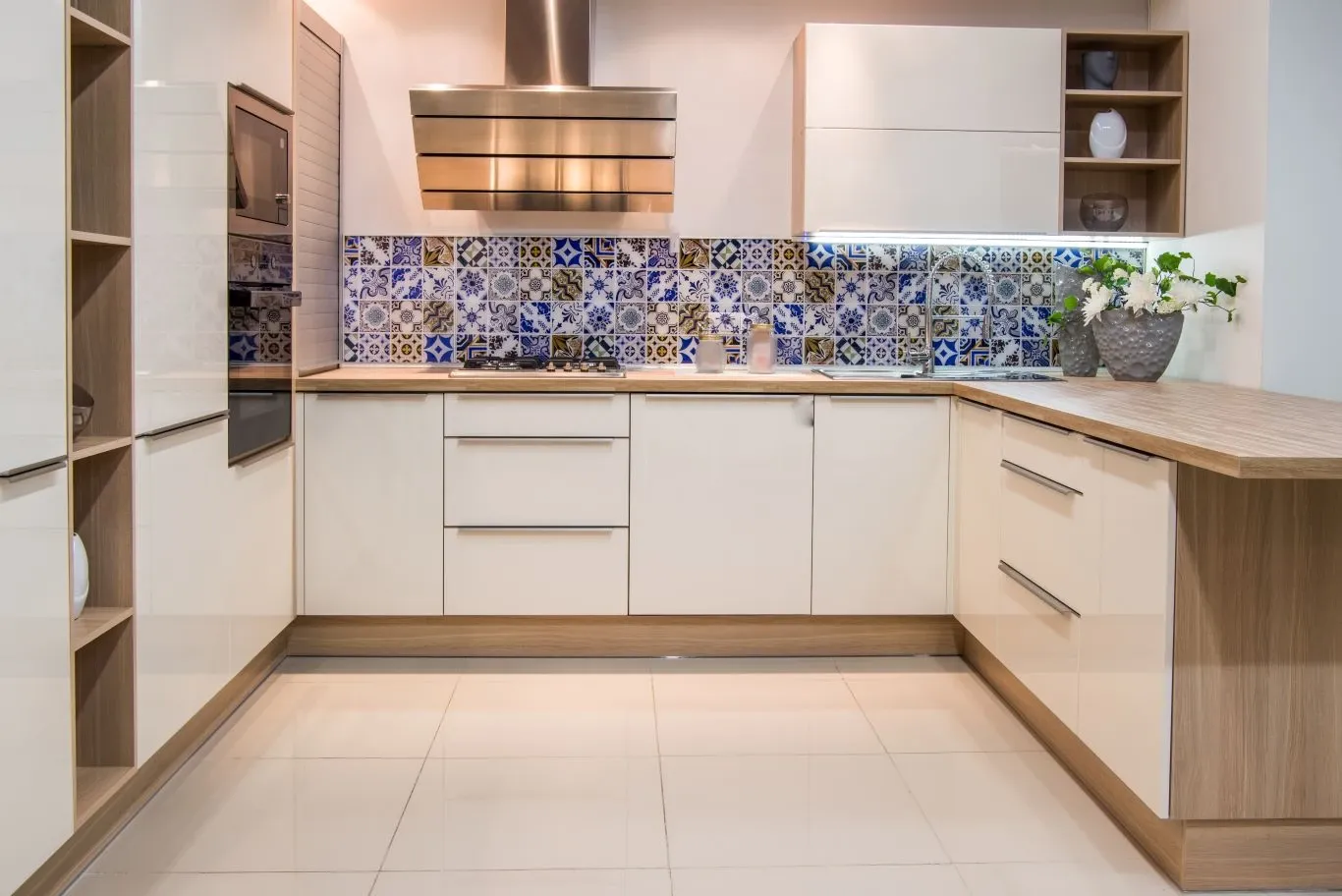 Photo: klink.pl
Which ceramics are best suited for walls?
Wall tiles, especially in the area above the worktop, serve as protection against grease, moisture, and dirt, while also being the main decorative element in the kitchen. In this case, you can be more flexible with the size and texture, focusing mainly on the visual effect and ease of removing stains from the surface. Currently, metro (brick) tiles and hexagonal tiles are very trendy, introducing a modern, geometric accent into the interior. Kitchen wall tiles from Klink.pl offer a wide selection of smooth, glossy surfaces that reflect light beautifully, visually brightening the room. Bold options include tiles with pronounced decor or those imitating marble, which can successfully replace expensive glass panels.
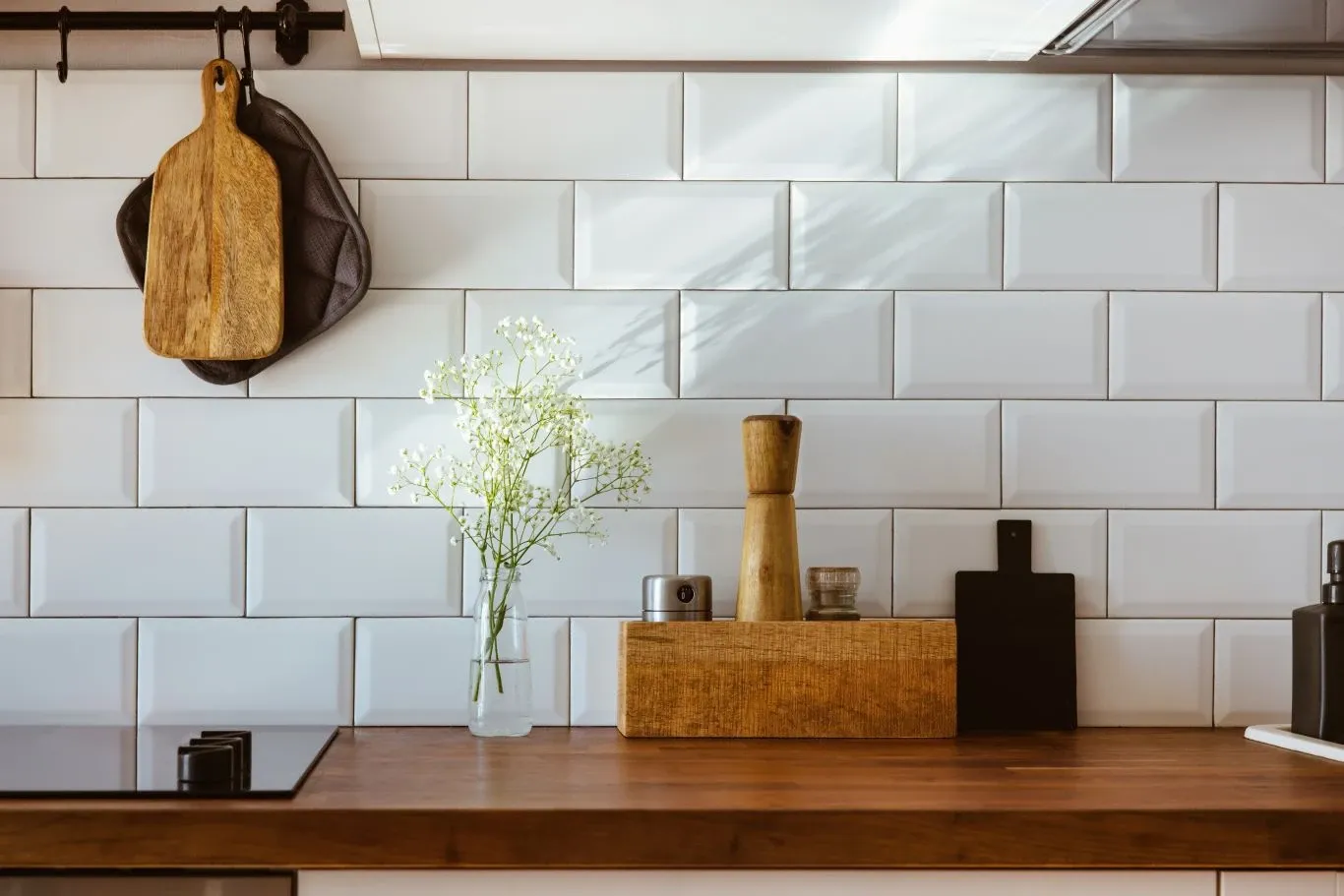 Photo: klink.pl
Combining floor and wall – harmony of patterns
Creating a cohesive and harmonious arrangement requires thoughtful pairing of floor and wall tiles so that they complement each other rather than compete for attention. Remember, if you choose a bold texture or pattern on the floor, it’s better to opt for a more subdued and uniform material on the wall, which will serve as a calm background. Conversely, with a simple, monochromatic floor, you can confidently select wall tiles with a striking pattern or vibrant color, creating a dynamic and eye-catching zone above the worktop. In modern kitchens, a popular technique is using the same gres on the floor and part of the wall, creating a sense of uniformity and spaciousness. The key to success is maintaining a balance between functionality and aesthetics.
Choosing ceramics for the kitchen is an investment in comfort and style that pays off every day during meal preparation. Remember to opt for materials with high technical resistance, especially for floors, while not sacrificing original patterns and colors on the walls. Carefully matching textures and colors will make your kitchen a unique space, perfectly tailored to the needs and tastes of the household members.
Sponsored article