Solid or glazed doors? The choice of door panels affects not only the interior appearance but also privacy, acoustics, and the amount of light in the home. In this article, we suggest when solid doors are better for bedrooms, bathrooms, or offices, and when it’s worth opting for glazed doors for the living room or dark corridors.
Solid or glazed doors – what’s the difference?
The choice of door leaf determines the atmosphere and functionality of the house. Although both solid and glazed models have a sturdy construction made of wood or MDF board, the devil is in the details. When selecting interior doors, it’s worth analyzing key technical parameters:
Light transmittance brightening dark rooms;
level of desired privacy for household members;
effectiveness of sound insulation reducing noise;
Optical expansion of cramped spaces;
intended room-specific use of the door leaf.
Glazed variants are perfect for the living room because they introduce lightness. Solid models are an excellent choice for the bedroom, where privacy matters.
In which rooms are solid doors best suited?
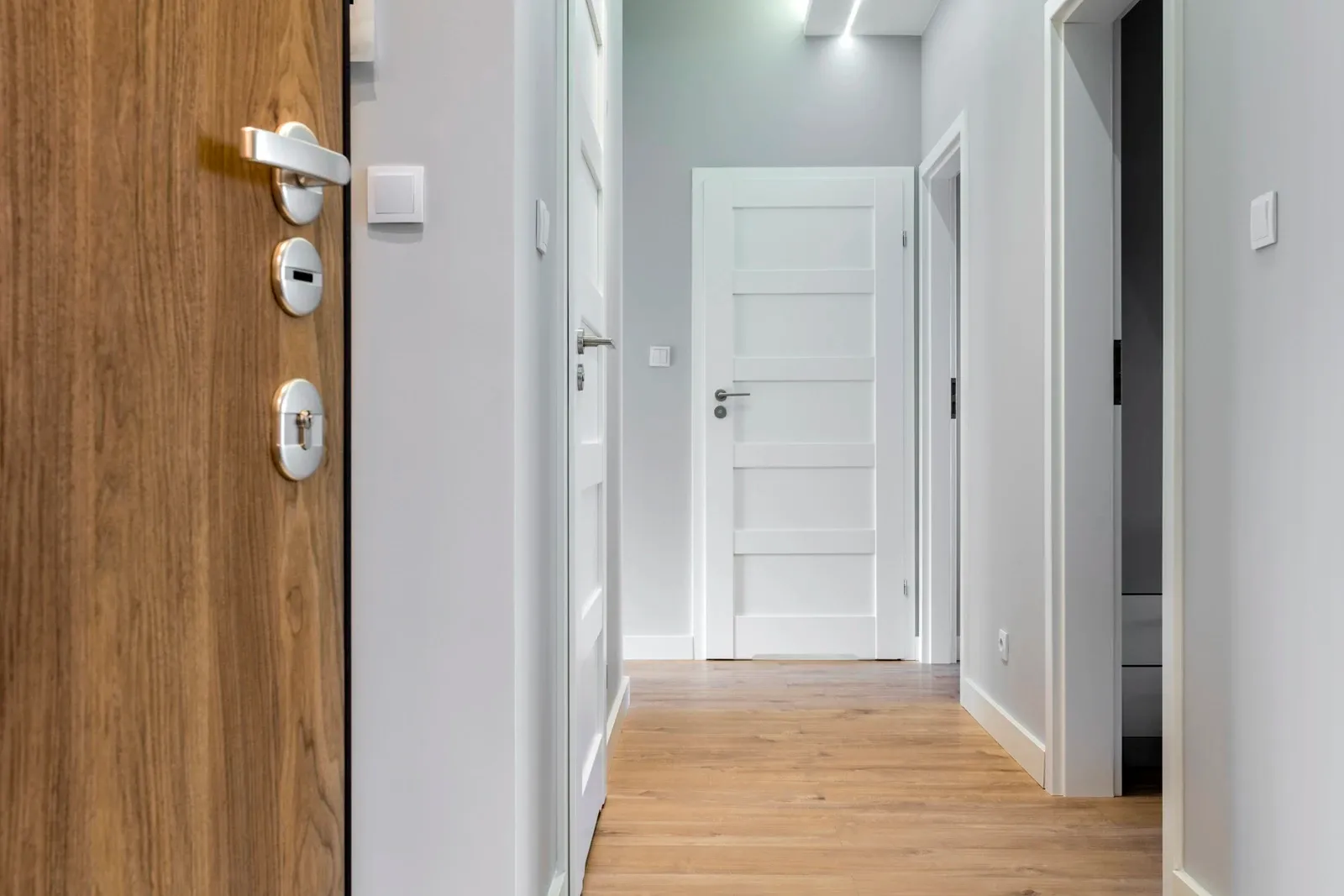
Doors without glazing are a proven way to ensure home privacy and peace. Their uniform construction blocks light and effectively dampens sounds, creating a cozy atmosphere. It’s worth installing them wherever privacy and focus are important.
Such solutions work well in many places:
for the bedroom – they separate it from the rest of the house and guarantee deep sleep;
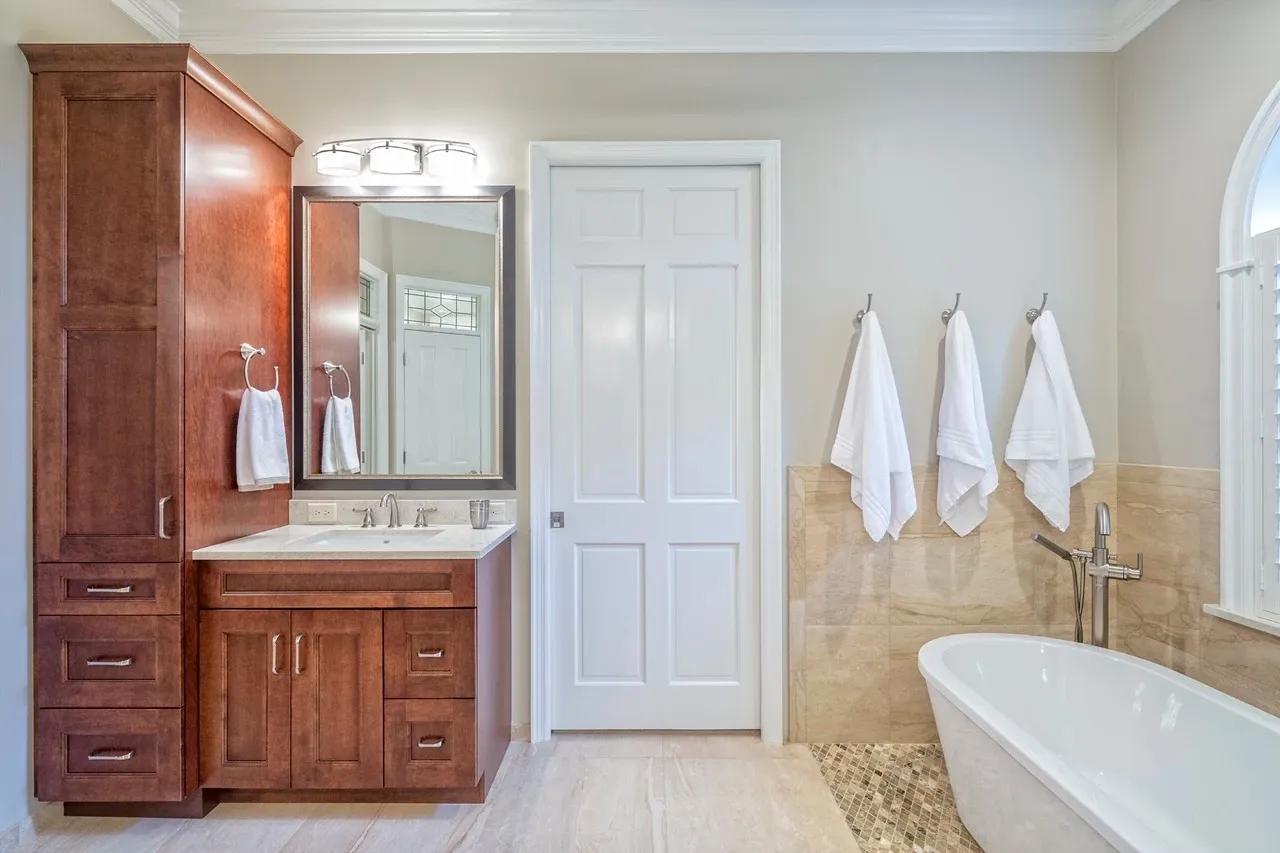
for the bathroom – they provide household members with full discretion and comfort;
for the study – they facilitate concentration during work;
for the wardrobe – they aesthetically conceal stored clothes;
for the children’s room – they effectively dampen sounds coming from the living room.
Choose durable door leaves and combine durability with a design that matches your interior.
Glazed doors – how to brighten a dark corridor and living room?
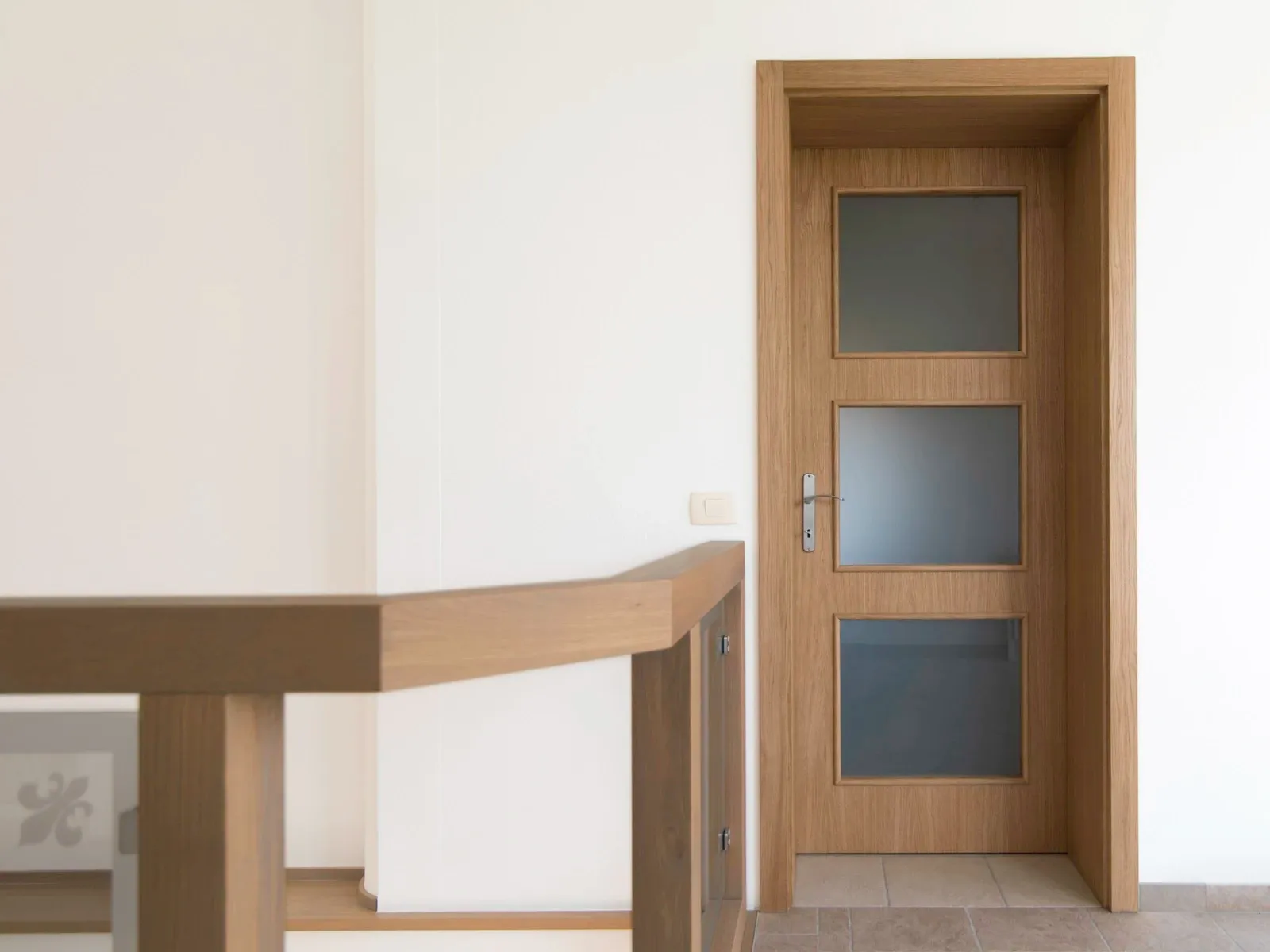
Glazed doors are an easy way to visually enlarge and illuminate the interior. They allow natural light to freely penetrate deep into the apartment, which works great in a dark hallway. This solution makes a corridor without windows gain brightness from adjacent rooms, making it much more cozy.
Doors with muntins will look perfect in the living room, subtly connecting the relaxation zone with the dining area. In narrow corridors and tight passages, sliding doors are the best choice – they help save valuable space without blocking the flow of light.
How to choose safe glass for interior doors?
When choosing doors with glazing, prioritize safety. An excellent choice is tempered glass with 5 times greater impact resistance than regular glass. Alternatively, opt for a version with PVB film – in case of breakage, it will hold the glass in one piece, protecting against cuts.
The finish of the glass affects aesthetics and privacy. You can choose:
for the bedroom – frosted glass gently blurring contours;
for the study – milk glass providing full discretion;
for the living room – decorative patterned glass dispersing light decoratively;
for small interiors – clear glass optically enlarging the space;
for modern arrangements – tinted glass adding an original style.
Check out safe glazing options and match them to your home.
Sponsored article