Fashion, alongside clothing, is often a story woven from ambition, courage, and a sense of timing. The history of the Marc Cain brand begins like a classic European tale of a dream, which travels from a knitting machine workshop to the world's runways. Yet, it is also a story of consistency, but also of the ability to listen to women and respond to their needs in an exquisite yet natural way. Marc Cain has been balancing between luxury and everyday wear for years, creating fashion that doesn't shout but attracts attention with subtle confidence. Let's discover its exceptional story!
German Roots of the Brand
The brand's origins date back to 1973, when Helmut Schlotterer founded a company in the small town of Bodelshausen in Germany. From the very beginning, Marc Cain was a project based on quality, technology, and craftsmanship, rather than fleeting trends. The brand started with knitwear, which quickly became its signature and the foundation for further development. Additionally, at a time when mass production was beginning to dominate the market, Marc Cain persistently invested in innovative knitting machines and local manufacturing. This decision built the brand's reputation as solid, authentic, and uncompromising.
Importantly, the company from the beginning developed its own technological infrastructure, allowing it to experiment with form, weave, and fabric quality without relying on external suppliers. This approach enabled full control over the entire collection creation process, from the first design to the finished product. The German approach to precision was then combined with fashion sensibility, resulting in a surprisingly light and feminine effect. Early on, it was clear that this was not a seasonal brand, but a long-term project built step by step, with durability and customer trust in mind. It was this consistency in vision that allowed the brand to survive decades of changing trends and create clothing that never go out of style.
Photo: marc-cain.com
Marc Cain’s Unique Style
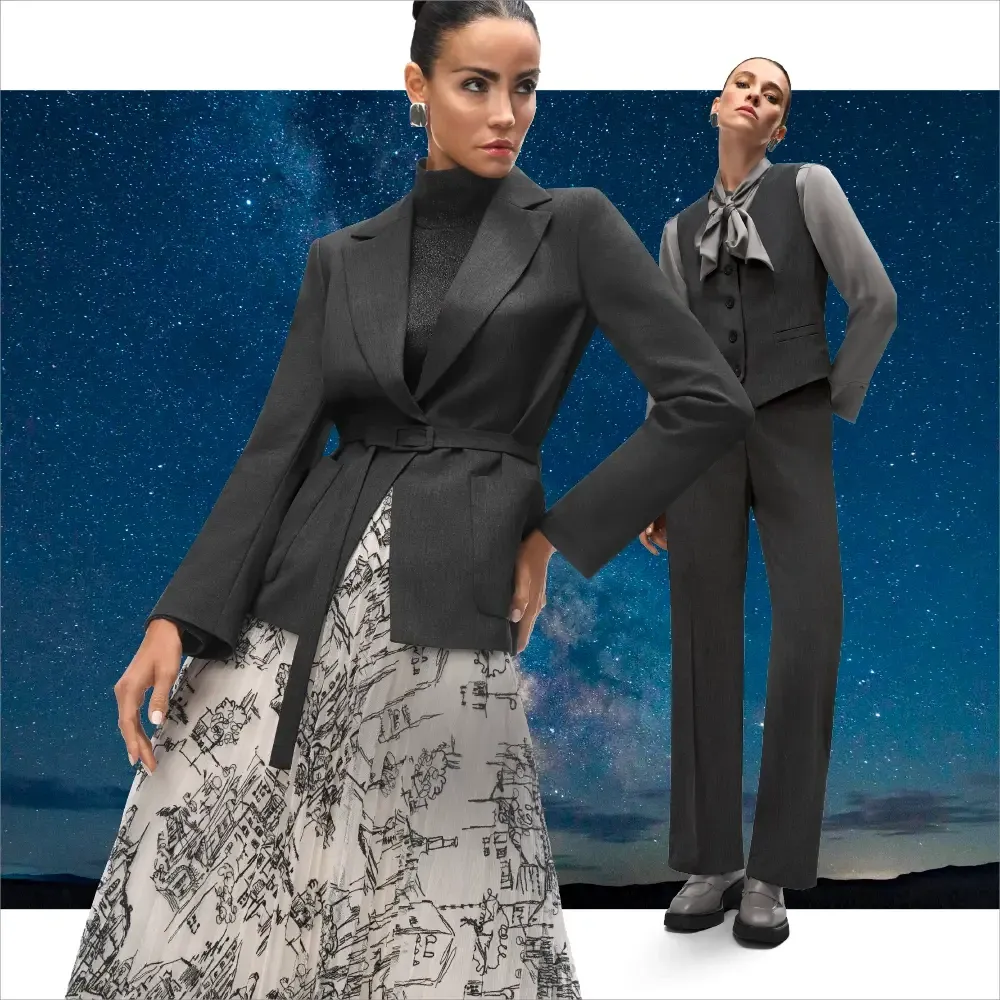
Photo: marc-cain.com
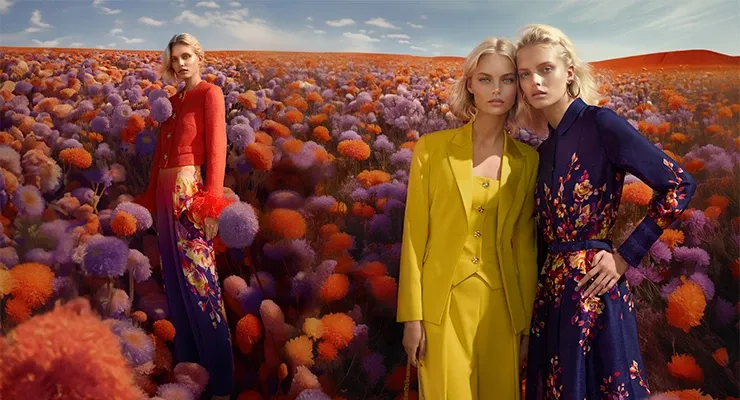
Marc Cain has always directed its offer towards conscious, independent women who value individuality. Its designs do not blindly follow runway inspirations but interpret them in a practical and elegant way. Characteristic prints, bold color combinations, and perfect cuts have become its hallmark. The brand’s clothing aims to highlight personality rather than mask it, making them stylish and comfortable. The brand consistently focuses on fashion that gives women the freedom of choice and allows playful mixing of styles without losing elegance. Each collection tells its own story, often inspired by art, architecture, and design.
Marc Cain’s style does not impose but naturally adapts to different body types and lifestyles. It is also characterized by skillful combining of casual elements with more elegant ones, making the brand’s clothes highly versatile. It is fashion suitable for both work and less formal occasions. An important element is also the quality of fabrics, which not only look good but also feel great and maintain their shape over the years. Thanks to this, customers often return to the brand, treating it as a staple in their wardrobe. Marc Cain does not promise transformations but offers coherence, timeless class, and always a fashionable look.
The History of Marc Cain and Its Breakthrough into the International Market
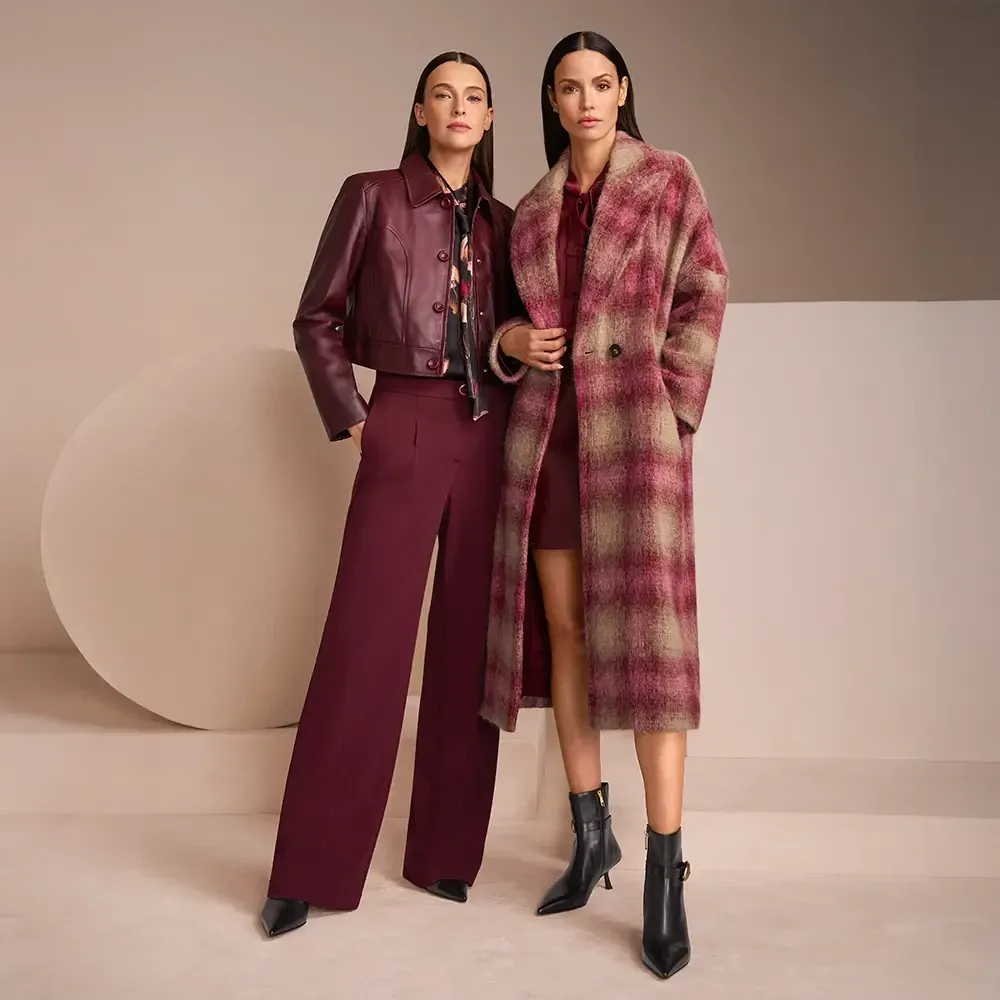
Photo: marc-cain.com
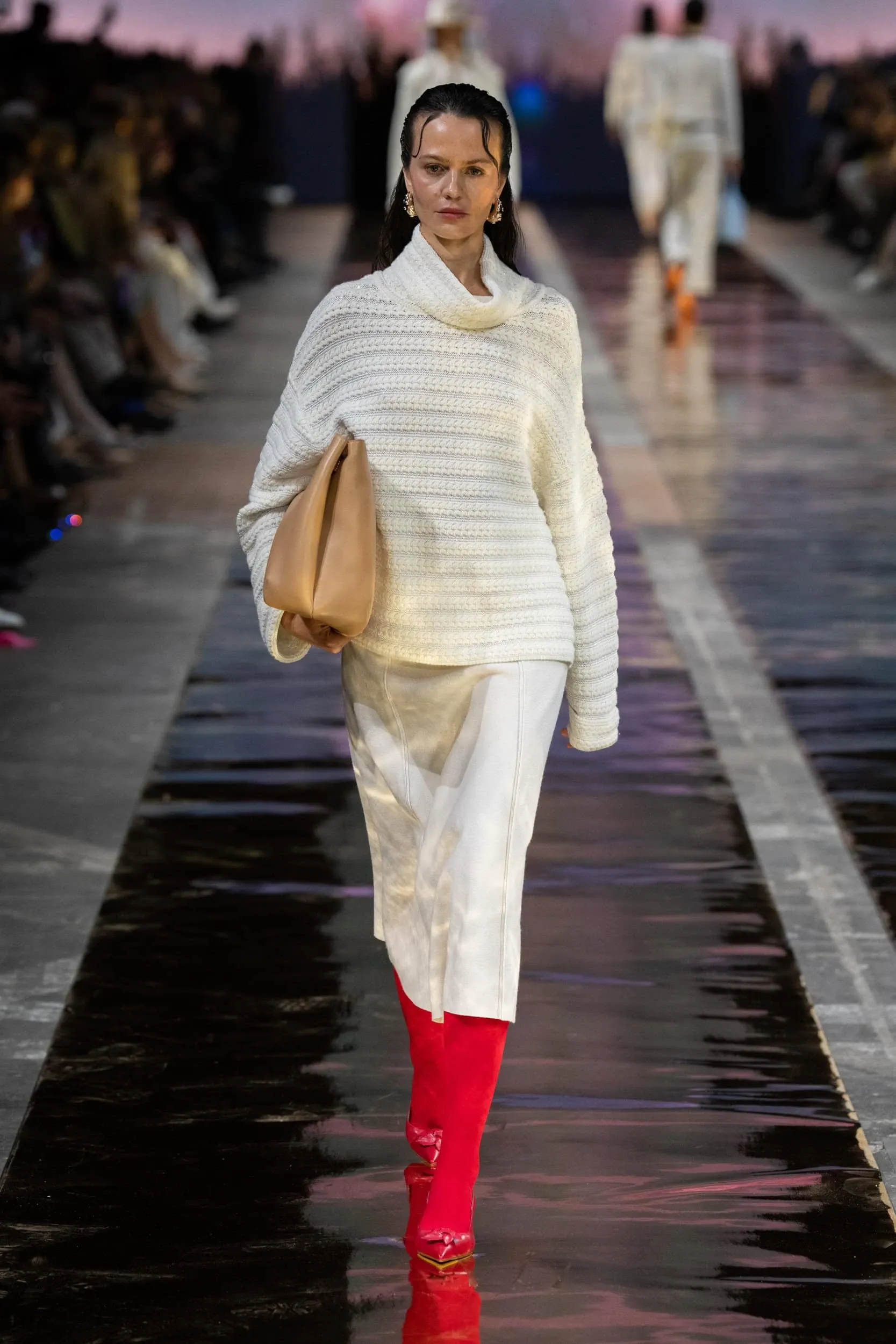
Although the brand has distinctly German roots, it quickly began to conquer international markets. A key element of the strategy was maintaining production in Europe while thinking globally about fashion. Marc Cain debuted at Berlin Fashion Week, where it regularly presents its collections, strengthening its position as a premium brand. These shows have become a showcase of modern elegance and technological expertise, which the company is renowned for. Simultaneously, supplementary lines such as Marc Cain Sports and accessory collections were developed to complement the brand’s stylish image.Thanks to this, Marc Cain quickly ceased to be just a clothing manufacturer and became a full-fledged fashion house. The brand skillfully combines sales in brick-and-mortar boutiques with an online presence, without losing its exclusive character. Its global success is based not on mass production, but on customer loyalty. It’s an example that in the fashion world, there is still room for brands with soul.