
The beginnings of Hugo Boss: the birth of a fashion legend Did you know that one of the most recognizable suits in film history – James Bond's black tuxedo – was tailored by a brand that started with simple uniforms in a small German town? Sounds like the start of a great story, doesn't it?
Hugo Boss is not just the name on the label of your favorite suit. It is a brand that has shaped the way men perceive elegance for decades. When you think about a professional look in the office or how to appear at an important meeting — you probably have an image in mind that was partly created by Hugo Boss.
But the history of this brand did not start with red carpets or luxury boutiques. In fact... well, it had quite humble beginnings. And a few controversial moments we’d rather forget.
In this article, you will trace the journey of the brand from a small tailoring workshop in Metzingen to a global fashion empire. You will learn how Hugo Boss influenced what we wear today, how it survived difficult wartime periods, and how it became a synonym for German precision in fashion.
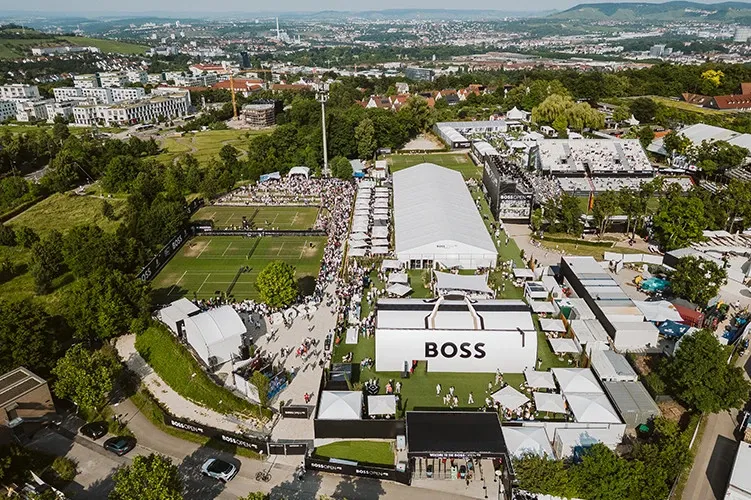 Photo: hugoboss.com
This is a fascinating story of how an ordinary tailor created a legend that still sets trends in men's elegance.
Sometimes I wonder if Hugo Boss foresaw that his name would become something more than just clothing — that it would become part of culture.
Founder and the early years of the company
Did you know that Hugo Boss was not a fashion designer? That might surprise you, but the truth is quite different.
Hugo Ferdinand Boss was born in 1885 in the small German town of Metzingen. His family ran a small textile shop, so he grew up in that environment. In 1923, he founded his own company — Hugo Boss KG. Initially, it was a simple manufacturer of workwear.
The first years were not easy. Boss mainly produced clothing for workers, uniforms, and sportswear. The company barely made ends meet, especially during the economic crisis of the 1920s. Hugo often had to borrow money to keep the business afloat.
The breakthrough came in the 1930s, although today most prefer not to speak about it loudly. Boss started producing uniforms for various organizations, which provided him with stable orders. That’s when the company really got on its feet financially.
Fun fact — Hugo Boss never designed clothes himself. He employed other tailors and designers for that purpose. He mainly handled the business side of the enterprise.
After the war, the company went through a difficult period. Hugo Boss died in 1948, leaving the business to his sons-in-law. They transformed the small manufactory into what we know today — a luxury menswear brand.
So, the beginnings were quite different from what one might imagine. From a small factory in a provincial town, it grew into one of the most important fashion brands in the world.
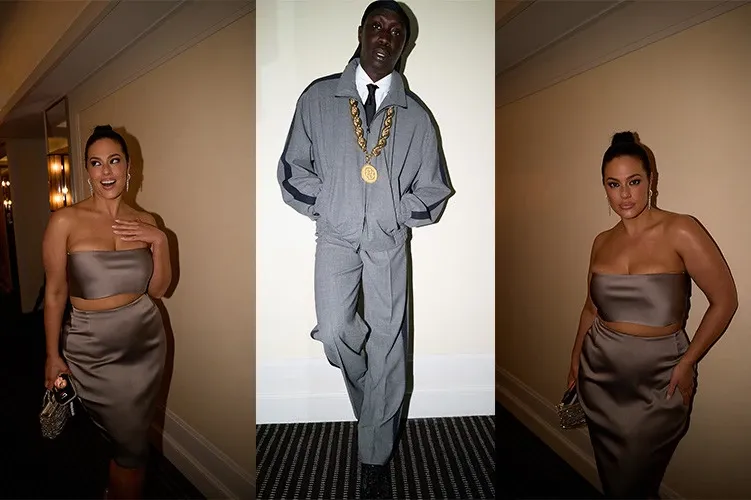 Photo: hugoboss.com
World War II period and historical controversies
Have you ever wondered how major fashion brands fared during the war? Hugo Boss’s story is one of those cases that show how complex times of crisis can be.
Hugo Ferdinand Boss founded his company in 1924 in the small German town of Metzingen. At first, he only sewed basic workwear. Nothing indicated what would happen later.
When the Nazis came to power, Boss faced a choice — cooperation or bankruptcy. His company was already on the brink of collapse. In 1931, he joined the NSDAP, and two years later, he became a member of the SS. It may sound terrible, but at that time, for many entrepreneurs, it was a matter of survival.
Boss company began manufacturing uniforms for Hitlerjugend, SA, SS, and Wehrmacht. These black SS uniforms, which you associate with war movies? Probably some of them came straight from his factories. Boss also employed forced laborers—mainly Poles and French. About 180 people worked there under inhumane conditions.Hugo Boss himself died in 1948, right after the war. The family took over the company, but for many years no one spoke about this dark past. It wasn’t until the 1990s that the company commissioned independent historical research.
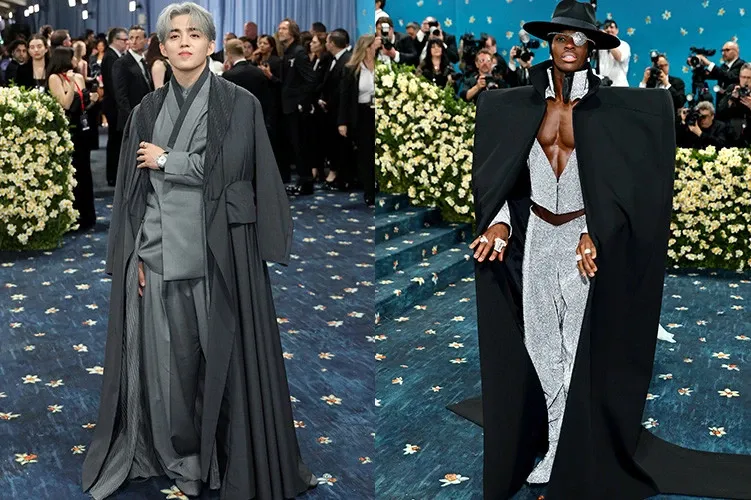 Photo: hugoboss.com
It turned out that the company had been lying for decades. In 1999, it officially apologized for collaborating with the Nazis and paid compensation to forced laborers. But was that enough?
Today, Hugo Boss is a global giant worth billions. It sponsors sports teams, dresses celebrities. However, this history still sparks controversy. Some believe the company hid the truth for too long. Others say the apologies were sincere.
The history shows how difficult choices people had to make during the war. Boss could have lost everything, but his decisions cost others’ lives.
Brand transformation after the war: new directions for development
Did you know that most companies after the war had to start practically from scratch? It wasn’t just about rebuilding factories—it was a complete change in business mindset.
Take a typical company from the 1940s. Its owner stands amid the rubble, wondering what’s next. Old products? Maybe outdated. Old sales methods? People’s needs had changed. This was a moment when many brands had to completely reinvent themselves.
The rebuilding began with asking—what should we produce? Automotive companies shifted from tanks to passenger cars. Clothing manufacturers abandoned uniforms for civilian clothes. It sounds logical, but imagine the logistics of such a change.
I remember the story of an entrepreneur who, before the war, produced luxury furniture. After the war, he realized people needed simple, affordable solutions. He changed his entire production line. And you know what? It turned out to be a hit.
Marketing also looked different. There was no TV everywhere yet, so companies relied on radio and newspapers. But the most important thing was building trust—people were cautious after tough years.
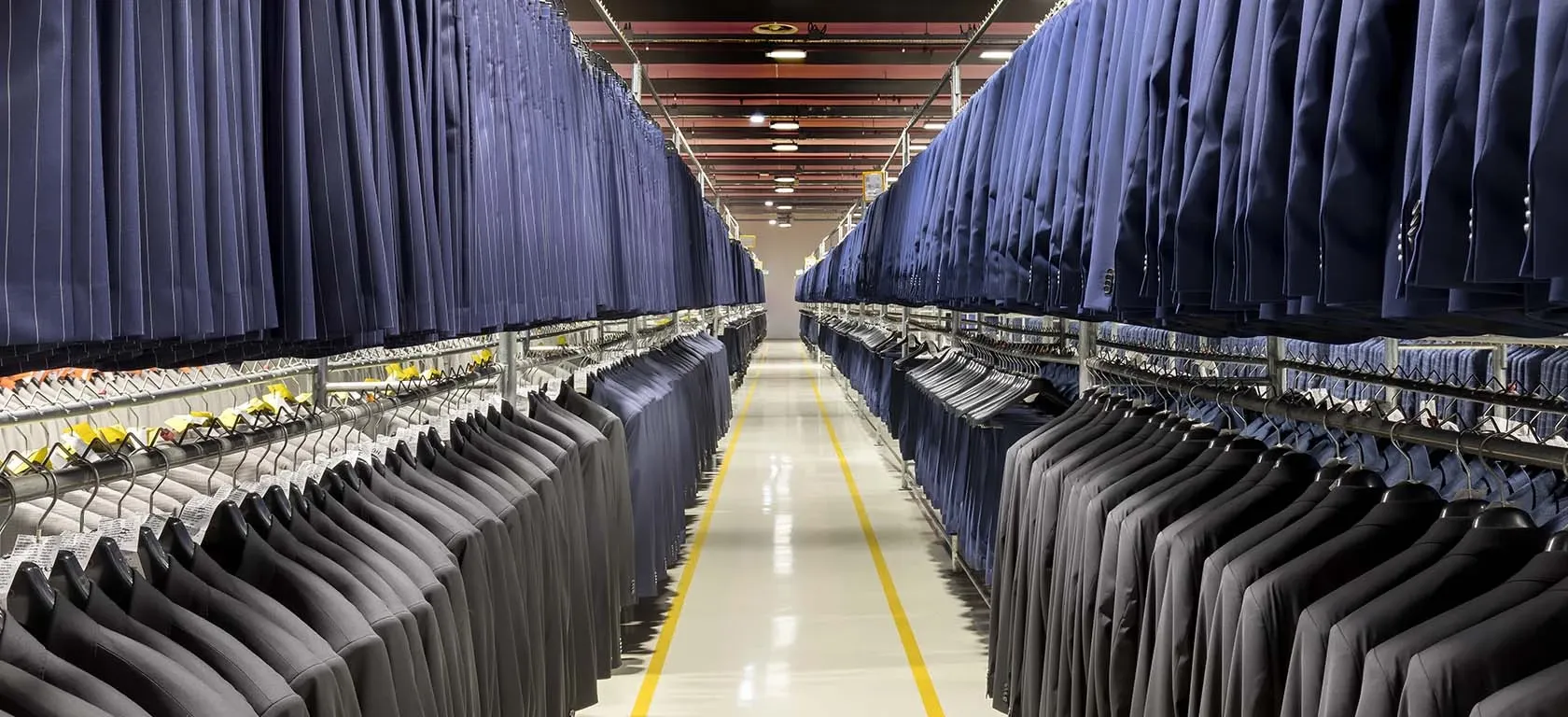 Photo: hugoboss.com
International markets? That was a real revolution. Suddenly, it became possible to sell products in other countries. Some companies did this for the first time in their history. Of course, not everyone succeeded—cultural differences could be surprising.
This entire process took years. Some brands didn’t recover, others became global giants. It shows how important flexibility and the ability to read new times were.
Hugo Boss as a symbol of elegance: development of clothing lines
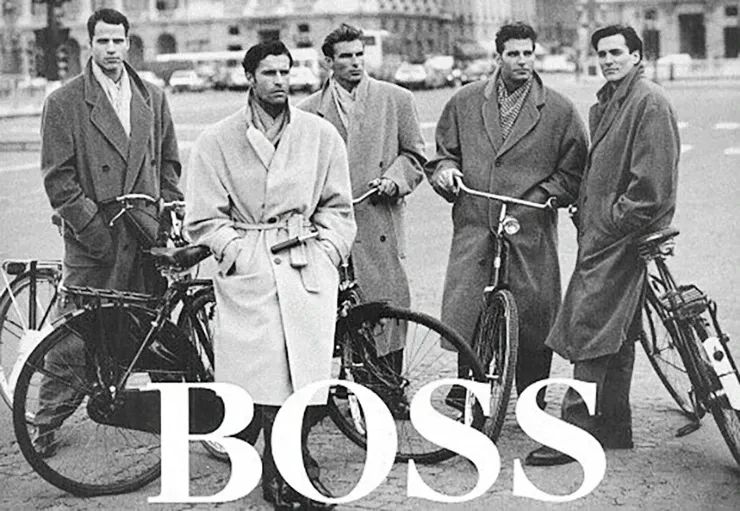
Maybe you remember those old Hugo Boss ads from the 90s? Men in perfectly tailored suits, women in elegant dresses. That’s when you realized it wasn’t just an ordinary clothing brand.
Hugo Boss started with one line, but quickly saw the need for more. The main BOSS line is classic—suits you wear to work, important meetings. Solid, conservative, but always well-cut. This line made the brand synonymous with elegance in men's fashion.
Then came HUGO—what you could call the younger brother. More daring, colorful, for those who want to stand out. I remember a friend bought a red shirt from this line, and I thought he overdid it. But he looked great.
Advertising campaigns are a separate chapter – they have always involved top-tier celebrities. Ryan Reynolds, Chris Hemsworth, Gwyneth Paltrow. Each campaign is a small work of art, but not over the top. They don’t shout, don’t try too hard. They simply showcase the product on the right person.Interestingly, Hugo Boss has never tried to be revolutionary. They just do their thing – elegantly, reliably, without unnecessary fireworks. Maybe that’s why they’ve survived so many years on the market? Their influence on men's fashion is enormous, especially in the business casual segment.
The women’s line develops more slowly, but steadily. Women appreciate their minimalism and craftsmanship. This isn’t fast fashion for one season – it’s an investment for years to come.
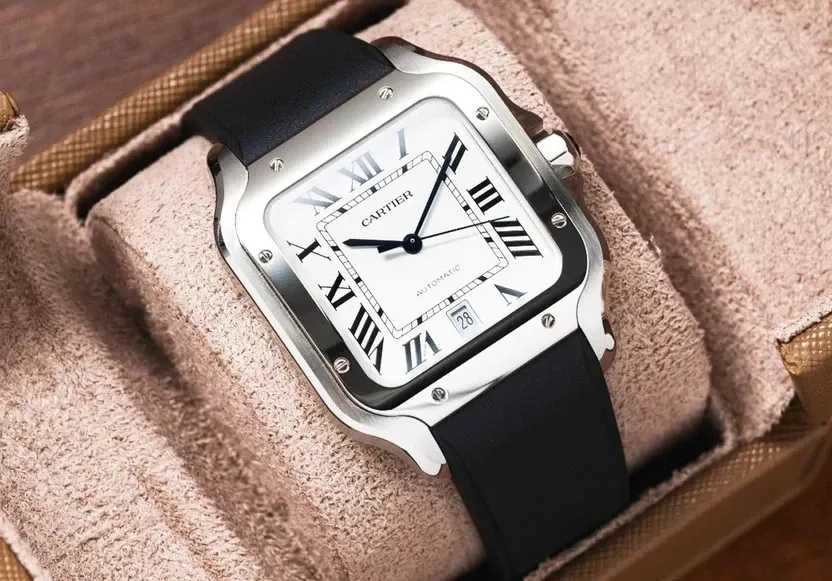
Today, Hugo Boss is no longer just about clothing. Perfumes, watches, accessories. But the foundation remains the same – understated elegance.
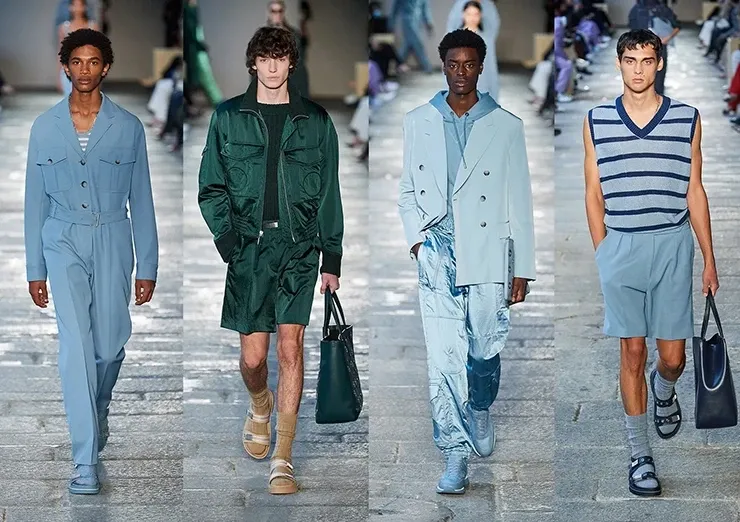
Photo: fashiongtonpost.com
Global expansion and position in the luxury market
Do you remember those elegant suits from the 80s? Hugo Boss was already then on everyone’s lips, but true expansion is a completely different story.
Looking at the brand’s current position, it’s hard to believe that in the 70s it was mainly a German clothing company. The breakthrough came when they started thinking globally. First the United States – Hugo Boss opened its first foreign boutique there in 1976. It was a hit.
Then it took off like a avalanche. London, Paris, Milan – everywhere fashion counts, Hugo Boss established its stylish stores. But it wasn’t just about presence. They truly understood that each market has different needs.
In Asia, for example, they had to adapt cuts to local body types. In America, they focused on sporty elegance. And maybe… that’s why they succeeded. They didn’t copy one pattern everywhere.
Today, Hugo Boss has over 1,200 retail locations in 124 countries – these are numbers that impress.
Financially, there’s also nothing to complain about. Revenues exceed 3 billion euros annually. This places them in the top tier of global fashion houses, right alongside giants like Armani and Versace.
Interestingly, their strategy of premium boutiques in city centers proved to be a hit. When you see a Hugo Boss store on Fifth Avenue or Champs-Élysées, you immediately know – this isn’t just an ordinary clothing brand.
Now they’re also trying to conquer the online market, as times change. But these physical boutiques remain their greatest strength.

Photo: hugoboss.com
Contemporary: innovation, sustainability, and new challenges
Have you ever wondered how big fashion brands handle all the buzz around ecology? Hugo Boss is a great example – essentially, it shows how a company tries to keep up with the times.
Primarily digitalization. Boss has strongly invested in online shopping, especially after the pandemic. Their mobile app allows you not only to buy but also to virtually try on clothes. It sounds futuristic, but it works quite well. I saw my friend use it – maybe it doesn’t replace a real fitting, but it gives an idea of the cut.
Regarding sustainability, Boss introduced the "We Care" program. They use more organic and recycled materials. By 2025, they aim for 100% of their cotton to come from sustainable sources. Ambitious plan, though probably not easy to implement.
It’s interesting how they respond to changing customer tastes. Young people shop differently than their parents. They want to know where the clothing comes from, who sews it, whether the company harms the environment. Boss had to adapt – now they publish reports on their impact on the planet.
They also have a social initiative supporting youth education. It may not change the world, but at least they try to do more than just sell suits. The fashion industry has its dark side – overproduction, waste. Companies like Boss are slowly changing that, although the road is still long.Legacy and Influence of Hugo Boss on Global Fashion
Have you ever wondered how a brand can undergo such dramatic transformations and still reign supreme in the fashion world? Hugo Boss is the perfect example of such a transformation.
The history of this company began quite simply in 1924, when Hugo Ferdinand Boss founded a small clothing factory in Germany. Initially, he mainly made work uniforms and everyday wear. Nothing indicated that this humble beginning would grow into a global fashion empire.
However, dark times of war came, casting a shadow over the brand for decades. Boss produced uniforms for the Nazis and used forced labor. This was a period the company later had to be ashamed of and account for.
After the war, a true rebranding took place. The company completely changed its direction – from a uniform manufacturer to a synonym of elegance and luxury. It was like the birth of a completely new brand.
The 70s and 80s brought a breakthrough. Hugo Boss began creating suits that were loved by businessmen worldwide. These elegant, tailored designs became a hallmark of success.
Global expansion came naturally. The brand appeared in the biggest fashion capitals, and its boutiques became symbols of prestige. Today, it’s hard to imagine the world of haute couture without Hugo Boss.
Contemporary innovations are another chapter in this story. The company invests in new technologies, sustainable production, and constantly experiments with new materials.
This story shows something important – that the past doesn’t have to define the future. Hugo Boss proved that it’s possible to reinvent oneself and create something beautiful even from the most difficult beginnings. It’s a lesson not only for the fashion industry but for all of us.