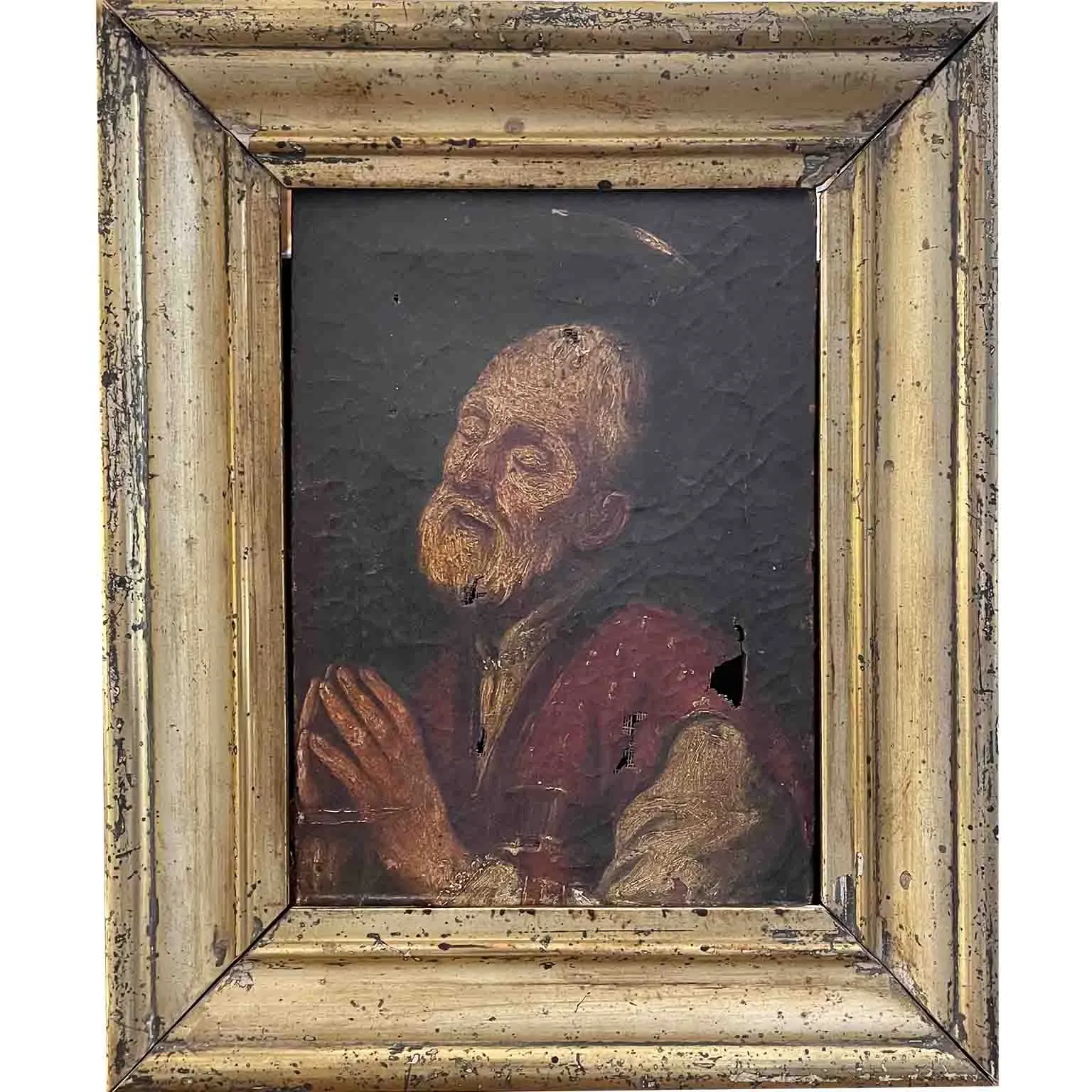

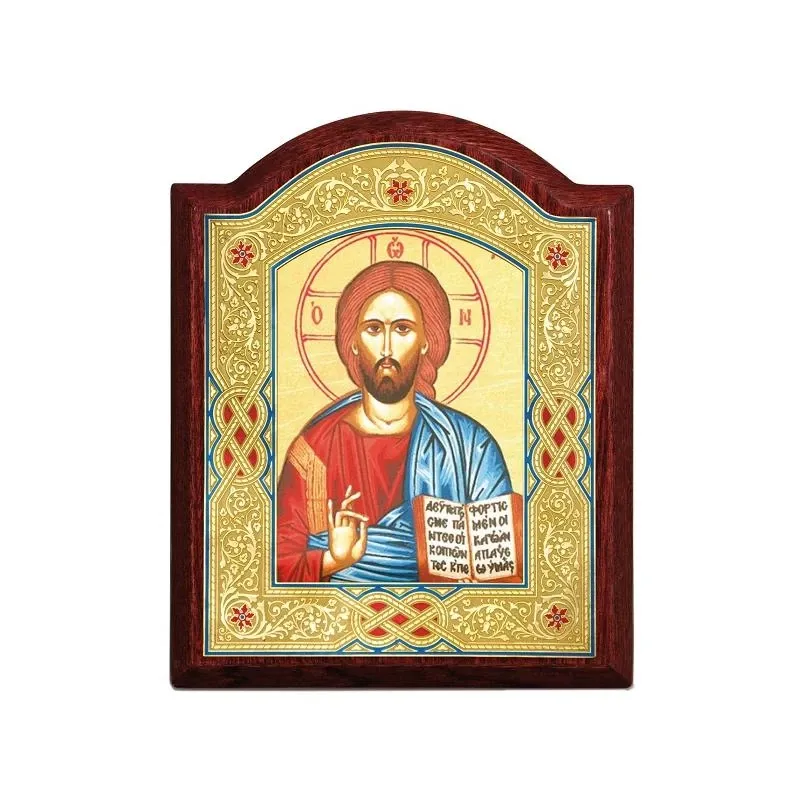
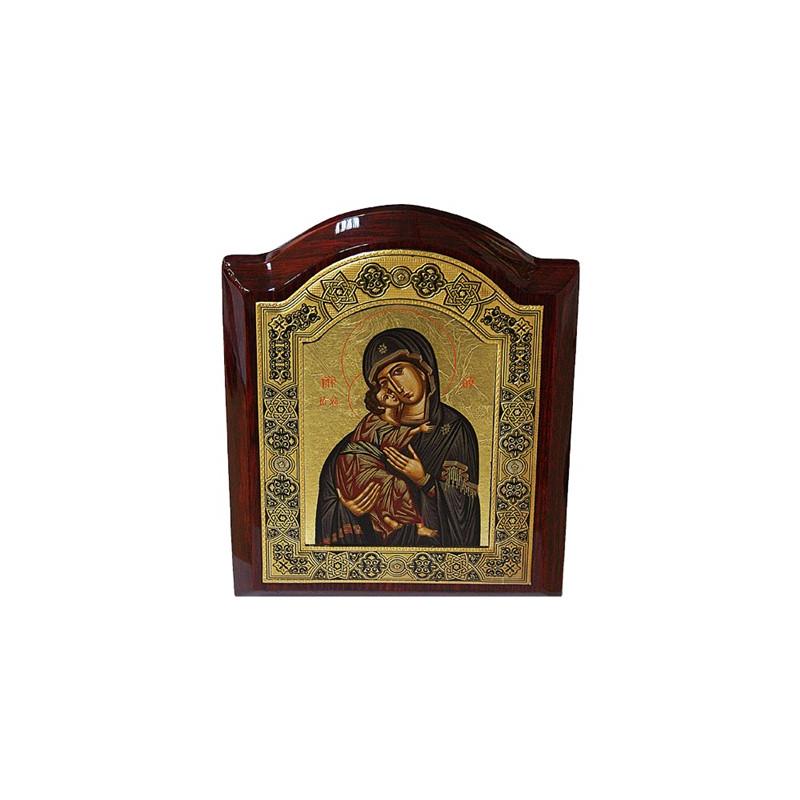
What is an icon? Nowadays, it mainly brings to mind small images on a computer desktop that help us navigate during its use. Just a few decades ago, an icon would have been associated—at least in this part of Europe—with an image depicting a figure, most often recognized as a saint.
That is exactly the topic we will explore, although we could write an entire book about icons. After all, icons are not only the small images on your desktop or pictures depicting saints, but also, for example, we refer to people as icons – icons of music, culture, fashion. However, before all these celebrities appeared, the word icon simply meant – a picture.
Before we left the caves…
And even before we started speaking! Researchers believe that the first form of communication for the human species was images. The inability to communicate with primitive speech forced early humans to “visualize” certain issues they wanted to share with their companions or fellow tribesmen. This is also how they recorded their history – for example, prehistoric paintings on cave walls. Later, humans began to communicate using languages, but the concept of “visualizing” various matters did not disappear. For instance, painting art was created.
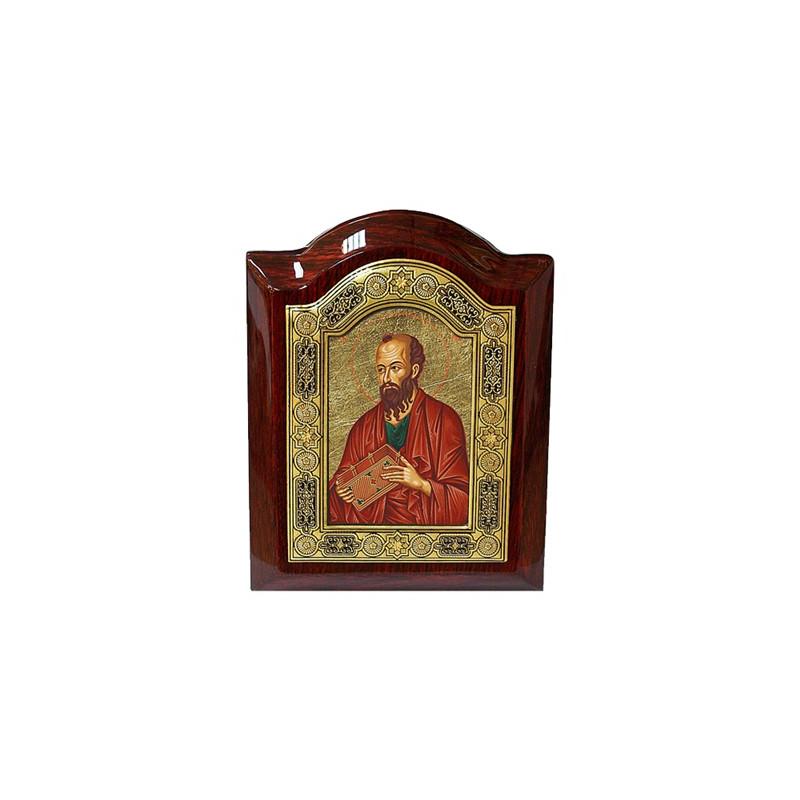
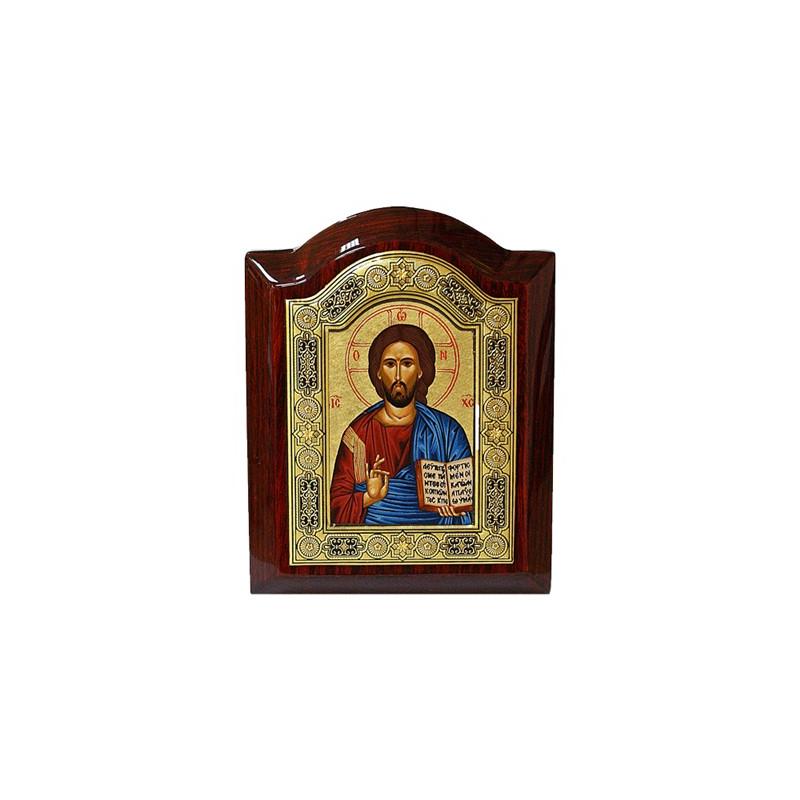
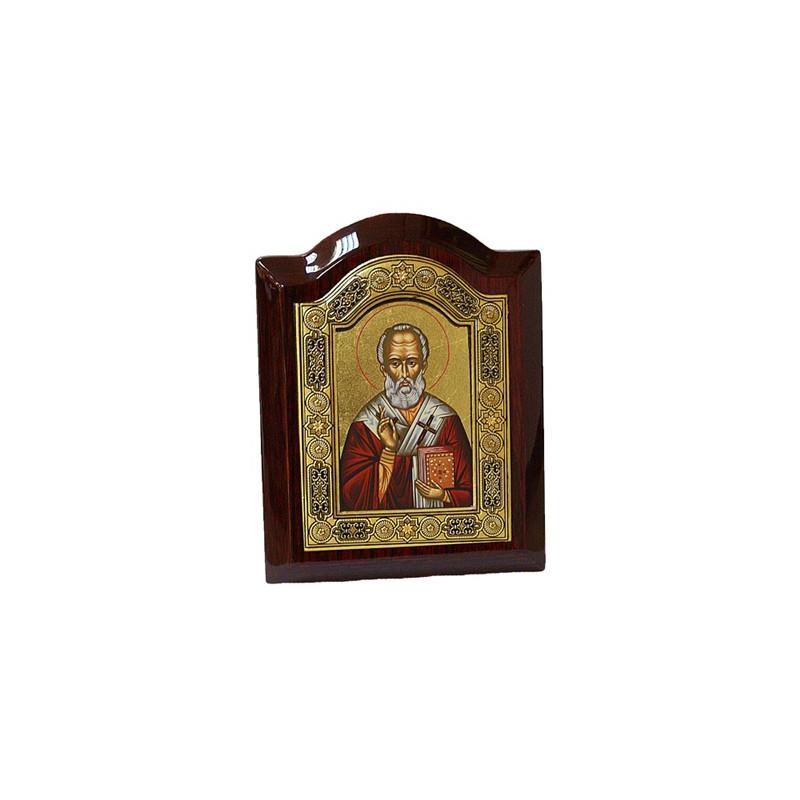
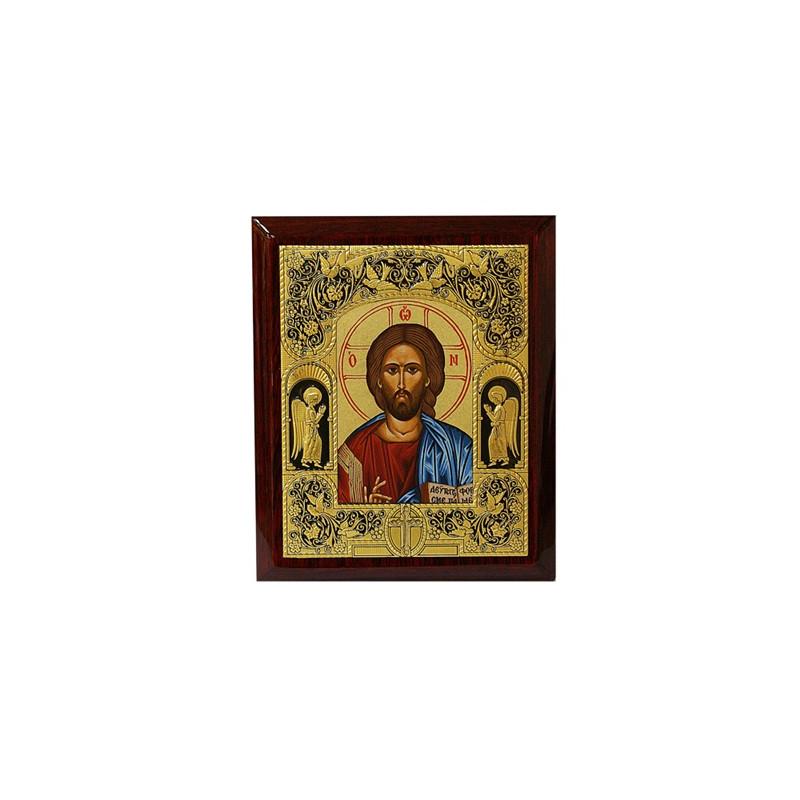
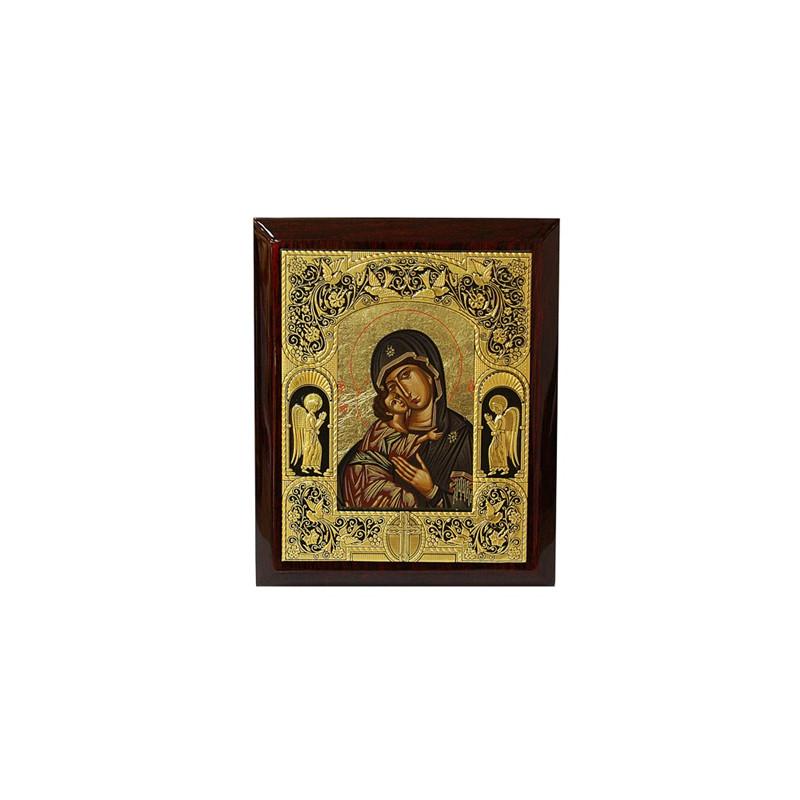
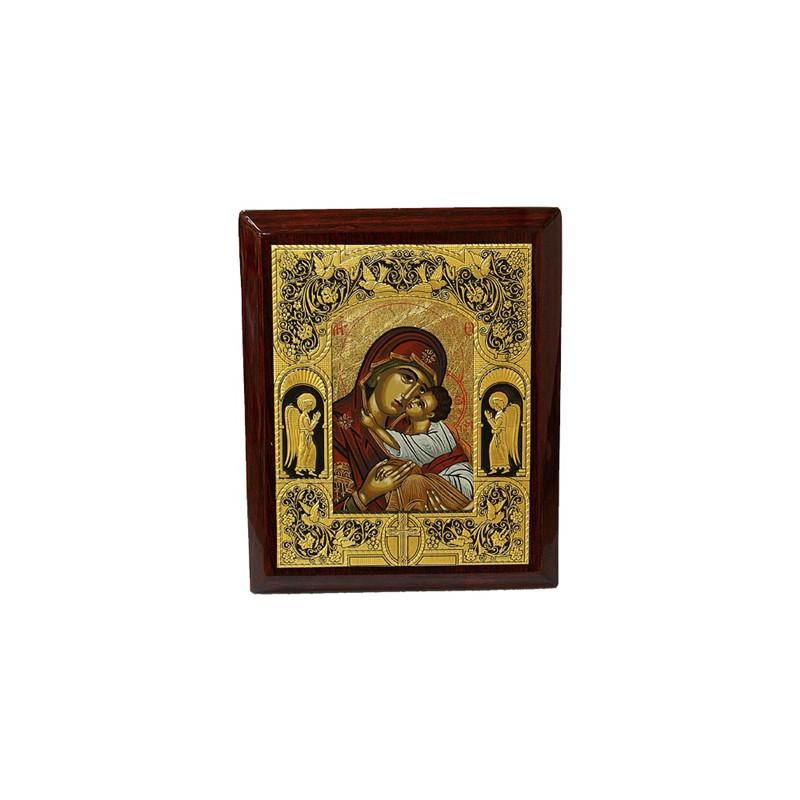
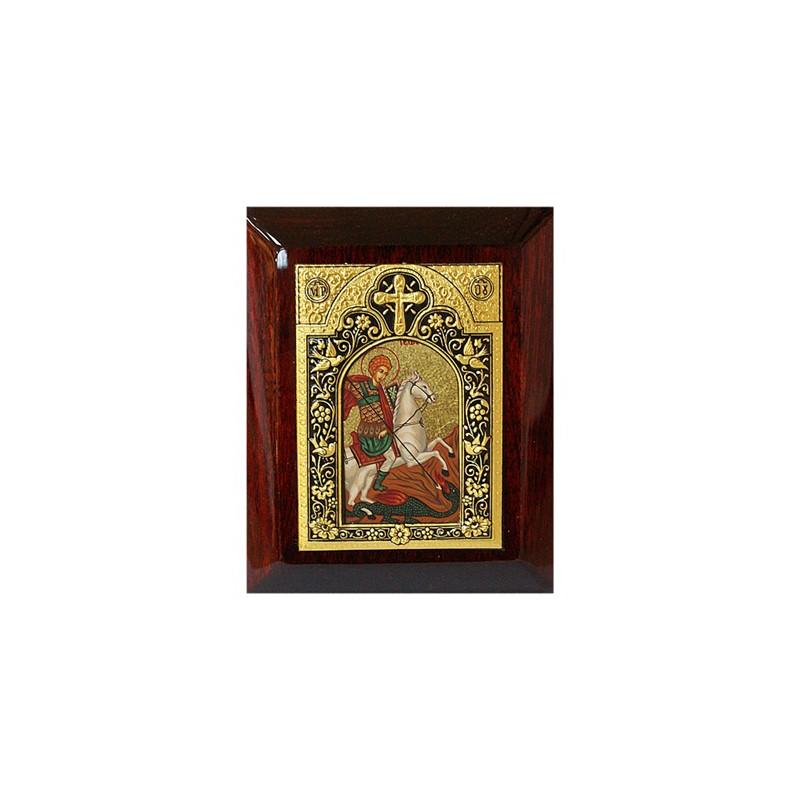
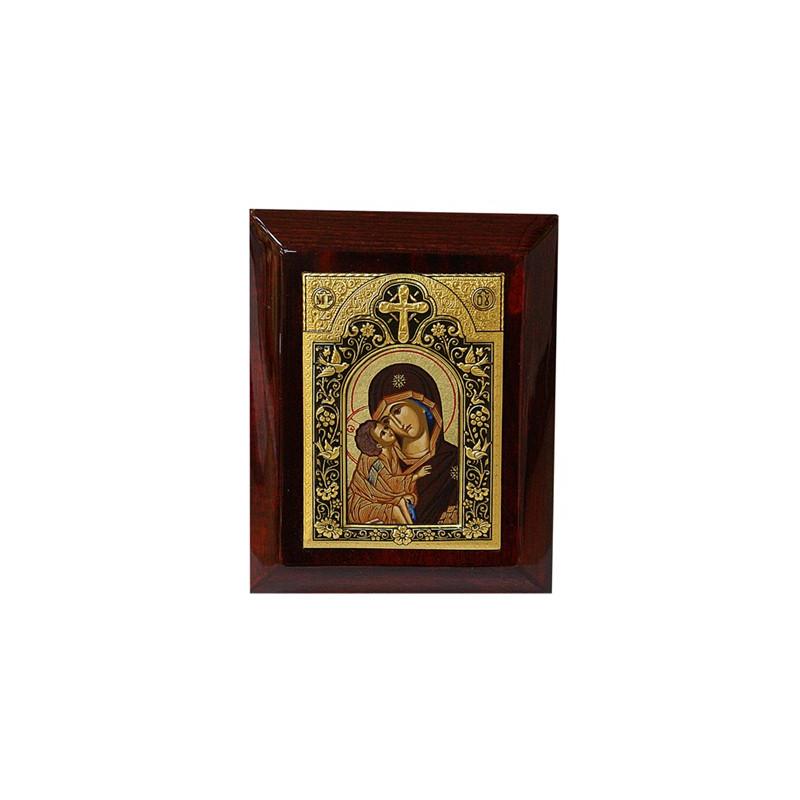
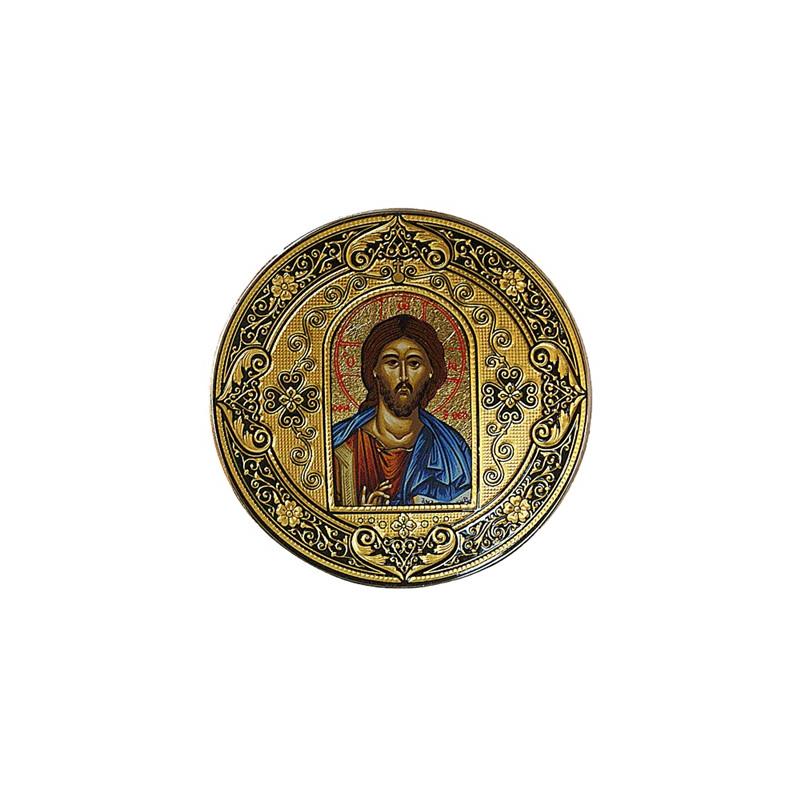
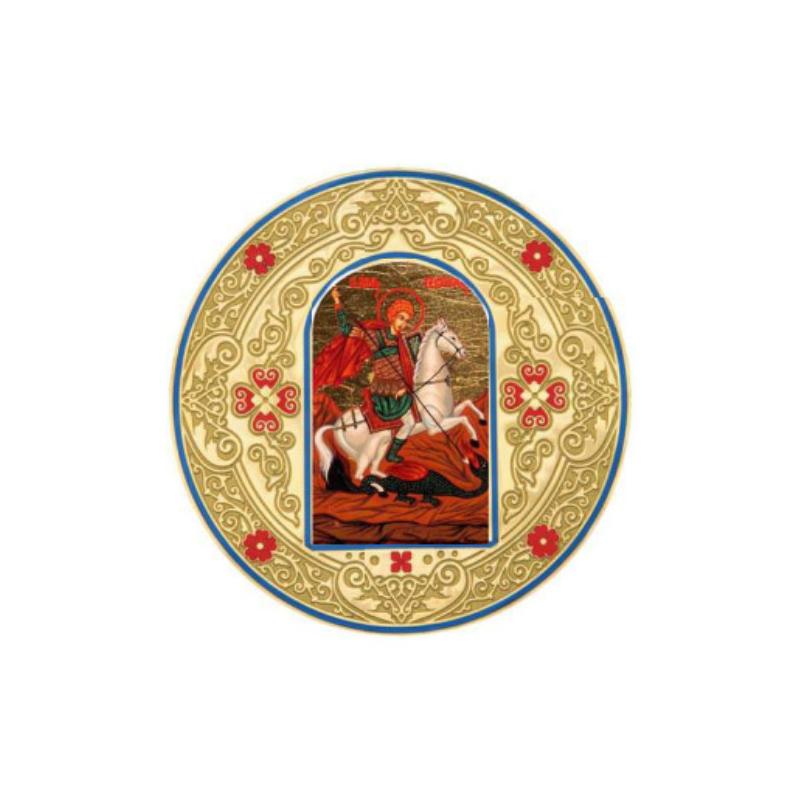
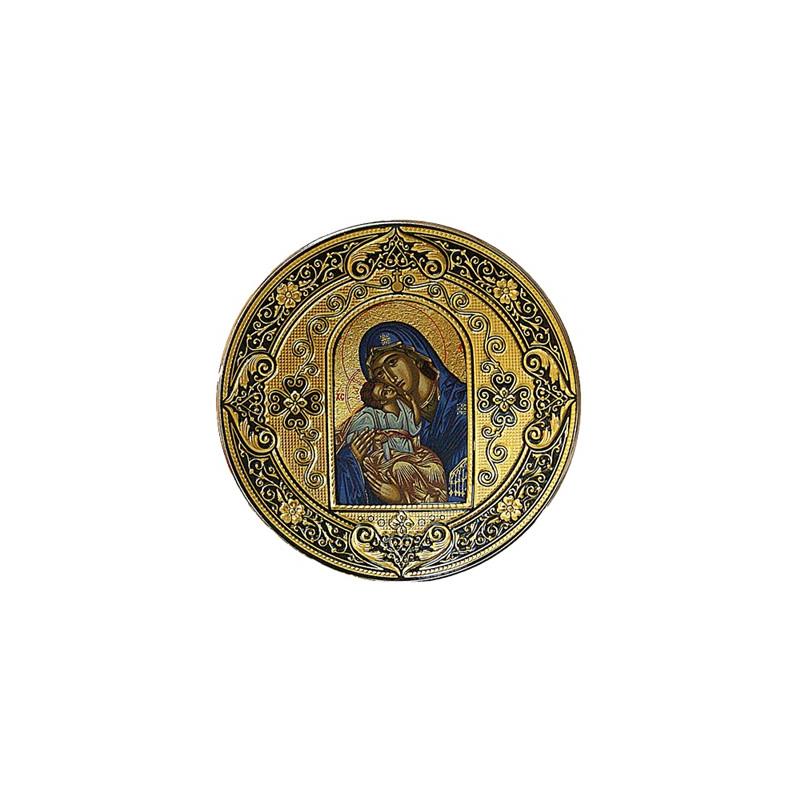
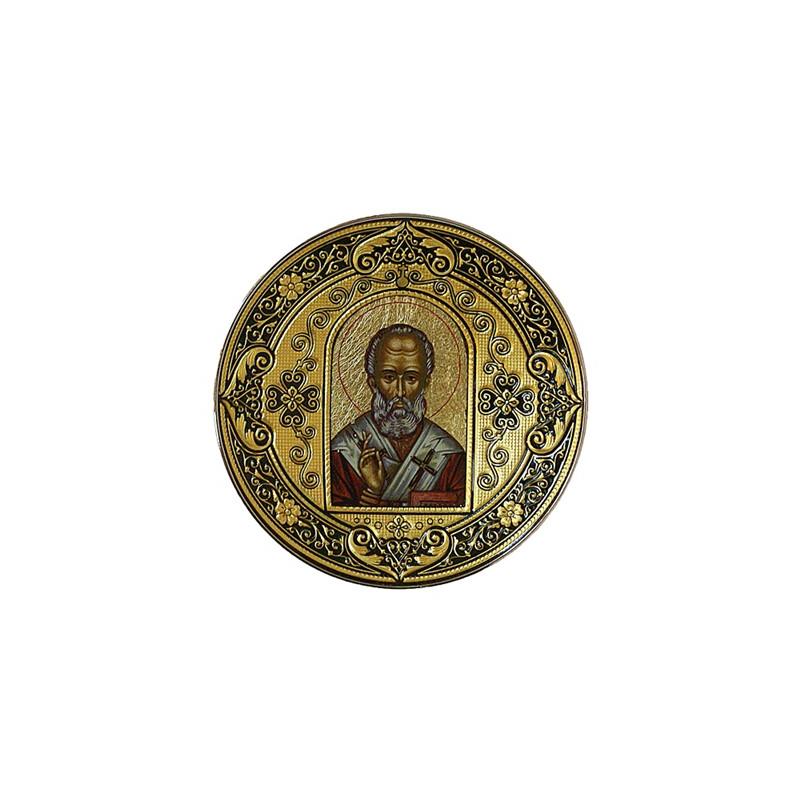
Moreover, writing systems were developed. Writing is essentially a collection of small images with specific meanings – especially the earliest forms of writing, such as Egyptian hieroglyphs or Sumerian cuneiform. This feature was also preserved in the scripts of Far Eastern countries – like the famous “Chinese characters,” which are difficult for us to understand (at least most of us, although sinologists and other brave scholars do). Often, they contain multiple words and meanings within a single symbol. The issue of writing in the context of icons – understood as images – is quite significant. We are used to painting images, but icons are… written! And if we add that the word “icon” comes from the Greek word eikо̄n – meaning “image” – it becomes even more complicated.
History of icon writing – Roman catacombs
Icons emerged from the synthesis of three cultures: Greek, Roman, and primarily Christian. Today, icons are still associated with Christian culture, especially in Eastern traditions – such as Orthodox Christianity. The origins of icons are traced back even before all the schisms, at the dawn of Christian history. The cradle of Christian art is, of course, Rome. It was there that the first Christians found their home, although due to persecutions, it was hardly an ideal one.
They had to hide in catacombs to perform their rituals. There, from the 3rd century onwards, they buried their dead. On tombs, they created simple paintings characterized by few brushstrokes, which were quite schematic. Initially, these paintings served to identify the deceased, but later they evolved into works depicting symbols characteristic of Christianity – such as fish, Jesus with a lamb, bread, or grapevine.
Finally, a breakthrough occurred. After Emperor Constantine the Great’s victory over Maxentius in 312 AD, Christianity became the state religion of the Roman Empire. Christians could emerge from the catacombs. Constantine established his new capital in the Greek city of Byzantium, which later – as Constantinople – became the capital of the Eastern Roman Empire and Byzantium for the next 1000 years.
It was there that Christians found a new Rome – the “Second Rome.” And it was there that the art of writing icons, as we know them today, developed most extensively. Although their history was as tragic as that of the early Christians. Once they no longer had enemies, they began to argue among themselves about whether icons – images depicting saints – should be venerated or not. Ultimately, the “iconophiles” prevailed, ensuring that this artistic tradition was not destroyed or forgotten.
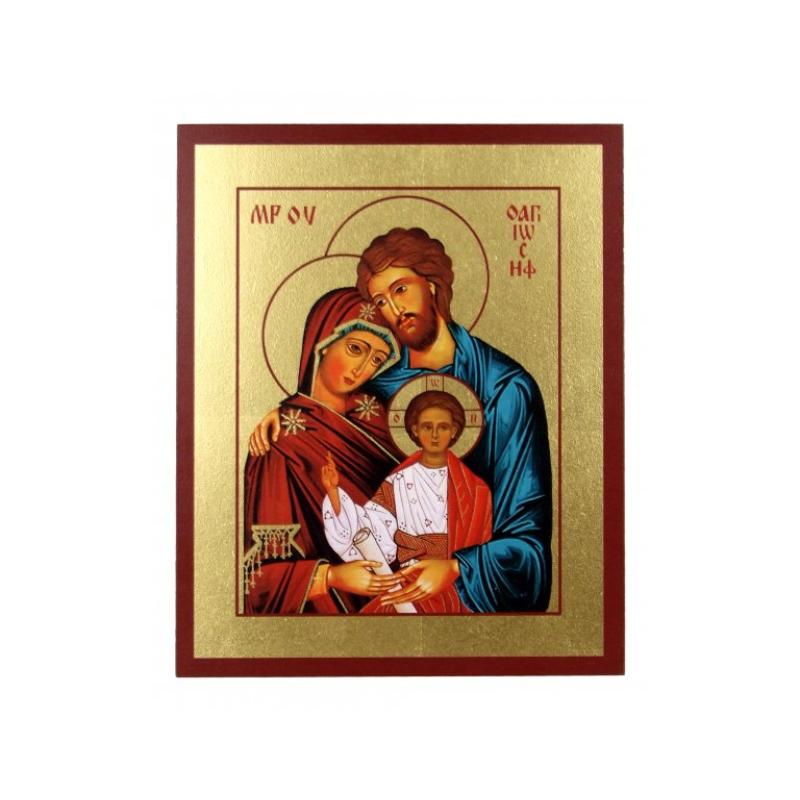
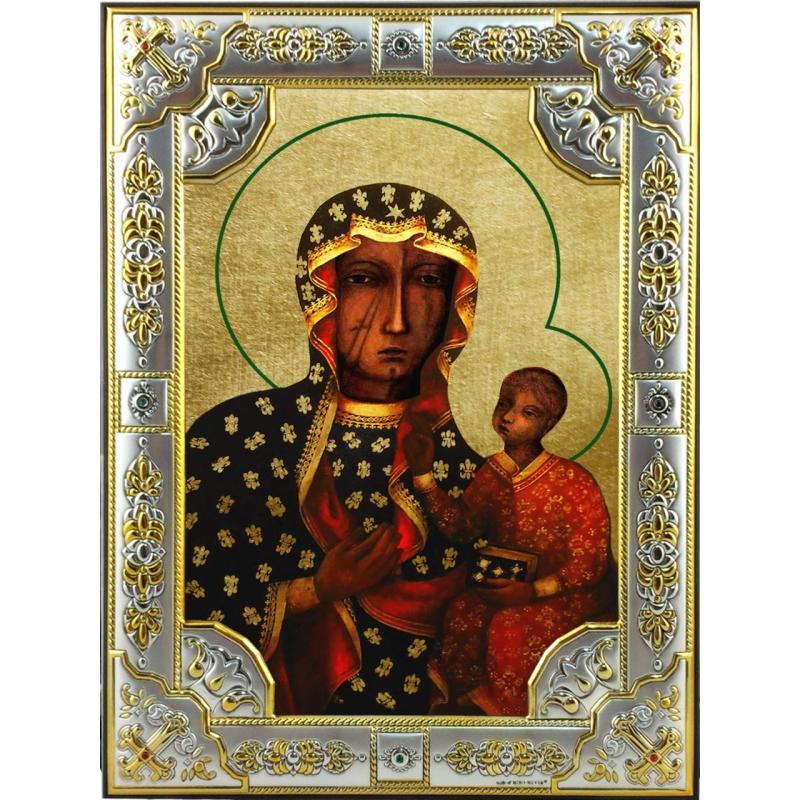
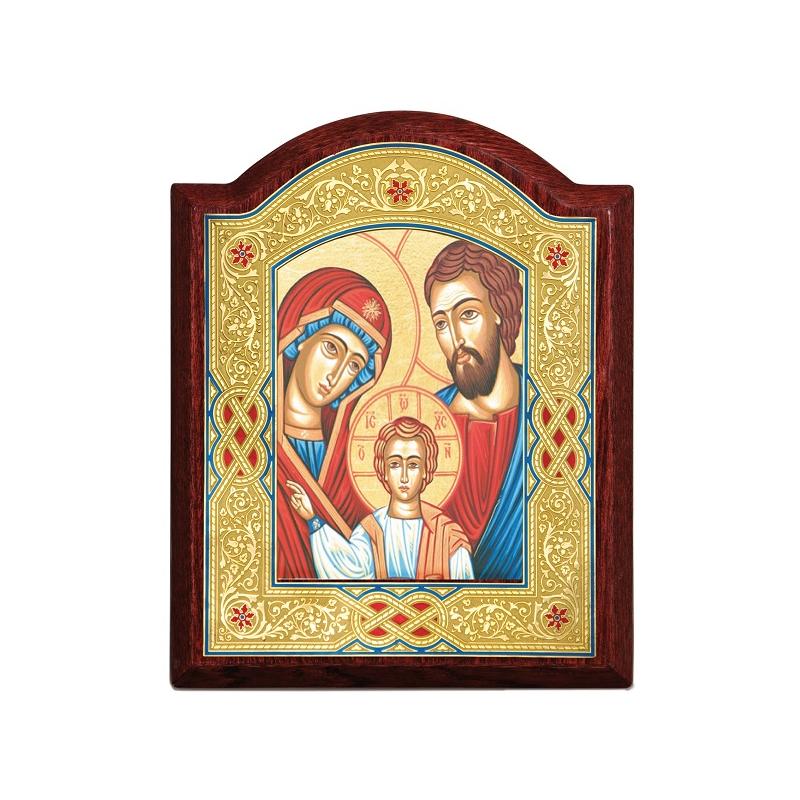
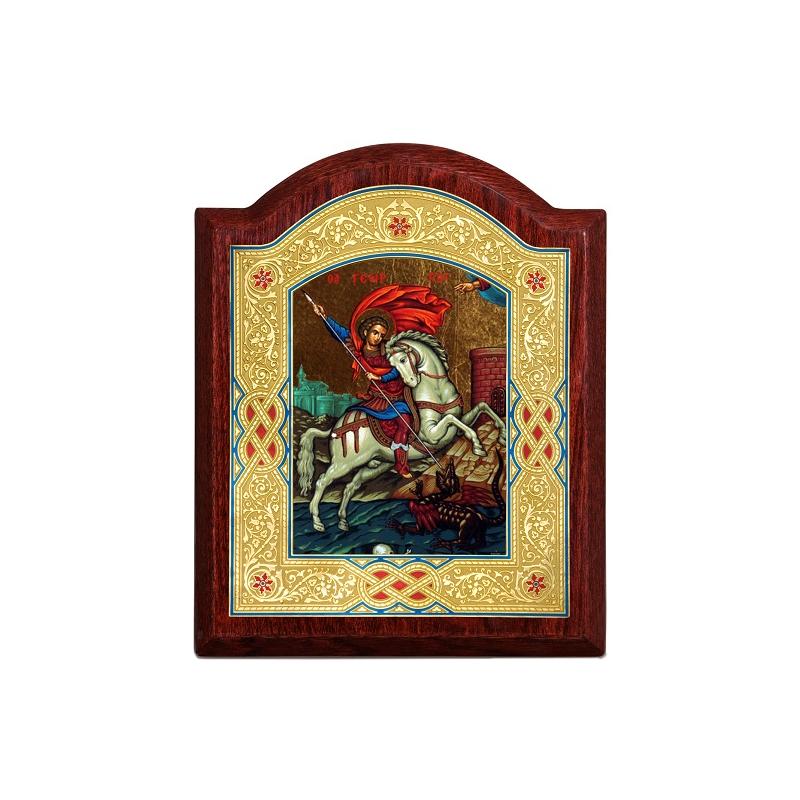
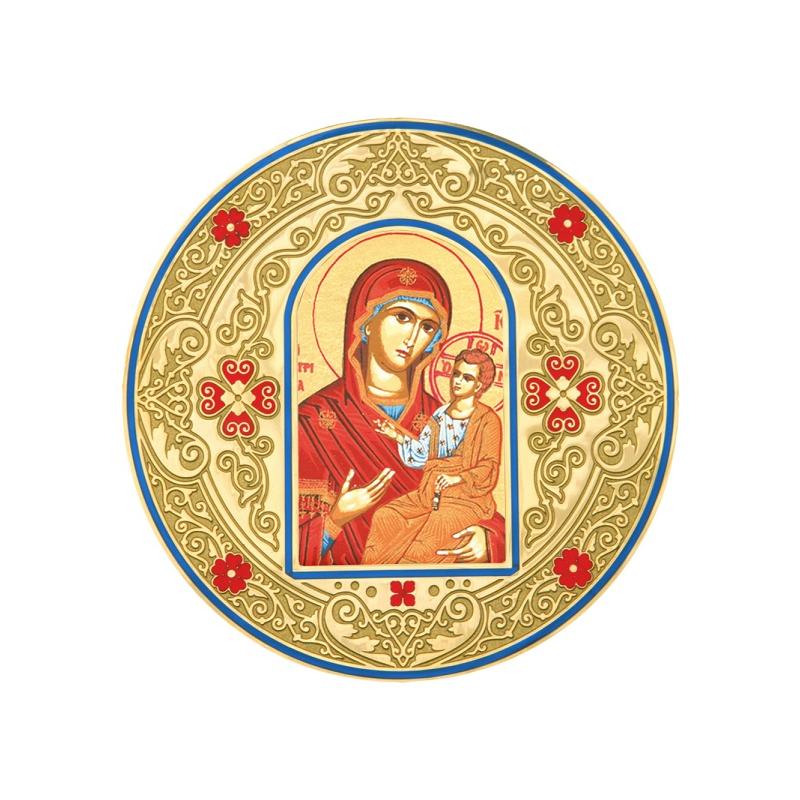
When was the first icon created?
This is a very interesting question, as the first icon – depending on the tradition – is considered to be the Mandylion or the Veil of Saint Veronica. The first icon is believed to have been created by Jesus himself. When King Abgar V the Black of Edessa fell ill with leprosy, he begged Jesus to come and heal him. According to legends – Jesus could not do so due to the approaching Passion, so he imprinted his image on a piece of cloth. When Abgar pressed the same cloth to his face, he was healed. The story of the Veil of Saint Veronica is more familiar in our cultural circle. It was said to have wrapped Jesus’ face when he died on the cross. His tortured image was said to have been imprinted on the cloth. The Mandylion, after a turbulent history of passing from hand to hand, was lost during the French Revolution. Today, the Shroud of Turin is kept in Turin, which is probably the Veil of Saint Veronica and/or the Mandylion. Many aspects of this matter remain unclear.
Another legend says that the first icon was painted by Saint Luke. According to this, Saint Luke was the first to paint the portrait of the Virgin Mary. The Hodegon and Soumela monasteries claim to possess original icons painted by Saint Luke. Interestingly, the Hodegon Monastery is located in Constantinople – the cradle of icons – near Hagia Sophia. It was founded in the 5th century by Empress Pulcheria to house precious relics. Meanwhile, according to the Second Council of Nicaea, the tradition of icon painting already existed in apostolic times, but there is no concrete evidence for this.
Why are icons written, not painted?
An icon is, after all, an image, and writing usually refers to creating texts, musical scores, or nowadays computer programs. However, tradition states that – although an icon is an image – it is written, not painted. This terminology mainly took hold in Poland and Russia – where icons are especially popular due to the predominant Eastern Christian rites. “Writing” is most likely a mistranslation from Greek into Russian. According to researchers – including Father Henryk Paprocki – it is a mistake resulting from the similarity between the Greek word γράφω (grapho) and the Russian писать (pisat’). While the Russian word means “to write,” the Greek word means both “to write” and “to paint.” Nonetheless, it has become standard to say that we write icons.