Smart ceiling lighting opens a new era in managing your home atmosphere. Thanks to remote control via smartphone and integration with Smart Home ecosystems, it offers full control over brightness and color of the light. From simple Wi-Fi and Bluetooth models to advanced systems, intelligent ceiling lamps combine user convenience with energy efficiency of LED technology, while enhancing security through presence simulation functions.
Smart Ceiling Lamp – What Is It and How Does It Work?
Smart ceiling lighting is the foundation of modern Smart Home systems. Control is remote and wireless, which significantly enhances user comfort.
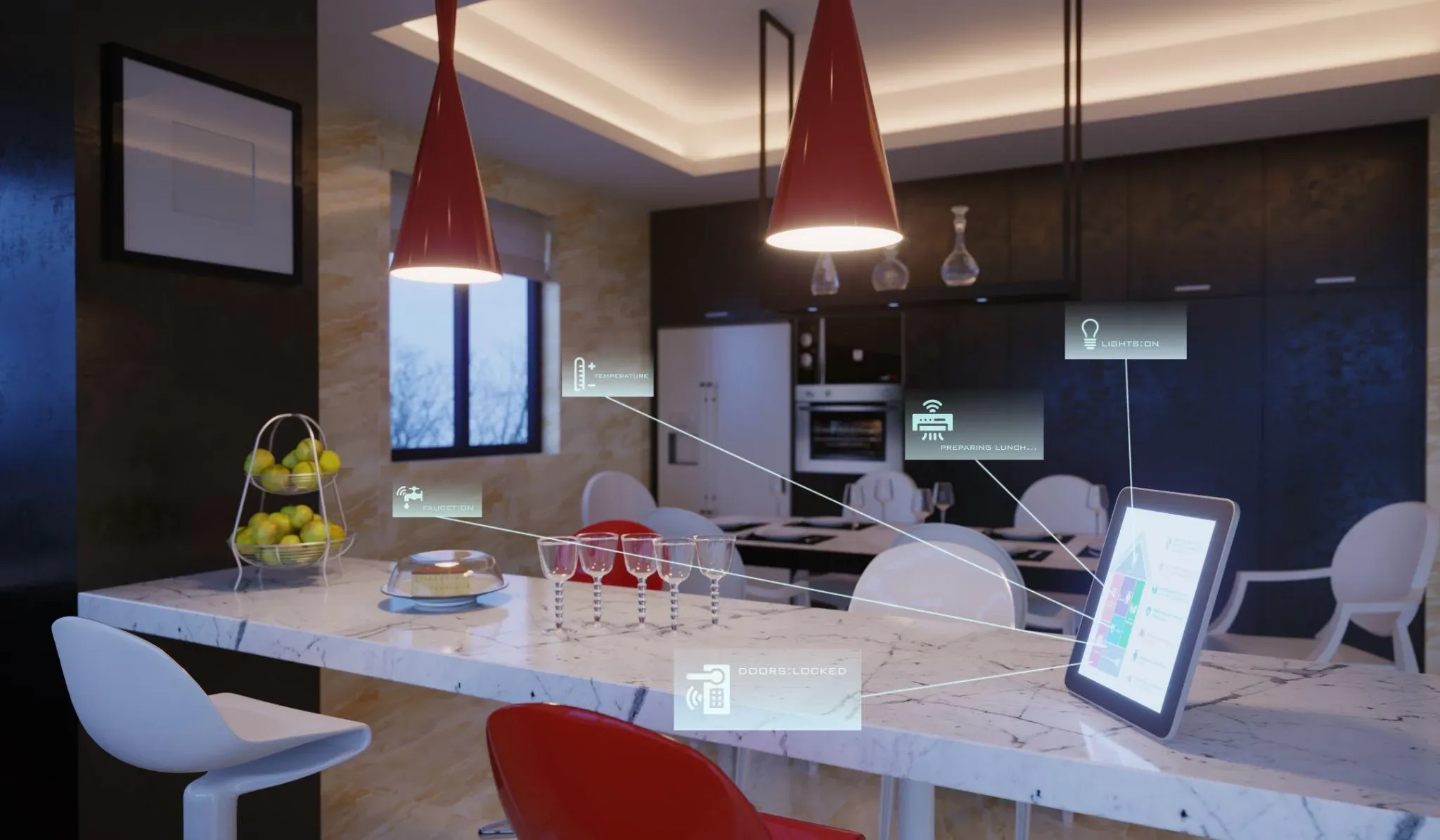
Operation of smart ceiling lamps is managed via a dedicated mobile app installed on a smartphone or tablet. To control them, ceiling lamp must connect to the home network. The simplest models offer instant control through a direct Wi-Fi or Bluetooth connection.
More advanced and extensive solutions, based on protocols such as ZigBee or Z-Wave, require an additional component – a so-called gateway (bridge). This central hub coordinates all communication, effectively linking all devices within the smart ecosystem, ensuring system stability.
What Are the Key Features of Smart Lighting?
Smart lighting provides full control and advanced automation, which you can manage remotely or via voice. This system effectively harmonizes with your natural daily rhythm, supporting relaxation or concentration.
Thanks to personalization, you can utilize a wide range of functionalities:
• precise brightness adjustment (dimming and brightening),
• dynamic color change, from warm, relaxing tones to cool, concentration-enhancing shades,
• access to millions of colors from the RGB palette,
• creating personalized lighting scenes and schedules,
• integration with external sensors (e.g., motion or dusk sensors),
• using ready-made modes such as night or moonlight.
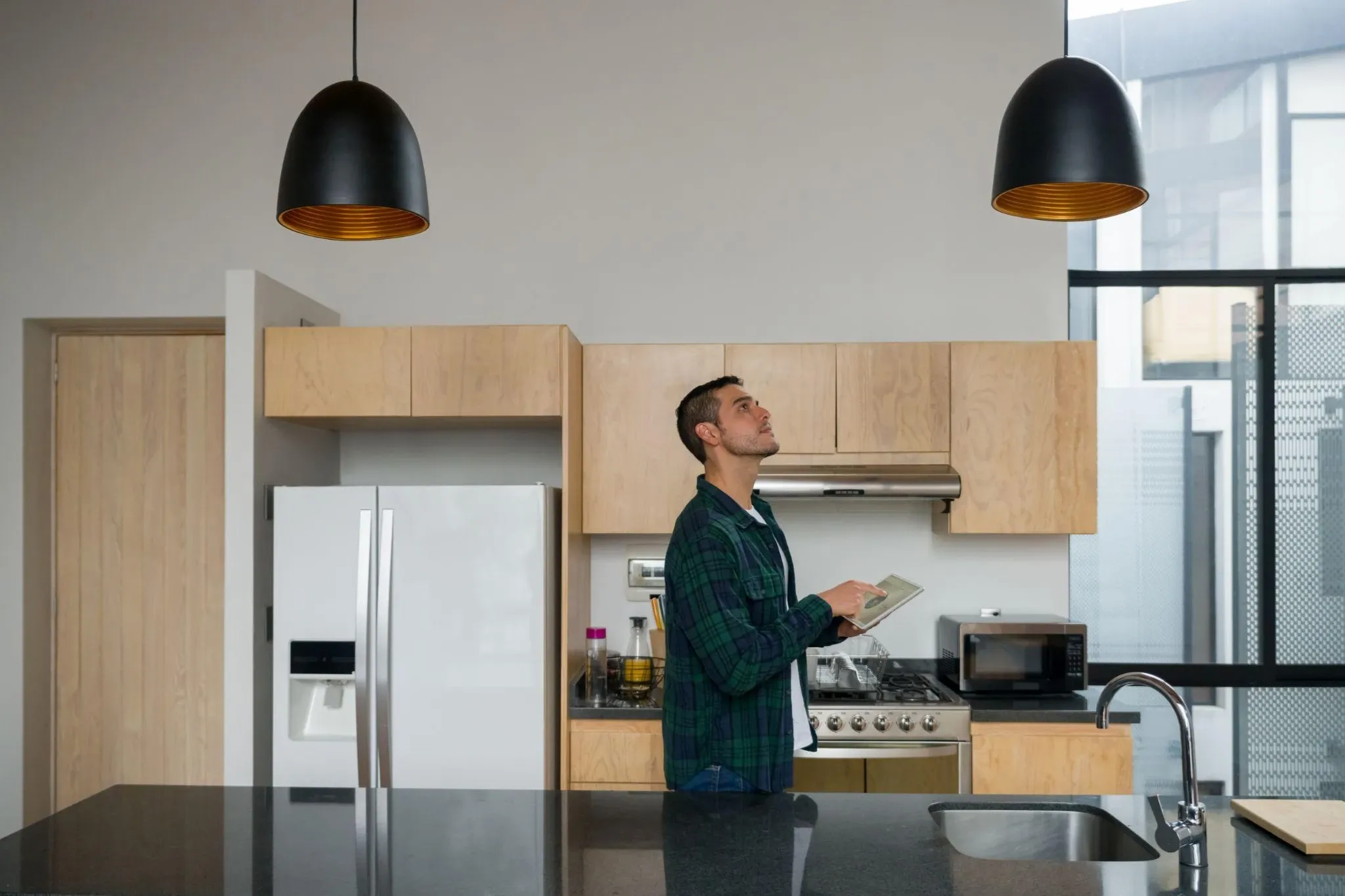
Photo: freepik.com
How to Choose a Smart Lamp – Key Parameters
When selecting Smart lighting, start by analyzing key technical parameters. Pay particular attention to luminous flux expressed in lumens (lm), indicating brightness, and power (W), which defines energy consumption. Color temperature measured in kelvins (K) is also crucial, as it determines the range of white light regulation.
A vital element is compatibility. Always ensure that the chosen lighting seamlessly cooperates with major Smart Home ecosystems and voice assistants.
Look for support for:
• popular ecosystems such as Philips Hue,
• Tuya platform,
• Xiaomi systems,
• Amazon Alexa voice control,
• Google Home assistant.
The range of lighting products is extensive – from wall sconces and ceiling lamps to flexible LED strips. Control is mainly via app or voice, although an additional remote or physical dimmer increases convenience. It’s worth choosing brands that easily integrate, such as Azzardo Smart, Paulmann Smik, or Nordlux Smart Light, available in our offer.
How to Connect a Smart Ceiling Lamp?
The installation of a smart ceiling lamp is usually straightforward and resembles the mounting of a standard fixture. Modern models often come with adapters or quick-mount systems, which significantly speed up connection to the existing electrical wiring.
The easiest way to get started with smart technology is a smart bulb – simply screw it into your existing fixture, eliminating the need for any wiring modifications.
For more advanced lighting systems, consider dedicated touch switches. They provide full manual control, allowing intuitive operation without the need to reach for a smartphone.
 Photo by freepik.com
What are the advantages and disadvantages of smart lighting?
Smart lighting offers great comfort and advanced home automation. However, it is important to remember that it requires an initial financial and technical investment.
Key advantages of smart lighting:
• customization and convenience through remote control, allowing quick adjustment of color temperature and brightness to match mood or time of day,
• reduction of operating costs in the long term, as LED technology, dimming functions, and motion sensors significantly lower electricity consumption,
• increased property security by simulating occupancy, which is crucial for preventing burglaries during extended absences.
Deciding on this system, one should be aware of the following challenges:
• higher initial investment compared to traditional light sources,
• dependence on a stable Wi-Fi network and proper operation of the gateway, which is essential for managing the entire system,
• potential issues with integration and compatibility, as different manufacturers often use different communication protocols.
Smart lighting at home – is it worth it?
Smart Home lighting, although requiring an initial outlay, quickly proves to be a cost-effective investment. This expense is offset by energy savings. Efficient LED technology and advanced automation minimize electricity use by utilizing motion sensors and precise schedules.
The real advantage, however, is the comfort of use and full personalization. Smart lighting, as an essential element of a fully automated home, provides tangible functional and aesthetic benefits:
• remote control of each lighting point,
• precise adjustment of color temperature and brightness to needs,
• synchronization of lighting with the circadian rhythm, improving well-being,
• automation through presence sensors,
• minimization of electricity consumption through accurate schedules.
Sponsor article