Pearls have been known to humanity for a very long time — since time immemorial, they have fascinated with their beauty, uniqueness, and rarity. They have also been used by both women and men to enhance their overall appearance or to add a touch of extravagance to their outfit.
In today's article, we will explore where pearls come from and how they are produced, as they are favorites among decorators and jewelers. We will also discuss their unique features and aspects to consider before making a purchase. We warmly invite you to read!
Where do pearls come from?
According to industry experts, natural pearls are a true treasure of the depths of seas and oceans. They are produced by specific mollusks and snails well known to both biologists and harvesters, but the process of their formation is quite tedious and complex.
The entire procedure can be initiated when a foreign body, such as small stones, sand grains, or various pollutants—which are unfortunately common in the depths—enters the mollusk's shell or snail's shell. This triggers the animal's defense mechanisms, leading to the production of significant amounts of calcium-rich substances.
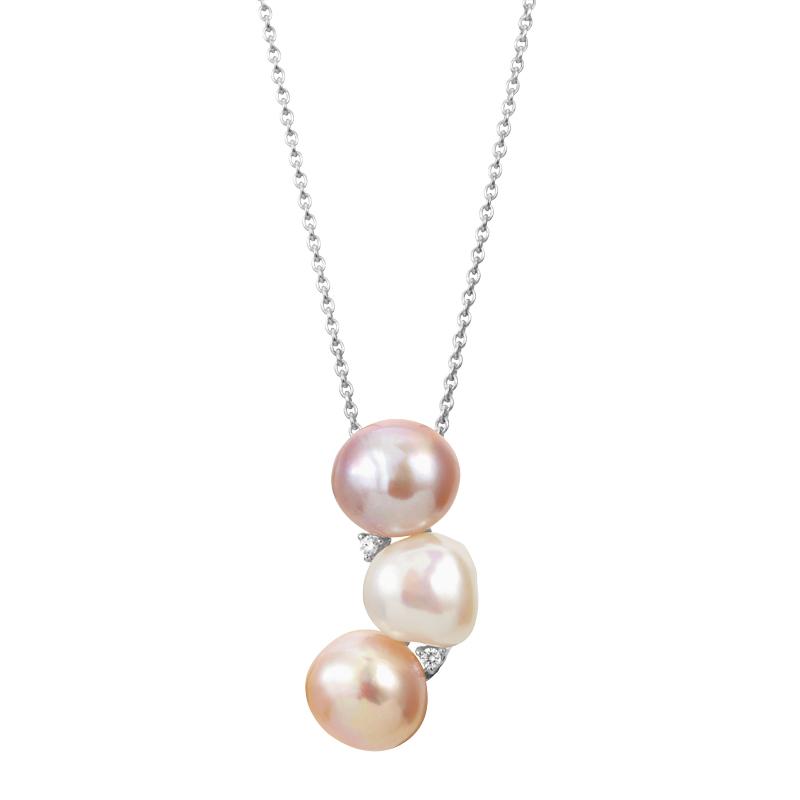
The purpose of this substance is to gradually cover the foreign body with successive layers, protecting the interior of the shell from further irritation and damage. As you might guess, over time, this substance hardens, and water slowly washes away the outer surface of the forming mass, ultimately resulting in a beautiful and highly valuable pearl.
Natural or assisted?
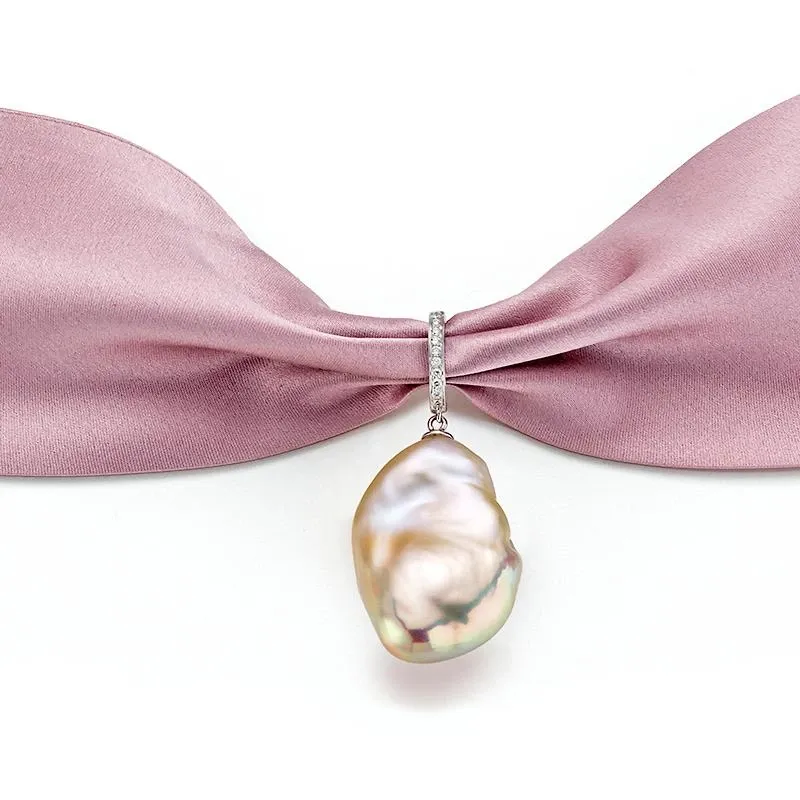
People who have extensive experience in the jewelry industry emphasize that the final price we pay for earrings, necklaces, or chokers featuring pearls—treasures from the depths that are the heroes of our today’s article—largely depends on whether the pearls are formed naturally or through cultivation. In the first case, the process of calcified substance hardening occurs without any human involvement, allowing the procedure to proceed smoothly and resulting in stunningly beautiful pearls, sometimes with irregular shapes.

How to avoid being deceived?
Some of our readers may worry that purchasing pearls from unverified sources could result in fraud, paying a premium for a product that only appears to be a beautiful decorative element but in reality is just a counterfeit.
To avoid disappointment, it is important to remember that both natural and cultivated pearls are noticeably heavier than non-authentic ones. Upon first contact with the hand, they should also feel relatively cool and gradually (not instantly) warm up due to body or ambient temperature. Interestingly, the more spherical, perfect, and free of any flaws, scratches, or irregularities a pearl is, the higher the likelihood that the item is a fake—products formed naturally or under human control will never be perfectly identical, primarily due to the nature of the pearl formation process.
If we want to be completely sure that we are becoming happy owners of a jewelry piece of the highest quality, whose essential component is carefully selected pearls by a professional, we should purchase such jewelry only from reputable brick-and-mortar or online stores, which can boast not only many years of experience in the market but also an impeccable reputation among consumers. Although in such cases, paying a considerable sum for a highly refined and elegantly decorated item, we can be almost certain that we are acquiring 100% authentic pearls. Some jewelry store owners or sellers dealing in semi-finished products also issue certificates confirming the authenticity of the offered pearls, which will guarantee that we have not been deceived and that we are buying a top-tier product.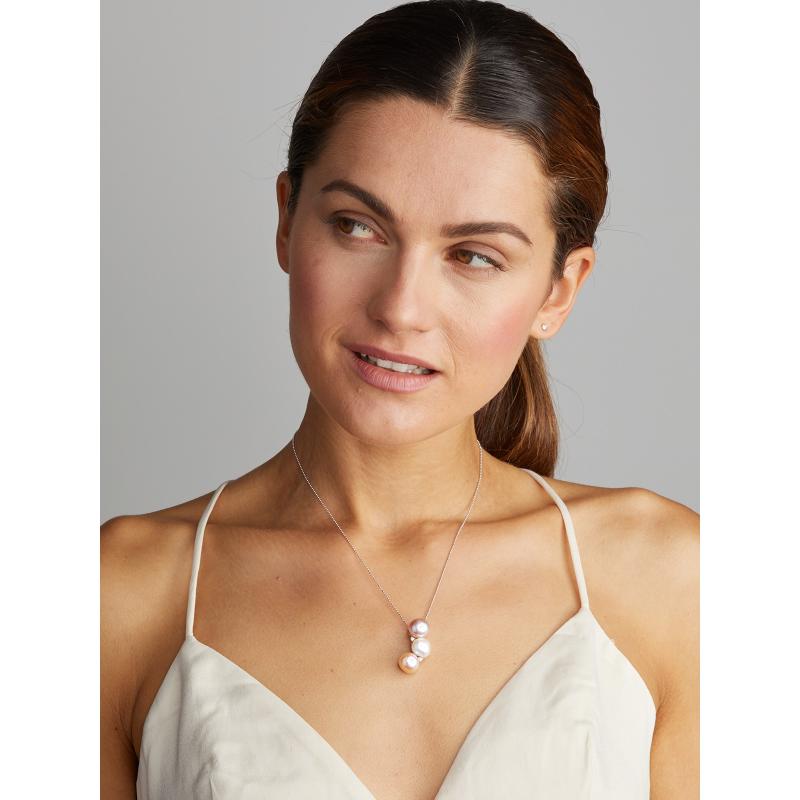
We hope that today’s article has helped our readers not only to better understand how the popular pearls on the domestic market are produced but also to acquire key knowledge to distinguish fake pearls from thoroughly authentic products!