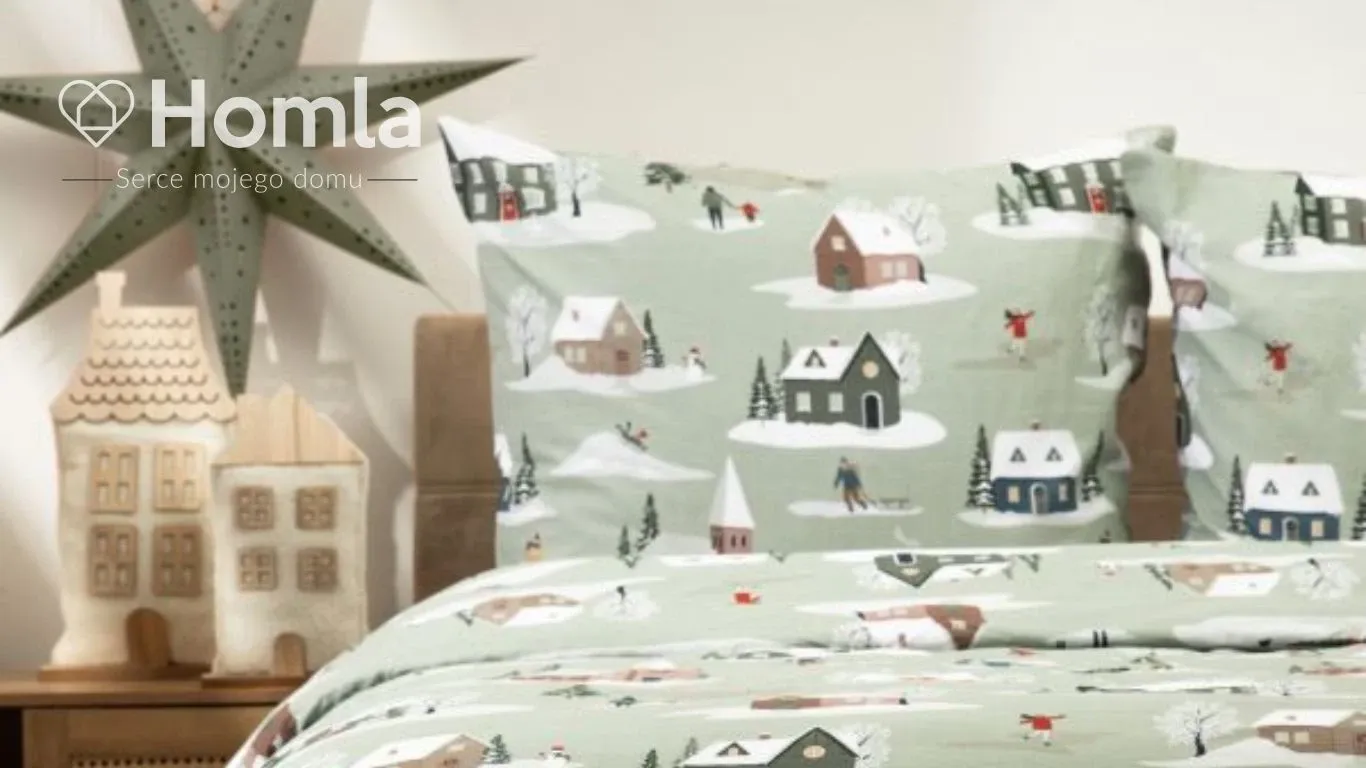
The autumn-winter period is a special time when we particularly appreciate warmth, comfort, and coziness during sleep. Low temperatures and short days make the bedroom an important place for regeneration. Properly selected bedding for colder days has a significant impact on the quality of rest, so when choosing it, it's worth considering not only its pattern and size but also comfort of use. A winter bedding set should be soft to the touch, warm, yet breathable and resistant to creases. So, would microfiber bedding be a good choice for the cold months?
Advantages of microfiber bedding
During the manufacturing process, ultrafine synthetic fibers are used in microfiber, which, when combined, create a lightweight yet durable structure. As a result, bedding made from this material is exceptionally soft, pleasant to the touch, and delicate. The fabric conforms to the body shape, allowing for temperature regulation during sleep. Additionally, microfiber does not trap dust and is resistant to creasing, so it does not require ironing. It dries quickly and reduces the development of dust mites, making it suitable for allergy sufferers. Among the features of bedding, it is also worth noting that it is breathable, ensuring comfort throughout the night.
The above properties of microfiber bedding make it an ideal choice for colder seasons such as autumn and winter.
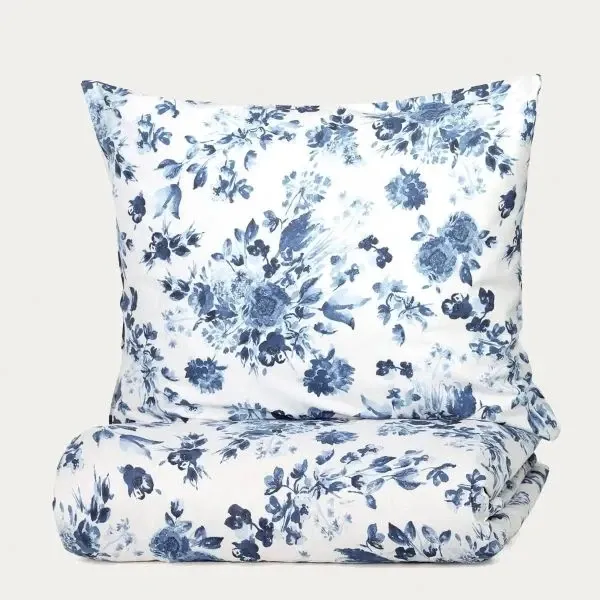 Photo: homla.com.pl
Why is microfiber bedding good for winter?
When the outside temperature drops below zero, warm bedding that effectively protects against the cold seems essential.
For many of us, the first and most obvious choice is cotton bedding. It is a good option for those who tend to overheat at night because it provides good air circulation and helps wick away excess moisture. Cotton bedding is popular among people with sensitive skin, but in colder months, it may not provide sufficient thermal comfort. That’s why, in winter, more and more cold-sensitive individuals opt for microfiber bedding, which is warmer, heats up quickly, comfortably envelops the body, and helps maintain thermal comfort throughout the night.
Made from thin synthetic polyester fibers, microfiber bedding is convenient for everyday use and has unique properties that significantly improve sleep quality. It is a good choice for allergy sufferers — microfiber has a very dense weave, and its structure makes it difficult for dust and other allergens to penetrate the fabric. Its ease of care is also a major advantage.
So, is microfiber bedding suitable for winter? Yes, but like any material, it has its pros and cons. Although it is incredibly soft, it is not as breathable as cotton bedding. Therefore, microfiber pillowcases are best suited for people who feel cold at night and are looking for bedding that offers higher thermal comfort.
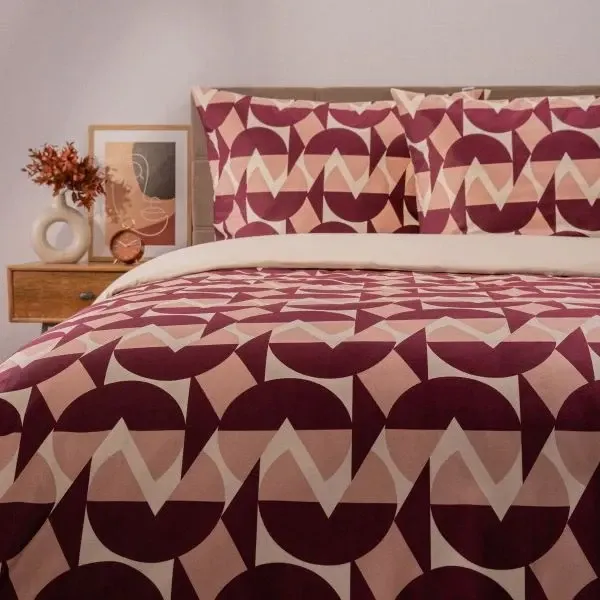 Photo: homla.com.pl
Comfort and durability — perfect bedding for any bedroom
Microfiber bedding works well in both modern and more traditional bedrooms. Although microfiber is a synthetic material, its structure based on thin fibers makes it soft and warm. Polyester fabric, unlike cotton, retains heat better, making microfiber bedding excellent for winter and autumn nights.
Durability is also important — polyester bedding is resistant to pilling, stretching, and deformation, so the fabric maintains its shape and vibrant colors even after many washes. It is also available in various patterns and colors, allowing you to easily match it to your personal preferences.
How to care for microfiber bedding?
Choosing the right bedding is one thing, but it’s also important to know how to care for it so that it lasts a long time. Microfiber products are recommended to be washed at 30°C. A major advantage of microfiber is its resistance to creasing, meaning the fabric does not require ironing. Additionally, the material dries quickly, which is one of its most important features for everyday use.
Key care tips for microfiber bedding:
• Use gentle detergents for washing, always wash bedding at the temperature recommended by the manufacturer.
• Avoid using fabric softeners, as they can weaken the fiber structure.
• Do not iron microfiber bedding — microfiber is crease-resistant.
• Do not tumble dry microfiber bedding.
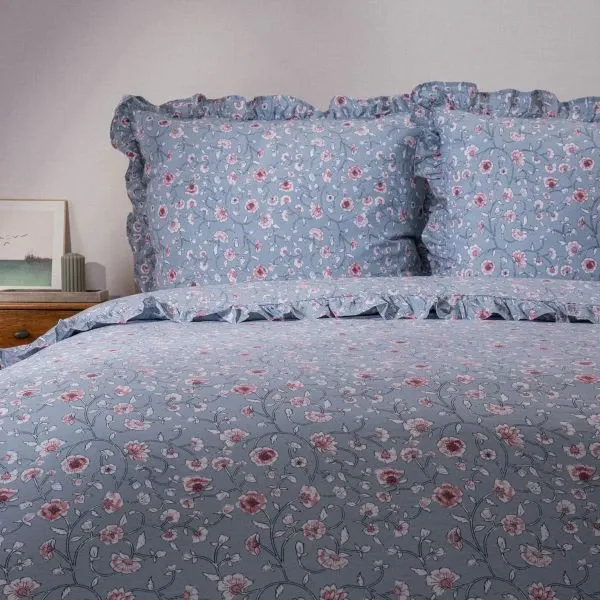 Photo: homla.com.pl
Microfiber bedding — which one to choose?
Are you wondering how to choose bedding that will serve you for a long time? Match it to your needs and preferences, and also pay attention to aesthetics — size, color, and pattern. Choosing the right bedding material is an important decision, but don’t forget about selecting the correct size as well.
Microfiber bedding 140x200 cm is suitable for single beds in youth rooms and smaller bedrooms or guest rooms. Duvet and pillowcases in 160x200 cm size are a versatile solution for classic double beds. Meanwhile, microfiber bedding 200x220 cm is an ideal option if you have a large bed, especially of king size.
When it comes to patterns, the options are almost limitless because microfiber is a polyester material with a smooth structure that facilitates printing. The market offers sets in various styles. At the Homla online store, you will find a wide selection of bedding sets with interesting and durable patterns.
Bedding with geometric patterns works perfectly in modern and minimalist interiors. Sets with botanical motifs fit well in Scandinavian decor. Solid-colored pillowcases beautifully complement modern, simple arrangements.
It’s also worth paying attention to the color scheme of the bedding. Light shades and pastels promote calmness and relaxation, while bold colors and striking patterns can add energy and character to the interior. A good idea is to opt for seasonal bedding — Christmas, spring, or summer — which allows for quick and impressive changes to your bedroom decor without major renovations.
Sponsor article