
Internal doors may seem like a minor element of home or apartment furnishings. After all, they are simply partitions used to separate individual rooms. Nothing could be further from the truth – a properly selected door leaf can highlight the interior design of the entire space, serving as the proverbial "cherry on top." So, how to choose the color of interior doors? Here are some practical tips!
What to Consider When Buying Interior Doors?
When purchasing interior doors, it’s important to pay attention both to their style and color scheme. After all, the new door should blend well with the rest of the room – especially with the wall colors, flooring, and furniture. It’s also worth considering the size of the space and access to natural light.
However, it’s worth noting that the color of interior doors doesn’t have to harmonize perfectly with other interior elements. Sometimes, the best choice is to intentionally opt for a bold contrast, which can give the planned decor a more expressive and modern character.
An important rule is to use the same interior doors in rooms that are directly adjacent. This creates a cohesive look for the house or apartment and prevents a cluttered appearance. Of course, this can sometimes be challenging – especially when furnishing rooms with very different styles. In such cases, it’s advisable to choose interior doors with a universal design and subdued colors that will match both rooms simultaneously.
A Warm, Friendly Shade or an Intriguing Contrast?
The color of interior doors will significantly influence the overall look. Depending on the chosen style, the door leaf can either complement the decor or break its monotony, adding dynamism and interesting contrast to the room. Therefore, before purchasing, it’s important to consider the final effect – whether the interior should be cohesive and harmonious or striking and eye-catching.
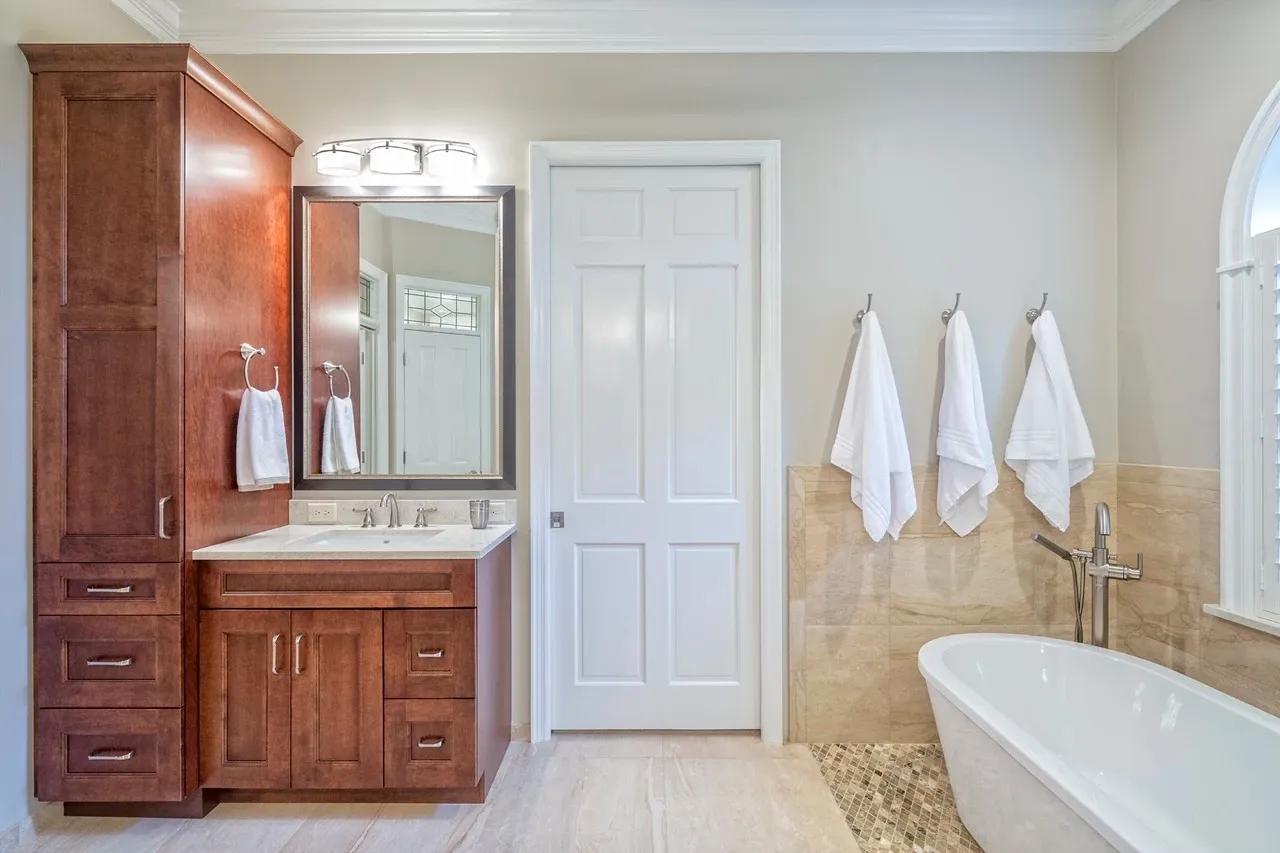
For the first option, it’s recommended to choose classic interior doors in subdued, warm, and natural shades – primarily various tones of beige, light wood (beech, oak, ash, or pine), off-white, or pastel grays. This will create a calm, cozy atmosphere conducive to relaxation and rest.
Such interior doors give rooms a sense of lightness and can visually enlarge the space. They are an excellent choice for bedrooms and living rooms decorated in Scandinavian, rustic, or vintage styles. They can also be successfully used in apartments with limited space.
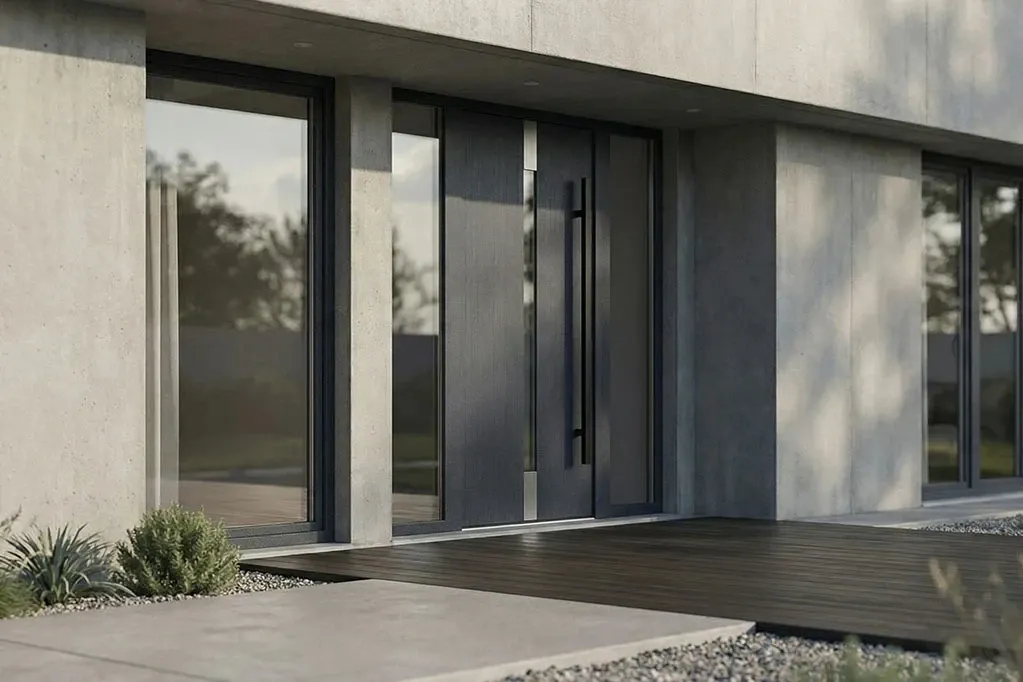
On the other hand, contrasting colors such as deep black, graphite, navy blue, or intense bottle green can serve as a focal point in the room, especially when paired with light-colored walls. These doors will emphasize a minimalist decor and give the interior a modern, even avant-garde character.
Strongly contrasting interior doors work very well in loft, industrial, and eclectic styles. However, to achieve the maximum effect, it’s necessary to incorporate more contrasting finishing elements – such as skirting boards, door frames, and wall decorations.
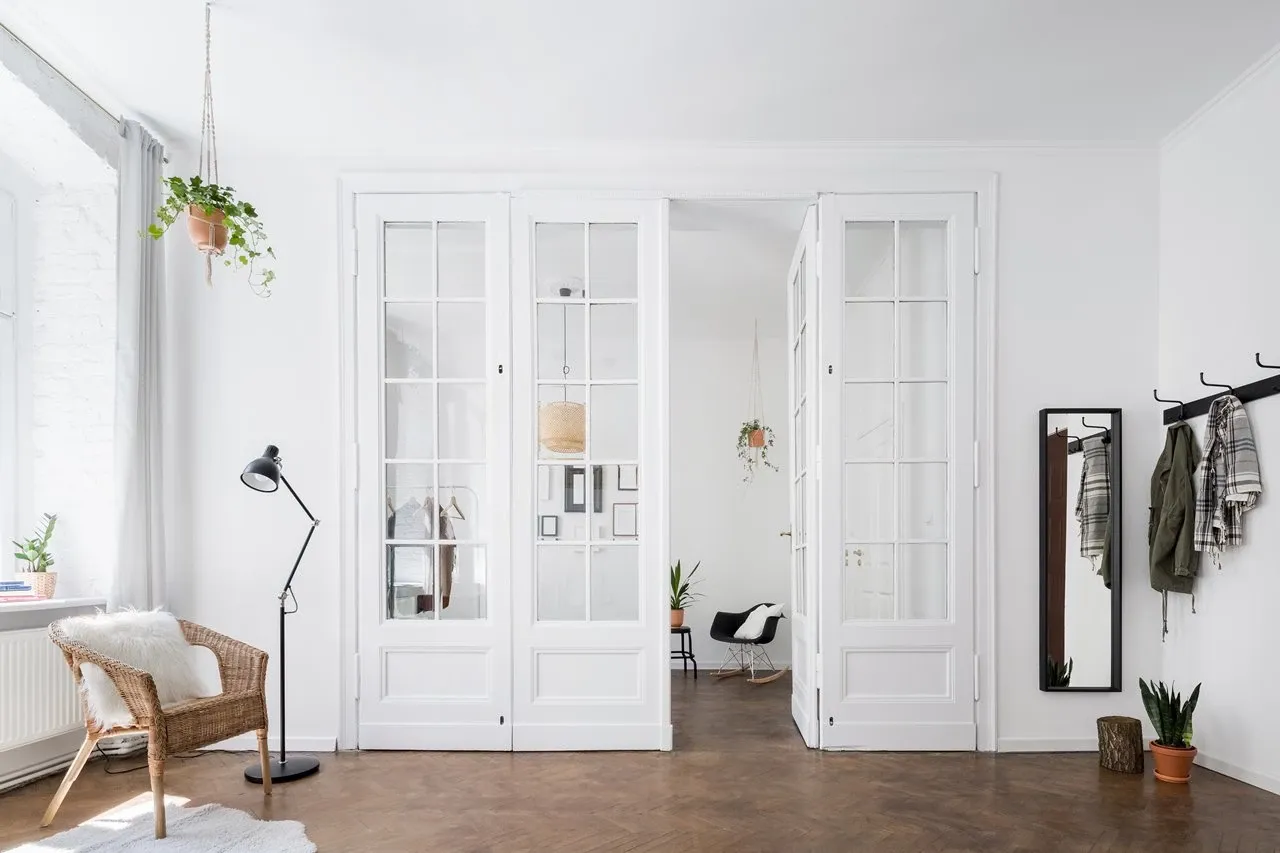 Photo: AdobeStock
Interior Doors with or without Glazing?
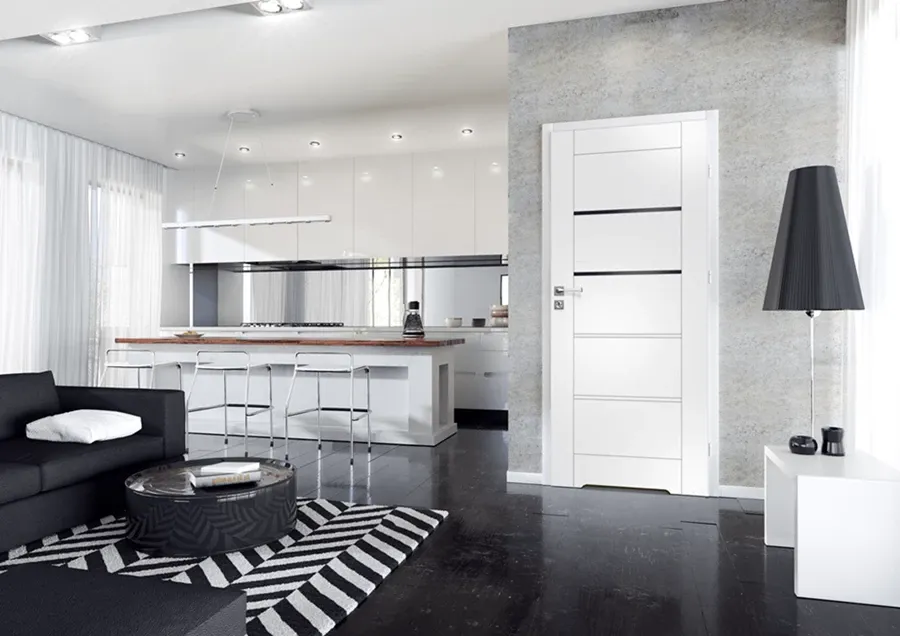
An aspect worth considering is the glazing in the door leaf. Such interior doors allow some natural and artificial light to pass through, gently diffusing it. This helps illuminate the space of the house or apartment while maintaining a high level of privacy for all residents.
This effect is achieved through skillfully crafted glass inserts placed in the central part of the door leaf. Depending on the material used – frosted, patterned, or sandblasted glass – it’s possible to create very interesting visual effects.
Interior doors with glazing will particularly suit living rooms, bedrooms, and children's rooms. They can also be successfully installed in offices, kitchens, and even bathrooms. It is also worth mentioning that manufacturers offer a wide range of door leaf models with various types of glazing — from subtle inserts, through interesting geometric patterns, to almost fully glazed doors.
Sponsored article