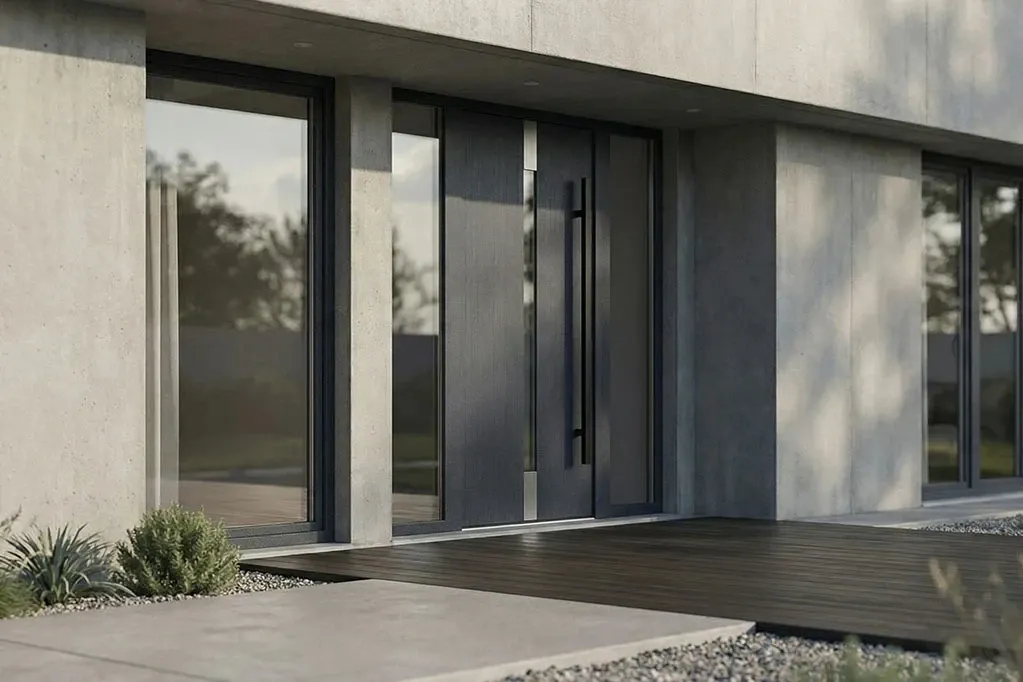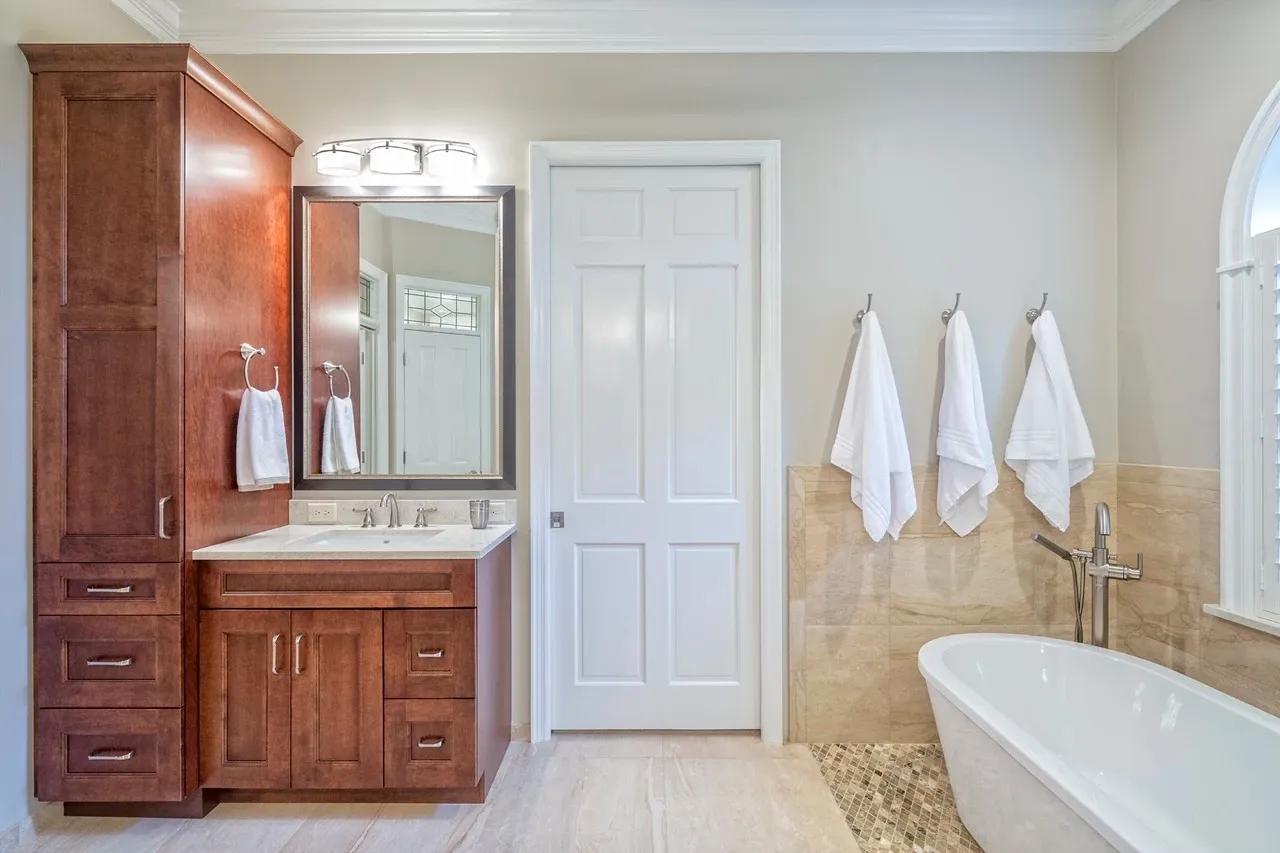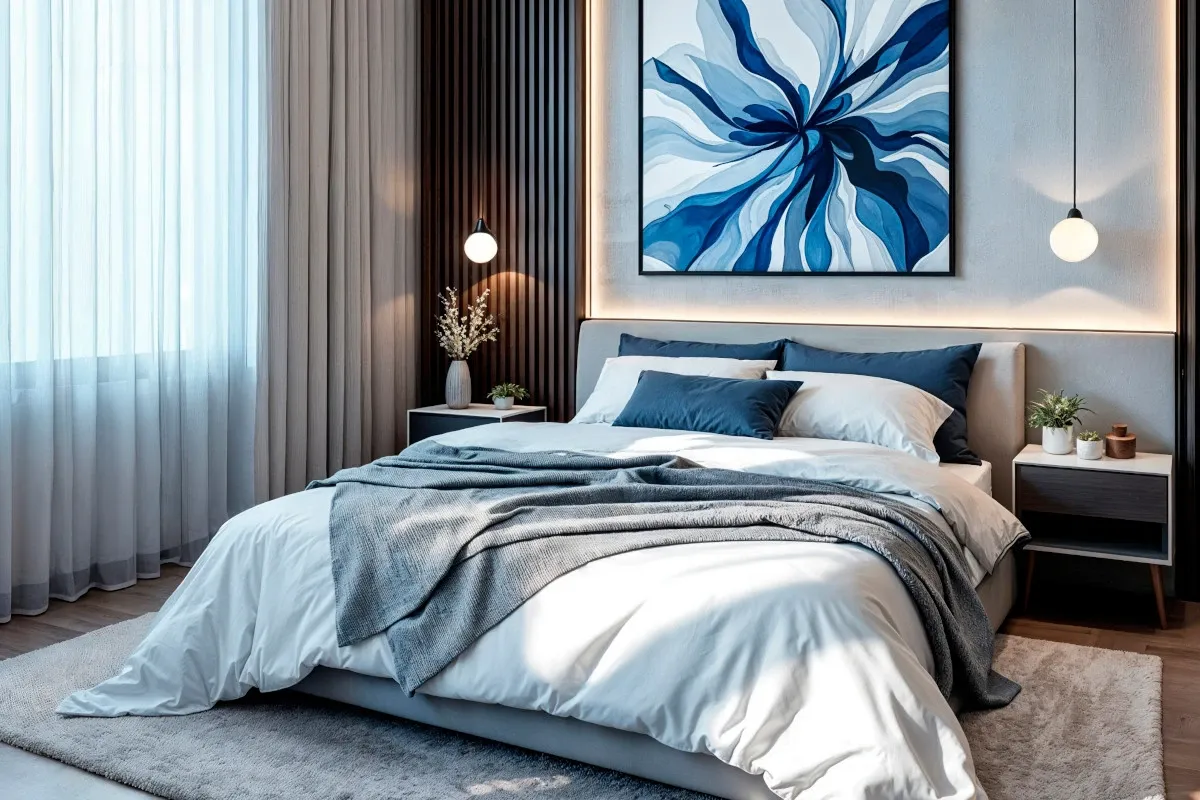

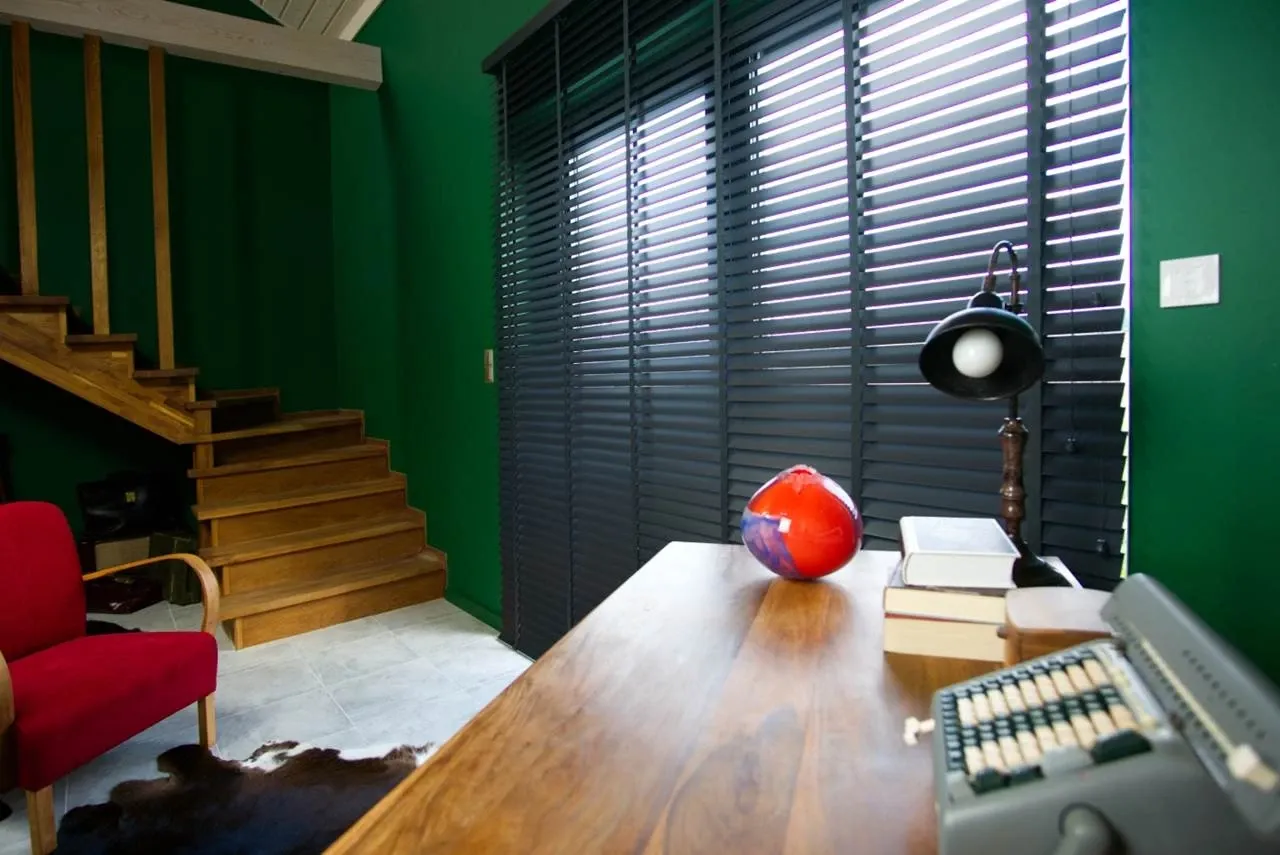
Spectacular glazing looks impressive and undoubtedly evokes admiration. However, their appeal can be overshadowed if… they are not properly covered. Large windows without suitable coverings cease to impress and start to irritate. We suggest how to choose blinds for your windows so that an attractive appearance does not exclude functionality, and vice versa.
Window blinds as multifunctional equipment
Increasingly, household appliances are expected to be multifunctional. Items that are solely decorative or purely utilitarian, which need to be masked to avoid spoiling the interior design, are losing popularity. We are much more willing to invest in versatile functionality, and this applies to almost all items. Similarly, when choosing window coverings—especially if they are to complement large glazed surfaces—it's worth considering carefully. They should stand out with their functionality, which by no means should diminish their visual appeal. Additionally, factors related to energy efficiency and heat recovery come into play. All these aspects make window coverings much more than just decoration and practical elements—they also support insulation, which can significantly impact your energy bills. Can interior window blinds allow light permeability regulation, guarantee insulation when needed, and always look excellent?
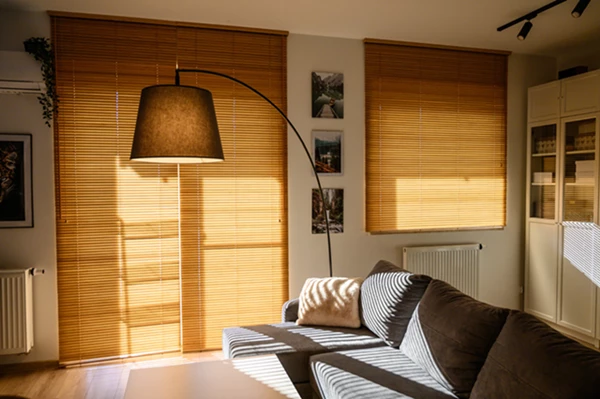
Blinds in the living room look impressive and provide good sun insulation
What best insulates windows – blinds, shutters, or curtains?
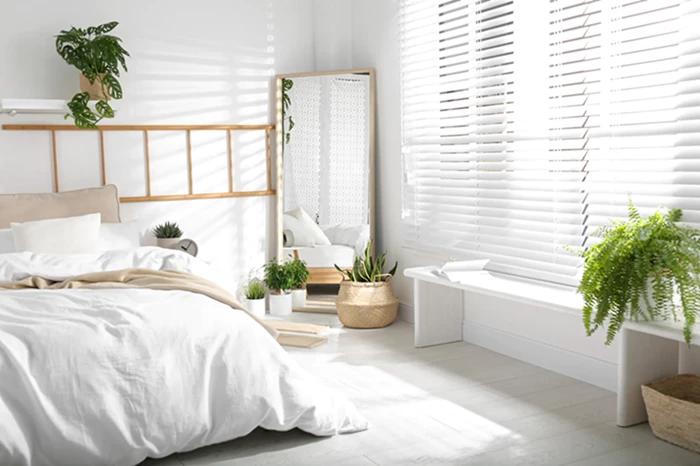
A well-lit apartment with large glazed surfaces is attractive and simply pleasant to live in. Dark rooms with small windows feel gloomy and can be potentially unhealthy—more prone to moisture and mold. Meanwhile, living rooms with huge windows or bedrooms with unobstructed views create a stunning impression and provide enough natural light for well-being. At the same time, glazing contributes to significant heat loss—window panes cannot be insulated. The glass layer does not block cold transfer or heat escape. Therefore, window insulation must be managed separately. Various window coverings—pleated blinds, roller blinds, or curtains—provide insulation, but to different extents. Visually appealing and functional, blinds are offered by the manufacturer Clicky on this site: https://clicky.pl/
Advantages of blinds as aesthetic insulators
Of the three options mentioned, internal roller blinds perform the worst in terms of insulation. Even blackout blinds are thin enough that they do not provide any real protection against heat loss through the window. Curtains can be effective, but only under certain conditions: the fabric must be quite thick, the curtains should extend well below the windowsill, and they only work when drawn—mainly in the evening and at night. The optimal window covering is blinds. They serve as a beautiful and elegant window decoration and can act as an effective insulation layer. Particularly noteworthy are wooden blinds. Why? Because even if the blinds are mostly lowered, the open slats create a delicate, ribbed covering. Wood, as a natural material, handles heat transfer better—in contrast to aluminum, it does not absorb or release heat too quickly, which helps gradually equalize the room temperature. Wooden blinds in the living room or bedroom are excellent as aesthetic insulation for glazed surfaces.
SPONSORED ARTICLE