
We are quite convinced that a significant portion of our readers are well aware of what calligraphy is. In a nutshell, it can be described as the art of aesthetic and meticulous handwritten writing, which in this case not only serves a purely utilitarian function but also becomes a way for the author to express themselves.
However, it is worth asking oneself – where did calligraphy originate, where should its beginnings be sought, and how did it develop over the centuries?
History of Calligraphy - Literature in China
According to scholars, the beginnings of the art of writing in a more artistic and elegant manner than required by circumstances can already be identified in the first centuries AD. The early second century was a fruitful period for this art in China. Calligraphy developed specifically in this country, and artists refined their techniques of beautiful writing during the Jin dynasty. It is worth knowing that several centuries later, the Chinese developed a special type of paper called xuan in their native language. It was made from a specially selected pine variety and, in the opinion of professional scribes, was perfectly suited for writing single characters, sentences, and even entire literary works with remarkable skill and attention to detail.
Beautiful writing in Arabic
Contributing to the development and history of calligraphy as we know it today were the Arab countries in the early modern period. It was there that separate guilds and craft associations of unique artists in the art of writing were established. They often received commissions from high-ranking officials to create richly decorated manuscripts, which were then displayed in throne rooms or main halls of residential buildings and regarded as decorative elements comparable in their uniqueness to the masterpieces of painters of that era.
…and what about Europe?
From history textbooks, we know that in 1450, thanks to Johannes Gutenberg, Europe discovered the benefits of printing, which significantly accelerated and improved the reproduction of books and similar publications, while also contributing to a noticeable reduction in their market price. However, before this breakthrough, the only way to copy volumes of significant scientific, historical, or cultural value was by hand copying. This task was often undertaken by monks, who not only had to develop their own techniques of beautiful, decorative writing on parchment but also, over the years, acquire essential skills such as patience, meticulousness, scrupulousness, and creativity.
Unfortunately, their working conditions left much to be desired – they often worked in dark, damp chambers lit only by the faint glow of a candle, which negatively affected their eyesight, posture, and overall health… especially in times when medical care was not as accessible as it is today, and in many countries, it was a luxury available only to the few.

A Polish note
An interesting fact that many may not be aware of is that calligraphy and its history have a native episode. At the beginning of the twentieth century, it was part of the basic Polish language education. Teachers required students not only to learn the intricacies of their native speech but also to write words in an aesthetic and meticulous manner, forming the basis of their vocabulary. Although it might seem that this art belongs to the past, reports from Poland and around the world clearly indicate that, in times dominated by electronic devices… it is experiencing a renaissance.
More and more, handwritten postcards, diplomas, greeting cards, and certificates are gaining popularity. At online auctions and regional fairs, the prices of such written art pieces can range from several dozen to even several hundred złoty… and the number of enthusiasts is not only not decreasing but is actually growing each year!
Maybe try calligraphy yourself?
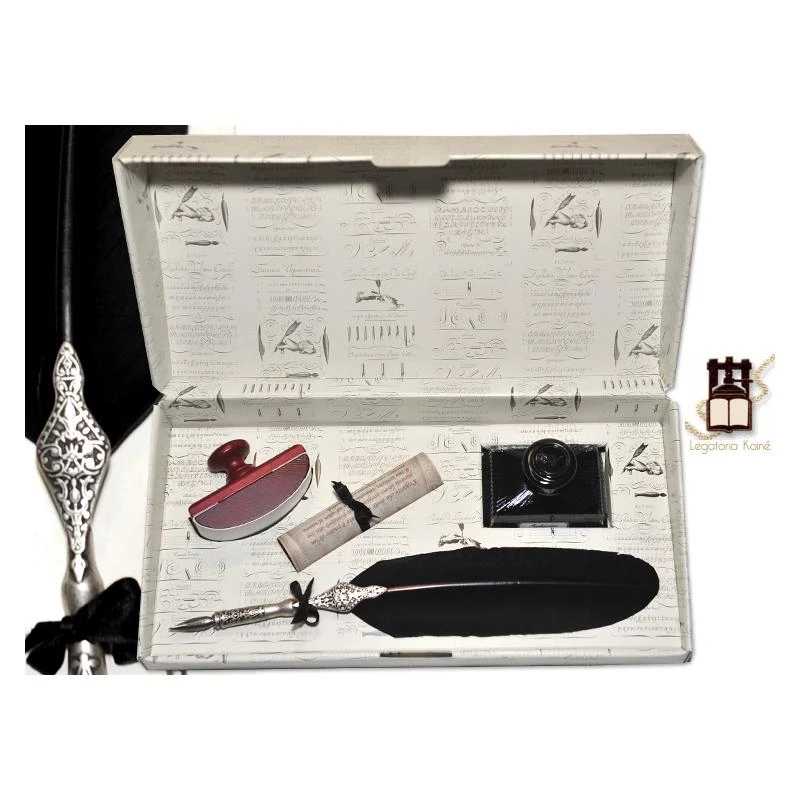
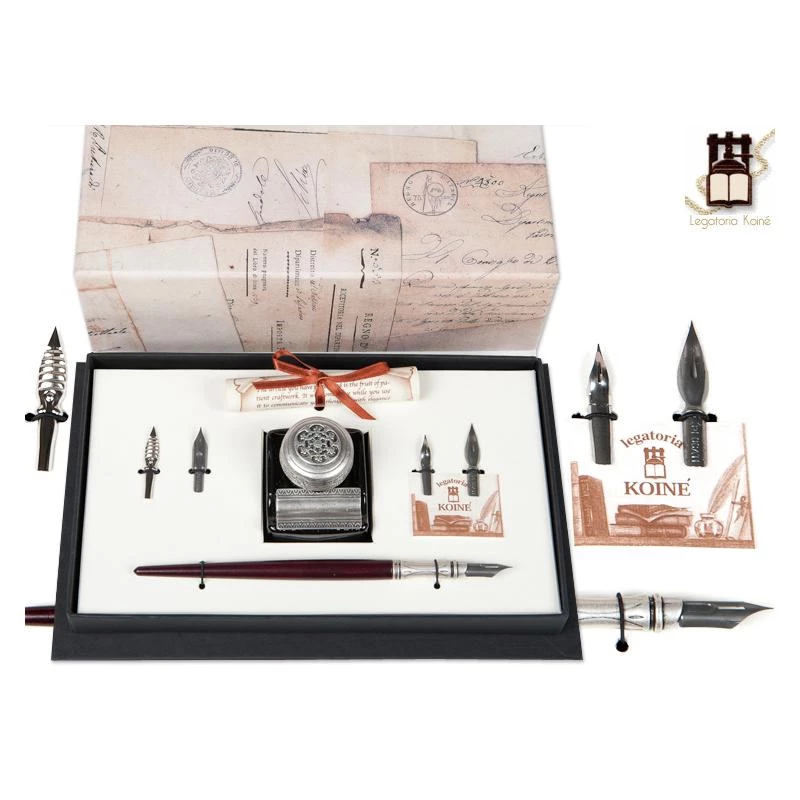
There's nothing stopping you from trying your hand at calligraphy on your own – all you need is a high-quality fountain pen from a reputable company with many years of experience in the industry, elegant paper in sheets… as well as a great deal of patience and perseverance, since mastering the art of writing letters to the level of true masters can take even several weeks. However, we believe that this is a worthwhile endeavor, because in doing so, you'll be able to boast a skill that many people can only dream of.
Who knows, if we discover a flair for writing and practice regularly, it might turn out that a talent for calligraphy can be monetized by taking on individual commissions from local clients or those contacting us via the Internet, who will want to become proud owners of a beautifully written letter, note, or postcard? Even if that doesn't happen, we can be sure that learning calligraphy and improving our skills will bring us great personal satisfaction!