
The year 2024 brings fresh and exciting trends in children's furniture, combining innovation, safety, and style. Furniture manufacturers focus on creating spaces that inspire young minds while ensuring comfort and security.
Eco-friendly and Sustainable Materials
Growing environmental awareness makes sustainable materials increasingly popular in the production of children's furniture. Manufacturers focus on using renewable sources such as certified wood, bamboo, and recycled materials. These eco-friendly choices not only protect the environment but also ensure safety for the youngest users.
Modular and Adaptive Designs
2024 continues the trend of modular and adaptive furniture that grows with the child. These pieces, often offering easy transformation options, are practical and cost-effective. From cribs that can be converted into beds for older children to height-adjustable desks, these solutions are both functional and aesthetically pleasing.
Technology and Smart Solutions
In 2024, children's furniture is enhanced with technological features. Built-in LED lighting, USB ports, and interactive surfaces are becoming more common. These smart functions not only increase the appeal of the furniture but also introduce educational and entertainment elements.
Colors and Patterns
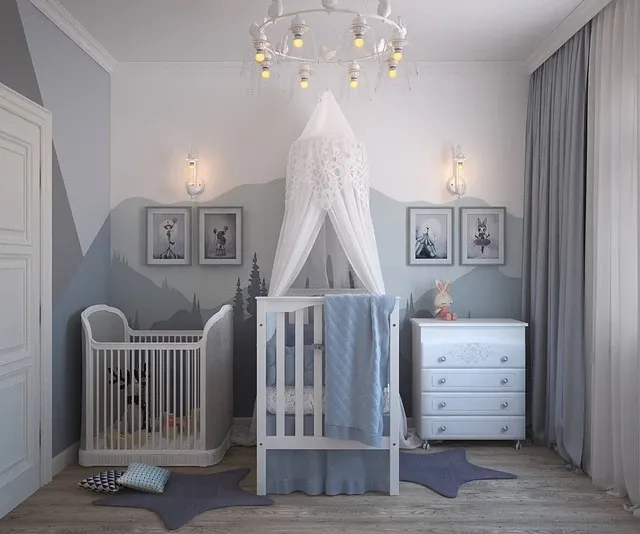
Colors and patterns in children's furniture in 2024 reflect a joyful and optimistic aesthetic. Bright, vivid colors, playful patterns, and themed designs are trending. These expressive styles not only enliven the child's room but also stimulate creativity and imagination among young users.
Safety and Ergonomics
Safety and ergonomics remain key aspects in designing children's furniture. Rounded edges, non-toxic finishes, and stable constructions are standard. Manufacturers also focus on ergonomics, creating furniture that supports proper physical development in children.
Trends in children's furniture in 2024 emphasize the importance of creating spaces that are safe, functional, and inspiring. From eco-friendly materials and smart solutions to creative patterns and colors, the world of children's furniture is entering a new era that is as exciting for children as it is for their parents.
Inclusion and Universal Design
In 2024, furniture designers for children are increasingly focusing on inclusion and universality. Furniture is designed to be accessible and useful for children with diverse needs and abilities. This approach not only ensures equal access to comfortable and functional spaces but also promotes acceptance and understanding of diversity among children.
Learning and Play Spaces
Another key trend is creating furniture that combines learning and play. For example, desks with interactive educational elements or beds shaped like spaceships and castles that stimulate imagination and encourage creativity. Such furniture design approaches not only make the child's room more attractive but also support cognitive development and creativity.
SPONSORED ARTICLE