
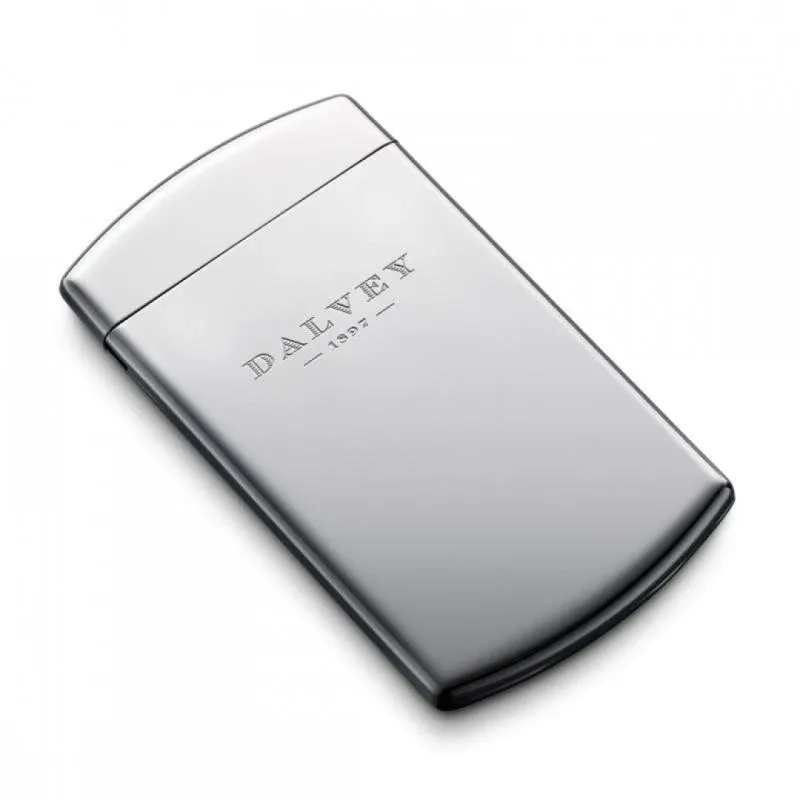
Business card holder, a simple box used to store small scraps of paper containing basic personal and contact information of a specific individual.
It might seem that such a product is nothing extraordinary, but the truth turns out to be quite different. This modest box is over two hundred years old, and throughout this time it has successfully served aristocrats, politicians, diplomats, artists, and even… kings. Let’s take a closer look at its history today!
A brief history of calling card cases - Royal beginnings
It is believed that the business card holder, stored in a specially prepared (and often richly decorated) case, popularized King Louis XIV, also known as the Sun King. During his reign, this item became an inseparable part of the equipment of the elite of that era, although it was known much earlier.
But why did these small boxes attract so much interest from both ladies and gentlemen?
They not only added a touch of craftsmanship to a chosen style, but also served a purely utilitarian purpose. It was quickly noticed that carrying a pile of business cards in a pocket or tailcoat was impractical, as dynamic movements could damage or significantly bend them.
Another important aspect is that loose business cards could absorb cigarette smoke or other surrounding odors over time, which could negatively affect the recipient’s reaction. The case proved to be a hit, as it minimized the risk of mechanical damage to individual paper scraps and also acted as a barrier against external factors such as various smells, liquids, or dirt.
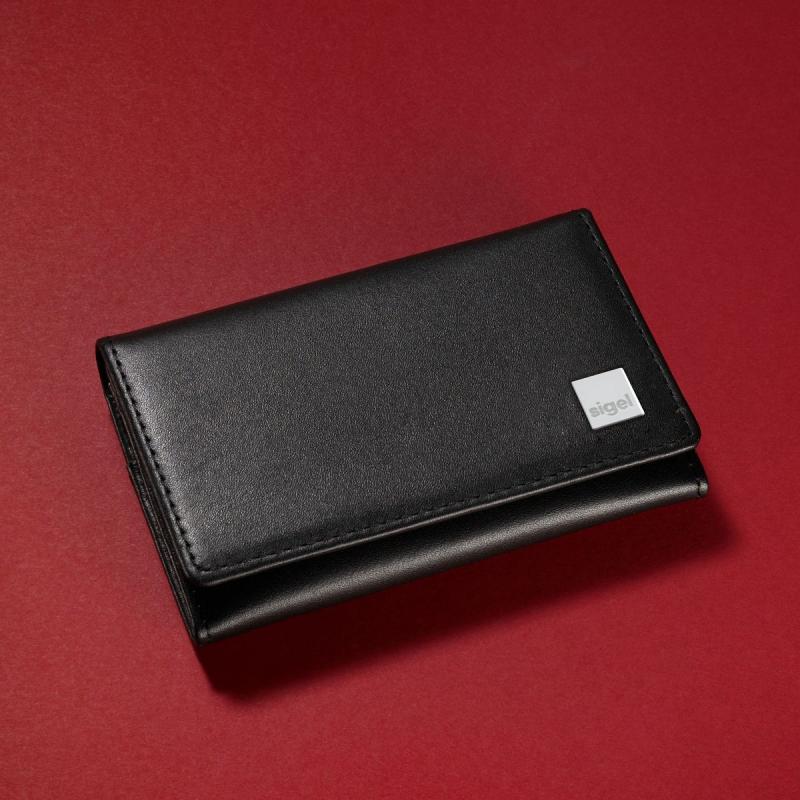
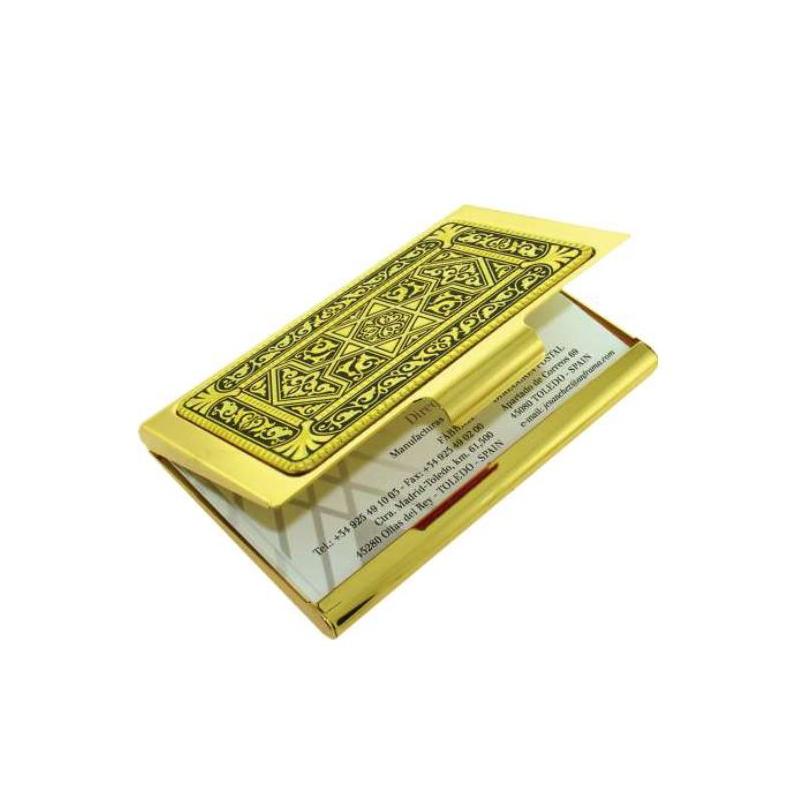
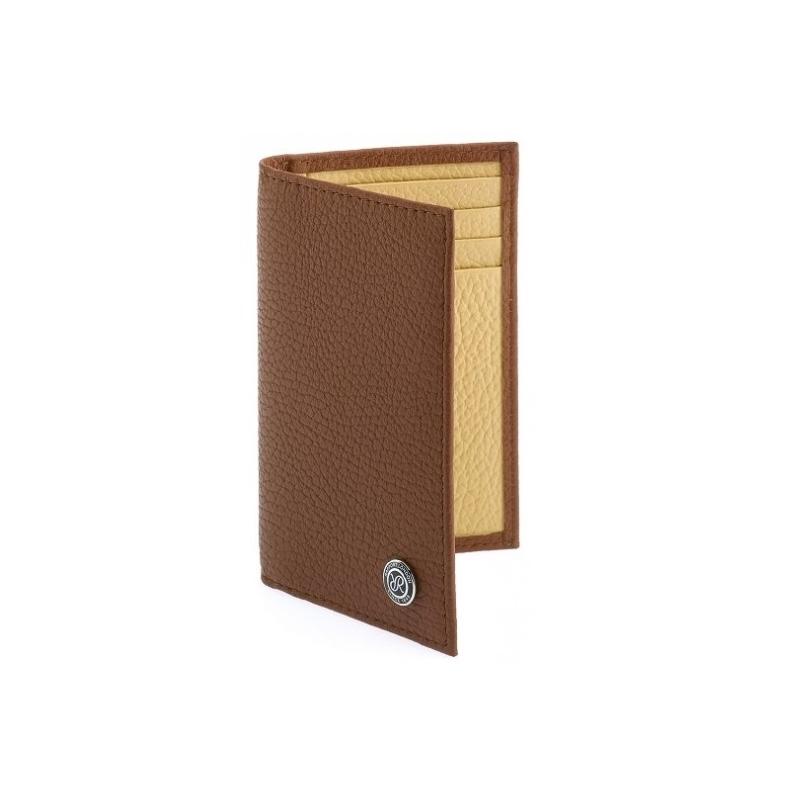
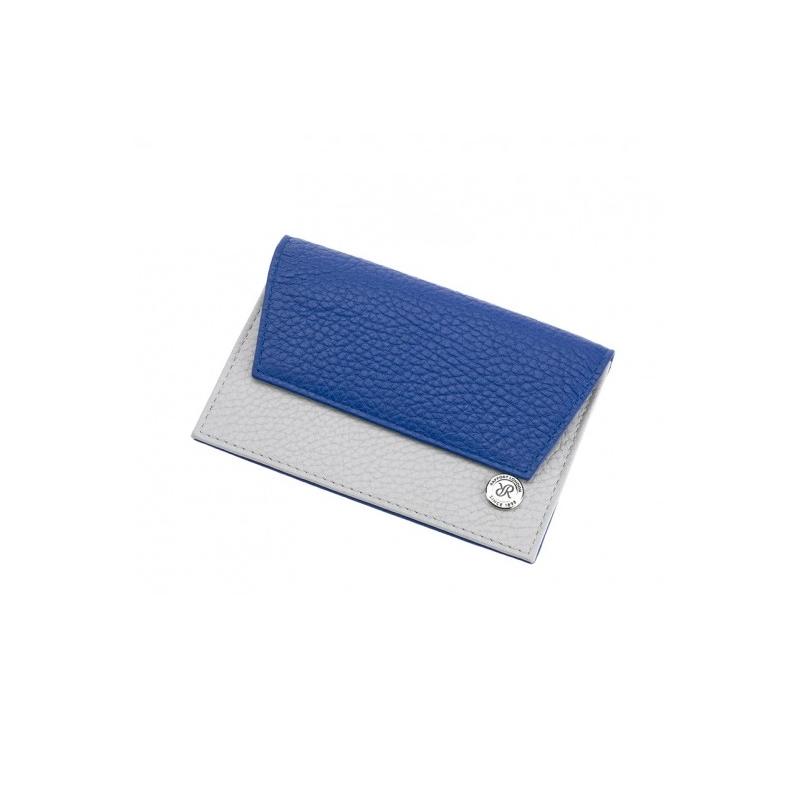
English excellence
Many companies specializing in the production of card cases—both standard, for everyday use, and more elaborate, for special occasions—were established at the beginning of the 19th century in England, specifically in Birmingham. It was there that companies such as Taylor & Perry, Deakon & Francis, D & L Spiers, and David Pettife offered their products to consumers.
The finest creations from true experts in their craft were far from ordinary boxes.
These most exquisite cases were made from high-quality materials and were richly decorated. They could feature reliefs, manufacturer symbols, or decorative elements based on the use of eye-catching gemstones.
Initially, the most popular were cases decorated with illustrations reminiscent of the most famous landmarks of Great Britain, but as the trend of owning business card cases arrived in Europe, this style evolved. The rest of the 19th century was marked by a fascination with broadly understood Japanese culture, which, as can be guessed, led to cases being decorated in this theme. It is also worth mentioning that Birmingham ceased to be the only producer of high-quality cases. More and more artisans from France, Italy, Russia, and Germany began to manufacture them.
A touch of exoticism
In line with their traditions, products featured in today’s article were also crafted by Indians, Chinese, and Japanese. They attracted potential buyers not only with their extraordinary craftsmanship but also with the use of unusual, considered luxurious materials in the manufacturing process, such as ivory, tortoiseshell, or noble types of wood, regarded by Europeans as highly exotic. If a diplomat, politician, or another member of high society had sufficient financial resources, they could acquire a case additionally decorated with jade, gold, silver, mother-of-pearl, and extremely expensive yet beautiful gemstones.
And today…
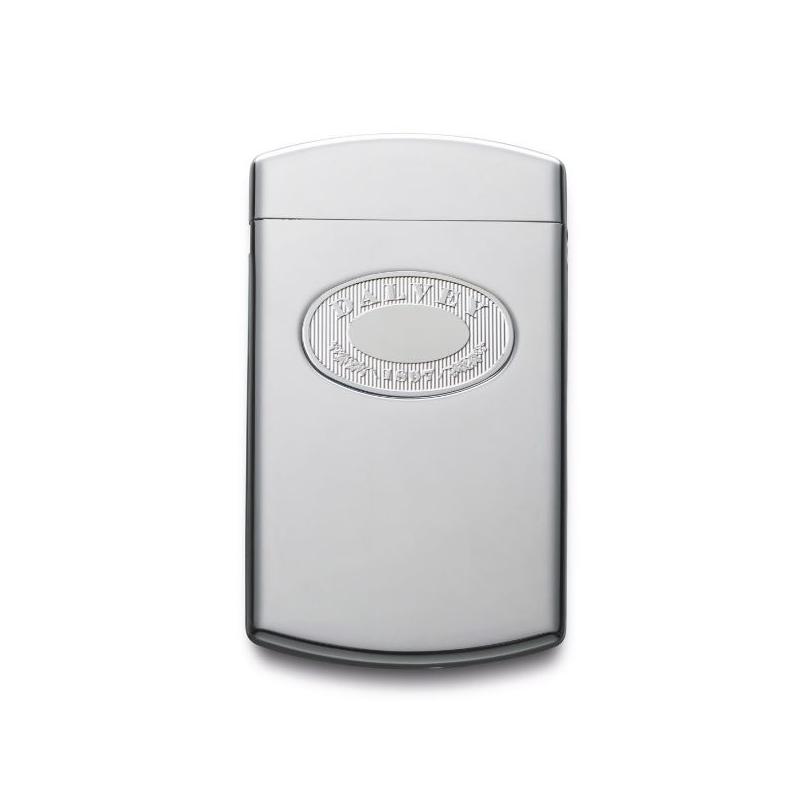
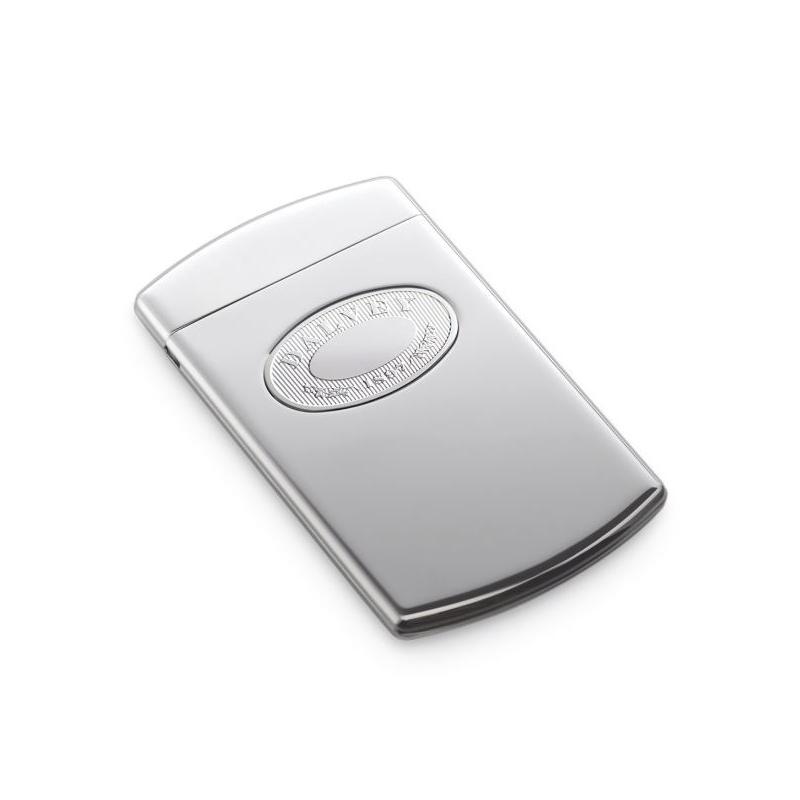
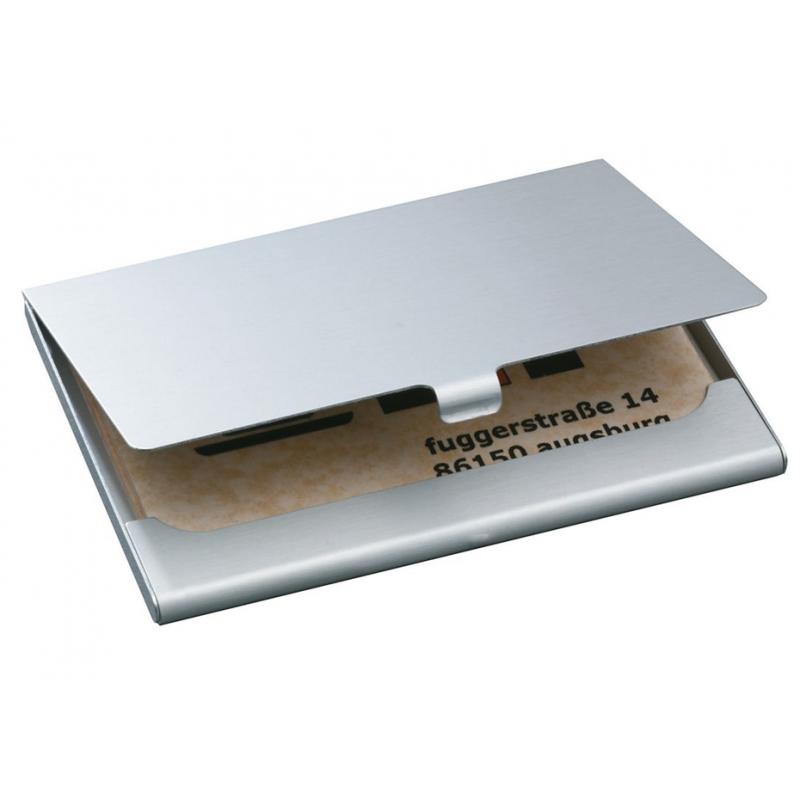
Nowadays, it is becoming increasingly rare to come across such works of functional art. Due to the desire to reduce costs and reach as many potential consumers as possible, manufacturers of visit card holders produce them from much cheaper materials. Among the most popular are primarily plastic and aluminum. However, if we decide not to focus on catalogs of well-known brands and start exploring offers from various manufacturers — both domestic and foreign — it may quickly become apparent that even in modern times, we can acquire items that, in their excellence and beauty, are no different from those worn by dignitaries and kings hundreds of years ago!
Of course, we will have to pay a correspondingly high price for them, but we can treat such a purchase as a capital investment. We can be almost certain that a product made with attention to even the smallest details and additionally decorated with the highest quality precious metals and gemstones will not only retain its value but will actually increase in worth over the years!